

How Many Cups in a Coffee Mug? Real Sizes and Buyer Tips
Reading time: about 9 minutes
A mug that looks normal on the shelf can hold very different amounts once you actually pour into it. We see this all the time in our store: one buyer wants a quick 8-ounce morning coffee, while another wants enough room for milk, foam, or tea without topping off every few sips.
If you are trying to figure out how many cups in a coffee mug, the short answer is that most standard mugs hold about 1 to 1.5 US cups. The longer answer matters more, because mug shape, usable fill level, and even the lip of the mug change how much ends up in your hand.
For shoppers comparing sizes, our full mug collection is the easiest place to compare everyday shapes side by side. If you want to see a taller profile that gives drinks a little more vertical room, the Mountain Tall Coffee Tea Mug is a good example of how form changes the pour.
How many cups does a standard coffee mug hold?
In practical terms, a standard coffee mug usually holds between 8 and 12 fluid ounces. Since 1 US cup equals 8 fluid ounces, that puts most everyday mugs at roughly 1 cup to 1.5 cups.
That is the range buyers usually mean when they ask the question. A mug marketed as a coffee mug is often built for a single serving, not a full measuring-cup portion. Many mugs also have curved sides that make the interior volume look larger than it is once you stop short of the brim.
Here is the conversion we use when helping shoppers compare mug capacity:
| Common mug size | Approx. liquid capacity | Equivalent in US cups |
|---|---|---|
| Small mug | 6 oz | 0.75 cup |
| Standard mug | 8 oz | 1 cup |
| Large mug | 12 oz | 1.5 cups |
| Big mug | 16 oz | 2 cups |
| Extra-large mug | 20 oz | 2.5 cups |
That table is useful, but there is a catch: it assumes the mug is filled close to the top. In real use, people usually leave some headspace for heat, milk, or cream. That means a 12-ounce mug may function more like a 10-ounce drink vessel on a busy kitchen counter or office desk.
Why does the same mug size feel different from one to another?
Two mugs can both be labeled 12 ounces and still drink differently. We see this because capacity is only part of the story. The opening width, wall angle, and handle placement all affect how the mug pours, how it feels in the hand, and how much of that volume is comfortable to use.
Three details matter most:
- Interior shape: A straight-sided mug usually uses space more efficiently than a tapered one.
- Rim height: A taller mug may hold more without feeling oversized, while a wide mug can look smaller even when it is not.
- Handle clearance: A comfortable handle matters if you drink hot coffee at a desk or in the car before leaving the house.
There is also the difference between a measuring cup and a drinking cup. A measuring cup is filled to a marked line. A mug usually has no fill line, so the usable amount depends on how cautious you are with hot coffee. That is why asking how many cups in a coffee mug is less exact than asking how much coffee you actually want to pour each morning.
If you are still deciding whether a bigger shape is worth it, our guide on Big Coffee Cups: How to Choose the Right Large Mug for Daily Use covers the trade-offs that show up after a few weeks, not just on day one.
What mug size should you buy for your daily drink?
The right answer depends on how you drink coffee or tea. We tell shoppers to start with their routine, not the label on the mug.
- Choose 8 oz if you drink small, straight coffee. This is the closest to one US cup. It is compact, warms quickly, and is easy to finish before the drink cools.
- Choose 10 to 12 oz if you add milk or want a little room. This is the most forgiving size for a standard home kitchen or office setup.
- Choose 14 to 16 oz if you pour longer drinks. This works better for lattes, hot chocolate, or a second pour without washing another mug.
- Choose 20 oz only if you really use the volume. Large mugs are not ideal for everyone. They can feel heavy when full and take longer to heat evenly.
From a selling standpoint, the most common mistake is buying too large a mug for everyday black coffee. The drink cools slower in a bigger mug at first, but the extra capacity also means a longer sit time and more surface area exposed to air. On a cold desk, that can work against you.
If your goal is a gift or a seasonal piece, a practical design can still matter. The Christmas Coffee Tea Mug is a good example of a mug people buy because it feels special, but the size still has to make sense for actual use. For shoppers who want a more visual, everyday style, the Green Waves Coffee Tea Mug shows how pattern and silhouette can change the feel without changing the basic purpose.
How do you check mug capacity without guessing?
If the product page does not spell out capacity clearly, we use a simple test at home or in the stockroom. It is not fancy, but it works.
- Fill the mug with water to the level you would normally drink from, not to the brim.
- Pour that water into a measuring cup.
- Check the total in fluid ounces, then divide by 8 to get US cups.
For example, a 12-ounce pour equals 1.5 cups. A 16-ounce pour equals 2 cups. That is the most direct way to answer how many cups in a coffee mug when the shape does not come with a clear capacity label.
There are a few common issues we watch for when evaluating mugs in our store:
- Hidden wobble: A mug may sit unevenly on a flat counter if the base is not trimmed cleanly.
- Glaze variation: Decorative mugs can have small color shifts, which are normal in many ceramic finishes.
- Handle heat transfer: Thin-walled mugs can get hot faster in the microwave or with repeated refills.
- Rim comfort: A rough or overly thick rim can make a mug less pleasant to drink from, even if the size is right.
These are the details people rarely see in a product name, but they affect whether the mug becomes a daily favorite or stays on the back shelf.
What should you know about material, care, and everyday use?
Most coffee mugs are ceramic, stoneware, or porcelain. Each has its own feel. Ceramic and stoneware usually feel heavier and more substantial in the hand. Porcelain tends to feel a bit lighter and more refined. None of those materials automatically makes a mug better; the better choice is the one that fits how you wash, store, and use it.
For daily use, we recommend checking three things before you buy:
- Dishwasher fit: A mug with a tall handle or printed decoration can be less convenient if your dishwasher rack is tight.
- Microwave use: If you reheat coffee often, avoid mugs with metallic accents or delicate finishes that are not meant for microwave heat.
- Stain cleanup: Dark coffee, tea, and milk residue can build up around the inside wall, especially near the upper curve where the drink level sits each day.
A large mug is not always the best choice. If you only drink a small morning coffee, a big vessel can make the drink feel stretched thin. If you want a cleaner fit for regular use, our article Big Coffee Cups: What to Check Before You Buy a Large Mug covers the details that matter before checkout.
We also get asked about the difference between a mug chosen for display and one chosen for workday use. That is a real trade-off. Decorative mugs can be great for gifting or shelf appeal, but if the handle is awkward, the rim is too thick, or the base is small and tippy, the mug may not be a good choice for a crowded kitchen or office break room.
Which size is best for coffee, tea, and milk drinks?
There is no single best size for every drink. The right mug depends on how much room the drink needs.
- Black coffee: 8 to 10 oz is usually enough for a normal pour.
- Tea: 10 to 12 oz gives more room for steeping and steam.
- Latte or cappuccino: 12 to 16 oz is usually the more comfortable range.
- Hot chocolate: 12 oz and up works well if you add whipped cream or marshmallows.
If you mostly heat one mug at a time and drink slowly, a larger mug can be practical. If you want the drink hot from first sip to last, smaller often wins. That is the trade-off most first-time buyers miss. Bigger sounds better until the coffee has been sitting on the desk for twenty minutes.
For shoppers comparing styles by use case, the main collection is a better starting point than size alone: browse all CoffeifyMug mugs. If you want one more resource before buying, our guide on How Many Ounces Is a Coffee Mug? Real Sizes and Buyer Tips goes deeper into ounces versus cups without the guesswork.
Frequently asked questions
How many cups in a coffee mug is 12 ounces?
A 12-ounce mug holds about 1.5 US cups. That is a common size for everyday coffee mugs, especially when you want some space for milk or cream. In actual use, most people do not fill it all the way to the top.
Is an 8-ounce mug exactly 1 cup?
Yes, 8 fluid ounces equals 1 US cup. That said, many mugs are not filled to the rim in daily use, so the practical serving can feel a bit smaller. It is a good size for a straightforward black coffee or a smaller tea pour.
Why does my mug look bigger than the amount it holds?
Mugs often have thick walls, curved sides, and a wide opening that makes them look larger than the liquid volume inside. A tapered shape can also reduce the usable capacity. Measuring with water is the only reliable way to know for sure.
What size mug is best if I add milk every day?
A 10 to 12-ounce mug usually works best for milk or cream because it gives room without turning the drink into a very large serving. If you add a lot of milk or foam, a 14-ounce or larger mug may be more practical. Smaller mugs can overflow easily once you pour in extras.
Are large mugs bad for everyday coffee?
Not bad, just not always the best fit. Large mugs are useful if you drink slowly, pour big servings, or want room for extras. They are less useful if you prefer a smaller drink that stays hot and finishes quickly.
If you are choosing a mug right now, start with the drink you actually make most days, then compare the usable ounces rather than the label alone. For a quick next step, check the full CoffeifyMug collection, then compare one standard mug, one larger mug, and one decorative option side by side before you buy.
Read more

Colour Changing Coffee Mug Buying Guide: What to Check Before You Buy
A colour changing coffee mug works best when the size, finish, and care routine match how you actually drink coffee. We break down the trade-offs so you can choose a mug that looks good and still f...
Read more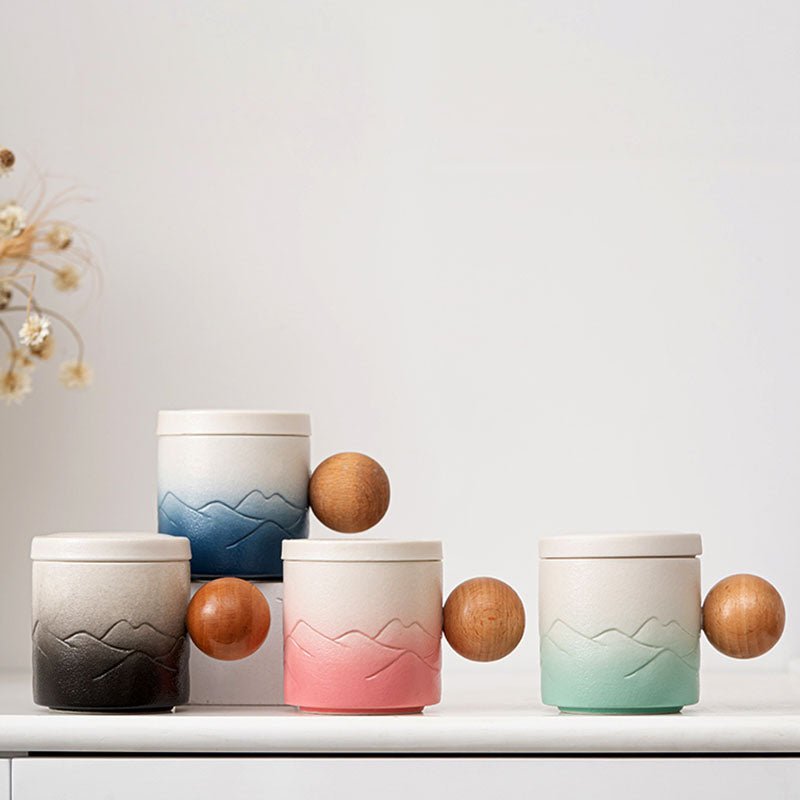
Personal Coffee Mugs: What to Choose for Daily Use and Gifting
Personal coffee mugs work best when the size, handle feel, and finish fit real daily habits. Here’s how we help shoppers compare options, avoid common mistakes, and pick a mug that feels personal w...
Read more
Leave a comment
This site is protected by hCaptcha and the hCaptcha Privacy Policy and Terms of Service apply.