
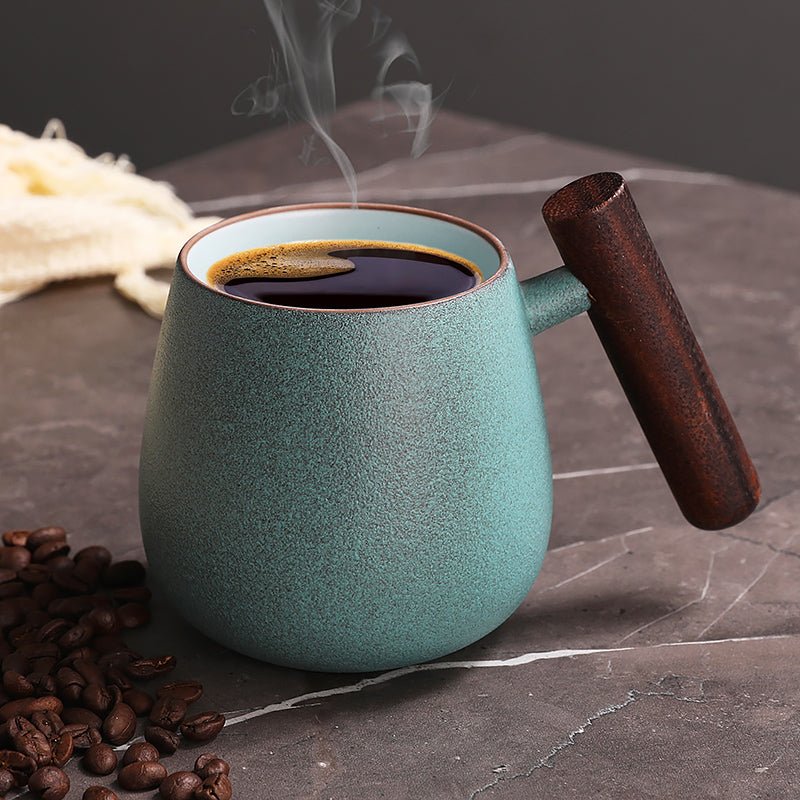
How Big Is a Typical Coffee Mug? Standard Sizes and Buying Tips
Reading time: about 10 minutes
A coffee mug that feels perfect at the sink can feel too small at the desk and too bulky in the dishwasher rack. That is usually where the real buying question starts: how big is a typical coffee mug, and which size actually works for everyday use?
In our store, we see shoppers compare mug sizes for three very different routines: a quick black coffee before work, a milky drink that needs more room, and a gift mug that should look substantial without becoming awkward to hold. The number on the label matters, but the shape, handle clearance, and wall thickness matter just as much.
If you want to browse sizes while you read, start with our all mugs collection or look at a single example like The Rock Coffee Tea Mug, which gives a good sense of how a larger everyday mug feels in hand.
How big is a typical coffee mug in ounces?
Most standard coffee mugs fall between 8 and 12 ounces. That is the range we would call the everyday baseline. An 8-ounce mug is on the smaller side for many home drinkers, while a 12-ounce mug is often the sweet spot for a full pour without feeling oversized.
Once you move beyond that, the mug starts shifting into large-mug territory. You will often see 14 to 16 ounces marketed as large, and some mugs go even bigger. Those sizes are useful if you want a long drink, plenty of room for milk or cream, or a mug that stays comfortable even after you add hot water and stir in cocoa or instant coffee.
Capacity is not the whole story. Two mugs can both be labeled 12 ounces and still feel very different because one is tall and narrow while the other is shorter with a wider bowl. That affects heat retention, how fast the coffee cools, and how stable the mug feels on a crowded desk.
What does a standard coffee mug usually look like?
A typical mug is usually a ceramic mug with a handle, built for hot drinks rather than transport. In practical terms, many standard mugs sit around 3.5 to 4.5 inches tall and have a body wide enough to let you drink without the rim feeling cramped. The handle should give your fingers enough clearance that you are not squeezing against the mug wall.
From the handling side, we pay attention to details shoppers often miss online:
- Handle clearance: a handle that is too tight against the body can be uncomfortable, especially if you have larger fingers or use the mug every morning.
- Rim thickness: a thinner rim usually feels more comfortable for drinking, while a very thick rim can make the mug seem heavier and less refined.
- Base diameter: a wider base is more stable on a desk or kitchen counter, while a narrow base may fit more easily into some cup holders or small shelves.
- Wall thickness: thicker ceramic often keeps drinks warm a bit longer, but it can also make the mug heavier in the hand.
These details matter because a mug is not just a container. It is something you pick up half asleep, carry across a kitchen, set on a work desk, and wash every day. That repeated use exposes weak spots fast.
Which mug size fits the way people actually drink coffee?
The best mug size depends on how you prepare coffee, not just how much coffee you want. Here is the way we usually help shoppers think through it:
- 8 ounces: best for smaller servings, espresso-based drinks with less milk, or people who prefer a quick pour and do not want coffee sitting around for long.
- 10 ounces: a balanced middle ground for drip coffee, tea, and smaller morning pours.
- 12 ounces: the most flexible everyday size for many households. It works for black coffee, a generous tea serving, or a drink with a bit of room left at the top.
- 14 to 16 ounces: better for large pours, lattes, or anyone who likes extra room for milk, foam, or toppings.
For shoppers comparing larger options, our guides on Big Coffee Cups: How to Choose the Right Large Mug for Daily Use and Big Coffee Mug Buyer's Guide: Size, Comfort, and Daily Use go deeper into comfort, capacity, and the trade-offs that come with bigger mugs.
We also see a common mismatch: people buy a large mug because they want fewer refills, then realize it does not fit under their coffee maker or feels too heavy when full. That is the kind of problem that only shows up after a few mornings of use.
What size is best for milk drinks, tea, and office coffee?
If you add milk, creamer, or foam, you usually want more room than you think. A mug that is technically large enough can still splash if the opening is narrow or the fill line sits too close to the rim. For lattes, chai, hot chocolate, and tea with honey or lemon, a 12- to 16-ounce mug usually gives a better everyday experience.
For office use, we tend to recommend a mug that is comfortable to grip with one hand and stable enough to sit beside a laptop. That usually means avoiding overly tall, top-heavy shapes. A slightly wider body with a solid base is often a better desk choice than a tall narrow mug, especially if the mug lives near papers, keyboards, or a mouse pad.
There is also a practical cleaning angle. A mug with a wider opening is easier to rinse out at the sink and easier to load into a dishwasher without catching on the rack. In our experience, that matters more than many shoppers expect after the first week of daily use.
How do mug materials change the way a mug feels?
Most everyday mugs are ceramic, usually stoneware or porcelain. Ceramic is the category we see most often because it balances heat retention, durability, and presentation. It also handles a wide range of drinks without picking up flavors the way some materials can.
Here are the main trade-offs we see in real use:
- Stoneware: feels solid and sturdy, often with a slightly heavier hand feel. Good for everyday kitchen use, but it can chip if knocked against a sink edge or stacked carelessly.
- Porcelain: usually lighter and finer at the rim. It looks clean and polished, but some people find it less substantial than stoneware.
- Glazed ceramic: easy to clean and common in retail mugs. A smooth glaze helps with stain resistance, though dark coffee and tea can still leave marks if the mug is not rinsed regularly.
We avoid promising that any mug is indestructible. Even well-made ceramic mugs can chip if they hit a hard counter, and glaze can show utensil marks over time. That is normal wear, not a defect, but it is part of owning a mug you use every day.
If you are comparing large mug styles, our article Big Coffee Cups: What to Check Before You Buy a Large Mug is a useful companion piece because it focuses on the details that separate a good shelf mug from a mug you will actually use.
What should you check before buying a mug online?
We look at a short checklist before we recommend any mug to a customer. It keeps the decision practical.
- Capacity: confirm ounces, not just the marketing name.
- Dimensions: check height and diameter if you need it to fit under a brewer or inside a cabinet.
- Handle size: make sure it looks easy to grip, especially if you use the mug several times a day.
- Care instructions: confirm whether it is dishwasher-safe, microwave-safe, or hand-wash only.
- Finish: look for a smooth, even glaze with no rough spots around the rim or handle join.
For shoppers who want to compare a few styles at once, our all mugs collection is the quickest place to scan sizes and shapes side by side. That is usually faster than trying to judge comfort from a single product page.
One thing we do not recommend is buying a mug purely because it looks big in photos. Some oversized mugs are awkwardly deep, which makes them hard to clean and less pleasant to drink from. A better large mug has room without becoming a bowl with a handle.
How do you measure a mug at home?
If you already own a mug and want to compare it to a product listing, there are two measurements that help most: height and usable capacity. Fill the mug with water, then pour that water into a measuring cup to see how much it actually holds. That is more useful than guessing from appearance.
We also suggest checking the opening width. A wide mouth often makes the mug feel more open and easier to clean, while a narrower opening keeps the heat in a little longer. Neither is universally better. It depends on whether you value faster sipping or a slower drink that stays warm.
In practical terms, a mug that feels good at home may still be the wrong choice for the office, a gift box, or a kitchen with limited cabinet height. That is why we always tell shoppers to measure their actual use case, not just the mug.
Frequently asked questions
Is a 12-ounce coffee mug considered standard?
Yes, 12 ounces is a very common everyday size and is often the most versatile for home use. It gives enough room for a normal pour without pushing the coffee right up to the rim. For many shoppers, it is the safest middle-ground choice.
Is an 8-ounce mug too small for daily coffee?
Not if you prefer smaller servings or mostly drink espresso-based drinks. It can feel small for drip coffee, especially if you add milk or want a larger morning pour. If you dislike refilling, a 10- or 12-ounce mug is usually a better fit.
What mug size is best for lattes and cappuccinos?
A 12- to 16-ounce mug usually works better because milk drinks need extra room for foam and mixing. A smaller mug can overflow too easily or feel cramped once you add milk. If you drink mostly milk-based coffee, look for a wider opening rather than just a bigger number.
How do I know if a mug will fit under my coffee machine?
Check the mug height against the space under the brew head, then leave some margin for your hand. Many standard mugs fit more easily than oversized ones, but tall large mugs can be a problem. If the product page lists dimensions, use those instead of judging by capacity alone.
Are larger mugs better for everyday use?
Only if you actually drink enough to use the extra space. Larger mugs are useful for milk drinks and longer coffee sessions, but they can be heavy when full and may take longer to cool or fit awkwardly in some cabinets. For many people, a 12-ounce mug is easier to live with than a very large one.
What should you choose if you want one mug that covers most situations?
If you want one mug to handle coffee, tea, and the occasional hot chocolate, we would start at 12 ounces. That size usually gives enough flexibility without becoming bulky. If you know you like bigger pours or milk-heavy drinks, move up to 14 or 16 ounces. If you prefer short, concentrated servings, stay closer to 8 or 10 ounces.
Our advice is simple: do not buy the biggest mug just because it sounds practical. Pick the size that fits your routine, your cupboard space, and your hand. If you want to compare options directly, start with The Rock Coffee Tea Mug, then browse the rest of our collection to compare capacities, shapes, and handle styles side by side.
If you are still deciding, use this quick check before you buy: daily drink size, cabinet height, dishwasher space, and how the handle feels when the mug is full. That will get you to a better choice than the number alone.
Read more
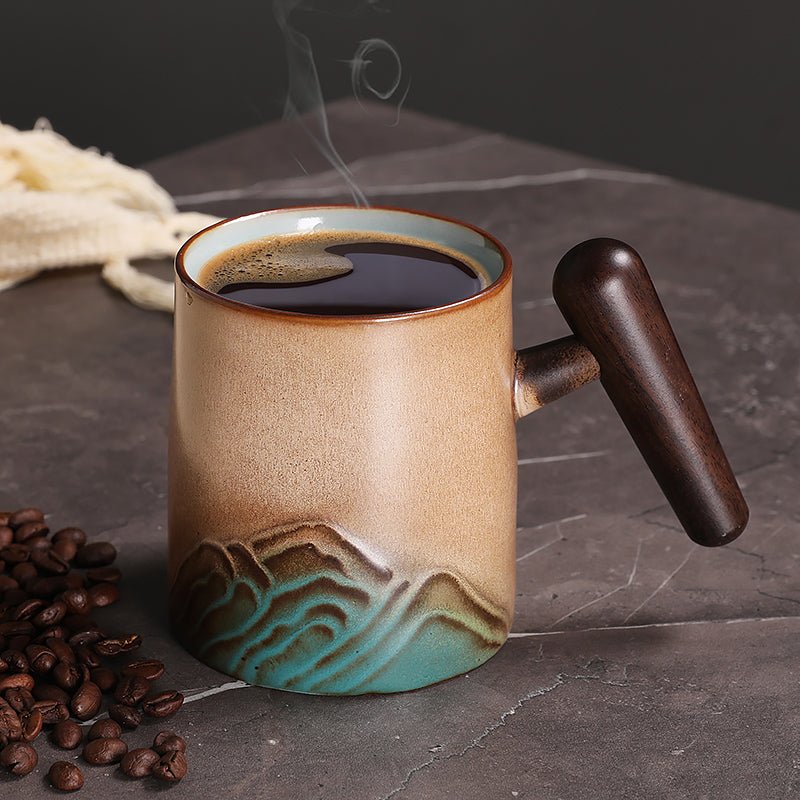
How Big Is a Typical Coffee Mug? Sizes, Use Cases, and Best Fits
A typical coffee mug usually holds 8 to 12 ounces, but the right size depends on how you drink, how much milk or foam you add, and how the mug feels in hand. This guide breaks down real-world mug s...
Read more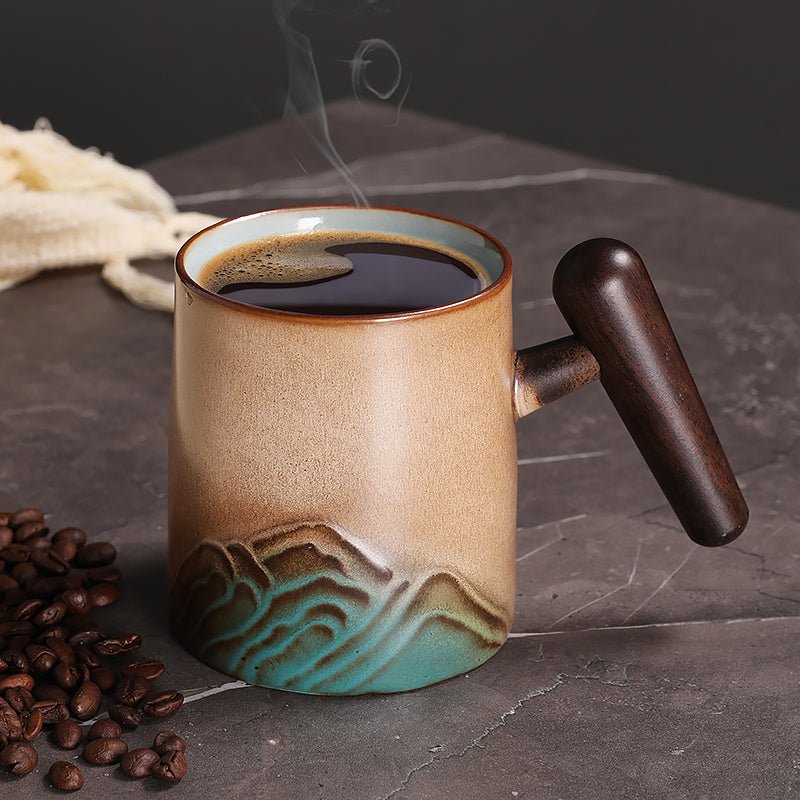
Large Coffee Mugs 24 oz: How to Choose the Right One for Daily Use
A practical guide to large coffee mugs 24 oz, including what actually fits in one, how they feel in daily use, and which styles make sense for home, office, or gifting.
Read more
Leave a comment
This site is protected by hCaptcha and the hCaptcha Privacy Policy and Terms of Service apply.