
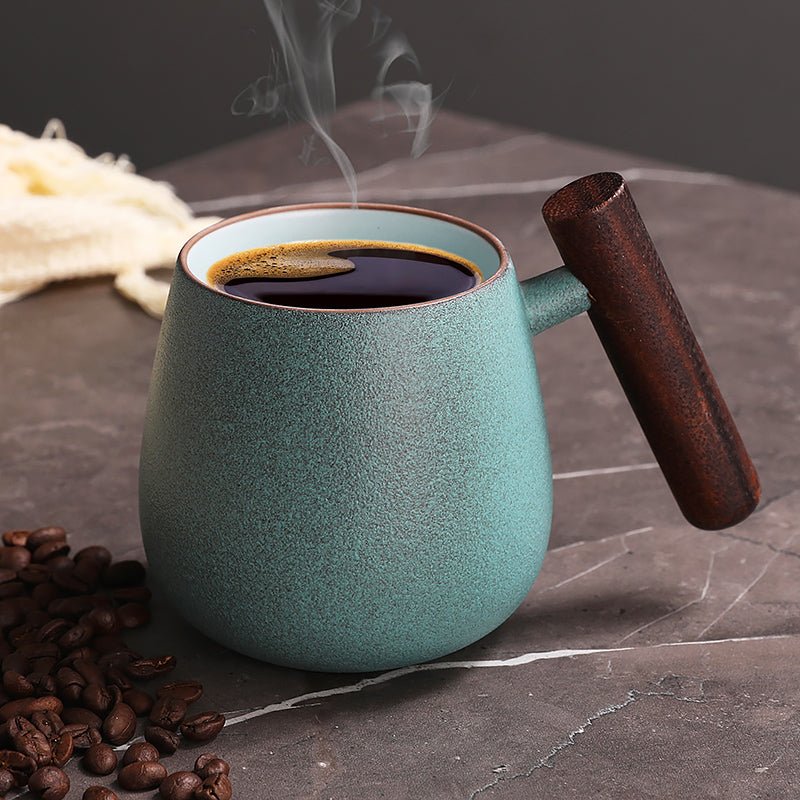
How Big Is a Regular Coffee Mug? Standard Sizes Explained
Reading time: about 9 minutes
A mug on a desk looks simple until you actually try to buy one. One listing says 10 ounces, another says 12, and a cup that looks normal in photos can arrive much wider, much taller, or too small for the coffee you actually drink.
If you are trying to figure out how big is a regular coffee mug, the short answer is this: most regular mugs fall around 8 to 12 ounces, with many common everyday mugs landing near 10 ounces. In our store, we see shoppers use that range as the baseline before they decide if they want a compact cup, a true everyday mug, or something larger for long mornings.
There is no single universal standard, though. Mug shape changes the experience a lot. A short, wide 10-ounce mug feels different from a tall, narrow 10-ounce mug, and a handle that fits three fingers comfortably can make the mug feel more usable than the number printed in the product details.
What size is a regular coffee mug?
A regular coffee mug is usually the size people reach for without thinking: enough room for a standard pour of coffee, tea, or hot chocolate, but not so large that it feels like a bowl. For most shoppers, that means:
- 8 ounces: compact and familiar, often closer to a teacup-style serving.
- 10 ounces: a very common everyday mug size.
- 12 ounces: still regular-sized for many buyers, especially for drip coffee.
That range matters because capacity and drink volume are not always the same thing. A mug sold as 12 ounces may only hold 10 ounces comfortably if the walls taper inward or the rim curves. A realistic fill line is usually below the brim, especially if you do not want coffee sloshing over the edge on the way from the kitchen to the office desk.
If you want to compare everyday options before buying, our full mug collection is the easiest place to start. You can scan sizes side by side instead of guessing from product photos alone.
How do mug dimensions affect the way it feels in hand?
Capacity is only part of the story. A mug can hold the same amount of coffee and still feel very different depending on diameter, height, and handle shape. We handle these details every day because they determine whether a mug feels balanced on a kitchen counter or awkward on a crowded office desk.
Three practical details matter most:
- Height: Taller mugs usually fit better under a drip coffee machine, but they can feel less stable if the base is narrow.
- Rim width: A wider mug cools slightly faster and can be easier to sip from, but it may take up more dishwasher rack space.
- Handle clearance: If the handle opening is too tight, larger fingers or a gloved hand can make the mug annoying to use.
In real use, this is where a regular mug can be better than a larger one. A 10-ounce mug is easier to carry from the counter to the sofa, fits more easily into a dishwasher, and often leaves enough room in a crowded cabinet. A huge mug is not always the better mug. For some buyers, it is simply extra ceramic to wash and store.
What does a regular mug hold in real life?
Shoppers usually buy mugs for a drink, not a measurement. That is why the practical question is not just how many ounces fit, but what you can actually pour into the mug and still use comfortably.
Here is a useful way to think about it:
| Mug size | Typical use | What it feels like |
|---|---|---|
| 8 oz | Espresso drinks, tea, smaller servings | Compact and controlled |
| 10 oz | Standard coffee, office use | Most like a classic everyday mug |
| 12 oz | Larger drip coffee, longer sipping sessions | Still regular, but noticeably fuller |
| 14 oz and up | Large coffee or soup-style use | Better if you want more volume, not a compact mug |
If your idea of a regular mug is the one you finish before a meeting starts, 10 ounces is often the sweet spot. If you pour coffee and then top it off with milk or foam, 12 ounces gives you more room without moving into oversized territory.
For shoppers comparing larger everyday options, we also cover the trade-offs in Big Coffee Mugs: How to Choose the Right Large Mug for Daily Use. That guide is useful if you are deciding between a regular mug and a bigger one for your morning routine.
When is a regular mug better than a large mug?
A regular mug is the better choice when you want convenience and balance, not maximum volume. That sounds obvious, but it matters once the mug is in daily use.
We usually see regular mugs work best for:
- Desk coffee where you do not want a heavy cup sitting next to a keyboard.
- Gift buying where the recipient may prefer a classic shape over an oversized mug.
- Smaller kitchens where cabinet height and dishwasher space are limited.
- People who drink coffee in two pours instead of one very large serving.
A regular mug is not the best option if you routinely make very large lattes, use a lot of milk, or want a single vessel that can carry a long drink without refilling. In those cases, a large mug is more practical. If that sounds closer to your routine, our article Big Coffee Cups: How to Choose the Right Large Mug for Daily Use goes deeper into comfort, capacity, and daily handling.
Another useful comparison is Big Coffee Cups: What to Check Before You Buy a Large Mug, which focuses on fit, grip, and how large mugs behave after real use.
What materials and construction details should you check?
Size is only useful if the mug is built well enough to handle regular washing and daily handling. In practice, we look at the same few details over and over because they affect how long a mug stays pleasant to use.
- Ceramic thickness: A mug with thin walls can feel lighter, but it may also cool faster and chip more easily on an edge.
- Glaze finish: A smooth glaze is easier to clean after coffee or tea stains. Rough or overly textured glaze can hold onto marks.
- Handle join: The point where the handle meets the body should look clean and even. Uneven joins are where stress and cracks often show first.
- Bottom stability: A flat, stable base matters more than people expect, especially on office desks and counters with minor unevenness.
Care also matters. Most shoppers want a mug they can rinse, wash, and put back into circulation without thinking too much about it. Dishwasher-safe construction is useful, but it does not guarantee a mug will stay perfect forever. Repeated high-heat cycles can still fade decoration or reveal weak spots in a glazed surface, especially around the rim and handle.
If you want one example of a mug designed for everyday handling, take a look at The Rock Coffee Tea Mug. It is a practical reference point if you are comparing a standard everyday mug against something heavier or more substantial in hand.
What are the most common sizing mistakes shoppers make?
The biggest mistake is buying by image instead of by measurement. A mug photo on a white background can make an 8-ounce cup look almost identical to a 14-ounce one. Once it reaches a real kitchen shelf, the difference is obvious.
These are the mistakes we see most often:
- Assuming all mugs labeled regular are the same. They are not. One brand’s regular mug may be 8 ounces and another’s 12.
- Ignoring the usable fill level. A mug that holds 12 ounces to the brim may be more realistically used at 10 or 11 ounces.
- Forgetting storage space. A mug that looks fine in hand may still be too tall for a cabinet shelf or too wide for a dishwasher rack.
- Choosing the largest option by default. Bigger is not always better if the mug becomes too heavy when full.
That last point is worth taking seriously. A larger mug can be useful, but it is not ideal for everyone. If the mug stays at your desk, a lighter regular mug can be easier to live with all day. If it is for soup, long tea sessions, or very large coffee pours, a larger size may be the right call.
How should you measure a mug before you buy?
If you want to avoid returns, measure for the real place the mug will live. That is how we think about it in our store, because a mug that looks fine online can still miss the mark once it is in a real kitchen.
Use this quick check:
- Measure cabinet clearance from shelf to shelf if you plan to stack or line up mugs.
- Check dishwasher space if you already know your rack runs tight.
- Think about your pour and whether you want room for milk, cream, or foam.
- Compare handle size to how you actually hold a mug, not just how it looks in the photo.
That approach is better than chasing an exact ounce number. A well-shaped 10-ounce mug can be a better everyday choice than a clumsy 12-ounce mug. The goal is not to maximize volume. The goal is to pick a mug that feels right every morning and still makes sense after repeated dishwasher cycles.
Frequently asked questions
How big is a regular coffee mug in ounces?
Most regular coffee mugs are around 8 to 12 ounces. Ten ounces is a very common everyday size, but many shoppers also treat 12 ounces as regular if they drink a fuller pour.
Is a 12 oz mug considered a standard mug?
Yes, 12 ounces is often considered a standard everyday mug size, especially for drip coffee. It is still close enough to the regular range that most buyers would not think of it as oversized.
What size mug is best for daily coffee at a desk?
A 10-ounce mug is often the easiest desk choice because it is compact, easy to lift, and less likely to crowd a keyboard or notebook. If you like larger drinks, 12 ounces is the next step up without moving into oversized territory.
Why does a mug look smaller online than it is in real life?
Product photos often flatten depth and make mugs look more compact than they are. That is why we recommend checking both ounce capacity and physical dimensions before you buy.
Should I buy a regular mug or a large mug?
Choose a regular mug if you want balance, easier storage, and a classic everyday feel. Choose a large mug if you routinely pour bigger drinks, want extra room for milk, or prefer fewer refills during the day.
If you are still deciding, start with the regular-size baseline, then compare it against a larger option in our full mug collection. If you want a mug that stays practical on a counter, in a dishwasher, and at a desk, that side-by-side comparison is the fastest way to make a clean choice.
Read more
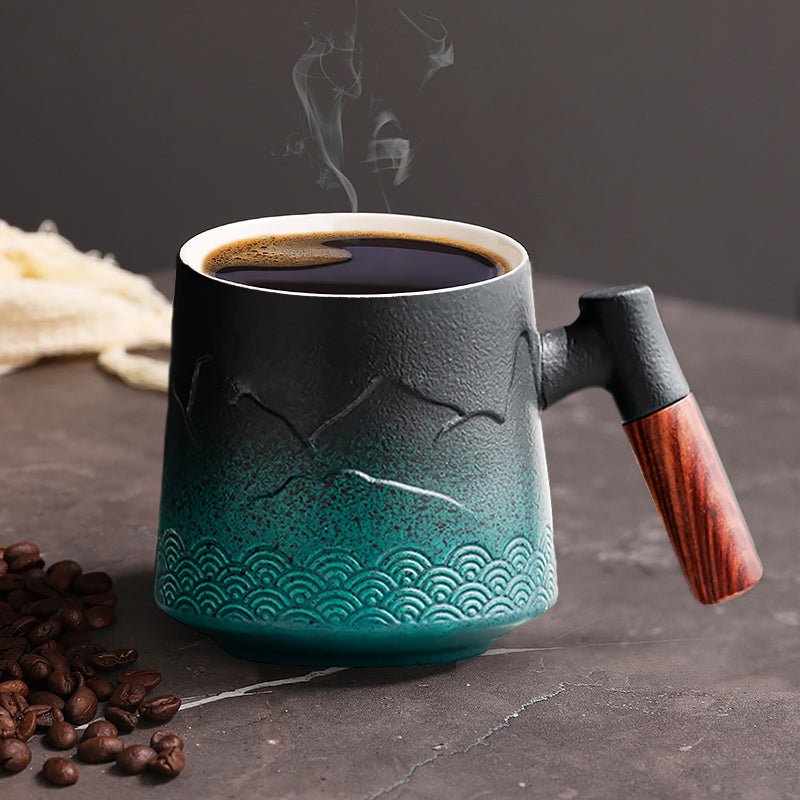
Coffee Mugs With Photos: What to Check Before You Buy
Photo mugs look simple on a product page, but the real difference shows up in print sharpness, mug size, and how the glaze holds up after daily washing. Here is how we help shoppers choose a mug th...
Read more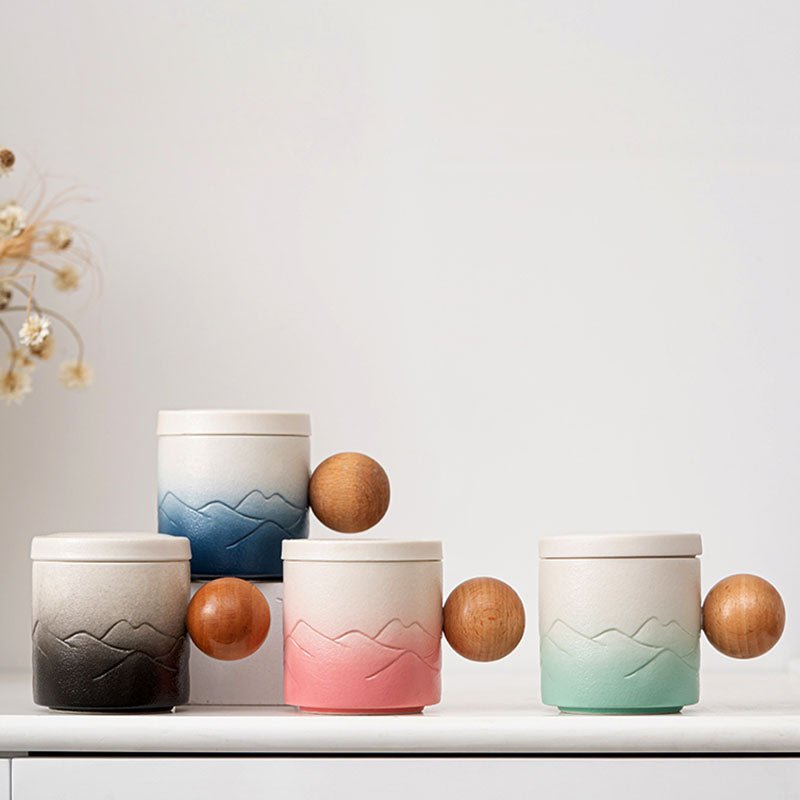
Chicago Cubs Coffee Mug Buying Guide for Size, Shape, and Gifts
A Chicago Cubs coffee mug should fit your morning routine, sit well on a desk, and hold up to regular use without feeling awkward. This guide compares size, shape, care, and gift fit so you can cho...
Read more
Leave a comment
This site is protected by hCaptcha and the hCaptcha Privacy Policy and Terms of Service apply.