
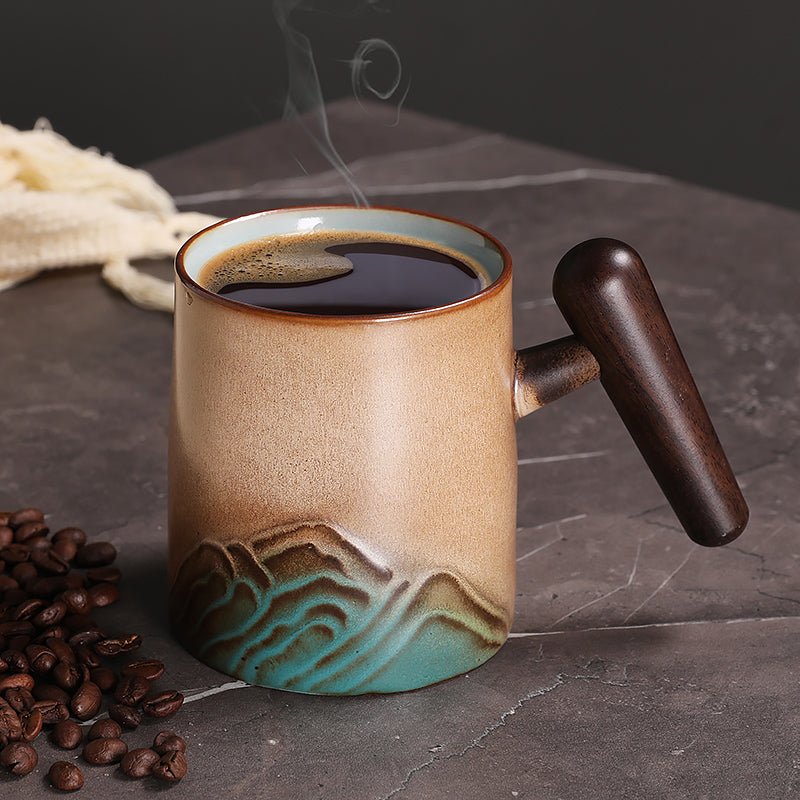
Happy Mug Coffee: What to Check Before You Buy
Reading time: about 9 minutes
A mug can look cheerful in a product photo and still feel wrong at 7 a.m. if the handle pinches, the rim feels too thick, or the cup holds less coffee than you actually drink. That is the difference we focus on when people search for happy mug coffee: not just a cute look, but a mug that earns its spot on the counter.
At CoffeifyMug, we handle this category as a daily-use product, not a novelty shelf item. That means we care about the things buyers notice after the first wash, the first hot pour, and the first time they carry it from kitchen to desk. If you want to browse our current mugs first, start with our products or the broader collection.
What does a happy mug coffee buyer usually want?
Most shoppers who type happy mug coffee are not shopping for a technical spec sheet. They want a mug that makes the coffee routine feel better. Usually that means one of three things: a mug that looks uplifting on the table, a mug that feels comfortable in the hand, or a mug that is easy to gift without second-guessing.
In our experience, the best pick depends on where the mug will live most of the time. A kitchen mug can be a little heavier and more substantial. An office mug should be easy to grip and stable on a desk. A gift mug needs a design that reads quickly when the box is opened, because the first impression matters.
- For daily home use: prioritize balance, handle comfort, and dishwasher-friendly care.
- For office use: look for a stable base and a shape that fits under a machine or around a keyboard.
- For gifting: choose a design that feels cheerful without being so specific that it misses the recipient.
Which mug material makes the most sense for everyday coffee?
Material changes the whole experience. A mug can be visually happy but still disappointing if it gets too hot to hold or shows wear too quickly. If you are comparing options in a category like ours, these are the practical trade-offs we look at first.
| Material | What it feels like | Best for | Trade-off |
|---|---|---|---|
| Ceramic | Solid, familiar, comfortable | Daily coffee, gifting, desk use | Can chip if knocked against sinks or other mugs |
| Stoneware | Heavier, more substantial | People who like a sturdy hand-feel | Weight can be a downside for smaller hands |
| Glass | Light, visually clean | People who want to see the drink | Usually less forgiving for heat retention and handling |
| Stainless travel mug | Functional and insulated | Commutes and long workdays | Less of a classic mug feel; not ideal if you want a relaxed kitchen-table cup |
If you want a true coffee mug, ceramic is still the most common sweet spot. It has the right balance of feel, weight, and presentation. That said, if the mug will travel, a travel tumbler is the better tool. We covered that distinction more directly in Best Travel Coffee Mug: What to Check Before You Buy.
How do size and shape change the drinking experience?
Size is one of the most overlooked details in mug shopping. A smaller mug can keep coffee feeling fresh if you drink it quickly. A larger mug works better if you pour a second cup slowly while answering email. But bigger is not always better. A very large mug can feel bulky, cool too fast if left half-full, and crowd a dishwasher rack.
We usually advise shoppers to think in practical volume ranges rather than just visual appeal. A mug around 11 oz tends to feel standard and manageable. A mug around 15 oz is better for longer sipping sessions or people who add milk. Very large mugs make sense for those who want one vessel for coffee, tea, or even soup, but they are not ideal if you prefer a compact feel.
Shape matters as much as volume. A narrow opening can help hold heat a little longer. A wide mouth can cool faster, but it is easier to drink from and easier to rinse. A handle should leave enough clearance for at least a few fingers without forcing your knuckles against the mug body.
What handle and rim details should you check?
We look at three small things before recommending a mug: the handle opening, the rim thickness, and the base stability. A handle that is too tight becomes annoying fast, especially with larger mugs. A rim that is overly thick can feel clumsy. A base that is too narrow can make a mug feel top-heavy on a crowded desk.
- Handle clearance: enough space for a comfortable two- or three-finger grip.
- Rim feel: smooth and even, without a sharp lip or uneven glaze line.
- Base: wide enough to sit securely on a table, tray, or office desk.
If you want a more general breakdown of what makes a mug good to drink from every day, our Best Mug to Drink Coffee: What Actually Works Every Day guide goes deeper on comfort and handling.
What makes a mug feel happy instead of just decorative?
There is a big difference between a mug that photographs well and one that makes the whole coffee ritual feel better. A happy mug coffee choice usually does a few things at once: it brings a visual lift, it feels easy to reach for, and it does not create extra work after use.
In our store, the mugs that get the best real-world feedback tend to have clean artwork, readable color, and a finish that still looks good after repeated washing. Bright designs can be great, but only if the print or glaze stays clear after routine dishwasher cycles. That is where cheap novelty mugs often fall apart. The art fades, the edges get rough, or the cup starts looking tired long before the owner wants to replace it.
We see the same pattern again and again: buyers are happiest when the mug is easy to live with, not just easy to like in a photo.
A cheerful mug can also be a good desk object. If it sits beside a laptop, a notebook, and a half-finished croissant, it should still look intentional. That is why we prefer straightforward designs over cluttered graphics. They age better and tend to fit more kitchens, offices, and gift recipients.
Which care and durability details matter before you buy?
Care instructions tell you a lot about how the mug will hold up. If a mug is advertised for daily use, we want to know whether the print is dishwasher-safe, whether the finish is prone to staining, and whether the rim or handle looks likely to chip if stacked too tightly.
For ceramic mugs, the most common real-world wear points are the handle joint, the rim, and the bottom edge where the mug sits against a shelf or rack. On the user side, the common complaint is usually not a catastrophic failure. It is something smaller: a mug that feels awkward in the hand, a glaze line that distracts you, or a design that looks faded after repeated cycles.
We recommend checking these details before buying:
- Dishwasher care: if the mug is meant for regular use, confirm the print or finish is meant for washing, not hand-washing only.
- Microwave fit: make sure there are no metallic accents or decorative coatings that make the mug unsuitable for reheating.
- Stacking and storage: if your cabinet is crowded, avoid mugs with oversized handles or irregular shapes.
- Surface finish: smooth glazing is easier to clean and usually holds up better than highly textured areas.
If you are comparing materials and care in more detail, our Ceramic Coffee Mug Buying Guide: What to Check Before You Buy is the best next read.
Is a happy mug coffee pick a good gift?
Yes, but only if you think about the recipient's routine. A cheerful mug is one of the easiest gifts to give because it is practical, easy to wrap, and usually welcome. Still, it is not a universal gift. A person who drinks espresso from a small cup may not want a large mug. Someone who works from home may appreciate a sturdy ceramic mug more than a travel-style cup.
For gifting, we look for three things: a design that feels broadly appealing, a size that works for average coffee drinkers, and a shape that does not require explanation. The best gift mugs are easy to understand at a glance. They should feel personal without being niche.
Holiday buyers often ask if a cheerful mug can work as a seasonal gift. It can, as long as the design still feels useful after the season ends. If you are planning ahead for that kind of buy, our Christmas Coffee Mug Buying Guide: Materials, Sizes, and Gift Picks covers the parts that matter most for gifting.
What should you choose if you want a mug that works every day?
If the goal is a mug that keeps making sense after the novelty wears off, we would narrow the choice down like this:
- Choose ceramic if you want a balanced daily mug with a familiar coffee-shop feel.
- Choose a medium size if you want enough capacity without making the mug clunky.
- Choose a comfortable handle if the mug will stay on a desk or in the kitchen all morning.
- Choose simple care if you do not want a mug that needs babying.
That is why many shoppers end up comparing our mugs from the main collection before narrowing down the style that matches their kitchen, office, or gift list. The right choice is usually the one that looks good, washes easily, and feels right in the hand after the third or fourth use, not just on day one.
Frequently asked questions
What is a happy mug coffee mug supposed to be?
It usually means a mug that feels cheerful, practical, and easy to use for daily coffee. For most buyers, that means a mug with a friendly design, a comfortable handle, and a size that fits their routine.
Is ceramic the best material for a happy coffee mug?
For most home and office use, yes. Ceramic gives you a familiar feel, good presentation, and a wide range of designs. If you need insulation for commuting, a travel mug is the better pick.
What mug size should I buy for everyday coffee?
A standard-size mug is usually the safest choice if you are unsure. Medium mugs are easier to hold, easier to store, and less likely to feel oversized on a desk or in a dishwasher.
Are happy coffee mugs good gifts?
They can be, especially if the design is broadly appealing and the mug is practical enough for daily use. Avoid very niche artwork unless you know the recipient will like it.
What should I avoid if I want a mug that lasts?
Avoid mugs with awkward handles, unstable bases, or finishes that need special care for normal use. If the mug will be washed often, it should hold up to routine cleaning without looking worn out quickly.
If you are ready to compare styles, start with the mugs in our products and use this checklist: material, size, handle comfort, care, and whether the design still makes sense after the first week of use.
More from our blog
Read more
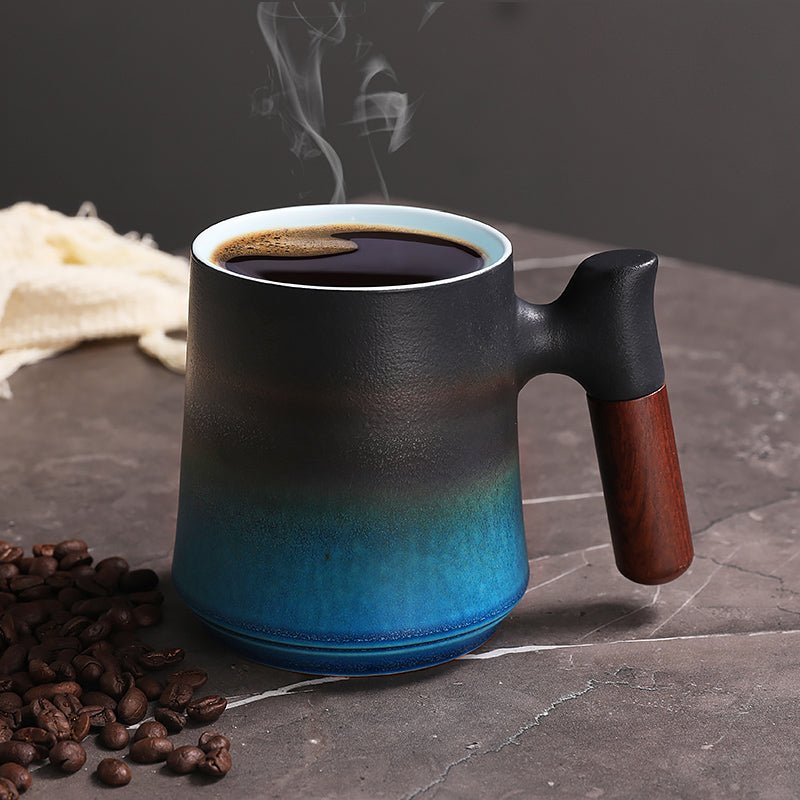
Best Mug to Drink Coffee: What Actually Works Every Day
The best coffee mug is the one that holds heat, feels stable in your hand, and survives real kitchen use. We break down materials, sizes, and trade-offs so you can choose with confidence.
Read more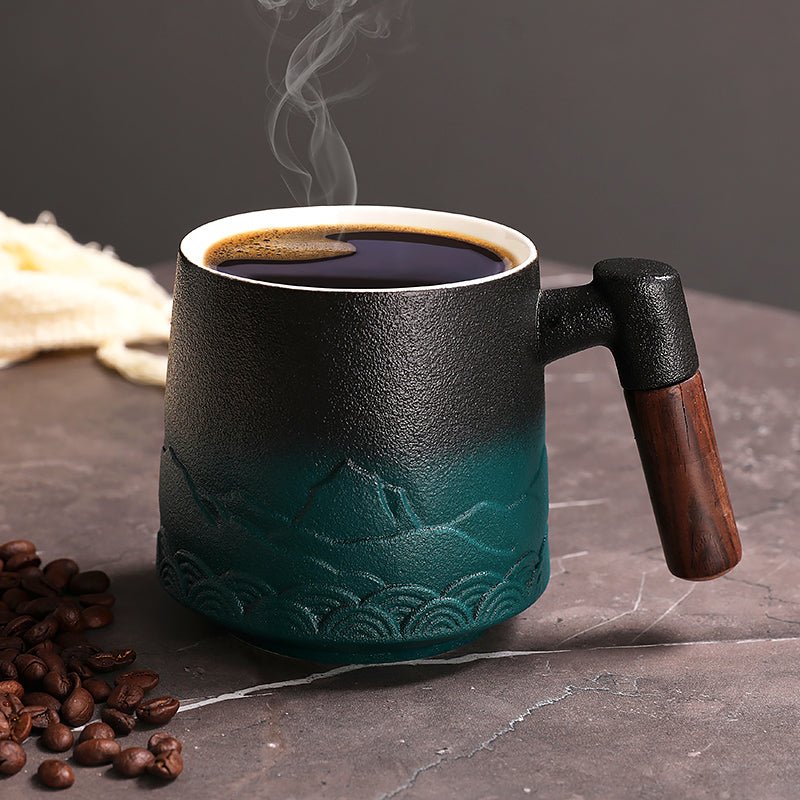
Thermos Coffee Mug Buying Guide: What to Check Before You Buy
A practical guide to choosing a thermos coffee mug for commuting, desk use, and long workdays. We cover the lid, size, materials, cleaning, and the trade-offs that matter before you buy.
Read more
Leave a comment
This site is protected by hCaptcha and the hCaptcha Privacy Policy and Terms of Service apply.