
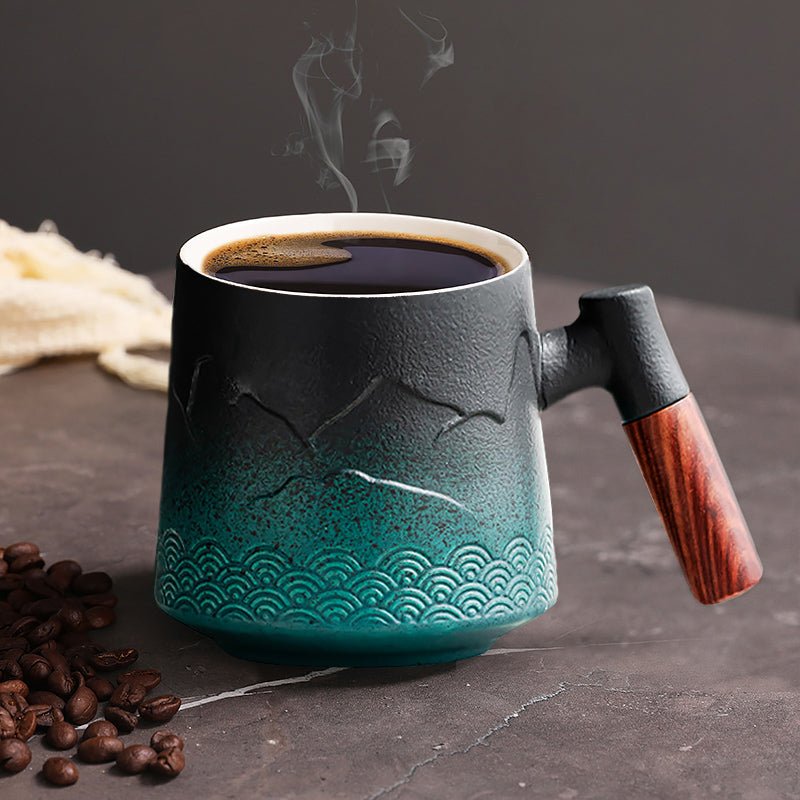
Handle Cup Buying Guide: How to Choose the Right One
Reading time: about 9 minutes
Why does a handle cup feel better in daily use than a plain cup?
A good handle changes the whole experience. A cup without one can be fine for a quick drink, but once the coffee is hot, the tea steams up, or you are moving between a kitchen counter and an office desk, the handle becomes the part you notice first.
In our store, we see buyers split into two groups: people who want a mug that feels secure in the hand, and people who want a cup that also looks good enough to leave out on the counter. A handle cup usually wins because it does both. It gives you a safer grip, less hand heat transfer, and a more comfortable hold when the cup is full.
The trade-off is simple. Handles add shape, which means some mugs are less stackable and can take up more cabinet space. If you want a travel mug for carrying in a bag or a fully insulated vessel for long commutes, a handle cup is usually not the best fit. For home, office, and gift use, though, it is one of the most practical styles to buy.
If you want to browse all of our current options first, start with our full collection. For a closer look at one of the most balanced options, the Mountain Sea II Coffee Tea Mug with Wooden Handle is a strong example of a cup that prioritizes grip and everyday display value.
Which handle style should you choose?
Not all handle cups feel the same in the hand. The handle shape, the thickness of the cup wall, and the balance of the mug all change how it behaves once it is filled.
| Handle style | Best for | Main trade-off |
|---|---|---|
| Wooden handle | Warm grip, giftable presentation, everyday kitchen use | Usually better with gentle care than rough handling |
| Ball handle | Distinct look, firm finger placement, buyers who want something different | Can feel less traditional than a standard loop handle |
| Compact sculpted handle | Desk use, lighter servings, people who prefer a smaller hold point | May feel cramped if you have larger hands |
The best choice depends on how you actually drink. If you wrap your whole hand around the handle, a standard loop or wooden-handle mug is usually the safest choice. If you hold your cup by the fingers and thumb only, a smaller or more sculpted handle can work better. If you are shopping for someone who cares about visual design as much as function, a handle cup with a distinctive form can feel more personal than a standard mug.
For a more specific look at a shaped handle style, the Ball Handled Coffee Tea Mug is worth comparing against the wooden-handle versions. The shape is different enough that the cup changes how you hold it, which matters more than most product photos make obvious.
What should you check before buying a handle cup?
We recommend looking at the cup the way you would use it on a real morning: one hand on the handle, the other opening a laptop, a spoon resting on the side, or the cup sitting beside a notebook on an office desk. That is where practical details show up.
- Handle clearance: Make sure your fingers can pass through the handle without squeezing. A handle that looks fine in photos can feel tight once the cup is filled.
- Balance when full: A cup that looks elegant empty may feel top-heavy with tea or coffee in it. Good balance matters more than decoration.
- Wall thickness: Thicker walls can hold heat differently and usually feel more substantial in the hand. Thinner walls can feel lighter but may cool faster.
- Surface finish: A smooth glaze is easier to wipe down after daily use. Textured or matte areas can look beautiful but may need a little more care around fingerprints and splash marks.
- Handle material: Wooden handles have a warmer feel, while ceramic or molded handles tend to feel more uniform and easy to clean.
One thing buyers often miss is how the handle changes the way the cup sits on the table. A wide handle may make the cup easier to lift, but it can also create a wider footprint in a crowded cabinet or on a small desk. That is not a flaw. It is just the trade-off you accept for comfort and grip.
If you want a broader buying framework before choosing a specific style, our Handle Cup Buying Guide: What Matters Before You Buy covers the basics in a more compact checklist format.
Is a wooden handle cup a good choice for everyday coffee and tea?
For many buyers, yes. A wooden-handle mug brings a warmer visual tone to the cup and often feels less harsh in the hand than a hard-edged, fully ceramic grip. It is especially appealing if the cup will live on a kitchen counter, beside a kettle, or on a work-from-home desk where appearance matters as much as function.
The Cloud Coffee Tea Mug with Wooden Handle is a good example of this style. It is the kind of cup that looks intentional in an open shelf setup, not just functional in a cupboard.
There are limits, though. A wooden handle is not the right pick for someone who wants a mug they can abuse without thinking. If you routinely toss cups into a sink full of dishes, leave them to soak, or prefer the convenience of a no-fuss dishwasher routine, wood needs more attention than plain ceramic. We prefer to treat wooden-handle pieces with a lighter hand unless the maker specifically states otherwise.
That does not make them fragile in the everyday sense. It means they reward basic care. Wipe them dry, avoid long soaking, and do not store them wet in a closed cabinet. That is the difference between a handle cup that stays attractive and one that starts looking tired too early.
When is a handle cup not the right pick?
A handle cup is not the best answer for every buyer. If your main priority is maximum heat retention during long commutes, a lid-based insulated tumbler may suit you better. If you want to pack a cup into a lunch bag or backpack pocket, the handle creates bulk that makes it less portable. And if cabinet space is tight, the handle can be the first thing that becomes annoying.
It is also not the best choice if you need a cup that can handle rough treatment in a commercial kitchen or shared office pantry. Handles can chip, crack, or loosen visually faster than a simple straight-sided cup if they are knocked against hard edges. That is not unique to this category; it is just the reality of buying a shaped cup with a protruding grip.
For buyers comparing cozy seasonal options, our article on Autumn Coffee Mugs: How to Choose the Right Cup for Cozy Season is useful if your goal is a mug that looks as good as it drinks. It is a good companion read if you are choosing a gift or trying to set a more deliberate kitchen mood.
What details matter most if you are buying a gift?
Gift buyers usually care about three things: how the mug looks unboxed, how it feels in hand, and whether it feels special rather than generic. A handle cup performs well here because the shape signals thoughtfulness. It feels more curated than a plain cup, especially when the handle has a recognizable design element like wood or an unusual curve.
Our team tends to think about giftability in practical terms:
- Does the mug look good from multiple angles, not just the front?
- Does the handle suggest comfort without looking oversized?
- Can the recipient use it at home, at work, or during quiet weekend mornings?
- Will it still look appealing after a month of regular use, not just on day one?
If you are trying to find a gift that is more specific than a standard mug, start by comparing the sculpted style in the Ball Handled Coffee Tea Mug with the softer profile of the wooden-handle designs. The choice changes the tone of the gift. One reads more playful and design-driven. The other reads warm and familiar.
For buyers who want broader size and use-case guidance before choosing, 700ml Cup Buying Guide for Daily Coffee, Tea, and Gifts is a useful companion article if capacity matters as much as style.
How should you care for a handle cup so it lasts?
Most handle cups fail in small ways first. A handle gets knocked, a finish starts dulling near the rim, or a wooden grip shows wear because it was left soaking too long. The good news is that these are usually preventable.
- Wash it soon after use so coffee oils and tea residue do not build up.
- Dry the handle area completely, especially on wood or mixed-material designs.
- Avoid sudden temperature shocks, such as pouring boiling liquid into a cold cup straight from a chilly cabinet.
- Do not stack heavy items inside or on top of it if the handle makes the cup sit unevenly.
- Inspect the handle connection every so often for hairline cracks or loosened surfaces.
A handle cup is meant to be used, not babied, but it does respond better to simple habits than a no-handle tumbler would. If a buyer wants zero maintenance, this is probably not the category to choose. If they want a cup that feels nicer than a plain utility mug and are willing to treat it accordingly, it is a better fit.
We often see the same pattern in our store: people buy a handle cup for its look, then keep using it because the grip is genuinely comfortable. That is usually the sign that the purchase was right.
Frequently asked questions
Is a handle cup better than a regular mug for hot drinks?
For many people, yes. A handle cup gives you a safer grip, which matters when the drink is very hot or when you are carrying it across a kitchen or office. The best version is one that balances comfort, heat control, and enough room for your hand.
Are wooden handle cups hard to care for?
They are not difficult, but they do need more attention than plain ceramic. Keep them dry, avoid long soaking, and treat them as a piece you wash and dry rather than leave sitting in water. If you want the lowest-maintenance option, a fully ceramic handle cup may suit you better.
What is the main drawback of a handle cup?
The biggest drawback is bulk. The handle takes up cabinet space and can make the cup less convenient to pack or stack. Some buyers also find that certain handle shapes feel great empty but awkward when the cup is full, so balance matters.
Can a handle cup work as a gift?
Yes, especially if you want something that feels more personal than a standard mug. A distinctive handle style or a warmer material like wood usually makes the gift feel more considered. It is a stronger choice than a plain cup when presentation matters.
Which handle cup should I start with if I am unsure?
Start with the style that matches your daily routine. If you want something easy to live with, a wooden-handle cup is a safe middle ground. If you want something visually distinctive, the ball-handled style is worth a closer look. The easiest next step is to compare those options in our full collection and choose the one that matches how you actually drink.
If you are narrowing it down now, use this simple check: choose the handle shape you can hold comfortably, pick the finish you will not mind cleaning every day, and compare the everyday options in our collection before you decide.
Read more
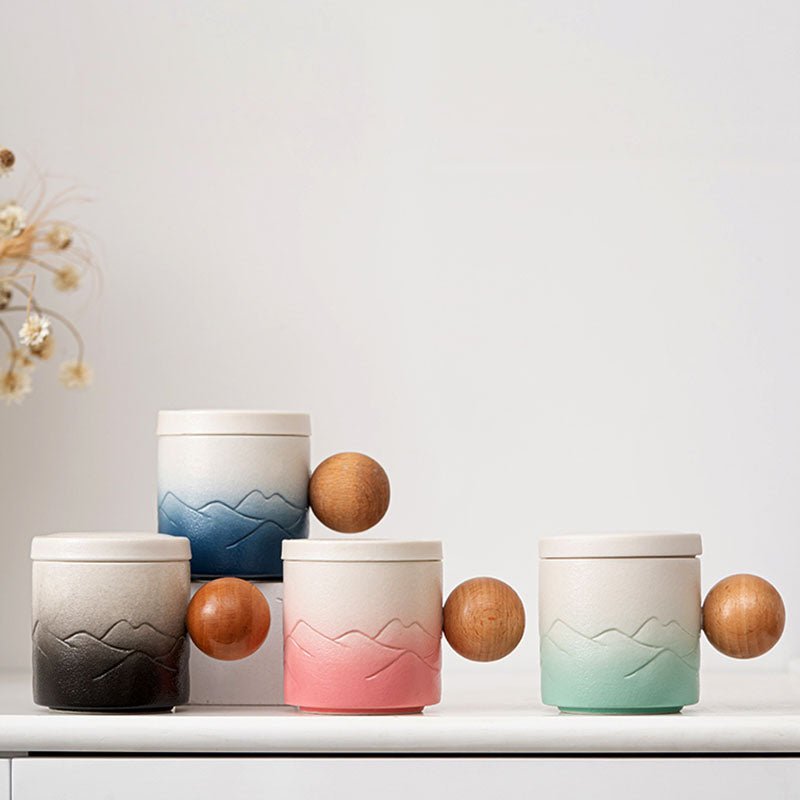
Best Mugs for Coffee: What to Buy for Daily Use, Gifts, and Desks
We break down the best mugs for coffee by shape, size, and real-world use, then compare our store picks for daily coffee, gifting, and desk setups.
Read more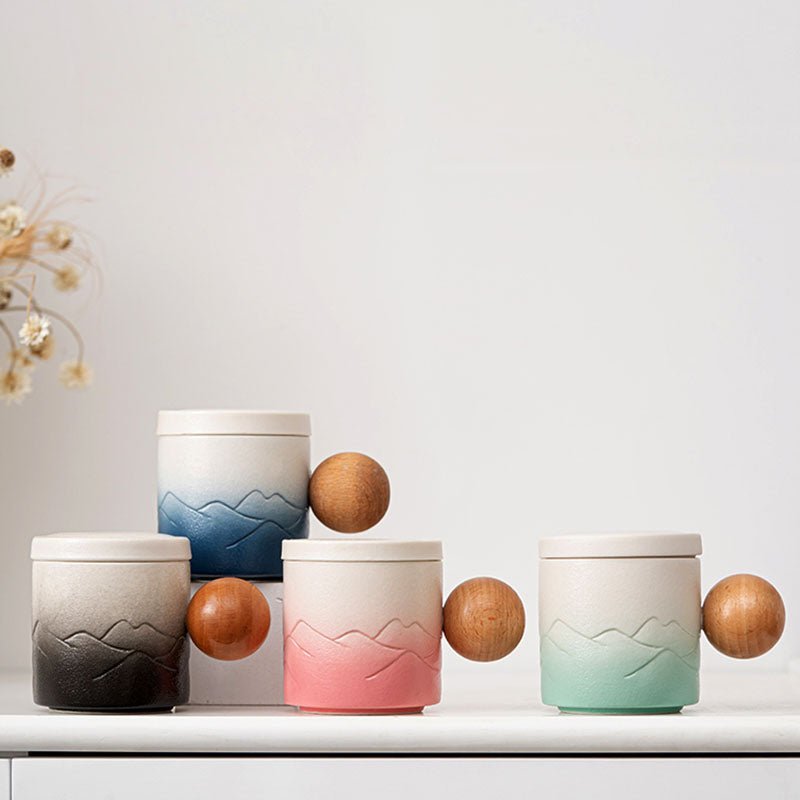
Giant Tea Mug Buying Guide for Size, Comfort, and Daily Use
A practical guide to choosing a giant tea mug that feels right in the hand, holds heat well, and still works on a desk, in a dishwasher, and as a gift.
Read more
Leave a comment
This site is protected by hCaptcha and the hCaptcha Privacy Policy and Terms of Service apply.