
Great Tea Mugs: How to Choose the Right One for Daily Use
Reading time: about 9 minutes
A mug can look right online and still feel wrong at the sink. Too narrow for a tea bag to move around. Too shallow for a proper pour. Too hot on the handle after a long steep. We see those problems all the time when shoppers compare great tea mugs for everyday use.
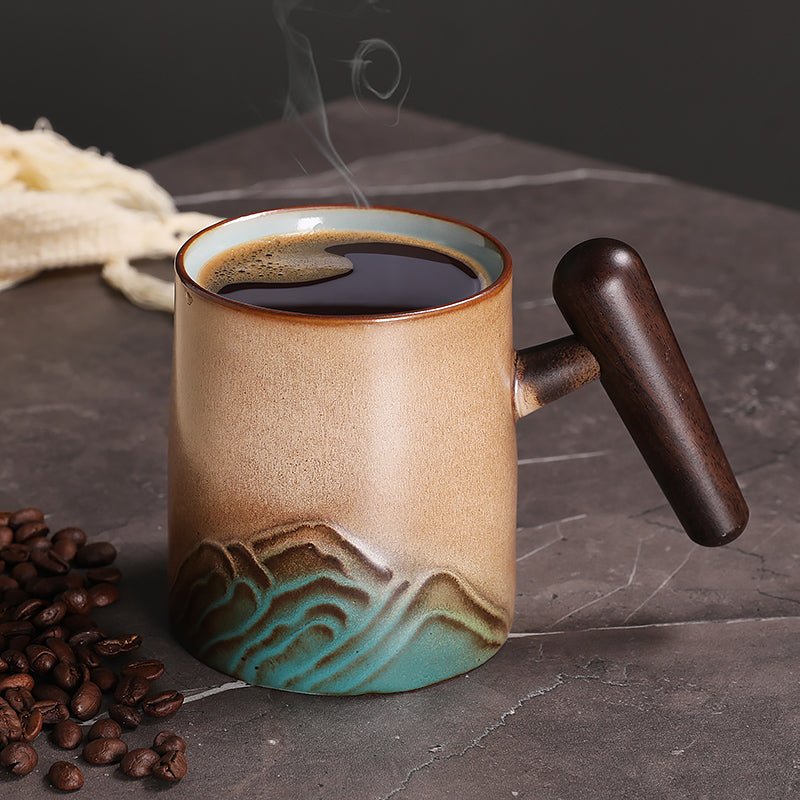
At CoffeifyMug, we think about tea mugs the way real people use them: on a kitchen counter before work, at an office desk during a long call, or after a gift unboxing when someone wants to know if the mug feels good in the hand. That is the difference between a mug that gets used and one that ends up at the back of the cabinet. If you want a quick starting point, our full collection shows the range we carry, and the Great Mountain Coffee Tea Mug is a good example of the kind of mug that can work across tea and coffee without feeling delicate or overly styled.
What makes a tea mug actually good for daily use?
A good tea mug does three things well: it holds heat long enough to finish the cup, it feels balanced in the hand, and it gives the tea enough room to open up. We pay attention to those details because they are the ones customers notice after a week of use, not after one photo.
Here is what we look for when we judge the category in our store:
- Capacity: around 12 to 16 oz works for most daily tea drinkers. Smaller mugs can feel cramped once you add milk or a tea bag.
- Wall thickness: a thicker ceramic wall usually keeps the cup warmer longer, but it can also make the mug feel heavier.
- Rim shape: a smoother, slightly rounded rim tends to feel better for tea than a sharp, thin edge.
- Handle clearance: if three or four fingers cannot fit comfortably, the mug may be annoying on busy mornings.
- Base stability: a flat, even base matters on office desks and crowded kitchen counters where wobble becomes a real problem.
Those points sound simple, but they are where many mugs fail. A mug can be attractive and still be awkward with loose tea leaves, too small for a larger pour, or hot enough at the handle that you end up gripping it differently each time.
Which material is best for tea mugs?
Material changes the feel of the mug more than most shoppers expect. It affects heat retention, weight, how easy the mug is to clean, and how the mug behaves after repeated dishwasher cycles.
| Material | What it does well | Where it falls short |
|---|---|---|
| Ceramic | Balanced heat retention, familiar feel, broad everyday use | Can chip if knocked against a sink or another mug |
| Porcelain | Refined look, lighter feel, often good for formal settings | Usually less forgiving if you want a heavier, sturdier mug |
| Stoneware | Solid feel, often holds heat well, good for casual kitchens | Can feel heavy for people who sip slowly or have smaller hands |
| Glass | Lets you see the color of the tea, useful for herbal and blooming teas | Does not hold heat as long and can feel fragile in daily handling |
If you want a simple, reliable mug for most tea routines, ceramic is usually the safest middle ground. That is why so many shoppers land there after reading our guides like Best Tea Mugs for Daily Use: Size, Shape, and Materials and Ceramic Mugs for Tea: How to Choose the Right Size, Shape, and Finish. It is not the only answer, though. If you want to watch the tea color change as it steeps, a clear mug is more satisfying. If you want an especially formal place setting, porcelain may fit better.
How big should a tea mug be?
Size is where buyers make the most avoidable mistake. A mug that is too small feels limiting. A mug that is too large can make a normal tea pour seem weak and can cool down faster if the cup is only half full.
For many people, the practical range is 12 to 16 oz. That size works for:
- One tea bag with room to steep.
- Loose-leaf tea brewed in a basket infuser.
- Tea with milk, honey, or lemon without crowding the cup.
- People who sometimes use the same mug for coffee.
There is a trade-off, though. Large mugs are better for long desk sessions or bigger pours, but they are not ideal if you like a small, concentrated cup or if you want tea to stay hot from the first sip to the last. We cover that decision in more depth in Big Mugs for Tea: How to Choose the Right Large Mug and Giant Tea Mugs: How to Choose the Right Large Mug.
If you usually drink tea in a quiet kitchen and finish it quickly, a medium mug is often the better call. If you nurse one cup over an hour at a desk, the bigger size makes more sense. We would not push a giant mug on someone who mostly drinks short, hot cups and wants the mug to feel light.
What shape feels best in the hand?
Shape changes comfort in a way that is easy to miss until you hold the mug for a few minutes. A straight-sided mug feels different from one with a rounded belly. A flared rim feels different from a narrow opening. The wrong shape can make a mug seem clumsy even if the print or glaze looks great.
Here is the practical version:
- Straight-sided mugs feel stable and simple. They are easy to stack visually and often suit buyers who want a clean, everyday look.
- Rounded mugs often feel warmer and more traditional. They can make a generous cup of tea feel more relaxed.
- Wider openings are helpful for tea bags, loose-leaf infusers, and spoon stirring.
- Narrower openings can hold heat a little better, but they are less convenient if you like to add milk or lemon.
In our experience, the best tea mugs do not try to be everything at once. If a mug is decorative first and practical second, it may look beautiful on a shelf but frustrate you on a weekday morning. That is the same reason we treat Big Tea Mugs: How to Choose the Right Large Mug for Daily Tea as a separate buying decision from standard mugs. The use case matters.
What details separate a useful mug from a frustrating one?
Some issues only show up after repeated use. Those are the details we check for because they turn into returns, complaints, or mugs that never leave the cupboard.
A few common problem areas:
- Chipped rims: usually a sign of rough handling, but sometimes the glaze or firing left a fragile edge.
- Uneven bases: these can wobble on a smooth counter and feel cheap immediately.
- Handle heat: a mug that transfers too much heat to the handle is annoying with black tea, herbal blends, or long steeps.
- Surface crazing: fine cracks in the glaze can appear after repeated washing on lower-quality pieces.
- Staining: some lighter glazes show tea marks faster, especially with strong black tea.
We also think about care. A tea mug that needs delicate hand washing every time is not the same product as one you can move through a normal dishwasher cycle after breakfast. If a mug is meant for daily use, it should be realistic about the way people actually clean dishes. That is one reason shoppers often start with a general category guide like Ceramic Mugs for Tea: What to Buy for Daily Brewing before narrowing to a specific design.
Is one mug good for both tea and coffee?
Sometimes yes, sometimes no. A shared mug makes sense if you want one dependable piece for the kitchen, the office, or a gift. It is less ideal if you are particular about tea temperature, tea aroma, or the way a mug influences the drinking experience.
A mug can work for both drinks if it has:
- A comfortable medium-to-large capacity.
- A handle that stays easy to hold when the mug is full.
- A shape that does not trap grounds, leaves, or residue in hard-to-reach corners.
- A finish that cleans well after milk-based drinks and strong teas.
The Great Mountain Coffee Tea Mug fits that kind of buyer profile: someone who wants a mug that does not feel overly specialized. It is a practical choice if you are buying one mug for a home office, a kitchen shelf, or a gift. It is not the right choice if you want a very small, formal tea cup or a delicate piece for ceremonial presentation.
If your main goal is everyday flexibility, start with the mug first and the ritual second. If your tea routine is more specific, use the product pages to compare shape and size more carefully, then go back to the broader collection once you know what matters most.
Who should choose a different style instead?
Not every tea drinker needs the same mug. A buyer who wants great tea mugs for daily use may still be better served by a different style depending on how they drink.
You may want a different mug if:
- You drink mostly small, concentrated servings and do not want extra volume.
- You prefer clear glass so you can watch herbal blends or blooming tea steep.
- You want a very light mug for small hands or limited grip strength.
- You need a formal table setting rather than a kitchen-counter mug.
- You hate waiting for a larger mug to cool before sipping.
That trade-off matters. Bigger is not automatically better. Heavier is not automatically better. A mug should fit the way you drink on a normal Tuesday, not just the way it looks in a product photo.
Frequently asked questions
What size is best for great tea mugs?
For most daily tea drinkers, 12 to 16 oz is the sweet spot. It gives enough room for a tea bag, loose-leaf infuser, milk, or lemon without making the cup feel oversized. If you usually drink small, hot cups, go smaller; if you sip slowly at a desk, go larger.
Are ceramic tea mugs better than glass mugs?
Ceramic mugs are usually better for everyday heat retention and a solid hand feel. Glass mugs are better if you want to see the tea color and steeping process. We usually recommend ceramic for most buyers, but glass makes more sense for people who care more about appearance during brewing than long heat retention.
Can one mug work for both tea and coffee?
Yes, if the shape and capacity are balanced. A mug with a comfortable handle, a medium-large bowl, and an easy-to-clean interior can handle both drinks well. If you are very specific about tea temperature or aroma, a dedicated tea mug may still be the better choice.
What should I avoid when buying a tea mug?
Avoid mugs with a flimsy handle, a wobbly base, or a rim that feels sharp on the lips. We also recommend being cautious with mugs that look beautiful but are hard to clean around the inside curve. Those small flaws matter after the first week of use.
Do large tea mugs make tea colder faster?
They can, especially if you only fill them halfway. More open surface area usually means faster cooling. If you like larger mugs, choose one you will fill close to its intended volume so the tea stays warmer longer.
If you want the quickest path to the right mug, compare capacity, handle comfort, and finish first, then check whether you want a dedicated tea piece or a shared coffee-and-tea mug. From there, browse our full collection or go straight to the Great Mountain Coffee Tea Mug if you want a practical place to start.
Read more
Mug Handle Guide: Grip, Material, and What to Check Before Buying
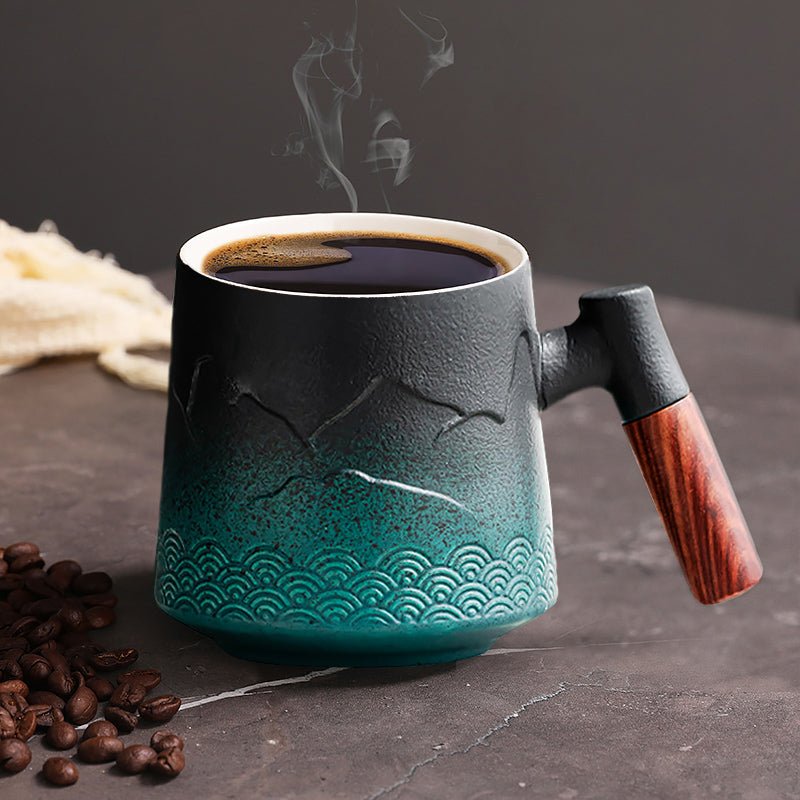
A mug handle changes grip, balance, and heat comfort more than most buyers expect. We break down handle shape, material, care, and fit so you can pick a mug that feels good in daily use.
Read more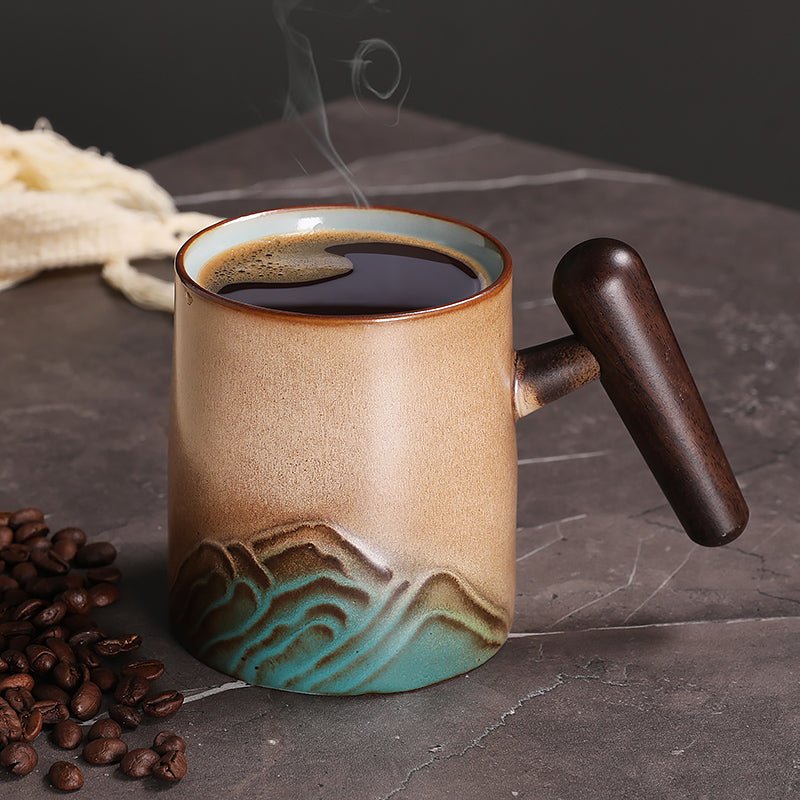
Coffee Large Cup Buying Guide for Daily Use and Bigger Pours
A practical guide to choosing a coffee large cup that actually fits your drink habits, desk setup, and cleaning routine. We compare size, shape, comfort, and a few mug styles we sell so you can pic...
Read more
Leave a comment
This site is protected by hCaptcha and the hCaptcha Privacy Policy and Terms of Service apply.