
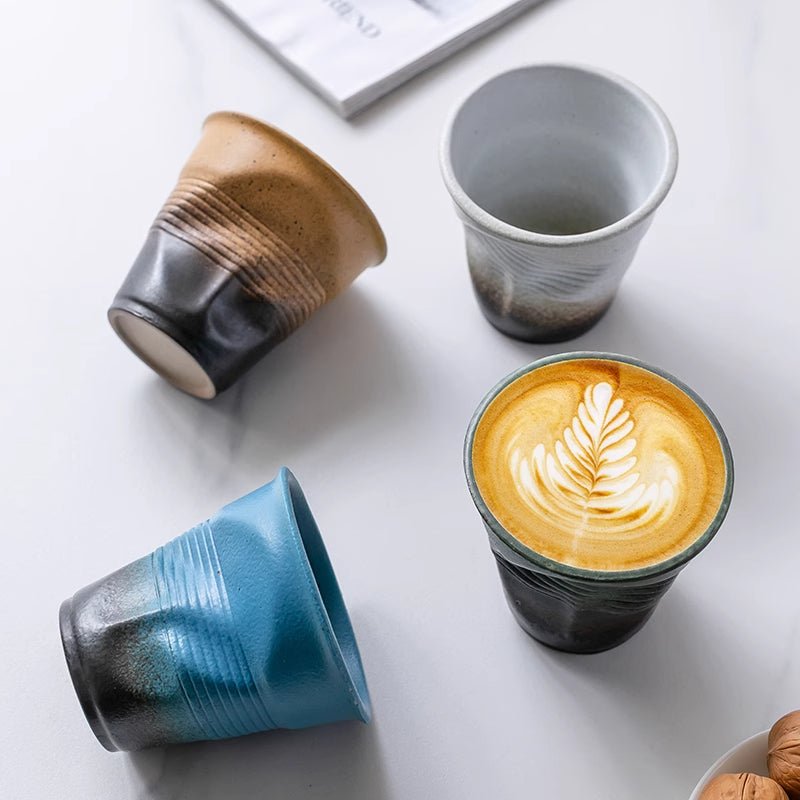
Fancy Tea Cups: How to Choose Stylish Pieces That Still Work
Reading time: about 9 minutes
A tea cup can look beautiful on a product page and still feel awkward in real life. We see that mismatch often: a cup that photographs well, but sits too narrow in the hand, tips easily on an office desk, or turns fussy after a few dishwasher cycles.
That is the real filter for fancy tea cups. The best ones have some presence on the table, but they also make sense when you are pouring a quick cup before work, hosting a friend, or wrapping a gift that should feel special without becoming delicate clutter.
In our store, we look at this category the way a buyer actually uses it: on a kitchen counter, in a break room, or after the box gets opened at a gift table. If you want a quick starting point, our full collection is the easiest place to compare shapes side by side, and the Planet Coffee Tea Mug is a good example of a more sculptural, conversation-starting style.
What actually makes fancy tea cups worth buying?
The cups that hold up best usually do three things well: they feel balanced in the hand, they pour or sip cleanly, and they fit the kind of tea routine you really keep. That sounds basic, but it separates a shelf piece from something you will reach for often.
We usually look for these details first:
- Wall thickness: thinner walls can feel more refined and help the drink cool a bit faster, while thicker walls feel sturdier and are less fussy for daily use.
- Rim shape: a smooth, even rim matters more than people expect. A slightly uneven or overly thick lip can change the first sip.
- Handle or grip: some fancy tea cups are handle-free, but if you drink hot tea often, a well-sized handle is easier for office use and repeated refills.
- Base stability: a wider, flatter base is less likely to wobble on a crowded counter or a wobbly cafe tray.
Fancy does not have to mean fragile. It also does not have to mean oversized. A cup that looks dramatic but is hard to store, hard to wash, or awkward to hold will usually end up as a display piece only.
If you are comparing giftable styles, our article on Fancy Cups: What to Buy for Daily Use, Gifting, and Display is a helpful companion read because it frames the trade-offs between presentation and practicality.
Which materials make the best fancy tea cups?
Material is where expectations and reality often split. A glossy finish can look expensive, but the underlying body of the cup determines how it behaves when filled with hot water, washed, and handled every day.
Here is the practical breakdown we use when helping customers compare options:
| Material | What it feels like | Best for | Trade-off |
|---|---|---|---|
| Ceramic | Solid, familiar, comfortable | Daily tea, gifting, mixed use | Can chip if knocked against a sink or shelf |
| Porcelain | Refined, lighter, often smoother at the rim | More formal tea service, display, special occasions | Can feel less forgiving than thicker ceramic |
| Glass | Modern and visually open | Loose-leaf tea, layered drinks, presentation | Shows water spots and can feel less insulating |
| Stoneware | Heavier and more grounded | Everyday use, larger pours, casual kitchens | Bulkier in small cabinets |
For fancy tea cups, ceramic and porcelain usually cover the widest range of buyers. Ceramic is the safer choice if you want something that can handle regular kitchen life. Porcelain tends to feel more refined at the table, but it is not automatically better unless you want that lighter, more formal feel.
Glass can be beautiful, but it is not the best pick if your main goal is a warm, cozy drink on a cold morning. It also tends to show residue and water spots faster, which matters if the cup is meant for guests or for a desk where people notice details.
If you like a more distinctive look, the Rhombus Coffee Tea Mug is the kind of piece that reads modern and graphic rather than traditional. That makes it a better fit for someone who wants a statement cup, not a vintage tea set look.
What shape and size feel best for real tea drinking?
Shape affects more than appearance. It changes temperature, aroma, hand feel, and how likely the cup is to feel stable when you set it down between sips.
We usually think about shape in terms of use cases:
- Smaller, narrower cups: better for delicate teas, slower drinking, and formal presentation.
- Wider cups: better for teas with added milk, herbal blends, or people who like the drink to cool faster.
- Handled cups: easier for hot drinks, office settings, and buyers who dislike wrapping both hands around the vessel.
- Sculptural cups: better for display, gifting, or a countertop that benefits from visual interest.
Size matters more than people expect. A cup that feels elegant at a small volume can become cumbersome if you want a proper tea refill. On the other hand, an oversized cup can throw off the proportions and make a refined table look more casual than intended.
If you are shopping for a larger format, our guide on Large Cups for Tea: How to Choose the Right Size and Shape goes deeper into what happens when capacity and aesthetics pull in different directions.
One design note from our own handling: the best fancy tea cups do not feel top-heavy. A long stem, a narrow base, or an overly decorative handle can look elegant in photos and still feel risky on a busy counter.
How do you tell if a fancy tea cup will hold up?
We check the same handful of things every time because these are the failure points that show up after the first few uses, not before purchase.
- Glaze consistency: look for even coverage without pinholes, rough patches, or streaking near the rim.
- Handle joins: the spot where a handle meets the body should look clean and finished, not lumpy or cracked.
- Rim finish: run a finger visually along product photos if possible; a smooth rim is a better sign of careful production.
- Base finish: an unfinished or overly rough base can scratch shelves and tabletops.
- Symmetry: slight asymmetry can be charming in handmade-looking pieces, but a cup that sits unevenly is a functional problem, not a style choice.
There are also care questions buyers should ask early. If you plan to use the cup daily, check whether the finish seems suited to dishwasher use, or whether the safer approach is hand washing. We do not recommend treating every decorative cup like a rough-duty kitchen mug. Some finishes, especially highly detailed or metallic-looking ones, are better for gentler cleaning and occasional use.
That trade-off is normal. A more ornate tea cup often asks for a little more care. If you want something that can live by the sink and survive a busy weekday routine, choose a simpler finish and fewer delicate accents.
Which fancy tea cups work best for gifts, desks, and display?
The right cup changes depending on where it will live. A gift box, a work desk, and a display cabinet all reward different design choices.
For gifting: choose a cup that looks complete on its own. A distinctive silhouette, an elegant color, or a shape that feels collectible helps the gift land well even if it is not paired with a full tea set. The Handbag Coffee Tea Mug is a good example of a piece with strong visual identity, which makes it easier to remember after the box is opened.
For office desks: favor stability and easy sipping. A handle, a balanced base, and a size that does not dominate the desk matter more than ornate detail. You want a cup that can sit beside a laptop and not create clutter.
For display: you can lean harder into sculptural forms, glossy finishes, or unusual silhouettes. That said, display-only pieces can disappoint if a buyer expects them to be practical for daily tea. We are direct about that: some fancy tea cups are best admired, not used every day.
If your buying intent is partly seasonal or gift-driven, the article Christmas Tea Cups for Gifts, Daily Use, and Holiday Tables also helps with presentation ideas that translate well beyond the holidays.
What should you avoid if you want style and function?
Some cups look expensive but fail the basic daily-use test. These are the common problem areas we watch for:
- Overly ornate details: raised decoration can trap residue and make cleaning annoying.
- Very narrow openings: they can be elegant, but they often make pouring, stirring, and washing harder.
- Slippery finishes: glossy surfaces can look great and still feel insecure if the body is too smooth or the handle is too small.
- Oversized capacity without balance: a big cup is not useful if it feels clumsy once filled.
That is why we keep steering buyers back to the use case. If you need a cup for tea at a dining table, one profile makes sense. If you want a piece for a kitchen shelf that will also see everyday use, a different one makes more sense.
For buyers comparing several styles at once, our Fancy Tea Cups: What to Look For Before You Buy article is a practical companion because it focuses on the checks we actually use before listing a cup.
Frequently asked questions
Are fancy tea cups suitable for everyday use?
Yes, if the cup has a stable base, a comfortable rim, and a finish that can handle regular washing. The more decorative the cup is, the more likely it is to need gentle care. If you want something for daily tea at a desk or kitchen counter, keep the design simple and practical.
What size is best for fancy tea cups?
There is no single best size, but many buyers do well with a cup that feels comfortable for a standard serving without becoming bulky in the hand. Smaller cups suit formal tea service, while slightly larger ones are better for everyday refills and herbal teas. Capacity matters less than balance if you plan to carry the cup around the house.
Should I choose ceramic, porcelain, or glass?
Ceramic is usually the most forgiving for daily use. Porcelain feels more refined and lighter, while glass is best when visual presentation matters more than insulation. If you are unsure, ceramic is often the safest first buy.
Do fancy tea cups need special care?
Some do. Cups with delicate finishes, metallic accents, or highly decorative shapes are often better hand-washed. Even when a cup is dishwasher-safe, we still recommend checking the finish after a few cycles to make sure the glaze and edges stay clean.
What makes a fancy tea cup a good gift?
A good gift cup has a clear point of view. It should look complete on its own, feel special when unboxed, and suit the recipient's routine rather than just the photo. Strong shape, balanced construction, and a finish that does not feel overly fragile are the main things we look for.
If you want to compare options now, start with our full collection, then open the product pages for the styles that fit your use case best. For a quicker shortlist, compare the sculptural look of the Planet Coffee Tea Mug, the angular profile of the Rhombus Coffee Tea Mug, and the gift-forward shape of the Handbag Coffee Tea Mug side by side, then pick the one that fits the way you actually drink tea.
Read more
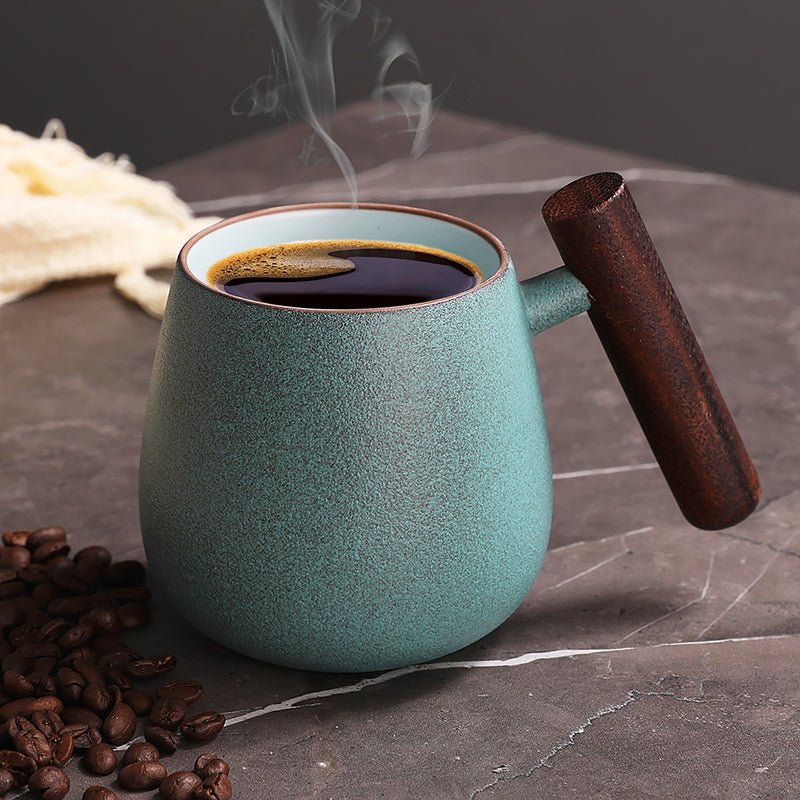
How Many Oz Is a Standard Coffee Mug? A Buyer’s Guide
A standard coffee mug is usually 8 to 12 oz, but the usable fill line is often smaller than the label suggests. Here’s how to match mug size to drip coffee, lattes, tea, and everyday use.
Read more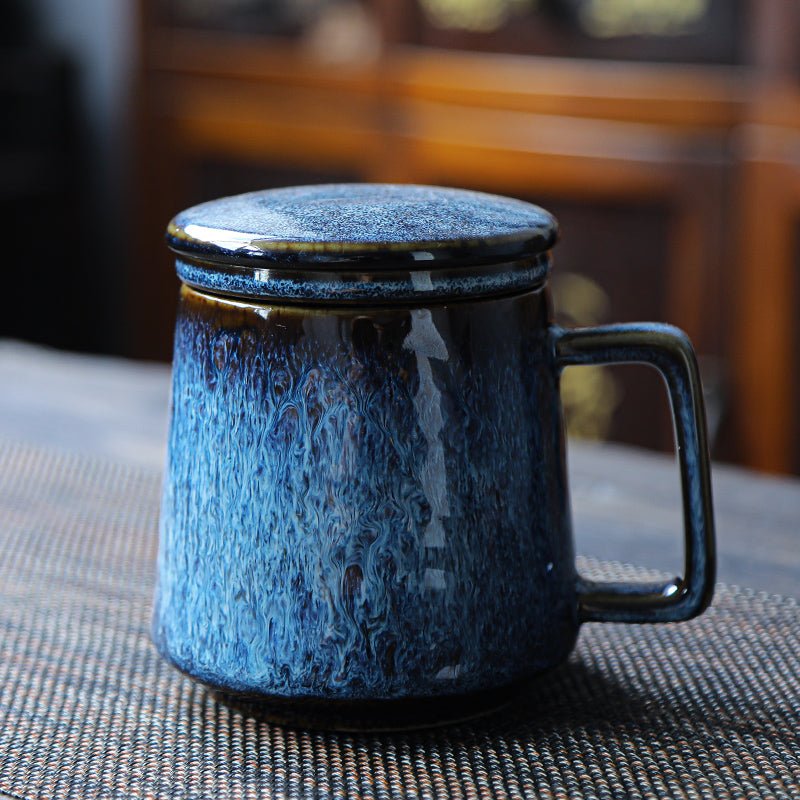
Pendleton Coffee Mugs: Fit, Material, and Buying Tips
Pendleton coffee mugs can look simple online, but the details matter once they hit a real kitchen counter. We break down size, handle comfort, care, and the trade-offs that separate a mug you enjoy...
Read more
Leave a comment
This site is protected by hCaptcha and the hCaptcha Privacy Policy and Terms of Service apply.