
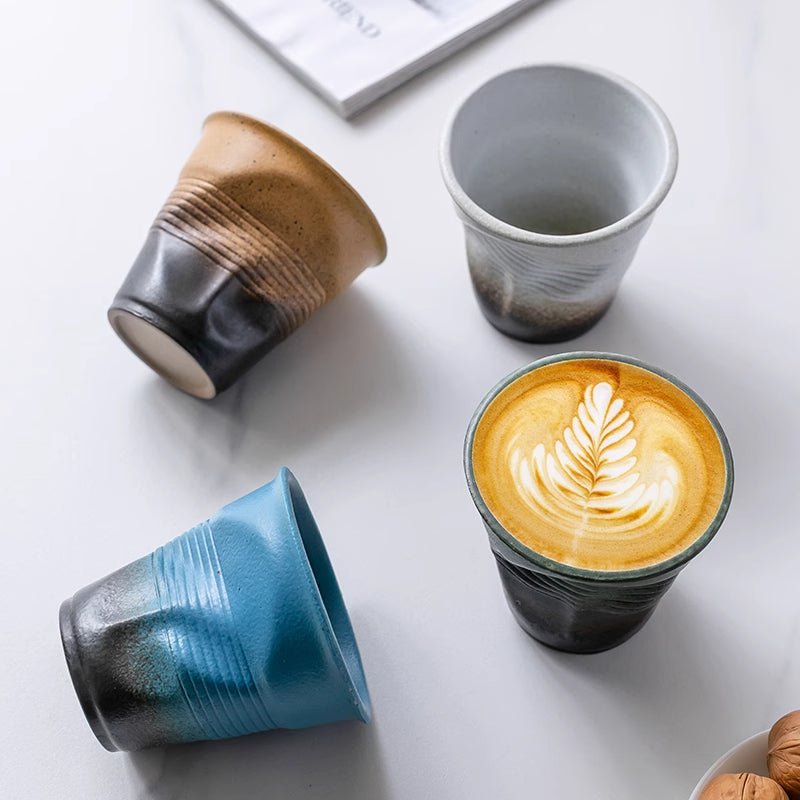
Fancy Cups for Daily Use, Gifting, and Display
Reading time: about 8 minutes
Fancy cups get bought for two very different moments: the quiet first coffee on a kitchen counter, and the moment a guest opens the box and says it feels special. In our store, we see both. The best pieces do not just photograph well. They sit steady on a desk, feel balanced in the hand, and still look worth keeping out after the wrapping paper is gone. If you want to browse the full range first, start with our all cups and mugs collection.
The problem is that a lot of shoppers judge fancy cups by the surface only. A pretty glaze is nice, but it will not save a cup with a rim that feels sharp, a handle that pinches two fingers, or a base that rocks on a table. We look at the whole piece: shape, weight, finish, and how it will behave after repeated use, rinse cycles, and shelf storage.
What do buyers actually mean by fancy cups?
People usually mean one of three things, even if they use the same phrase. Some want a cup that makes daily coffee feel more deliberate. Some want a gift that looks thoughtful without being fragile or hard to live with. Others want a piece that looks good on a tray, a shelf, or a kitchen open rack.
That is why fancy cups can be useful instead of merely decorative. A cup earns its place when it does a few practical jobs well:
- It feels comfortable to hold for more than a few sips.
- It has a stable base that does not skate around on a smooth counter.
- It uses a glaze or finish that still looks good after real use, not just in a product photo.
For daily drinkers, we usually steer people toward ceramic or stoneware styles because they tend to feel substantial without being fussy. The trade-off is simple: heavier pieces can feel more premium, but they are not ideal if you want something extremely light or travel-friendly.
Which style fits your coffee, tea, or display shelf?
The right cup depends on the job. A cup for espresso-sized servings is a different purchase from one that needs to hold a generous pour of tea, oat milk coffee, or an afternoon refill. If you are comparing shapes, the practical question is not only how it looks. It is how much liquid you want, how wide the opening is, and whether you want a taller profile or a more grounded silhouette.
| Use case | What usually works best | What to watch for |
|---|---|---|
| Daily coffee | A balanced cup with a comfortable handle and a stable foot | Handles that feel too narrow, thin rims, or finishes that scratch easily |
| Tea service | A shape with enough room for tea bags, infusers, or a splash of milk | Very small openings that make stirring awkward |
| Desk or office use | A sturdy cup that does not tip when you reach for a keyboard or notebook | Tall, top-heavy shapes that can feel unstable on crowded desks |
| Display or gifting | A finish and color story that looks intentional from across the room | Overly delicate details that make the cup feel like a display-only item |
If you want a cup that leans more decorative without losing everyday usefulness, compare the Mountain Coffee Tea Mug and the Great Mountain Coffee Tea Mug. If your eye goes straight to color, the Emerald Coffee Tea Mug is the kind of piece that can carry a shelf display on its own and still get used at breakfast.
The key point is that fancy cups do not need to be overdesigned to feel special. In practice, the best ones tend to have one clear visual idea and a shape that does not fight the hand.
What quality details should you check before buying?
We look at the same few details every time because they tell you more than a styled photo does. A pretty cup can still be annoying in daily use if one small thing is off. These are the checks we use in our store and recommend to shoppers who want fewer surprises when the box arrives.
- Rim finish: Run your eye around the lip. You want a smooth, even edge, not a rough spot that catches when you drink.
- Handle fit: Make sure the handle gives enough room for two fingers without squeezing. A cramped handle can make an otherwise beautiful cup feel awkward.
- Base stability: A flat, well-cut base matters on tile, wood, and office desks. A cup that rocks slightly becomes annoying fast.
- Glaze consistency: Look for even coverage and no obvious bare patches unless that is part of the design. Patchy glaze can make a piece look unfinished.
- Common defect modes: Hairline cracks, uneven firing marks, and sharp seams around the handle are the issues we watch for most closely.
One trade-off worth saying out loud: a hand-finished cup may have small variations that make it charming, but those same variations can also create tiny differences from piece to piece. That is fine if you want character. It is not ideal if you want a perfectly matched, formal set.
Our rule of thumb: if the cup feels awkward empty, it will not feel better once it is full.
Which of our cups makes the best starting point?
If you are narrowing the field, start with the piece that matches the way you actually drink. The Mountain Coffee Tea Mug and Great Mountain Coffee Tea Mug are good references if you want a look that reads distinctive without turning the cup into a display-only object. The Emerald Coffee Tea Mug is a strong choice if you want color to do more of the work.
For shoppers comparing options, we often suggest thinking in terms of use rather than style labels. Ask yourself:
- Will this live on a shelf, or will it move from cabinet to table every day?
- Do I want a mug that blends into a set, or one that stands out immediately?
- Am I buying for coffee, tea, cocoa, or a general-purpose desk cup?
If you want a deeper breakdown before deciding, our guides on Fancy Coffee Cups: What to Check Before You Buy and Fancy Cups: What to Buy for Daily Use, Gifting, and Display walk through the same questions we use when helping customers compare pieces. For a broader look at what holds up after repeated use, Beautiful Coffee Cups That Look Good and Hold Up Daily is a useful follow-up.
How should fancy cups be cared for?
Care is where a lot of buyers overthink or underthink the problem. Fancy cups do not need babying, but they do need a little respect if you want them to stay nice. The finish can tell you a lot here. A plain glazed ceramic cup is usually easier to live with than a heavily decorated piece with metallic trim or highly textured surface details.
- Wash with a soft sponge if you want to preserve the finish longer.
- Use the dishwasher only if the maker says it is safe for that specific piece.
- Avoid sudden temperature shock, like pouring boiling water into a cold cup straight from a cold cabinet.
- Do not stack pieces tightly if the rims are delicate or the glaze is highly polished.
- If the cup has metallic accents, keep it out of the microwave unless the product guidance clearly says otherwise.
That last point matters. A cup can look elegant and still be the wrong tool for a busy kitchen if it needs special handling every day. If you want something for a home office, family cabinet, or frequent morning use, a simpler glazed surface is usually the safer choice.
Frequently asked questions
Are fancy cups practical for everyday coffee?
Yes, if the cup has a comfortable handle, a stable base, and a finish that cleans easily. A fancy cup becomes impractical when it is too narrow, too delicate, or so decorative that you avoid using it. For daily coffee, we would rather sell a piece that gets used than one that just sits on a shelf.
What material is best for fancy cups?
Ceramic and stoneware are the most practical options for most shoppers because they balance weight, feel, and everyday durability. Ceramic often feels a bit cleaner and lighter in the hand, while stoneware can feel more substantial. The right choice depends on whether you want a lighter cup or a heavier one with a more grounded feel.
Can I put fancy cups in the dishwasher?
Sometimes, but only if the maker says the specific cup is dishwasher safe. Decorated rims, metallic details, and some hand-finished glazes deserve extra care, even when a dishwasher technically can handle them. When in doubt, top-rack washing by hand is the safer route.
What should I avoid if I want a cup that lasts?
Avoid rough rims, unstable bases, and handles that feel cramped before the cup is even filled. We also avoid pieces with obvious glaze misses, sharp seams, or hairline cracks in the finish. Those are the kinds of defects that turn a pretty cup into a daily annoyance.
Are fancy cups a good gift?
Yes, especially when the design feels personal but not overly niche. The best gift cups are easy to use, easy to care for, and attractive enough that the recipient wants to leave them out. If you are unsure, choose a style that works for coffee and tea rather than a very specialized shape.
If you are ready to compare options, start with the piece that matches your use case, then check the finish, handle, and base before you buy. If you want the wider range in one place, go back to our all cups and mugs collection and compare the shapes side by side before choosing.
Read more
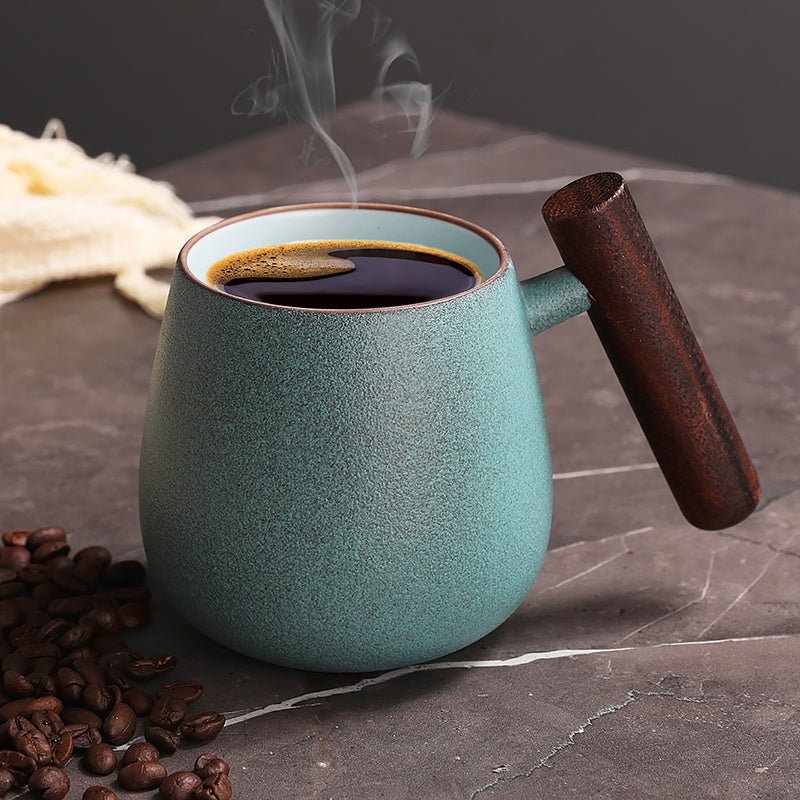
How Many Ounces in a Standard Coffee Mug? Buyer Guide
A standard coffee mug is usually 8 to 12 ounces, but the number that matters is the usable fill line, not the brim. We break down what shoppers actually get at home, at the office, and in gift sets.
Read more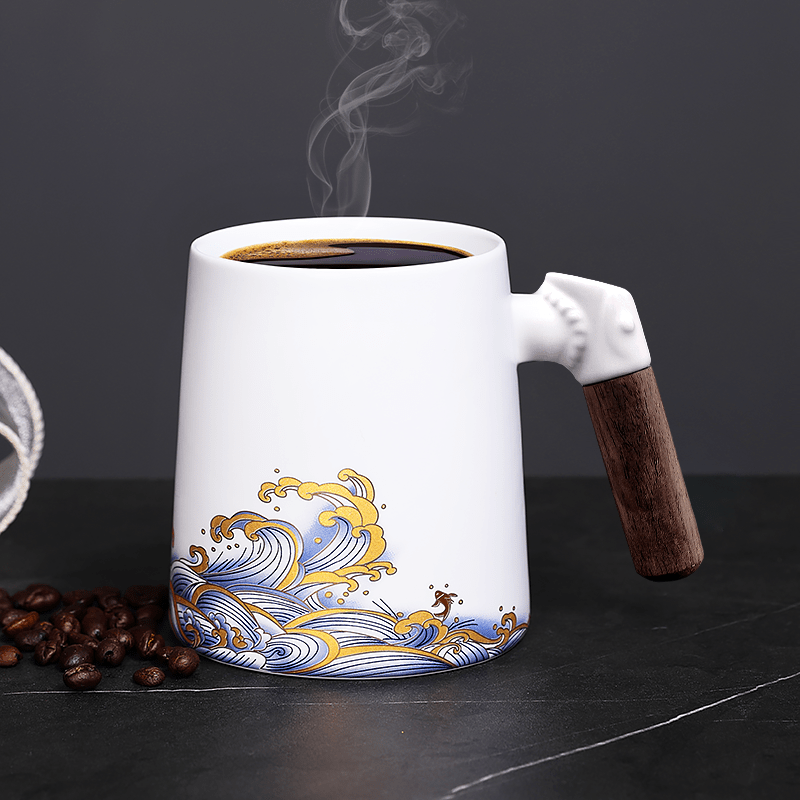
Black and White Coffee Mugs: How to Choose the Right One
Practical guidance for shoppers comparing black and white coffee mugs, including finish, size, material, and care trade-offs. We also point out which styles work best on a kitchen counter, office d...
Read more
Leave a comment
This site is protected by hCaptcha and the hCaptcha Privacy Policy and Terms of Service apply.