
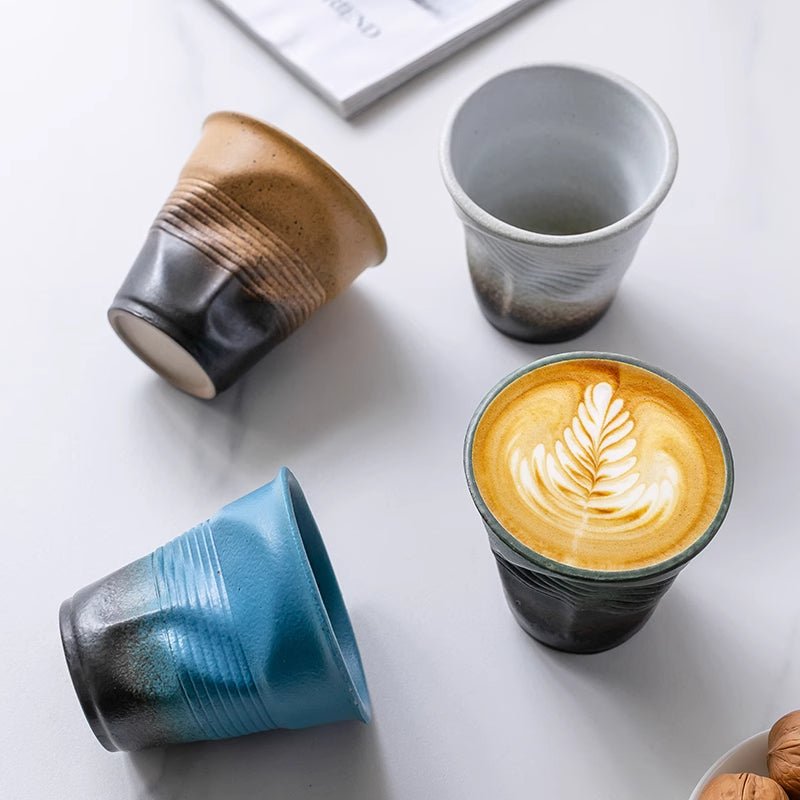
Fancy Cup Buying Guide: Style, Material, and Daily Use
Reading time: about 9 minutes
A fancy cup can sit beautifully on a kitchen shelf and still annoy you every morning if the handle is cramped or the base wobbles on a desk. We see that mismatch a lot in drinkware: people want something polished, but they still need a cup that feels stable, easy to clean, and pleasant to hold.
If you are comparing options, start with the same practical checks we use in our store: material, capacity, rim feel, and care. If you want a broader sizing reference while you compare, our Coffee Mug Sizes Guide: How to Choose the Right Cup is a useful companion, and our Coffee Cup Mug Ceramic: What Buyers Should Check Before They Buy goes deeper on ceramic-specific details.
What actually makes a fancy cup worth buying?
A true fancy cup is more than decoration. It should feel balanced in the hand, look refined on the table, and survive regular use without turning into a display-only piece. The difference is usually in the small things: a smooth rim, even glaze or finish, a handle that does not pinch, and a base that sits flat without rocking.
In our experience, buyers are happiest when the cup looks special but still behaves like a daily cup. That means it should pour in and out cleanly, stack or store without stress if you own multiples, and fit the way you actually drink coffee or tea. A delicate-looking piece can still be practical, but if it is too thin, too top-heavy, or awkward to wash, it stops feeling fancy pretty quickly.
We also separate decorative finish from useful detail. A metallic accent or embossed surface can add character, but it should not interfere with grip or cleaning. The best pieces feel finished, not fragile.
Which material should you choose for a fancy cup?
Material is where most shopping mistakes happen. A cup can look elegant online and behave very differently on a real desk, especially if you use it every day or wash it often. Here is the simple breakdown we use when helping customers compare options.
| Material | Best for | Trade-offs | Care notes |
|---|---|---|---|
| Ceramic | Everyday coffee, tea, and gift purchases | Can chip if knocked against a sink or crowded shelf | Check glaze quality, avoid sudden temperature shock, and follow the listing for dishwasher use |
| Glass | A lighter visual look and layered drinks | Shows fingerprints and can feel less forgiving if dropped | Look for a comfortable rim and stable base; hand-wash if the design is delicate |
| Stainless steel | Durability and travel-adjacent use | Usually less decorative; can feel more utilitarian than fancy | Good for busy settings, but it is not the best choice if the goal is a classic table-ready look |
| Stoneware | A heavier, artisanal feel | Can be bulkier in the hand and may take more cabinet space | Often paired with thicker walls, which help with heat retention but add weight |
If your goal is a fancy cup for a kitchen counter or office desk, ceramic is usually the safest middle ground. It gives you a polished look without feeling overly delicate. If the piece is for occasional serving or gifting, glass or stoneware can make the presentation feel more intentional, but they tend to demand a little more care.
For shoppers who are also thinking about warmth and capacity, our 700ml Cup Buying Guide: Size, Materials, and Daily Use is helpful for comparing larger formats. And if you need something more rugged than decorative, our Camping Cup Buying Guide: Materials, Sizes, and Real Trade-Offs covers where a fancy finish is the wrong priority.
What size works best for daily coffee, tea, or gifting?
Size affects comfort more than people expect. A cup that looks elegant in photos can feel impractical if it is too small for your usual pour or too wide for one-handed use. We suggest thinking about how you actually drink.
- Small cups work well for espresso, short coffee drinks, and serving guests who prefer smaller portions.
- Mid-size cups are the easiest daily choice for most drip coffee and tea drinkers.
- Larger cups suit long desk sessions, people who refill less often, and anyone who prefers a generous pour.
The right capacity also changes the feel of the cup. A smaller fancy cup often looks more refined and formal on a tray, while a larger one feels more relaxed and practical. If you are buying for a gift, a mid-size cup is the safer choice because it is easier to use across different brewing styles.
Do not assume bigger is better. A very large cup can be awkward if the handle is small or if the cup gets too heavy when filled. Likewise, a tiny cup can look beautiful but disappear fast on a workday. The best choice is the one that matches your routine, not just the photo.
Which details separate a quality cup from a decorative one?
There are a few inspection points we always look at before recommending a fancy cup. These are the details that reveal whether the piece will hold up after the first few uses.
- Rim finish: A smooth, even rim feels better to drink from. Any roughness or uneven glaze is a warning sign.
- Base stability: The cup should sit flat with no wobble. A slightly uneven base is annoying on glass tables and office desks.
- Handle comfort: The opening should fit your fingers without forcing an odd grip. This matters more than decorative shape.
- Surface consistency: On ceramic or stoneware, look for even glazing and no obvious pinholes near high-contact areas.
- Finish durability: Metallic trim, printed designs, and textured surfaces should not look like they will wear off from routine washing.
These are the kinds of small checks that separate a pretty purchase from something you keep reaching for. A fancy cup should still pass the daily-use test: easy to hold, easy to rinse, and pleasant to place on the table without babying it.
We treat a cup as a long-term object, not a one-day unboxing. If it feels awkward after five minutes at the sink or on a desk, it usually stays awkward.
How should you care for a fancy cup so it stays presentable?
Care depends on the material and finish, but the rule is simple: gentle cleaning usually preserves a nicer look for longer. Decorative edges, printed accents, and metallic details are the first things to show wear if you scrub aggressively or stack pieces carelessly.
For ceramic and stoneware, we recommend a soft sponge, mild dish soap, and attention around the rim and handle where buildup tends to collect. If the listing says dishwasher safe, that helps, but even then we prefer to keep delicate finishes out of repeated high-heat cycles when possible. For glass, avoid sudden temperature changes that can stress the piece. For any cup with a metallic accent, hand-washing is usually the safer choice unless the product page clearly says otherwise.
Storage matters too. A fancy cup can chip from contact with another mug or a metal utensil drawer. If you keep several pieces together, leave a little space between them or use a shelf liner. That small habit saves a lot of disappointment.
If you are shopping for a seasonal gift set, our Christmas Coffee Cup Buying Guide for Gifts, Daily Use, and Sets is a good reference for presentation and care expectations, and our Autumn Coffee Mugs: How to Choose the Right Cup for Cozy Season is useful if you want something warm-looking without overcommitting to a holiday theme.
Which fancy cup fits your use case?
Different buyers want different things, and that is where a lot of generic advice falls short. A fancy cup for a gift should not be the same choice as a cup for a crowded office desk or an everyday kitchen counter.
- For gifting: Choose a balanced shape, a clean finish, and a style that feels polished without being overly niche.
- For daily home use: Prioritize comfort, capacity, and a finish that is easy to clean after repeated coffee stains and tea marks.
- For office use: Look for stability and a handle that works well one-handed between typing sessions.
- For display-first buyers: A more delicate form, embossed surface, or special glaze may be worth it if the cup will not face heavy use.
A fancy cup is not the best choice if you need something for a car cup holder, outdoor use, or rough handling. In those cases, a travel mug or a camping-style cup makes more sense. If that is your situation, our Camping Cup Buying Guide: Materials, Sizes, and Real Trade-Offs is the better route.
If you want a simple way to narrow the field, start with your top three priorities: appearance, comfort, and durability. You usually will not get all three at the absolute maximum in one piece, so decide which one matters most before you buy.
Frequently asked questions
What size is best for a fancy cup?
For most buyers, a mid-size cup is the most flexible choice because it handles coffee and tea without feeling too small or too heavy. Smaller cups are better for short drinks and presentation, while larger cups suit long desk sessions. If you are unsure, start with the size you already reach for most often.
Is a ceramic fancy cup better than glass?
Ceramic is usually the safer everyday pick because it feels sturdier and hides wear better. Glass looks lighter and more refined, but it can show fingerprints and requires more care. If you want a cup that lives on the counter and gets used daily, ceramic is usually the easier buy.
Can a fancy cup be used every day?
Yes, if the rim is smooth, the base is stable, and the finish is durable enough for regular washing. The key is choosing a decorative cup that is still built like a real cup, not just a display piece. We would avoid very delicate shapes for daily use if you plan to wash them often.
What should I check before buying a fancy cup online?
Check the material, capacity, care instructions, and photos of the handle and base. Those details tell you more than the style shot on its own. If the product page is vague about washing or finish type, treat that as a warning sign.
Is a fancy cup a good gift?
Yes, if you choose a style that feels broadly usable rather than overly specific. A polished ceramic or stoneware cup is usually the safest gift because it works in kitchens, offices, and casual serving setups. For gift buyers, presentation matters, but so does everyday comfort.
What should you check before placing the order?
Before you buy a fancy cup, run through a quick checklist. It keeps the purchase practical and helps you avoid the common regrets we hear about after unboxing.
- Confirm the material and decide whether you want ceramic, glass, stoneware, or something more durable.
- Check the size against your usual drink, not against the product photo.
- Look closely at the handle, base, and rim for comfort and stability.
- Review care instructions so you know whether the piece needs hand-washing or gentler handling.
- Decide whether you want a display piece, a daily-use cup, or a gift.
If you want to compare current styles in one place, start with our all collections page, or go straight to our products to see what is available now. The fastest path is to match the cup to the way it will actually be used, then choose the one that still feels special on the table.
More from our blog
Read more
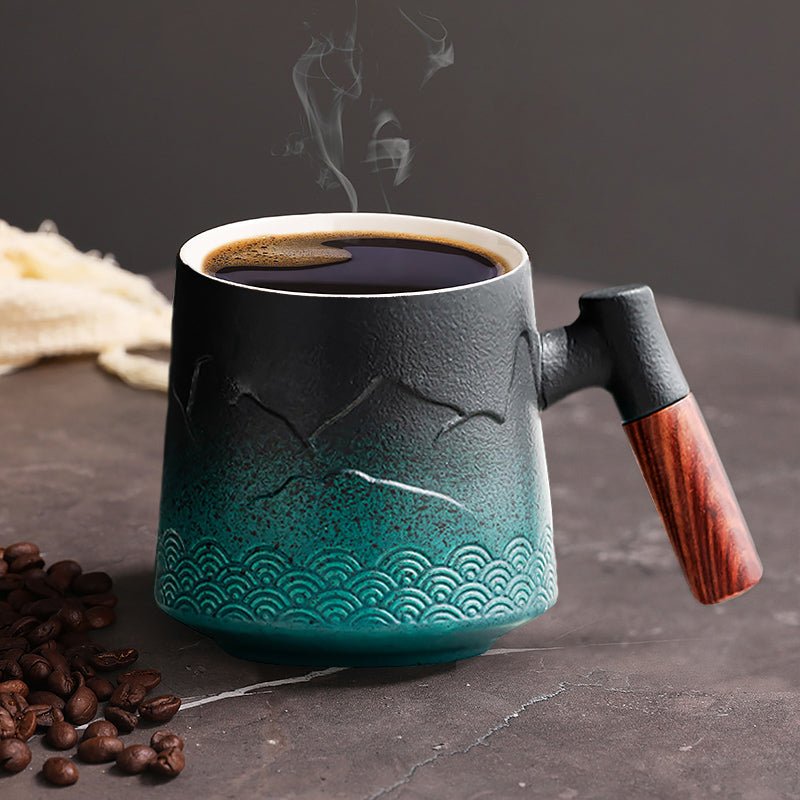
Wooden Cups: What to Check Before You Buy
Wooden cups bring warmth and a natural feel, but the details matter. Here’s how we evaluate material, finish, size, and care so you can choose a cup that fits daily use, gifting, or display.
Read more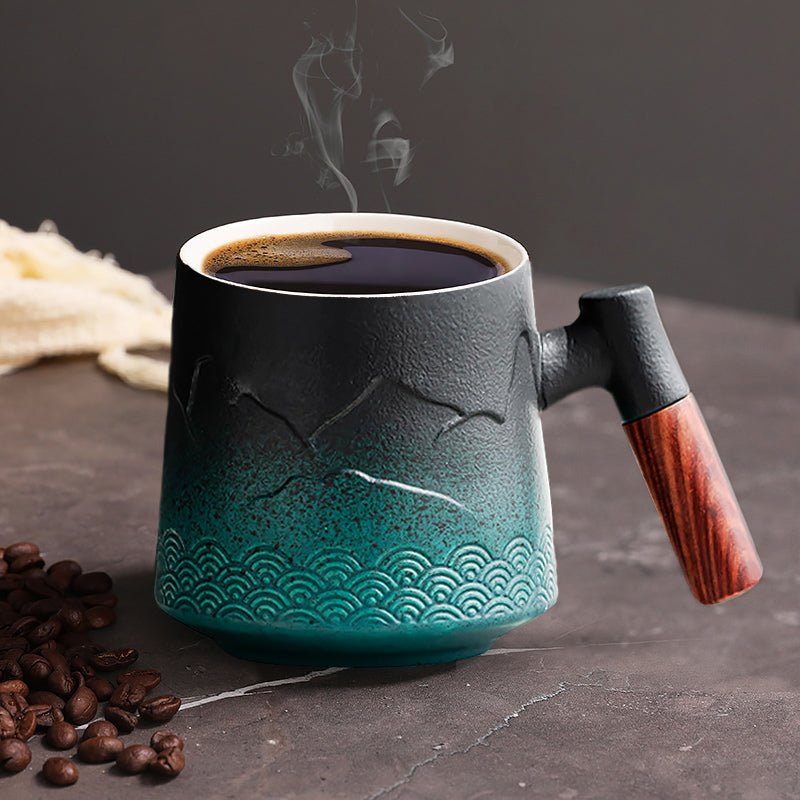
Wood Cup Buying Guide: What to Check Before You Buy
A wood cup can feel great in the hand, but the details matter more than the look. We cover materials, care, trade-offs, and the checks we use before recommending one.
Read more
Leave a comment
This site is protected by hCaptcha and the hCaptcha Privacy Policy and Terms of Service apply.