
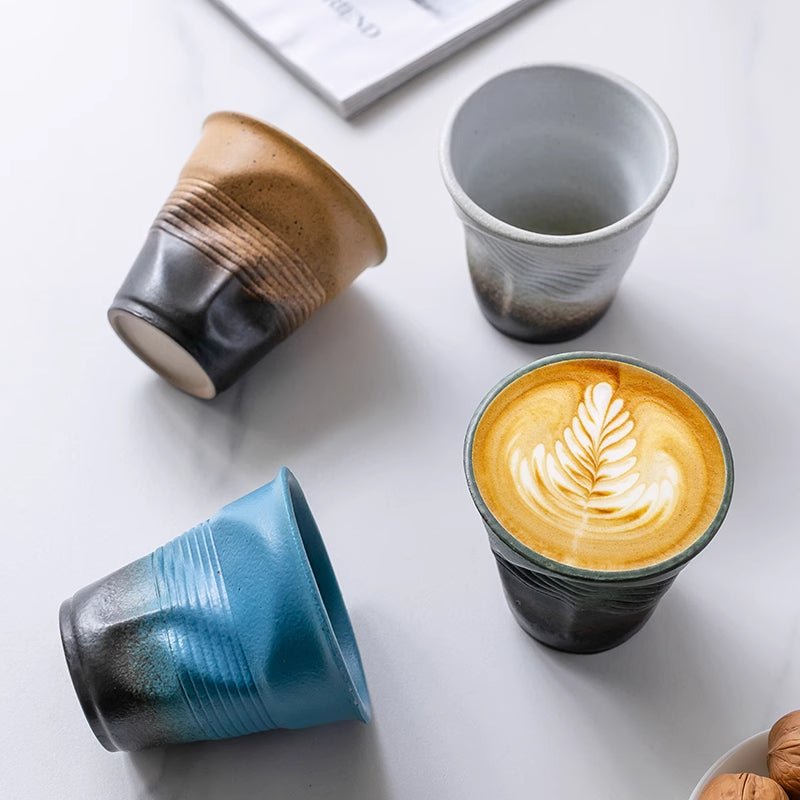
Fancy Coffee Cups: How to Choose Ones That Look Good and Last
Reading time: about 9 minutes
A cup can look perfect on a shelf and still fail at the counter. We see it all the time: a handle that feels cramped after two minutes, a base that rocks on stone, or a glaze that looks glossy in photos but shows every mark after a few dishwasher cycles.
That is why we judge fancy coffee cups the way real shoppers use them. At our store, we look at the details that matter for weekday coffee, office desks, gift unboxings, and the mug that sits in plain sight next to the kettle.
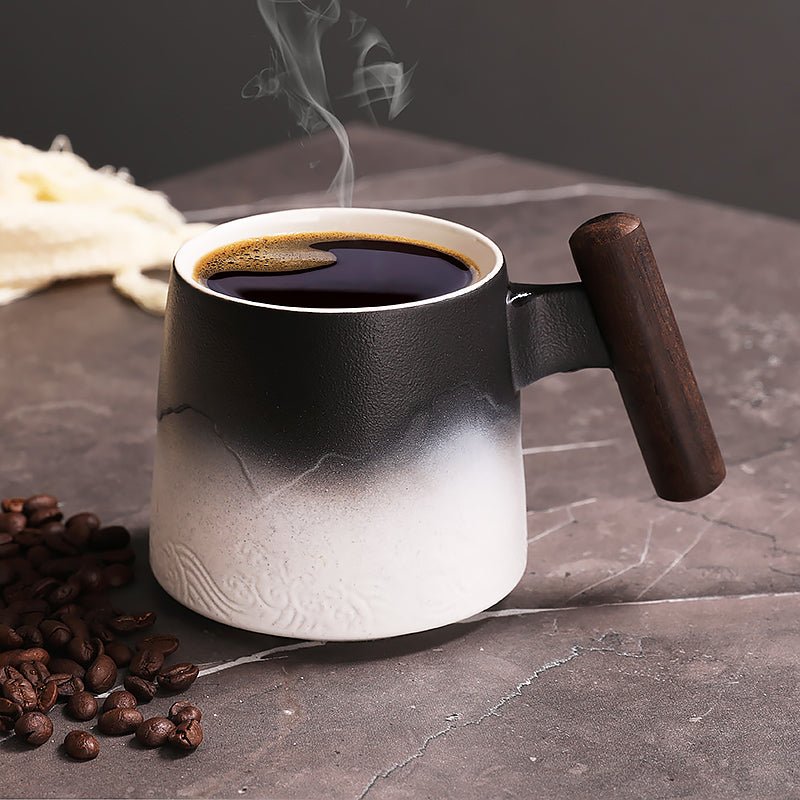
If you are comparing styles right now, start with the Morning Night Coffee Tea Mug, then look at the Mountain Coffee Tea Mug and the Great Mountain Coffee Tea Mug. To see the full mix in one place, browse our all collection.
What should fancy coffee cups do besides look nice?
Good-looking drinkware still has a job to do. A fancy cup should feel balanced in the hand, keep the rim comfortable against your lips, and hold up when it moves between the sink, the counter, and the dishwasher. If it only works as decor, it is not doing enough for daily use.
In our experience, buyers usually want one of three things: a cup that makes morning coffee feel a little more intentional, a gift that does not look generic, or a piece that upgrades a kitchen shelf without becoming fragile clutter. The best fancy coffee cups can cover all three, but they rarely do it with the same shape or material.
For a deeper pre-purchase checklist, our guide Fancy Coffee Cups: What to Check Before You Buy is the fastest way to pressure-test a mug before you add it to cart.
- Comfort: The handle should leave enough clearance for two or three fingers without pinching.
- Stability: A flat, even base matters more than most shoppers think, especially on glossy counters and office desks.
- Rim quality: A smooth, even lip feels better and usually signals better finishing.
- Everyday durability: A decorative cup is still better when it can survive normal washing and routine use.
As a rule, cups that look refined but feel awkward usually end up at the back of the cabinet. The ones that stay in rotation are the ones that work on a Monday morning just as well as they do when someone opens the box as a gift.
Which material makes the most sense for daily coffee?
Material changes the feel of the drink, the weight in the hand, and how much care the cup needs over time. For fancy coffee cups, the usual options are porcelain, stoneware, standard glazed ceramic, and glass. Each one has a real trade-off.
| Material | What it feels like | Best for | Trade-off |
|---|---|---|---|
| Porcelain | Fine, smooth, lighter in the hand | Tea service, espresso, polished gift sets | Can chip at thin rims if handled roughly |
| Stoneware | Heavier, sturdy, cozy | Everyday coffee, desk use, relaxed kitchens | Bulkier and slower to cool |
| Glazed ceramic | Balanced middle ground | Most daily coffee buyers | Quality depends on firing, glaze, and finish |
| Glass | Visual and modern | Drinks where the look matters as much as the pour | Shows water spots and feels less forgiving than ceramic |
If you want a mug for hot drip coffee and long desk sessions, stoneware or a well-made ceramic cup is usually the safest everyday pick. If the goal is a more refined presentation for tea or a gift box, porcelain often reads as more delicate and polished. Glass looks clean, but it is not our first choice for anyone who wants something low-maintenance.
That is also why our article Beautiful Coffee Cups That Look Good and Work Every Day resonates with so many shoppers. It focuses on the exact balance most people are trying to strike: attractive enough to feel special, practical enough to use every day.
How do you spot good build quality from product photos?
Photos can hide a lot. A glossy glaze may mask uneven firing, and a well-staged image can make a cup look bigger, lighter, or more premium than it really is. We look for the same tells a buyer would notice in person.
- Check the rim. It should look even and smooth, not sharp or lumpy. A rough rim is one of the easiest quality misses to feel once the cup is in hand.
- Look at the handle connection. The best handles join the cup cleanly and leave enough space for fingers. A tight handle is a common complaint on mugs that look elegant but are annoying to use.
- Study the base. If the foot ring is uneven, the cup can wobble on a flat counter. That is a small flaw that gets old fast.
- Watch for glaze issues. Pinholes, dull patches, or pooling around the base can point to inconsistent finishing.
- Consider thickness. Very thin cups can feel refined, but they are usually less forgiving in daily use. Very thick cups stay warm longer, but they can feel heavy.
We pass on cups that look decorative but feel unstable on the table. If it rocks before coffee ever touches it, it will annoy you later.
If appearance is your main filter, our article Coffee Cups Cool: What Makes a Mug Worth Buying is a useful way to separate a stylish mug from one that only photographs well.
One more thing we tell customers: a plain, well-made cup often ages better than a highly detailed one. Embossed texture, metallic trim, or very delicate decoration can look great at first, but those features can show wear sooner if the cup gets heavy use.
Which styles fit gifts, desks, and open shelves?
Style matters because different buyers use cups differently. A gift needs to feel special on arrival. A desk mug needs to be stable and easy to grip. A shelf mug needs enough visual character to justify its place in the kitchen.
For gifting, a graphic or scenic design usually works best because it feels deliberate without being too personal. For desk use, the better choice is often a straightforward shape with a comfortable handle and a base that stays planted near a laptop or notebook. For open shelves, a cup with a clean silhouette and a strong glaze finish will usually look better over time than something overly busy.
- Best for gifts: A mug with clear artwork, an easy-to-understand theme, and a finish that looks good out of the box.
- Best for office desks: A stable base, moderate capacity, and a handle that does not crowd your fingers.
- Best for display: A cohesive color palette and a shape that does not fight the rest of your kitchenware.
The limitation is simple: fancy coffee cups are not the best substitute for a travel tumbler, a giant insulated mug, or anything meant to live in a bag. They are at their best on a counter, desk, or table. If you need portability or maximum heat retention on the move, a different product type is the better fit.
For shoppers who want to compare designs without overthinking it, the full collection is the easiest starting point. You can scan the shapes, narrow by style, and then decide whether you want something more graphic, more minimal, or more scenic.
How should you care for fancy coffee cups so they last?
Care is where a pretty cup either proves itself or becomes shelf decor. Most glazed ceramic and stoneware mugs are built for routine washing, but decorative finishes, specialty decals, and metallic accents deserve more caution. We always advise shoppers to treat the cup according to the most delicate part of its finish, not the strongest part.
- Rinse soon after use. Coffee and tea stains are easier to remove before they set.
- Use a soft sponge when needed. Abrasive pads can dull a glossy glaze or wear down printed art over time.
- Dry the rim and base. Water left around the foot ring can leave marks on shelves and counters.
- Avoid thermal shock. Do not move a very hot cup straight into cold water. Sudden temperature changes can stress ceramic and glaze.
- Be careful with stacking. If the cup has raised texture or a detailed finish, stacking can cause scuffs.
Dishwashers are convenient, but they are not the same as gentle hand washing. If a mug is simple and fully glazed, regular washing is usually fine. If it has fragile decoration, a careful hand wash is the safer path. That trade-off is worth saying out loud because not every fancy cup is meant to take the same abuse as a plain diner mug.
If you are buying for someone else, the low-maintenance route is usually the better gift. People like beautiful coffee cups more when they do not have to baby them every day.
What is the fastest way to compare fancy coffee cups before buying?
Start with use case, then move to material, then look at finishing details. That order saves time because it prevents a decorative cup from winning over a daily-use mug that will actually fit the buyer's routine.
- Choose the use: gift, desk, shelf, tea, or daily coffee.
- Match the material: porcelain for a finer feel, stoneware for a sturdier hand, glazed ceramic for a practical middle ground.
- Inspect the build: rim, handle, base, and glaze quality.
- Check the care level: dishwasher-friendly, hand-wash preferred, or specialty finish.
- Decide if the style will still make sense in six months: trendy can be fun, but timeless usually gets more use.
That is the same framework we use when we curate products for our store. It keeps us honest about what a cup is good at and where it falls short. A beautiful mug that is awkward to hold is not a great buy. A simple mug that works every morning usually is.
Frequently asked questions
Are fancy coffee cups good for everyday use?
Yes, if they are well made and the shape is comfortable. The best everyday cups have a stable base, a smooth rim, and a handle that does not crowd your fingers. Highly delicate pieces or decorative finishes may be better for lighter use.
What size should I choose for a daily coffee mug?
Many shoppers land somewhere around 8 to 14 ounces, depending on how they drink coffee. Smaller cups suit espresso and tea, while larger mugs work better for drip coffee, milk drinks, and long desk sessions. If you tend to refill often, a slightly smaller mug can feel more balanced in the hand.
Do fancy coffee cups need to be hand washed?
Not always. Simple glazed ceramic mugs often handle normal dishwashing well, but decorative decals, metallic trim, and textured finishes can last longer with hand washing. If you want the lowest-maintenance option, choose a cup that is clearly intended for daily washing.
What makes a fancy coffee cup feel cheap?
Uneven glazing, a rough rim, a wobbly base, and a handle that feels cramped are the biggest red flags. A cup can look attractive in photos and still feel wrong once you pick it up. The hand feel usually tells the truth faster than the image does.
Are fancy coffee cups good gifts?
Yes, especially when the style is clear and the use is obvious. Cups with a clean theme, practical shape, and durable finish tend to be the safest gift choice. If you are unsure, pick something that works for daily coffee instead of a highly decorative one that may stay in the cabinet.
If you want a short route from browsing to buying, compare the three product links above, then scan the all collection with this checklist in mind: comfortable handle, even rim, stable base, and a finish you would still like after the first week of use.
Read more
Coffee Purse Buying Guide: What to Check Before You Buy
A practical coffee purse buying guide for shoppers who want a gift that will actually get used. We cover size, shape, care, and which coffee-themed mug styles fit desks, kitchens, and everyday rout...
Read more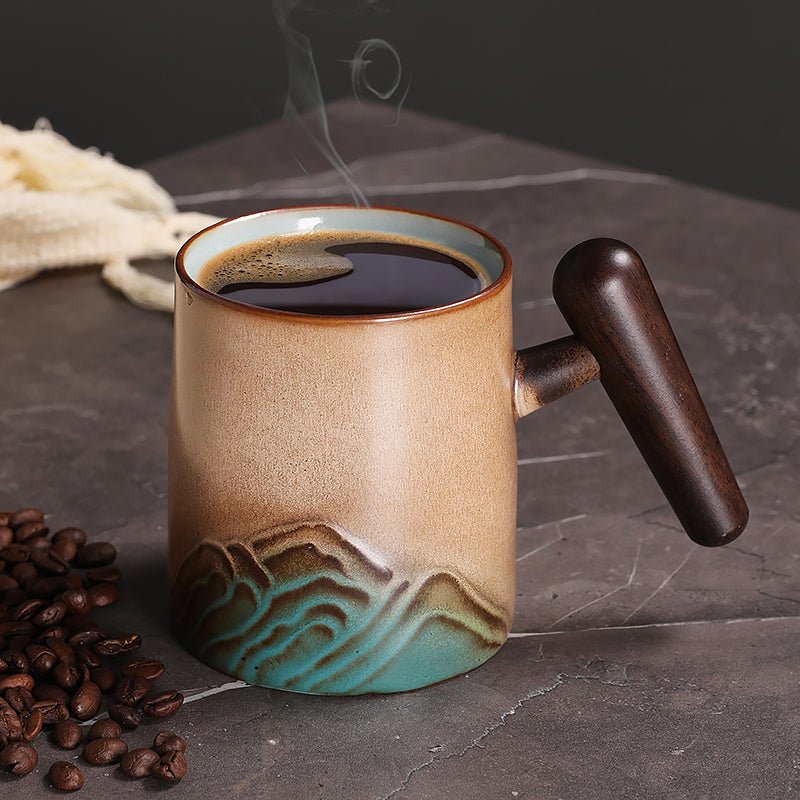
Large Ceramic Coffee Mugs: What Buyers Should Check Before Buying
Large ceramic coffee mugs work best when capacity, handle comfort, and rim feel match your daily pour. We break down what to check, what to avoid, and which styles fit home, office, and gifting.
Read more
Leave a comment
This site is protected by hCaptcha and the hCaptcha Privacy Policy and Terms of Service apply.