
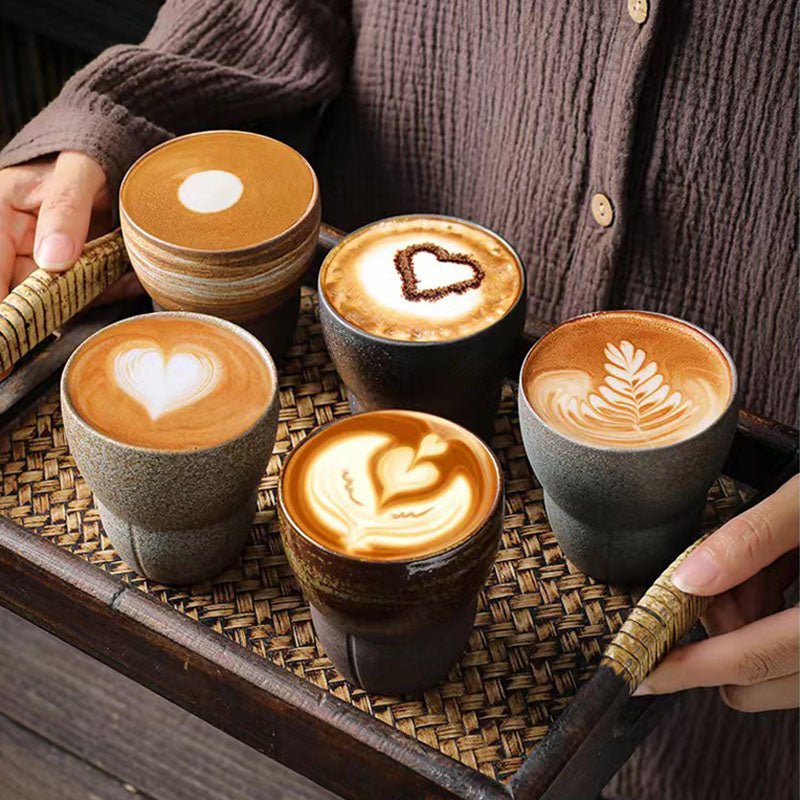
Espresso Coffee Mug Sets: What Buyers Should Check Before Ordering
Reading time: about 9 minutes
The problem usually shows up on the counter, not on the product page: a tiny cup that feels flimsy, a handle that is awkward to grip with hot coffee inside, or a set that looks good in photos but wobbles when you set it down on a saucer.
That is why we treat espresso coffee mug sets as a practical buy, not a decorative afterthought. In our store, the complaints we see most often come from three avoidable details: a handle that is too tight, a base that is uneven, and a glaze that looks smooth online but feels rough around the rim in real use.
If you want to compare current styles, start with our Retro Coffee Tea Cup, the Ball Handled Coffee Tea Mug, and the Pleated Coffee Tea Cup. You can also browse the full range in our collection if you want to compare shape, finish, and presentation side by side.
What should espresso coffee mug sets actually do well?
A good espresso set has one job: make a small drink feel easy to serve, hold, and clean up. That sounds simple, but the difference between a useful set and a frustrating one usually comes down to a few physical details that shoppers only notice after the first few uses.
For espresso, we care about cup balance more than capacity. A cup that is too deep can make the drink feel lost. A cup with a wide, stable base sits better on a kitchen counter, an office desk, or an espresso machine tray. A handle that leaves enough clearance for two fingers matters more than most shoppers expect, especially if the cup is filled with a hot shot or a short milk drink.
We also think about the setting. Espresso coffee mug sets are a strong fit for after-dinner coffee, quick desk drinks, and gift-ready kitchen shelves. They are not the right pick if your main drink is a large drip coffee, a latte, or a travel mug setup. If that is your routine, a larger cup category makes more sense.
For shoppers who want a clear buying framework first, we cover the decision process in Espresso Coffee Mug Sets: How to Choose the Right Set. That guide pairs well with this one if you are comparing a few options and want to avoid buying on looks alone.
Which material and finish hold up best?
Most buyers narrow down espresso sets to ceramic or porcelain first, and that is usually the right place to start. Both can work well for espresso because they are easy to rinse, hold heat reasonably well for a small serving, and can look refined on a shelf or tray. The better choice depends on how you use them.
Ceramic usually feels slightly heavier and more grounded in the hand. That can be a plus if you want a sturdy cup for daily use. Porcelain often has a finer, smoother feel and can present a cleaner, more polished look for gifting. Stoneware can be a good choice if you want a more tactile, rustic feel, but it may be a touch bulkier than a minimalist espresso cup.
The finish matters just as much as the body material. A smooth glaze is easier to wipe clean after a shot with crema, while a matte or textured finish can hide fingerprints but may show wear differently over time. We also pay attention to the rim. A uniform, even rim feels better to drink from. Tiny glaze pinholes, rough spots, or a wavy edge are the kinds of defects that usually separate a polished set from one that feels cheap in person.
Care is part of the decision too. If a listing says dishwasher-safe, that is useful, but we still recommend checking whether the set is better suited to the top rack. If the cups have hand-painted details, metallic accents, or a delicate decorative glaze, hand washing is the safer long-term choice. Sudden temperature changes can also stress ceramic and porcelain, so avoid taking a cup from a hot rinse straight to an icy counter.
If you are also thinking about storage and cleanup after a few dishwasher cycles, our article on Coffee Mug Storage Ideas for Kitchens, Offices, and Gift Sets is useful because small cups are easy to misplace, stack badly, or store in a way that chips the rims.
Which style fits the way you drink coffee?
Style is not just decoration. The shape changes how the cup feels, how it stacks, and how people react when they open the box. If you are buying espresso coffee mug sets for yourself, the right shape should make your routine easier. If you are buying them as a gift, the right shape should look intentional when the lid comes off.
| Style | Best for | What to check | Trade-off |
|---|---|---|---|
| Retro shapes | Gifting, display, and shoppers who want a classic table look | Rim smoothness, base stability, and whether the proportions feel balanced in the hand | Can be more about presentation than compact storage |
| Ball-handled cups | People who want a distinctive grip and a small cup that feels easy to lift | Finger clearance, handle comfort, and whether the handle shape gets in the way when stacked | The handle style is not for everyone if you prefer a simple loop |
| Pleated or textured cups | Gift sets, shelf styling, and shoppers who want a more decorative look | Glaze consistency, thickness at the ridges, and how easy the surface is to wipe clean | Textures can be a little less forgiving for fast cleanup |
If you want a straightforward, everyday look, the Retro Coffee Tea Cup is the kind of shape many shoppers choose when they want something familiar and easy to place on a saucer. If you prefer a more sculpted grip, the Ball Handled Coffee Tea Mug changes the feel immediately. And if you are buying with presentation in mind, the Pleated Coffee Tea Cup reads as more decorative without needing extra styling.
For a broader daily-use comparison, we also point shoppers to Coffee Mug Sets: How to Choose the Right Set for Daily Use. It is not espresso-only, but the decision points overlap: comfort, storage, cleanup, and how often the set will actually leave the cabinet.
What should you check before you buy?
We look at espresso coffee mug sets the same way we would inspect them after unboxing. Pretty photos are not enough. A set can look balanced online and still feel awkward in the hand if one detail is off.
- Handle clearance: Make sure two fingers can fit without scraping the cup wall.
- Base stability: The cup should sit flat, without rocking on the counter or saucer.
- Rim finish: Run a finger around the edge in your mind. A smooth, even rim matters more than most decorative details.
- Glaze quality: Watch for pinholes, pooling, or cloudy spots near the foot ring and handle joints.
- Wall thickness: Thin cups can feel elegant, but they also cool faster and feel less forgiving in daily use.
- Storage fit: If the set stacks, check whether the stack feels stable and whether the handle shape interferes.
- Cleaning needs: If there are textured ridges or metallic accents, expect a more careful wash routine.
These are the defect modes we notice first in this category: uneven glazing around the base, tiny chips on the rim, rough seam lines on the handle, and a cup that is slightly out of round. None of those issues are dramatic on a product page. All of them are annoying after the box is open.
That is also why a set can be a poor fit for a busy shared office. If people wash dishes fast, leave cups in a sink, or stack them without care, a decorative set may not age well. In that setting, a simpler shape with a more forgiving finish is usually the safer buy.
Which espresso coffee mug sets are best for gifts, offices, and small kitchens?
Different buyers need different things from the same category. A gift set should feel special immediately. A kitchen set should store well and survive repeated use. An office set should be easy to identify, easy to clean, and not so delicate that people avoid using it.
For gifting, we like sets that have a clear visual identity. A retro profile or a pleated surface can make the unboxing feel intentional without needing extra packaging tricks. For a small kitchen, compact cups with stackable shapes matter more than a dramatic silhouette. For offices, the best set is usually the one that is simple enough to survive shared use without people worrying about how it is handled.
The trade-off is simple: a decorative set often looks better on the shelf, while a plain set is usually easier to live with. If you are buying for a person who loves espresso but also cares about a neat counter, the middle ground is often best. That is where our current assortment helps because you can compare styles in one place instead of guessing from a single photo.
If your main concern is how the cups will fit into a crowded cabinet, the storage guide we mentioned earlier is worth a look again. The best-looking set is still a bad buy if it chips because the shelf is too tight or the handles jam together.
And if you want to compare shape choices more deeply, the buying guide Espresso Coffee Mug Sets: How to Choose the Right Set is the quickest way to narrow the field before you order.
Frequently asked questions
How many cups should be in an espresso coffee mug set?
Most shoppers choose a set size based on how they actually serve coffee. Two cups work well for a couple or for a small daily setup, while a larger set makes more sense if you host often or want backup pieces. If storage is tight, fewer cups with better quality usually beats a larger set that is hard to keep organized.
Are ceramic espresso cups better than porcelain?
Neither is automatically better. Ceramic usually feels a little sturdier and more casual, while porcelain often has a finer finish and a more polished look. If you care most about a refined presentation, porcelain is often the better fit; if you want a more grounded daily cup, ceramic is easier to live with.
Can espresso coffee mug sets go in the dishwasher?
Many can, but the listing should say so clearly. We still suggest checking for hand-painted decoration, metallic detailing, or textured surfaces, because those features can need gentler care. If a set is dishwasher-safe, top-rack placement is usually the safer choice.
What size should I buy for espresso shots?
For straight espresso, smaller cups usually work best because they keep the drink feeling proportionate and easier to serve. If you also drink cortados or short milk drinks, a slightly larger cup can be more versatile. The key is to avoid buying a cup that is so large the espresso looks lost inside it.
What makes one set better for gifting than another?
Giftable sets usually have a clear shape, a clean finish, and packaging that looks intentional when opened. A set with an interesting handle or textured body can stand out without feeling flashy. If the recipient prefers practical items, a simple, durable set is safer than a highly decorative one.
If you are ready to compare actual options, start with the product pages for the Retro Coffee Tea Cup, the Ball Handled Coffee Tea Mug, and the Pleated Coffee Tea Cup, then check our full collection and use the checklist above to rule out the sets that do not fit your counter, cabinet, or gift plan.
Read more
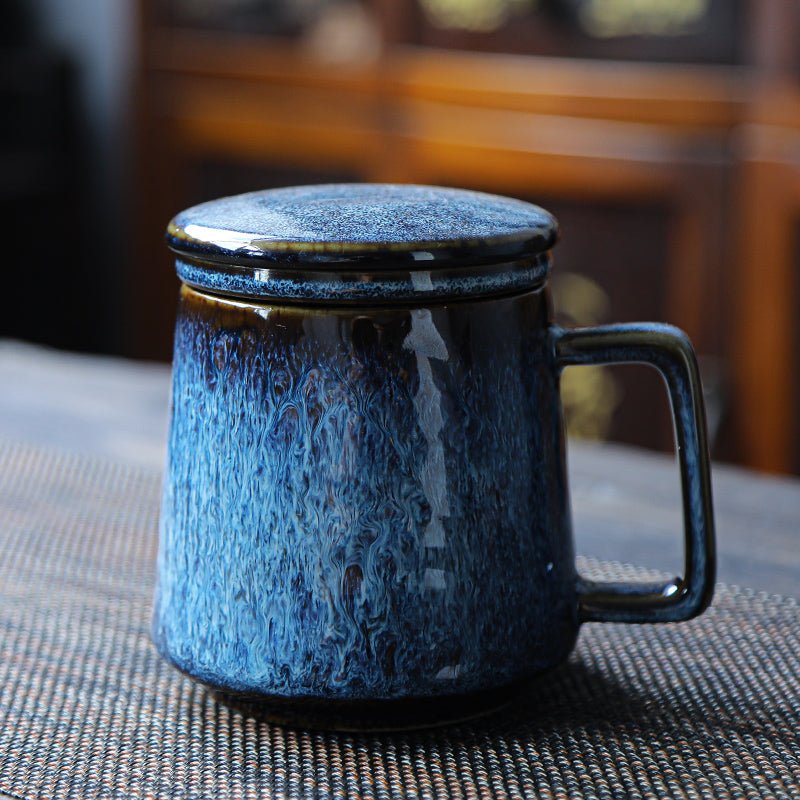
Currier and Ives Coffee Mugs: What to Buy and What to Check
A practical guide to currier and ives coffee mugs, with buying tips on style, size, print quality, and daily use. We cover where these mugs fit well, where they do not, and what to check before you...
Read more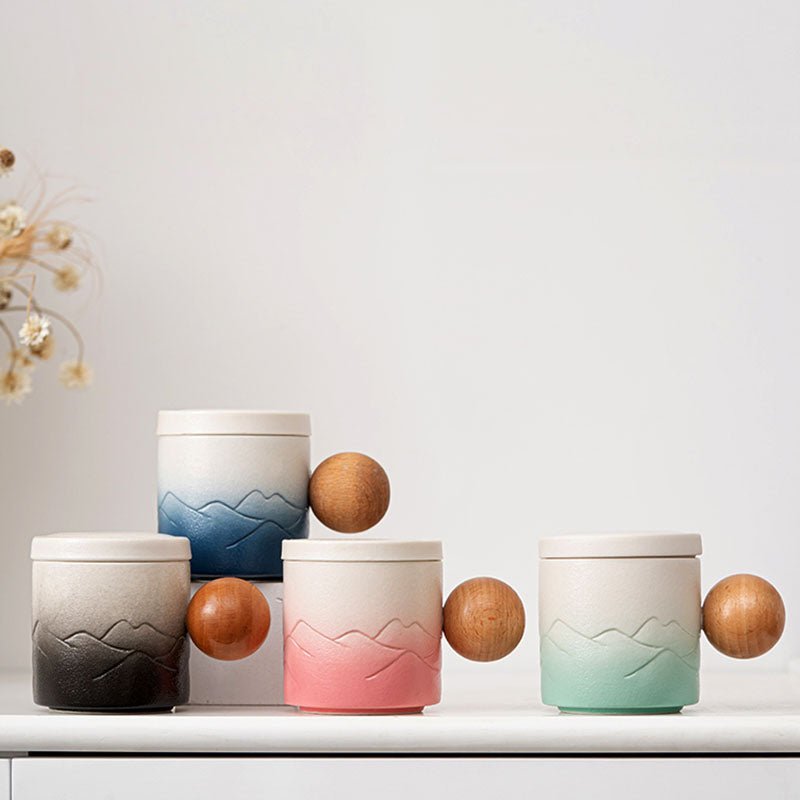
Coffee Mugs for Dad: Practical Picks for Daily Use
We break down the mug sizes, shapes, and finishes that actually work on a kitchen counter or office desk. See which CoffeifyMug styles are easiest to gift, use, and clean.
Read more
Leave a comment
This site is protected by hCaptcha and the hCaptcha Privacy Policy and Terms of Service apply.