
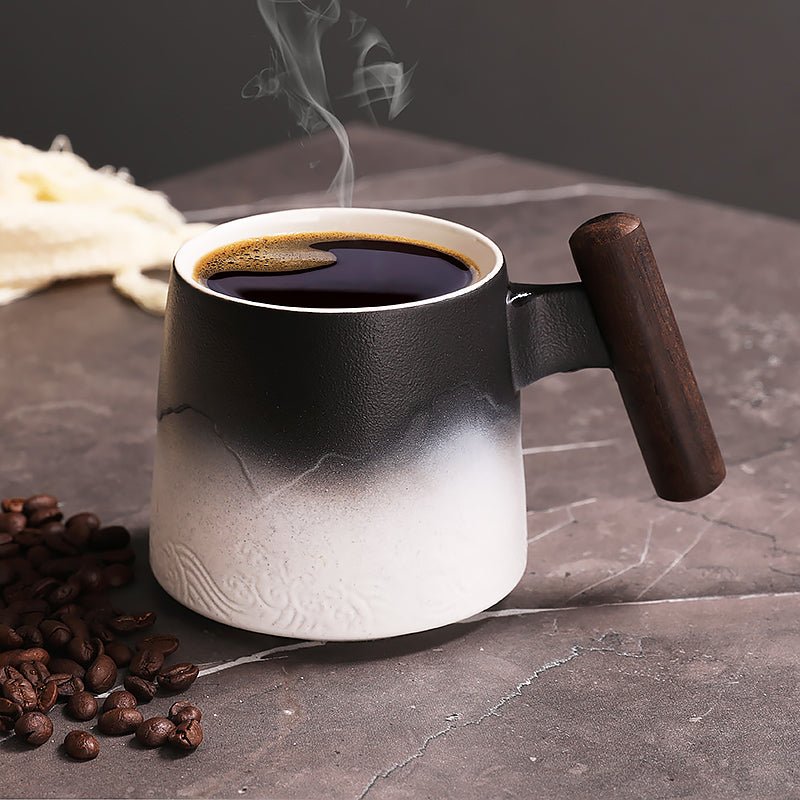
Drawn Coffee Mug Buying Guide: How to Pick One That Lasts
Reading time: about 8 minutes
What makes a drawn coffee mug worth buying instead of a plain one?
A drawn coffee mug has one job before the first sip: it has to look like it belongs on a real counter, not just in a product photo. The line art, the placement of the artwork, and the way the handle feels in the hand matter more than a lot of shoppers expect.
In our store, we see two kinds of buyers. One wants a mug that brightens an office desk without feeling loud. The other wants a gift that looks intentional the moment it comes out of the box. For both, a drawn design can be the right middle ground: more personality than a plain mug, less risk than a novelty cup that gets old fast.
If you want a quick starting point, browse our full mug collection and compare three of our most recognizable styles: the Round Coffee Tea Mug, the Elk and Moon Coffee Tea Mug, and the Koi Fish Coffee Tea Mug.
The best drawn mugs do not rely on one giant graphic. They use clean lines, balanced contrast, and artwork that still looks clear when the mug is full, half full, or sitting beside a laptop and a stack of mail.
How do you choose the right size for daily use?
Size changes how a mug feels long before you notice the artwork. A smaller cup can keep coffee warmer if you drink fast. A larger one gives room for milk, tea bags, or a second pour without splashing over the rim.
For shoppers comparing capacity, we usually think in three practical bands:
- 10 oz: better for a shorter coffee break, smaller hands, or anyone who drinks straight black coffee and refills often.
- 11 oz: the balanced middle ground for most desks and kitchens. It is easy to hold, easy to store, and usually the safest gift choice.
- 12 oz: better if you like extra room for cream, iced coffee with less ice, or a mug that can handle tea and cocoa too.
If you want a deeper fit check, our guides on the 11 oz Coffee Mug: Size, Fit, and What to Check Before You Buy and 10 oz Coffee Mug: Size, Fit, and What to Check Before You Buy cover the practical side in more detail.
We also tell buyers to check two things that are easy to miss in photos: the handle opening and the mug's proportions. A mug can be the right capacity and still feel awkward if the handle is tight for your fingers or the cup body is too tall for your shelf or dishwasher rack.
Which design details actually survive real use?
This is where a drawn coffee mug either earns its keep or starts looking tired. The design itself is not just about taste. It is about whether the art still reads clearly after repeated washing, desk use, and a few bumps against other dishes.
We look for four practical details before we recommend a mug:
| Detail | Why it matters | What to check |
|---|---|---|
| Line clarity | Fine artwork can blur if the print is too soft or too light. | Make sure the drawing still reads at arm's length, not only up close. |
| Artwork placement | A centered design looks clean on a shelf and while drinking. | Check whether the image wraps well around the cup or feels cut off near the handle. |
| Rim finish | A rough rim is one of the first things people notice in daily use. | Look for a smooth, even edge with no visible chips or uneven glaze. |
| Handle joint | The handle is a stress point and a comfort point. | It should feel secure and leave enough room for two or three fingers without pinching. |
Common failure points on mugs like these are predictable: a chipped rim from clattering in the dishwasher, a glaze blemish near the base, a print that looks faded after abrasive scrubbing, or a handle that feels sharp where it meets the cup. None of those are dramatic. They are just the small flaws that make a mug stop being the one you reach for first.
If you want a broader framework for judging illustrated cups, our post Coffee Mug Drawn Designs: How to Choose One That Lasts walks through the durability side without the fluff.
Which mug fits which buyer?
The easiest way to narrow down a drawn coffee mug is to match the design to the routine, not the photo. A mug that looks great in a gift box may not be the one you want next to a keyboard all morning. A mug that feels sturdy in hand may be too plain if you are buying for someone who likes visible artwork.
| Mug | Best for | Trade-off |
|---|---|---|
| Round Coffee Tea Mug | Buyers who want a flexible everyday cup with a softer, more universal look. | Less distinctive than the themed designs if you want the mug to feel like a statement piece. |
| Elk and Moon Coffee Tea Mug | Rustic, nature-driven gift buying and people who like darker, calmer artwork. | May feel too theme-specific if you want a minimal office mug. |
| Koi Fish Coffee Tea Mug | Shoppers who want more movement, color, and visual energy in the art. | More decorative, so it is less suited to someone who wants a plain utility cup. |
That trade-off is the real decision. A plain mug is easier to match to any kitchen. A drawn mug is better when you want the cup to say something about the person using it. If that is the goal, style matters more than matching a specific trend.
For buyers comparing capacity and comfort alongside style, the 12 Ounce Coffee Mug Buying Guide for Daily Use and Better Fit is worth a look before you commit.
How should you care for a drawn coffee mug so the artwork stays crisp?
Care is where a lot of mugs are quietly lost. The artwork may be fine, but repeated rough handling makes the mug look older than it is. We have seen perfectly usable cups get sidelined because the finish was scratched up by a metal scrubber or knocked around in a crowded sink.
These habits help the mug stay presentable longer:
- Use a soft sponge or cloth for routine washing.
- Avoid abrasive scrub pads unless the manufacturer specifically says the finish can take it.
- Do not stack heavy dishes against the mug rim where chips usually start.
- Let the cup cool before running cold water over it if it has just held a hot drink.
- Dry the rim and handle after washing if you want the glaze to keep a clean look on open shelving.
If a mug is printed or decorated in a way that feels delicate, hand washing is the safer choice unless the product page says otherwise. That is especially true for buyers who want the artwork to stay sharp for gifting or display. A dishwasher is convenient. It is also where rushed loading and hard contact with other ceramics do the most damage.
There is one more practical limit: a drawn coffee mug is not the best choice if you want a rugged travel cup, a large insulated tumbler, or something you can toss into a bag without thinking. This category is for kitchen counters, office desks, and gift giving, not commuting.
What should you check before buying one as a gift?
Gift mugs fail for boring reasons. The design is liked in theory, but the cup feels too small, the handle is awkward, or the artwork is too busy for the person who receives it. We see that most often with impulse buys made from a single image.
Before you check out, make sure you can answer these three questions:
- Does the mug size match how the person actually drinks coffee or tea?
- Does the artwork match their everyday style, not just a seasonal mood?
- Would this mug still make sense on their desk or kitchen shelf after the novelty wears off?
A good drawn mug should feel useful first and decorative second. That is the difference between a gift that gets used and one that gets tucked into the back of a cabinet.
If you are still deciding between shape, size, and art style, compare the mugs in our collection, then narrow it down by how the handle feels in hand and how the design fits the room where it will live.
Frequently asked questions
What is a drawn coffee mug?
A drawn coffee mug is a mug with illustrated artwork, line art, or a hand-drawn style design on the surface. Buyers usually choose it when they want something more personal than a plain mug but less flashy than a novelty cup. The best versions still feel practical for everyday coffee or tea.
Is a drawn coffee mug good for everyday use?
Yes, if the handle is comfortable, the rim is smooth, and the design holds up to regular washing. We recommend checking the mug size against your normal drink volume, because a cup that looks good can still feel wrong if it is too small or too tall for your routine. Everyday use is where small design details matter most.
Which size should I pick: 10 oz, 11 oz, or 12 oz?
Pick 10 oz if you drink smaller servings and want a compact cup. Choose 11 oz if you want the safest all-around size for most kitchens and desks. Go with 12 oz if you usually leave room for milk, extra tea, or a larger morning pour.
How do I keep the artwork from fading?
Use a soft sponge, mild detergent, and avoid harsh scrubbing on the printed area. If the product page does not clearly say the mug is dishwasher safe, hand washing is the safer path for keeping the artwork crisp. The rim and handle also last longer when they are not knocked against other dishes.
Is a drawn coffee mug a good gift for someone who is picky?
It can be, but only if the design matches their taste and the mug size feels useful. Picky buyers usually care about the little things: handle comfort, balance in the hand, and whether the art looks intentional rather than random. If you want the lowest-risk option, pick a balanced size and a design with clean, readable artwork.
If you want the fastest next step, compare the three styles above, then open our full collection and filter by the mug shape or artwork that fits the way you actually drink coffee.
Read more
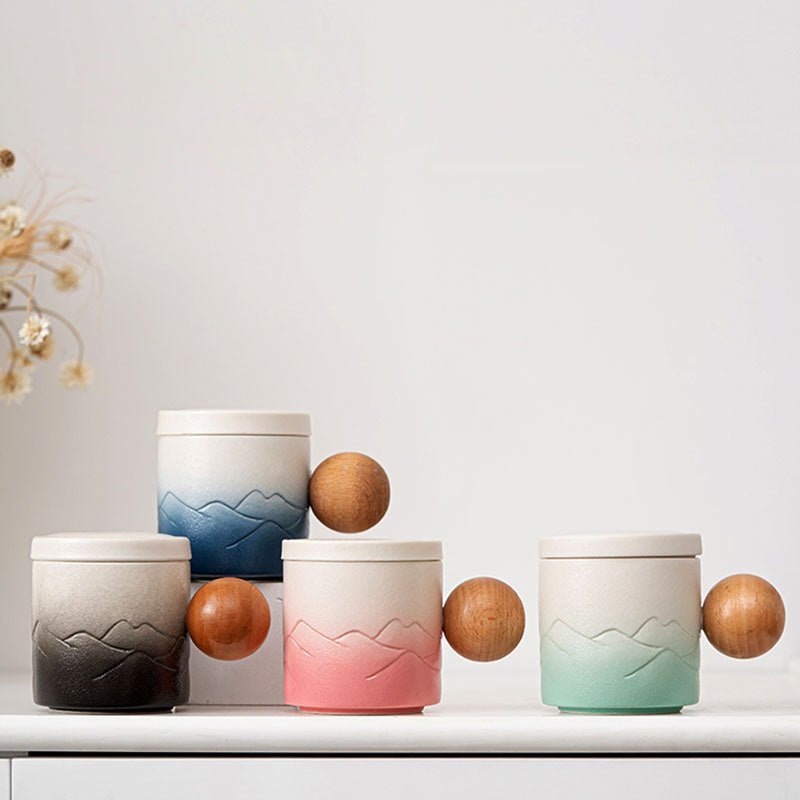
Easter Coffee Mug Buying Guide for Gifts, Daily Use, and Fit
An Easter coffee mug should do more than look seasonal for one weekend. This guide covers size, shape, care, and giftability so you can choose a mug that still earns cabinet space after the holiday.
Read more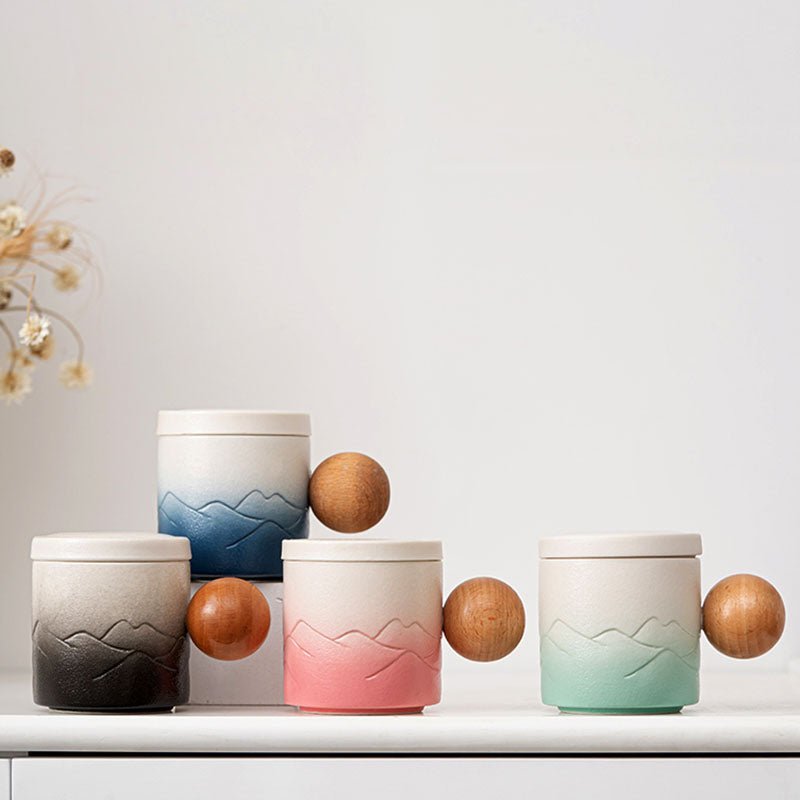
Anthro Coffee Mugs: How to Choose the Right One for Daily Use
Anthro coffee mugs are more than shelf pieces: the right one should fit your hand, your brew size, and your cleanup routine. We break down what to check before you buy and which styles make sense f...
Read more
Leave a comment
This site is protected by hCaptcha and the hCaptcha Privacy Policy and Terms of Service apply.