
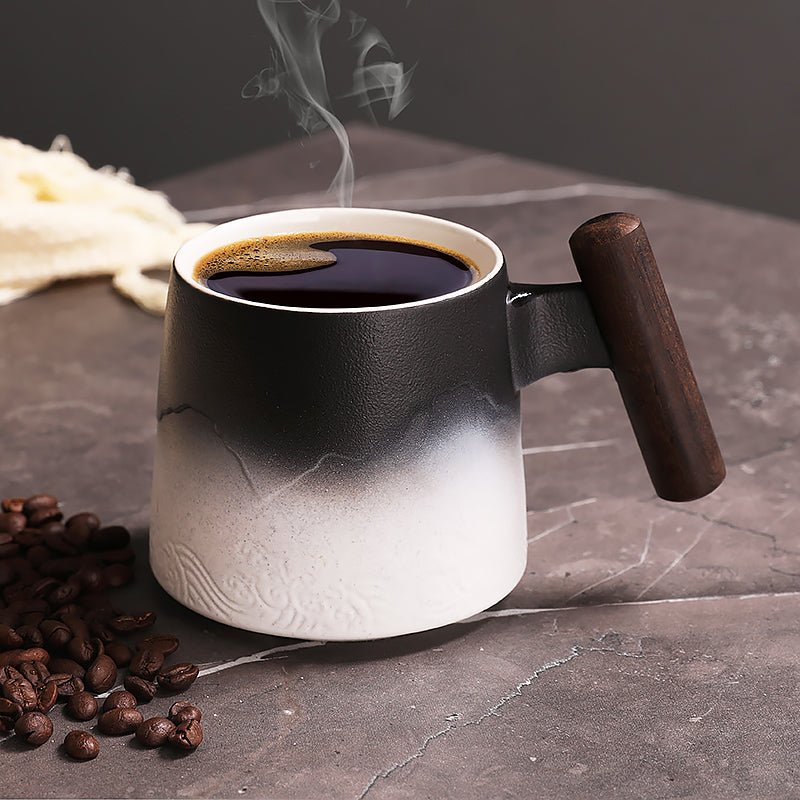
Double Walled Coffee Mugs: What Buyers Should Check Before Buying
Reading time: about 9 minutes
A mug that feels hot on the outside and leaves a ring on the desk is the kind of small problem shoppers notice fast. That is usually why people start looking at double walled coffee mugs: they want a cup that is easier to hold, keeps coffee comfortable for longer, and looks good enough to leave out on the kitchen counter or office desk.
In our store, we see the same buying pattern again and again. People want the insulation, but they also want practical details that do not show up in the product photo: what the mug is made of, whether the handle gets warm, how wide the opening is for sipping, and whether it is going to be annoying to wash every day. Those details decide whether a mug becomes an everyday favorite or a cabinet extra.
If you are still comparing styles, our broader collection of coffee mugs is a useful place to start. For shoppers who want to compare construction first, our post on double wall glass coffee mugs covers the glass-specific details, while this guide to double walled coffee mugs goes deeper into the general buying checklist.
What do double walled coffee mugs actually do better?
A double-walled mug uses two layers with an air gap between them. That construction slows heat transfer, so the outside stays cooler to hold and the drink usually stays comfortable for longer than it would in a thin single-wall cup. The effect is easy to notice on a desk, in a car-free commute setup, or during a long call when coffee sits for a while before the last sip.
The main benefit is comfort, not magic. A double-walled mug will not make coffee stay hot forever, and it will not fix a bad lid, a cracked seal, or a drink that was poured lukewarm to begin with. It simply gives you better insulation than an ordinary thin mug.
For shoppers comparing sizes, our guides on 12 oz coffee mugs, 16 oz coffee mugs, and 20 ounce coffee mugs can help you decide whether you want a smaller cup for one serving or a larger mug for a long morning.
Which material should you choose: glass, ceramic, or insulated steel?
This is the first real fork in the road. The material changes the weight, the look, the feel in your hand, and how careful you need to be during washing and everyday use. We handle all three styles, and each has a very different customer.
| Material | Best for | Trade-offs |
|---|---|---|
| Double wall glass | Showing the drink, lighter feel, modern kitchen setup | Can chip or crack if knocked hard; needs gentler handling |
| Double wall ceramic | Classic mug feel, better heat retention in a familiar shape | Often heavier; some styles are bulkier to store |
| Insulated steel | Durability, desk use, travel-adjacent routines | Less coffee-shop look; can change the drinking experience for some buyers |
Glass is the option many shoppers pick when they want to see the drink and keep the cup feeling light. Ceramic suits buyers who want a more traditional mug shape and a little more heft. Steel makes sense if the mug will take more bumps, but it is not always the best choice if you want the visual appeal of latte layers or a clear view of espresso drinks.
One thing we tell customers plainly: if you are rough on dishes, a glass mug may not be the smartest pick for the office dishwasher or a crowded sink. A ceramic or steel version may suit you better.
What details should you check before buying?
Photos can hide a lot. The best shopping decisions usually come from a short checklist, not a vague impression. Here is what we check before we recommend a mug in our store:
- Wall thickness and consistency. Uneven walls can make the mug feel awkward and less balanced in hand.
- Rim shape. A thin, clean rim usually feels better to sip from than a thick lip.
- Handle size and clearance. If the opening is too tight, larger fingers may not fit comfortably.
- Base stability. A wide enough base matters on smooth desks and crowded countertops.
- Capacity in real use. A mug labeled “large” might still pour less than you expect once you leave room for milk or foam.
- Care instructions. Dishwasher-safe is convenient, but hand washing is sometimes the safer call for delicate glass builds.
We also look for obvious defect risks. On double-walled glass, common problems include a cloudy look from poor manufacturing, trapped moisture that shows up as condensation where it should not, or fine cracks near the rim and base after rough handling. On ceramic, glaze inconsistencies and hairline fractures matter. On steel, dents and poor lid fit are the usual complaints.
How much size should you buy?
Size is one of the easiest places to overspend or underbuy. A mug that is too small forces refills. A mug that is too large can cool coffee faster once it is only half full. The right size depends on how you actually drink, not just how much coffee you like in theory.
If you drink one straight espresso-based beverage, a smaller mug may be enough. If you pour drip coffee and stretch it through a morning of email, a 12 oz or 16 oz mug often lands better. If you routinely add milk, ice, or extra volume, larger-capacity styles may be the more useful choice. Our buyer guides on large capacity coffee mugs and the size-specific posts above are helpful if you are comparing how the mug will actually sit on a kitchen counter, under a brewer, or beside a laptop.
A practical rule from our experience: choose the smallest size that still holds your real drink comfortably. That tends to be easier to hold, less likely to slosh, and more efficient to store in a cabinet or dish rack.
Are double walled coffee mugs easy to clean?
Some are, and some are not. This is where many shoppers are surprised. A simple single-wall mug is usually easier to scrub. Double-walled designs can add hidden edges, narrower openings, or delicate seals that need more care.
For everyday cleaning, we recommend checking whether the mug is dishwasher safe, and if so, whether the brand suggests a top-rack-only approach. If you are buying glass, avoid thermal shock: do not move a very hot mug into cold water right away. That kind of temperature swing is one of the fastest ways to damage delicate drinkware. For hand washing, a soft sponge and mild soap are usually enough.
Double-walled mugs are not the best choice for someone who wants the absolute easiest cleanup after every single use. If that is your priority, a sturdy single-wall ceramic mug may suit you better.
What trade-offs should you expect with double-walled designs?
There are clear upsides, but we do not pretend the design is perfect for everyone. Buyers should know the limits before choosing one.
- They can feel lighter than expected. Some shoppers love that; others miss the heavier feel of a classic diner mug.
- They may need more careful handling. Especially with glass, a quick knock against a sink can matter more than it would with stoneware.
- They are not ideal for every drink routine. If you want a mug to toss into a bag, a travel mug is the better fit.
- They can be awkward for very large pours. A bigger capacity mug is not always the same as a better everyday mug.
That is why we treat the choice as a use-case question, not just a style question. A double-walled mug is a smart pick for a home office desk, a neat kitchen setup, or a coffee setup where presentation matters. It is less ideal for rugged outdoor use, heavy commuting, or anyone who tends to drop mugs into a crowded sink without thinking about it.
How do you compare double walled coffee mugs against other mug styles?
The best comparison is simple: what problem are you trying to solve?
- Choose double walled coffee mugs if you want better insulation, a cooler outer surface, and a cleaner look on the table or desk.
- Choose a standard ceramic mug if you want low fuss, easy washing, and a familiar weight.
- Choose a travel mug if you need a lid, spill resistance, or a mug for commuting.
- Choose a large-capacity mug if you pour a lot at once and do not mind a bigger footprint.
For shoppers comparing materials and use cases across different stores, our article on Amazon coffee mugs is useful because it shows how to weigh practical factors instead of just scanning star ratings. If you prefer domestic sourcing or are comparing broader mug styles, our guide to American made coffee mugs can help frame the decision.
What should you expect when you unbox one?
Packaging tells you a lot about what kind of product you are getting. A well-made double-walled mug should arrive with enough protection to reduce the chance of edge damage, especially for glass. On unboxing, check the rim, the base, and the seam line if the mug has one. Give it a quick look in natural light. Tiny cracks or chips are easier to spot before first use than after the first hot pour.
In our experience, customers appreciate a mug that feels ready for countertop use right away. That means clean finish, even balance, and a comfortable mouth feel. If the mug wobbles on a flat table or feels overly top-heavy when empty, that is a sign to keep looking.
Frequently asked questions
Do double walled coffee mugs keep coffee hot longer?
Yes, they usually keep coffee comfortable longer than a thin single-wall mug because the air gap slows heat loss. They do not keep coffee hot forever, and the result still depends on the starting temperature, room temperature, and whether the mug has a lid.
Are double wall glass coffee mugs safe for everyday use?
They can be, as long as you handle them like glass drinkware. Avoid sudden temperature changes, check for chips near the rim and base, and wash them carefully if the manufacturer recommends hand washing. If you want a tougher everyday option, ceramic or steel may be a better fit.
Can I put double walled coffee mugs in the dishwasher?
Some are dishwasher safe, but not all. Check the care instructions for the specific mug before washing it that way. If the mug is delicate glass, top-rack washing or hand washing is often the safer choice.
What size double walled coffee mug should I buy?
Pick the size that matches how you actually drink. A 12 oz mug works well for many standard pours, 16 oz suits bigger morning servings, and 20 oz makes sense if you like room for milk or larger fills. If you are between sizes, choose the one that leaves enough space to drink comfortably without sloshing.
Are double walled coffee mugs good gifts?
Yes, especially for people who care about how their coffee looks and feels on a desk or kitchen counter. They make a nice gift when you know the recipient drinks coffee at home, but they are not the best gift for someone who mainly wants a travel mug with a lid.
If you are ready to compare options, start with the mug material and size that fits your routine, then check the care instructions and base stability. After that, browse our products and choose the style that matches your daily coffee habit, not just the photo.
Read more
Antique Coffee Mugs: How to Choose One for Daily Use or Display
Antique coffee mugs can be beautiful, but condition, size, and material matter more than the pattern on the front. Here’s how we help shoppers judge real-world use, display value, and what to buy i...
Read more
Over 40 oz Giant Coffee Mugs Spill Proof: What Buyers Should Check
A practical buyer’s guide to over 40 oz giant coffee mugs spill proof, with the trade-offs that matter at the desk, on the couch, and in the dishwasher. We cover materials, lid fit, handle comfort,...
Read more
Leave a comment
This site is protected by hCaptcha and the hCaptcha Privacy Policy and Terms of Service apply.