
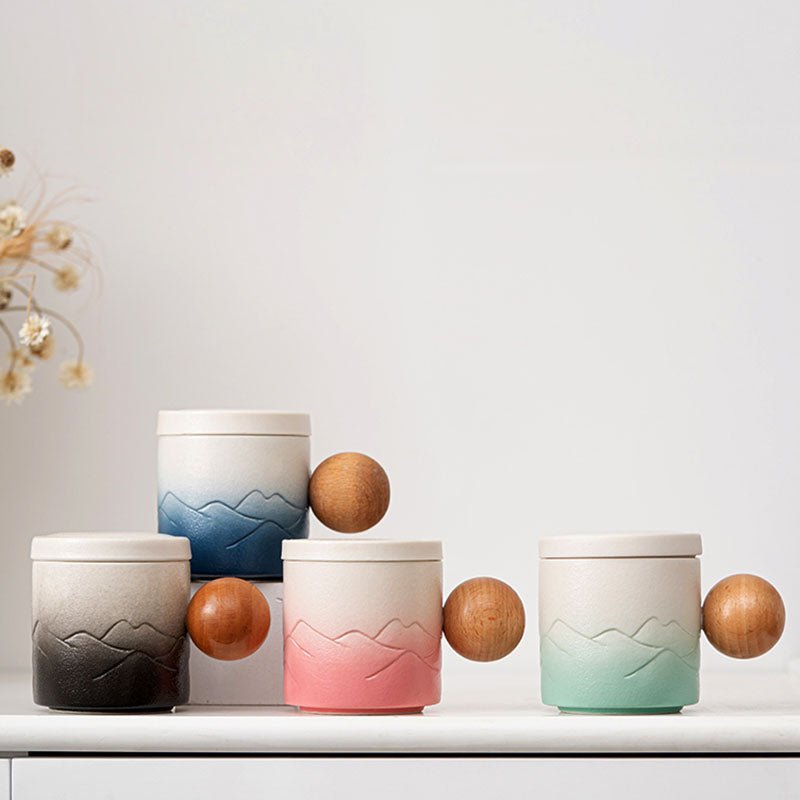
Designer Coffee Mug Buying Guide for Daily Use and Gifting
Reading time: about 8 minutes
A mug that looks good on a product page can still feel wrong at the office sink. We see that gap all the time in our store: shoppers want a designer coffee mug that feels balanced in the hand, looks intentional on a desk, and still makes sense after the first few dishwasher cycles.
If you are comparing options, start with our full mug collection and use it as a quick way to narrow style first, then size and comfort. For a broader decision framework, our Designer Coffee Mug Buying Guide: What to Check Before You Buy covers the basics before you commit.
What makes a designer coffee mug worth buying?
A designer mug earns its place when it does three jobs at once: it looks deliberate, it drinks comfortably, and it survives normal daily use without becoming fussy. That sounds obvious, but the small details matter. A mug can have a strong illustration and still fail if the handle is cramped, the base wobbles, or the rim feels too thick for easy sipping.
In our experience, buyers usually care about these details once they have lived with the mug for a week:
- Handle fit: Your fingers should not press into the mug wall or pinch against the handle.
- Rim feel: A cleaner rim is easier to drink from than one that feels bulky or uneven.
- Base stability: A mug that sits flat on a desk is less likely to slide or tip when the table gets crowded.
- Artwork placement: The design should still look centered when the mug is turned in a cabinet or held in either hand.
- Finish quality: Look for smooth glaze coverage and consistent print edges, not blotchy surfaces or awkward seams.
That is why we treat a designer coffee mug as both a functional mug and a visual object. If you only want a plain utility cup, a basic everyday mug can be enough. If you want the mug to feel like part of your kitchen or office setup, design and proportion start to matter a lot more.
Which style fits your desk, kitchen, or gift list?
Style is usually the first filter, and it should be. A mug lives in open view more than most kitchen items. The right design should match the setting where it will actually be used.
If you want a clean, simple silhouette, the Round Coffee Tea Mug is the easiest place to start. Its appeal is straightforward: less visual noise, easier pairing with other dishware, and a look that does not lock you into one season or one decor style.
If you want something more decorative, the Elk and Moon Coffee Tea Mug works better as a display piece. It is the kind of mug people notice during a video call or when they open a cabinet. That makes it a strong gift option when you want the mug to feel more personal than practical.
For a bolder art-forward choice, the Koi Fish Coffee Tea Mug leans into visual character. It suits buyers who want the mug to stand out instead of blending in.
That style difference matters in real life:
- Desk use: Simple designs are easier to live with next to laptops, notebooks, and monitors.
- Home use: Decorative mugs can complement open shelving, a coffee station, or a breakfast nook.
- Gifting: Themed artwork often feels more intentional than a plain mug, especially when the recipient likes collecting unique pieces.
Not every style is right for every buyer. If someone wants a mug that disappears into the background, a highly illustrated piece may be too much. If someone is shopping for a gift and wants it to feel thoughtful, a plain mug may feel safe but forgettable.
How do size and capacity change the way the mug drinks?
Size changes the whole experience. A mug that is technically "the right size" on paper can still feel wrong if it is too deep for easy stirring, too small for your usual pour, or too large for the shelf where you store it.
If you are deciding by capacity, our size guides can help. The 12 Ounce Coffee Mug Buying Guide for Daily Use and Better Fit is useful if you lean toward a fuller pour, while the 11 oz Coffee Mug: Size, Fit, and What to Check Before You Buy is a better match if you want a middle-ground everyday mug.
| What to check | Why it matters | What we see in real use |
|---|---|---|
| Capacity | Determines how much coffee, tea, or hot chocolate fits comfortably | A smaller mug feels better for short pours; a larger one makes sense if you refill less often |
| Handle clearance | Affects comfort for larger hands or gloved hands at a cold desk | Too little room around the handle makes the mug annoying to carry when full |
| Rim width | Changes the sip and the temperature perception | A broad opening cools faster, while a tighter opening can hold heat a little longer in day-to-day use |
| Foot and base size | Controls stability on crowded countertops | A wider base usually feels safer on a cluttered kitchen counter or side table |
If you want a compact, easy-to-manage mug, a smaller size often feels better on a crowded desk. If you drink long pours, tea, or milk-heavy drinks, the extra room in a larger mug can be worth it. The trade-off is that bigger mugs can feel bulky, especially in smaller hands or in tighter cabinet storage.
For buyers comparing multiple capacities, our 10 oz Coffee Mug: Size, Fit, and What to Check Before You Buy is also worth reading before you decide between a compact and a fuller everyday mug.
What should you check for quality before you buy?
We look at a mug the same way a customer will use it: first the hand feel, then the shelf fit, then how likely it is to stay looking good after normal washing. A designer coffee mug should look finished without feeling delicate.
Here is the checklist we use in practice:
- Inspect the glaze: Look for an even finish with no obvious pinholes, rough patches, or sharp spots around the rim and handle.
- Check the print or artwork alignment: The design should not appear cut off, skewed, or oddly placed when you turn the mug.
- Feel the handle connection: A handle should join cleanly to the body, without a lumpy transition that digs into fingers.
- Set it on a flat surface: A mug should sit squarely without rocking.
- Read the care guidance: Confirm whether the piece is intended for hand washing or routine dishwasher use before you buy it as a daily mug.
That last point matters. Decorative mugs are not all built the same way. Some are better for occasional use or display, while others are easier to live with every day. If you are buying for a busy kitchen or shared office, a mug that needs extra handling may not be the right fit.
This is also where many shoppers overestimate what a fancy mug should do. A designer coffee mug is not the best choice if you need insulation for commuting, a sealed lid, or a travel-ready setup. For that use case, a travel mug is the better category.
Which mug should you choose for work, gifting, or everyday use?
The right choice depends on the job you want the mug to do.
- For a clean daily desk setup: Start with the Round Coffee Tea Mug. It is the most adaptable option if you want one mug that does not fight with the rest of your workspace.
- For a gift with more personality: The Elk and Moon Coffee Tea Mug is a better match when the recipient likes themed pieces or display-worthy drinkware.
- For an art-forward favorite: The Koi Fish Coffee Tea Mug is the strongest pick if you want a mug that stands out in an open shelf, office kitchen, or coffee corner.
If you are buying for yourself, ask one question before you check out: do you want a mug that disappears into the routine, or one that becomes part of the room? That answer usually makes the decision easier.
If you are still comparing variants, the 11 oz Coffee Mug: What Buyers Should Check Before They Buy is a useful companion read because it focuses on fit and daily comfort, not just appearance.
Frequently asked questions
What is a designer coffee mug supposed to be good for?
A designer coffee mug should combine visual appeal with daily usability. It is a good fit for desks, kitchen shelves, and gifts because it adds personality without turning into a fragile display item. It is not the right choice if you need a travel mug with a sealed lid.
How do I know if a mug will feel comfortable in my hand?
Look at the handle opening, the rim thickness, and the overall size. A good mug should let your fingers pass through the handle without pinching, and it should not feel top-heavy when full. If possible, compare the mug size to cups you already use comfortably.
Is a decorative mug okay for everyday coffee use?
Yes, if the finish, handle, and care instructions are practical for regular use. Decorative does not have to mean delicate, but some art-focused mugs are better for occasional use or display than for a dishwasher-heavy kitchen. Check the product page before assuming it is a daily driver.
What size designer coffee mug should I buy?
For many buyers, 11 oz to 12 oz is the most flexible range because it works for standard coffee, tea, and mixed drinks without feeling oversized. A 10 oz mug can feel better if you prefer smaller pours or want a compact mug for a crowded desk. Our size guides above are the fastest way to compare fit.
What should I avoid when buying a designer coffee mug online?
Avoid buying purely on artwork without checking the handle, capacity, and care notes. Also avoid mugs with unclear photos that hide the base, rim, or interior. Those are the details that usually decide whether the mug feels premium or annoying in daily use.
If you want to compare options by style first, start with the full mug collection, then use the checklist above to narrow by size, handle comfort, and care. That is the fastest way to land on a designer coffee mug that looks right and still works on an ordinary Monday morning.
Read more
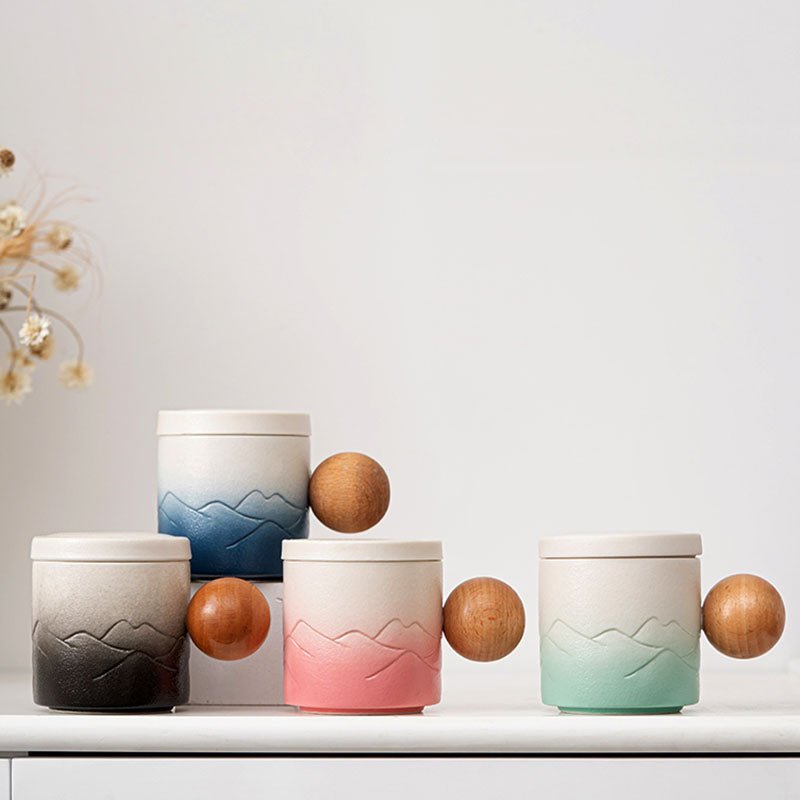
Rack for Coffee Mugs: What to Buy for Real Daily Use
A rack for coffee mugs can clean up a counter or create a new mess if the spacing, material, or mounting is wrong. This guide covers the fit checks we use in our store, the trade-offs between rack ...
Read more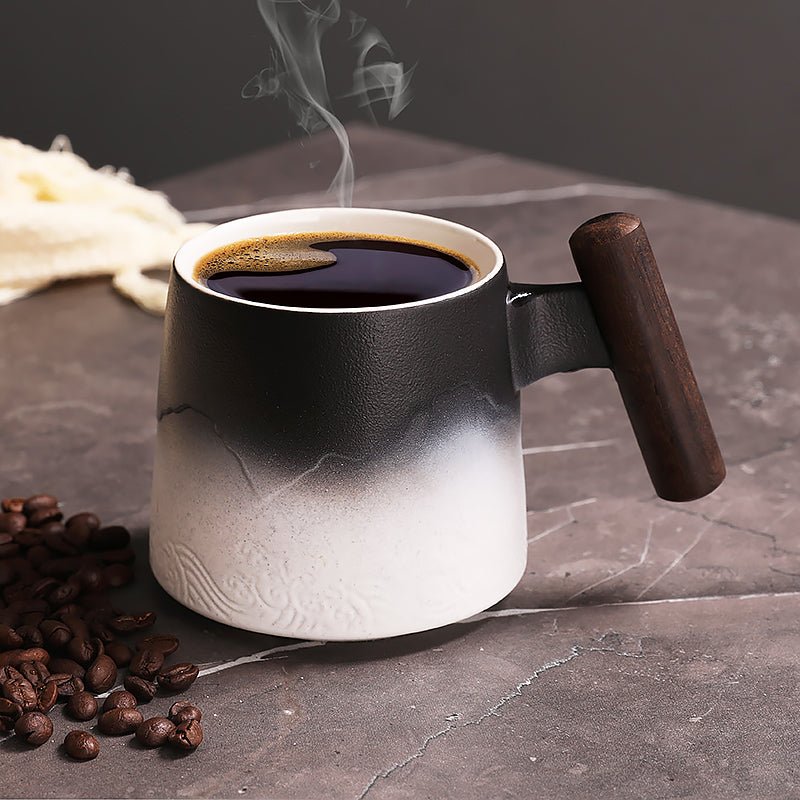
Coffee Mug Painting: What Holds Up, What Peels, and What to Buy
Coffee mug painting looks simple until the first wash cycle or the first hot rinse. We break down which surfaces, paints, and mug shapes hold up better, and where a plain ceramic mug is the safer buy.
Read more
Leave a comment
This site is protected by hCaptcha and the hCaptcha Privacy Policy and Terms of Service apply.