

Decaf Coffee Cup for Home: Compare Capacities, Handles & Serving Sizes
Reading time: about 7 minutes
What size decaf coffee cup for home actually fits your evening routine?
Picture this: evening arrives, you settle into your kitchen or desk with a decaf coffee cup for home, and suddenly the volume feels either too small or too large for your ritual. We've handled this exact scenario repeatedly in our store, where customers describe their evenings and we help them select cups that match without forcing adjustments.
Capacity directly impacts how the cup performs during your daily unwind. The Retro model offers 170 ml, compact enough for a focused single serve that fits most single-person households or smaller counters. Retro 170 ml. The Pleated version provides 200 ml, striking a practical balance for typical home use where you might enjoy a moderate pour without excess space. Pleated 200 ml. For those who prefer a more generous serving that lasts through your full evening session, the Emerald delivers 270 ml and allows for that satisfying larger fill-up. Emerald 270 ml.
We've seen many buyers overlook this detail until after purchase. A 170 ml cup works great for quick refills during a busy evening, but if your serving preference leans toward fuller cups, the jump to 200 or 270 ml can transform the experience from ordinary to intentional. Trade-off: smaller capacities save counter space and make the cup lighter to move around the house, while larger ones create a more substantial feel on the table but require more planning for storage.
Measure your typical serving size first and test how the cup sits on your counter. Our team often guides customers to start with the 200 ml Pleated option before deciding between the compact Retro or roomier Emerald. This approach prevents the common mistake of buying based on photos alone rather than real kitchen fit.
How does handle comfort change the way you hold your decaf coffee cup for home?
Handle comfort becomes noticeable the moment you pick up your decaf coffee cup for home during those slower evening moments when you sip deliberately. A comfortable grip reduces fatigue over time, especially if the cup sits on a desk or table for extended unwinding periods.
We've tested various designs closely, noting that wider, contoured handles on our models provide secure control without digging in or slipping when hands are warm from recent use. This matters because many buyers use these for rituals lasting 20-30 minutes, where poor ergonomics lead to early fatigue. The Retro, Pleated, and Emerald all feature balanced handles that feel natural in the hand, but comfort varies by personal preference—some prefer slimmer for precision while others need broader for stability.
Common trade-off: narrow handles work for quick sips but can feel unstable during longer holds. Wider options enhance comfort but may take up more counter room. We've advised customers to consider their usual position—kitchen table versus office desk—and select accordingly. If your hands run warm quickly, look for handles that insulate slightly from heat transfer.
In practice, comfortable handles encourage consistent use rather than leaving the cup on the side. Compare the feel yourself if possible by holding similar styles side by side before choosing.
Which material best suits a decaf coffee cup for daily home use?
Material selection shapes how your decaf coffee cup for home performs week after week in a typical kitchen environment. Ceramic emerges as a strong default because it offers a smooth surface that resists stains and cleans easily with minimal effort.
We've observed that our ceramic options hold up well through repeated dishwasher cycles and daily handling, though they require gentle treatment to avoid chips from drops. Trade-off: ceramic provides excellent heat retention for keeping contents warm longer during evening rituals, but it can crack if exposed to extreme temperature shifts. Glass alternatives feel lighter but absorb odors faster and break more easily, while plastic stays unbreakable yet loses appeal over time.
Consider your household routine: if you have frequent guests or kids who might knock things over, prioritize sturdy builds. For solo evening use like ours, smooth ceramic interiors prevent residue buildup from coffee oils. Always verify the specific listing for food-contact suitability and any noted care instructions.
Our selection emphasizes durable finishes that maintain their appearance through years of home use without special maintenance beyond standard cleaning.
How do I choose the right decaf coffee cup for my kitchen setup?
Selecting the right decaf coffee cup for home starts with evaluating how it integrates into your actual kitchen space and daily flow. We've helped dozens of customers narrow choices by considering counter size, cabinet space, and overall style consistency with their existing decor.
Key variables include the 170 ml Retro for tight spots, 200 ml Pleated for moderate counters, and 270 ml Emerald when you want a statement piece. Serving preference guides the decision—quick sips favor smaller, while relaxed longer sessions suit larger volumes. Style plays a role too: retro shapes match vintage kitchens, while modern lines fit contemporary spaces.
Practical comparison: place candidate cups on your counter during different times of day to test balance and visibility. If your setup includes a coffee station, choose one that doesn't dominate the surface. We've noted that buyers who fail to account for their specific counter depth often end up with items that feel oversized or undersized.
Next step: browse our collection of unique coffee mugs for more options that might fit your space better: unique coffee mugs collection.
- 170 ml Retro: Compact for tight counters and quick sips. Saves space but needs more frequent refills.
- 200 ml Pleated: Versatile middle ground for moderate home use. Balances feel and convenience.
- 270 ml Emerald: Generous for longer sessions. Creates a substantial table presence but takes more storage.
What care steps keep my decaf coffee cup looking new?
Simple care routines extend the life of any decaf coffee cup for home and keep it looking fresh through seasons of use. We've developed these steps based on patterns we've seen in customer experiences and our own store handling.
Hand wash immediately after use with warm water and mild dish soap to remove residue before it sets. Avoid abrasive pads that scratch the surface over time. For the dishwasher, select the gentle cycle on the top rack to minimize heat exposure. Rinse thoroughly after each use to prevent mineral buildup from water.
Store upright in a cabinet or on an open shelf to maintain shape and prevent tipping damage. Inspect regularly for cracks at the base or handle joints, which signal the need for replacement. Avoid sudden temperature changes by not placing hot cups directly into cold water or microwaving.
With consistent application of these steps, your chosen model maintains its appeal and functionality for years. Check each product listing for any brand-specific recommendations unique to that style.
- Hand wash right after use with mild soap
- Use gentle dishwasher cycle on top rack
- Store upright to prevent tipping damage
- Inspect weekly for cracks at base or joints
Frequently asked questions
What capacity should I choose for a decaf coffee cup for home?
Capacity depends on your typical serving preference and how much you enjoy during evening rituals. The Retro 170 ml works well for compact single serves, the Pleated 200 ml offers a versatile middle ground, and the Emerald 270 ml suits fuller portions. Test what matches your current habit by measuring a sample pour in the selected cup and comparing to your counter space.
How does handle comfort influence a decaf coffee cup for home?
Comfort affects how long you hold the cup comfortably during extended use. Wider ergonomic designs reduce strain on the hand, especially after recent use. Our models balance this feature across the Retro, Pleated, and Emerald options, but personal grip preference varies—some prefer slimmer for precision while others need broader for stability.
Is a larger decaf coffee cup for home worth the extra space?
Larger capacities like 270 ml enhance the ritual if you prefer generous servings and longer enjoyment time. They work best when counter space allows and your serving style aligns with the volume. Smaller 170-200 ml options save room but require more frequent refills if you enjoy bigger pours.
What material works best for daily decaf coffee cup for home use?
Ceramic provides a smooth, stain-resistant surface ideal for home kitchens with easy cleaning. It holds heat well but needs gentle care to prevent chips. Verify the listing for exact construction details and confirm it suits your cleaning habits before purchase.
How do I clean and maintain my decaf coffee cup for home?
Hand wash with mild soap and rinse immediately after use. Run the dishwasher on gentle if preferred. Store upright and avoid extreme temperature shifts. Regular inspection catches cracks early and keeps the cup looking new for many years of service.
More from our blog
Read more
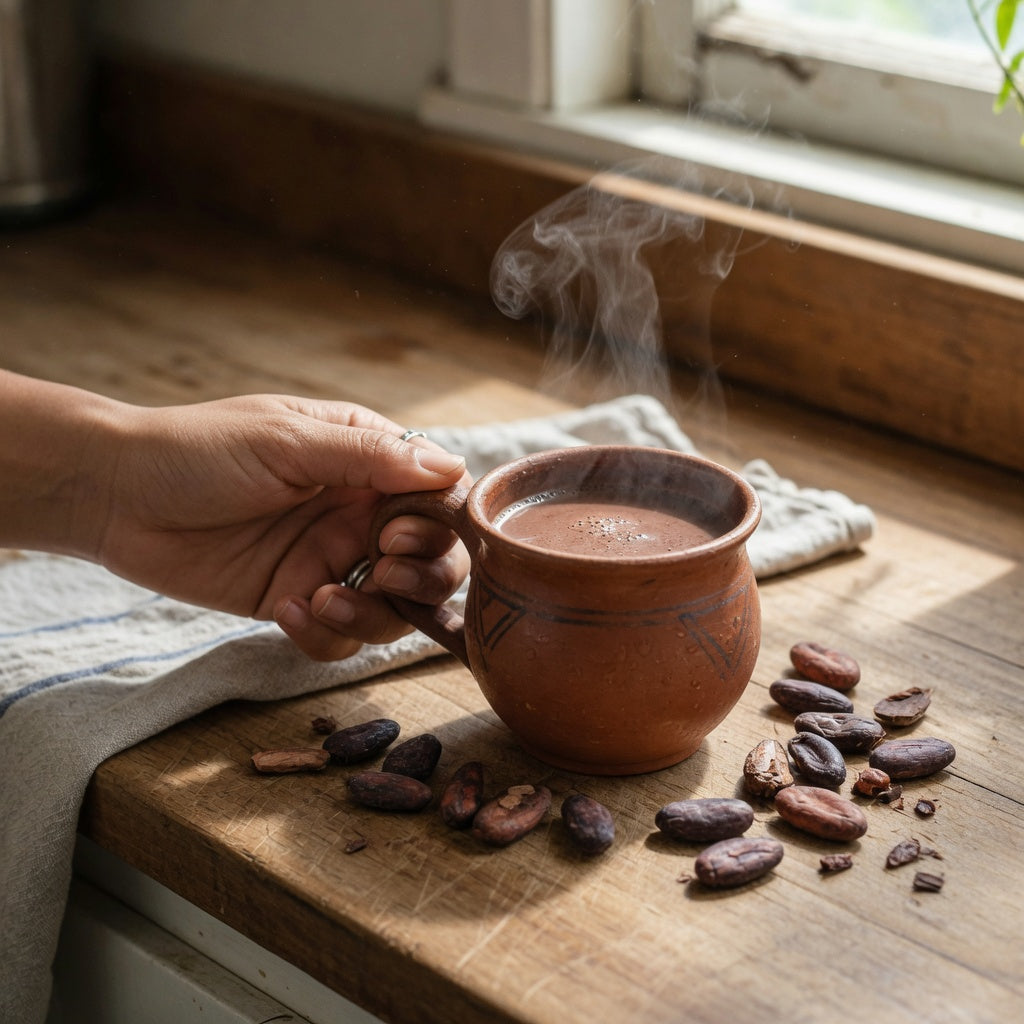
Cacao Cups for Home: Compare Capacities and Handles
Compare cacao cups for home with 250 ml, 390 ml, and 400 ml capacities plus ball, round, and spittoon handles. Discover real trade-offs in grip, opening size, and daily kitchen or desk use so you p...
Read more
Small Ceramic Coffee Cup for Office: Compare Sizes & Materials
A small ceramic coffee cup for office solves tight desk space while keeping your coffee hot and your workspace clean. Compare sizes, materials, and durability to pick the right compact option for d...
Read more
Leave a comment
This site is protected by hCaptcha and the hCaptcha Privacy Policy and Terms of Service apply.