
Contigo Coffee Mug Buying Guide: What to Check Before You Buy
Reading time: about 9 minutes
What makes a Contigo coffee mug worth considering?
A good Contigo coffee mug usually solves one simple problem: you want coffee to stay contained and drinkable while the day moves around you. That is why shoppers reach for this category when the commute is messy, the car cup holder is narrow, or the office desk is too crowded for an open ceramic cup.
In our store, we see two very different buyer profiles. One wants a mug that can survive a backpack, train ride, or car console without leaking. The other wants a mug for a desk or kitchen counter and later realizes a travel-style lid is not always the most pleasant way to sip at home. The Contigo coffee mug category can work well for both, but only if you buy for the right use case.
Most models in this style rely on a few common building blocks: a stainless steel body, a plastic lid with a drinking opening, and an insulated construction that helps hold temperature longer than a plain cup. The lid design matters as much as the body. A poor seal or a finicky button is usually what frustrates buyers, not the steel shell itself.
If you are comparing this against simpler everyday mugs, our Coffee Mug Buying Guide: Materials, Sizes, and Everyday Use is a useful starting point. It helps separate the features that genuinely improve daily use from the ones that just sound good on a product page.
Which features matter most before you buy?
We recommend focusing on four details before you choose a Contigo coffee mug. These are the parts that show up in daily use, and they are also the ones that tend to disappoint people if they skip the comparison step.
- Lid style. Push-button lids, slider lids, and twist lids all feel different. A push-button lid is often easy to open one-handed, but it has more moving parts to clean. A slider lid can be simpler, but if the seal is worn or the channel is dirty, it may not close as crisply.
- Insulation. If you want coffee to stay hot during a commute, look for vacuum-insulated stainless steel. If you want a lighter mug for short trips, you may not need maximum heat retention and can prioritize easy handling instead.
- Capacity. Common travel mug sizes usually sit around 16 to 20 ounces, which is practical for a standard pour but may not suit someone who drinks oversized morning coffee. A smaller size is easier to carry and fits more cup holders, while a larger size gives you fewer refill runs.
- Cleaning access. This is where many buyers get stuck. Lids with narrow channels, springs, seals, or tiny vents can trap coffee oils. If the lid does not come apart easily, it can start smelling stale long before the body does.
We also tell shoppers to check the base diameter if they plan to use it in a car. A mug that looks perfect on a kitchen shelf can be awkward in a small cup holder. That is the kind of detail that rarely shows up in a lifestyle photo, but it matters every morning.
If you are comparing insulated mugs to heated options for a desk, our Heated Coffee Mug Buying Guide for Desk Use and Daily Sips explains where a travel mug makes sense and where a heated mug is the better fit.
Is a Contigo coffee mug better for commuting or for desk use?
For commuting, this style usually makes sense. The lid is the point. You want one-handed drinking, less spill risk, and enough insulation to keep a mid-morning coffee from turning flat before you arrive. That is the job a Contigo coffee mug is built to do.
For desk use, the answer is more mixed. If you type a lot, answer calls, or move between rooms, a sealed mug still helps. But if your coffee time is slow and intentional, a ceramic cup often feels better in the hand and is easier to rinse out between refills. We cover that side of the decision in our Ceramic Coffee Mug Buying Guide: What to Check Before You Buy.
Here is the practical split we see most often:
- Choose a Contigo coffee mug if you need spill resistance, transport, or temperature retention on the move.
- Choose ceramic if you mostly drink at a table, want a more open sip, and do not need a sealed lid.
- Choose a larger everyday mug if your main complaint is that standard cups run out too quickly. Our Big Mug Coffee: How to Choose the Right Large Mug for Daily Use guide covers that trade-off well.
We do not treat travel mugs as universally better. A Contigo coffee mug is not the best pick for latte art, for very slow sipping over a long breakfast, or for people who hate lid maintenance. Those shoppers are usually happier with a ceramic mug or a simpler open-top tumbler.
What problems do buyers run into after a few weeks?
The first week usually goes fine. The problems show up later, once the mug has been through dishwasher cycles, stuffed in a bag, or used with darker roasts that leave more residue behind.
These are the common failure points we see shoppers mention after real use:
- Gasket wear. The seal can loosen or stop sitting cleanly if it is repeatedly removed, stretched, or not fully re-seated after washing.
- Lid residue. Coffee oils build up in the drink opening, hinge, vent, and underside of the lid. If you do not clean those channels, the mug starts to smell stale.
- Cosmetic wear. Powder-coated finishes can show scratches from car consoles, metal utensil contact, or being packed with keys.
- Heat mismatch. Some buyers expect a travel mug to keep coffee piping hot for a very long time. It will usually hold temperature well, but the actual experience depends on how full it is, whether the lid stays shut, and how often it is opened.
We always recommend checking care instructions before buying. Some lids are dishwasher-safe, some are easier to wash by hand, and some need extra attention around the seal. If you want the mug to last, our Coffee Mug Care Tips to Make Your Mug Last Longer article is worth a read before your first wash.
A simple habit helps more than most buyers realize: rinse the lid soon after use, disassemble any removable seals when the model allows it, and let everything dry fully before reassembling. That prevents odor buildup and keeps the seal from trapping moisture.
How do you compare Contigo mugs with other mug types?
We think the easiest way to compare is by use case, not by brand loyalty. A Contigo coffee mug is a tool. Pick the right tool for the routine you actually have.
| Type | Best for | Main trade-off |
|---|---|---|
| Contigo-style travel mug | Commutes, office carry, spill resistance | More lid parts to clean |
| Ceramic mug | Desk, home, relaxed sipping | Not designed for transport |
| Large everyday mug | People who want a bigger pour at home | Can be bulky and less portable |
| Heated mug | Long desk sessions and slow drinking | Less convenient for the car or bag |
For shoppers who are still sorting through mug types, our full range on all mugs and drinkware is the easiest place to compare styles in one place. We use that same logic in our store when we help customers choose: first the routine, then the material, then the lid or handle style.
We also see some shoppers buy a travel mug because they think it will replace every other mug in the house. Usually it does not. A sealed mug is excellent for movement, but a ceramic mug still wins for feel, aroma, and easy cleanup at the sink. That is not a flaw. It is just a different job.
What should you check before clicking buy?
If you want the simplest buying checklist, use this one:
- Confirm the mug size fits your normal coffee amount and your car cup holder, if that matters.
- Check whether the lid is meant for one-handed use, twist closure, or a slider opening.
- Look at cleaning instructions for the lid, gasket, and drinking channel.
- Decide whether you need maximum insulation or just a cleaner, leak-resistant carry option.
- Think honestly about where you will use it most: kitchen, desk, car, train, or bag.
That checklist sounds basic, but it filters out most bad buys. The wrong mug is usually not broken. It is simply mismatched to the routine.
We also suggest paying attention to how the mouthpiece feels when you drink. Some travel mugs pour more narrowly than others, and that affects the experience with black coffee versus milk-based drinks. A narrow opening can reduce splashing, but it can also make the sip feel more restricted. That is one of those small details that shoppers often only notice after the mug arrives.
Frequently asked questions
Is a Contigo coffee mug good for keeping coffee hot all morning?
It can be, especially if the mug uses insulated stainless steel and the lid stays sealed between sips. The exact heat retention depends on fill level, starting temperature, and how often you open it. For the best results, pre-warm the mug with hot water before adding coffee.
Can I put a Contigo coffee mug in the dishwasher?
That depends on the specific model and lid design. Many buyers can wash the body and some lid parts in the dishwasher, but seals and moving lid components often need hand attention. Check the care instructions for the exact mug you are buying.
Is a Contigo coffee mug better than a ceramic mug?
Not for every use. A Contigo coffee mug is better if you need spill resistance and portability, while ceramic is usually better if you drink slowly at home or at a desk. We would choose ceramic for relaxed kitchen use and Contigo-style travel mugs for commuting.
What size Contigo coffee mug should I buy?
Most buyers are comfortable in the 16 to 20 ounce range for daily use, but the right size depends on how much coffee you actually drink and whether the mug needs to fit a cup holder. If you like a larger pour at home, a bigger mug may make more sense than a travel mug.
What is the biggest downside of a travel mug lid?
Cleaning. Lids, seals, and vents can trap coffee residue and odors if they are not washed properly. If you want the easiest cleanup possible, a simple ceramic mug is still the easier choice.
If you are ready to compare options, start with the full selection on our mug collection, then use the checklist above to narrow down the right size, lid, and material for your routine.
More from our blog
Read more
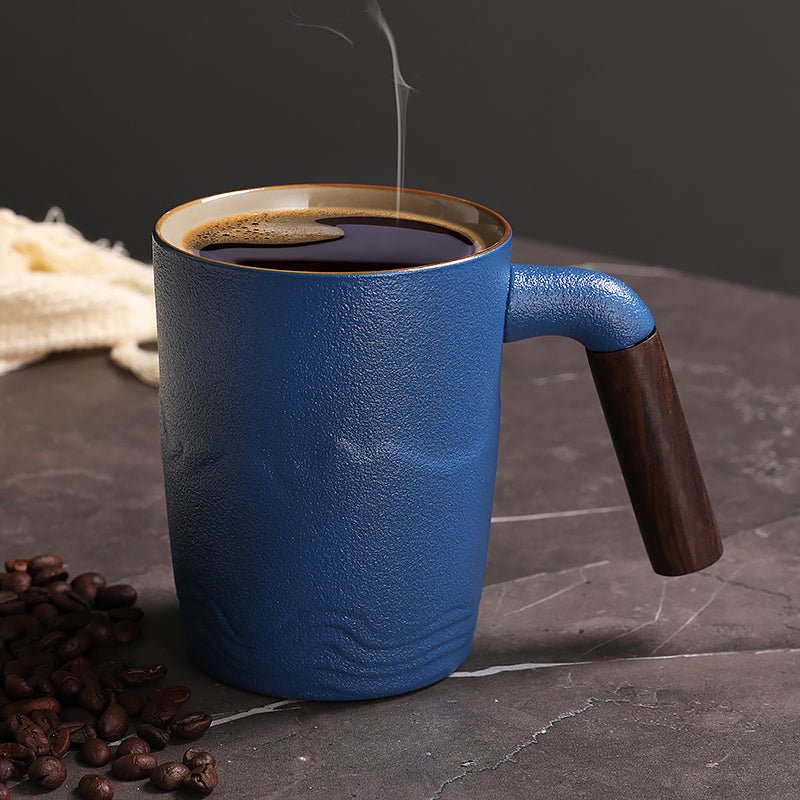
Ceramic Coffee Mug Buying Guide: What to Check Before You Buy
A ceramic coffee mug should feel balanced in the hand, hold heat without becoming unwieldy, and survive regular dishwasher use. Here is how we judge glaze, weight, shape, and everyday durability be...
Read more
Coffee Mug Warmer: What to Check Before You Buy One
A practical guide to choosing a coffee mug warmer, covering heating methods, mug compatibility, safety features, and trade-offs. Based on what we see in our store and hear from customers.
Read more
Leave a comment
This site is protected by hCaptcha and the hCaptcha Privacy Policy and Terms of Service apply.