
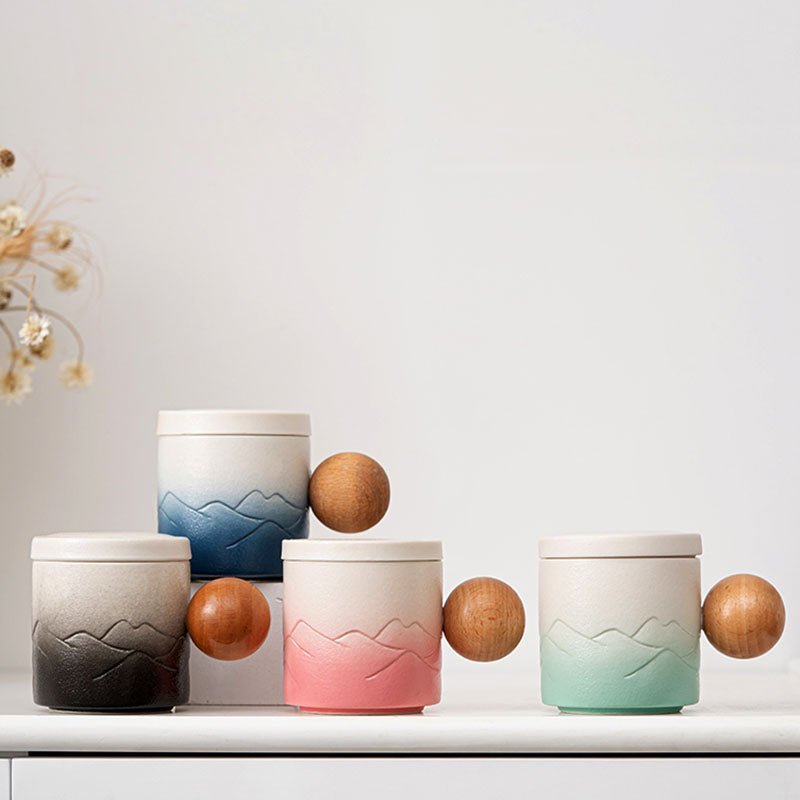
Coffee Mugs DIY: What to Buy Before You Customize or Gift
Reading time: about 10 minutes
A mug that looks great on your desk can still be the wrong mug for a DIY project. We see that all the time in our store: shoppers want something paintable, giftable, and durable, then realize too late that the shape, glaze, or handle makes the whole project harder than it needs to be.
If you are working on coffee mugs diy, start with the mug itself. The right base mug makes painting easier, makes the finished piece look cleaner, and usually holds up better once it starts living on a kitchen counter, office desk, or gift shelf.
For shoppers who want a finished mug with an artistic look already built in, our Koi Fish Coffee Tea Mug is a strong reference point. It is not a blank canvas, and that is the point: sometimes the right DIY move is choosing a design-forward mug and styling around it instead of trying to paint every cup from scratch.
If you want to compare the full range before picking a base mug for a project, start with our collection of coffee mugs. That makes it easier to compare shape, artwork style, and intended use before you buy.
What makes a mug good for a DIY project?
A good DIY mug is usually simple, stable, and easy to grip. We look for a straight or gently curved body, a comfortable handle, and a finish that will not fight you while you are decorating, wrapping, or displaying the mug.
In practice, the best choices are often ceramic mugs with enough surface area for a design but not so much curvature that decals, paint, or markers look distorted. A mug with a narrow base can tip during crafting. A handle that is too small can make a finished mug feel awkward, especially once you add a spoon, tea bag, or gift tag.
Three concrete details matter more than most shoppers expect:
- Surface finish: a smoother exterior is easier for decals and hand-lettering; heavily textured surfaces can create uneven paint lines.
- Body shape: a straighter mug wall gives you a cleaner design zone than a deeply tapered profile.
- Care expectations: if you plan to hand-paint, the mug may need gentler washing than a factory-finished printed mug, especially if you use non-fired craft paints.
That last point is where DIY buyers get disappointed. A handmade finish can look beautiful, but it is not always as dishwasher-safe as a professionally produced print. If your mug will be used every day at a desk or in a shared kitchen, build for durability first and decoration second.
Should you buy a blank mug or a pre-designed mug for DIY?
We get this question a lot because “DIY” does not always mean starting from zero. Sometimes you want a blank mug for painting. Other times you want a mug that feels custom without spending a weekend on it.
| Option | Best for | Trade-off |
|---|---|---|
| Blank ceramic mug | Painting, vinyl decals, resin accents, party favors | More work, and the final finish depends on your materials and technique |
| Pre-designed art mug | Gifting, styling a shelf, quick “DIY-inspired” presents | Less room for customization |
| Mixed approach | Layering a tag, ribbon, or gift set around the mug | Not fully handmade, but usually faster and cleaner |
In our experience, shoppers who want a gift for a friend often do better with a pre-designed mug plus a small DIY touch like a tea sachet, pen, or handwritten note. Shoppers who want a craft activity for a shower, holiday table, or class project usually want a blank mug with a predictable shape.
If you are choosing by capacity as well as style, our guides on 12 oz coffee mugs and 16-ounce ceramic coffee mugs are useful because size changes the whole DIY experience. A larger mug gives you more design space, but it can also feel bulky in the hand.
Which mug shapes are easiest to decorate?
Not every mug shape is equally friendly to paint pens, vinyl, or heat-transfer projects. Straight-sided mugs are usually easiest. Slightly curved mugs are still workable, but the design has to be planned more carefully so it does not stretch visually around the belly of the mug.
We also pay attention to handle clearance. A handle that sits too close to the cup body can make wrapping vinyl or painting near the side seam frustrating. It can also leave you with a design that looks crowded once you add a logo, name, or small illustration.
If you want a mug that already feels like a finished piece of art, the The Crane Coffee Tea Mug is worth comparing against a blank mug. It is better suited to someone who wants an elegant display piece or gift, not a paint-over project.
For a more scenic, giftable look, the Landscape Coffee Tea Mug gives you a different visual direction. It is a good reminder that DIY shoppers do not always need to customize every surface. Sometimes the better move is choosing a mug that already matches the room, the recipient, or the theme.
What materials and finishes should you check before buying?
Most DIY mug buyers end up choosing ceramic, and that makes sense. Ceramic has a familiar weight, it feels stable in the hand, and it usually gives you a smoother decorating surface than rough stoneware or specialty novelty mugs.
Still, not all ceramic mugs behave the same way. Before you buy, look at:
- Glaze finish: glossy finishes reflect light and can make tracing more difficult, while matte or satin finishes may be easier to mark but sometimes show wear faster.
- Rim quality: a smooth, even rim matters if you plan to drink from the mug daily, not just display it.
- Handle join: the join between handle and body should look clean, because weak-looking joins can distract from an otherwise polished DIY finish.
- Printed area: if the mug already has artwork, check how much uninterrupted space remains for labels, doodles, or gift personalization.
We handle enough mugs to know that buyers often focus on the design first and forget the parts they will touch every day. The handle and rim are not small details. They are the difference between a mug that feels satisfying to use and one that only photographs well.
How do you make a DIY mug gift feel finished instead of homemade in the wrong way?
The quickest way to make a mug gift feel polished is to keep the project simple. A busy mug with too many materials can look cluttered once it is wrapped in tissue or placed in a gift box.
Our store-side advice is practical:
- Use one main focal point: a name, a simple icon, or a small seasonal motif.
- Choose a mug size that suits the drinker’s routine. If they sip coffee slowly at a desk, a mid-size mug often works better than an oversized one.
- Add one supporting item only: tea, cocoa mix, a spoon, or a coaster.
- Test the handle comfort before gifting. A mug can look perfect and still feel awkward if the handle is too tight for the recipient’s fingers.
If you want sizing help before you buy, our articles on 10 oz coffee mugs and 14 ounce coffee mugs can help you match the mug to the person, not just the design.
A DIY mug does not need to be perfect. It does need to feel intentional. That means clean lines, one clear theme, and a mug shape that supports the look instead of fighting it.
What are the common mistakes shoppers make with coffee mugs diy?
The biggest mistake is buying the wrong base. A mug that is hard to hold, awkward to decorate, or too delicate for everyday use will frustrate you after the first wash.
Here are the problems we see most often:
- Choosing a mug that is too curved: designs warp as they wrap around the body.
- Ignoring wash instructions: some craft finishes need hand washing, especially if the design is painted after purchase.
- Buying for looks only: a narrow handle or heavy feel can make the mug unpleasant for daily coffee.
- Overcrowding the mug: too many decals or paint layers can make the final piece look busy rather than custom.
- Skipping the use case: a display mug is not the same thing as a desk mug, and a gift mug is not the same thing as a commuter mug.
We also see shoppers assume every mug is microwave-safe or dishwasher-safe. That is not something to guess about. If the mug will be used in a busy kitchen, check the care guidance carefully and choose a finish that fits real life, not just photos.
Which mugs make the best gifts if you want a DIY feel without starting from scratch?
If you want the handmade feeling without full customization, a pre-designed mug with a strong visual identity is often the smarter buy. It saves time, looks cohesive, and still feels personal when paired with a note or gift wrap.
The Koi Fish Coffee Tea Mug, The Crane Coffee Tea Mug, and Landscape Coffee Tea Mug are all good examples of mugs that already carry a design story. They work well for shoppers who want the gift to feel considered without needing to paint, seal, or cure anything.
That said, these are not blank craft mugs. If your project depends on a fully empty surface, you will want a different style. Our point is simple: pick the mug based on the final use, not just the idea of DIY.
How should you care for a decorated mug so it lasts?
Care depends on what was done to the mug after purchase. A factory-printed mug usually tolerates more routine washing than a hand-decorated one. If you add paint, decals, or adhesive details, the safest approach is gentler handling until you know how the finish behaves.
We recommend this simple routine for DIY-decorated mugs:
- Let any paint, adhesive, or sealant fully set before first use.
- Wash by hand when you are unsure about the finish.
- Use a soft sponge instead of an abrasive scrub pad.
- Avoid thermal shock, such as moving a very hot mug into cold water right away.
- Store it where the design will not rub against other hard items.
If you want a mug that is meant to be used every day with less fuss, a professionally finished mug is usually the better choice. If you want a craft piece for special occasions, you can afford to be a little more delicate with care.
Frequently asked questions
What kind of mug is best for coffee mugs diy?
A smooth ceramic mug with a stable base is usually the easiest starting point. Straight or lightly curved sides work better for decals and paint than heavily tapered shapes. If the mug will be used daily, choose one with a comfortable handle and a finish that feels solid in the hand.
Can I put a DIY coffee mug in the dishwasher?
Sometimes, but not always. Factory-printed mugs are usually more forgiving than hand-painted or decal-decorated mugs. If you used craft paint, glue, or custom vinyl, hand washing is often the safer choice unless the materials specifically say otherwise.
Are pre-designed mugs still good for a DIY gift?
Yes. A pre-designed mug can be the right choice if you want a fast, polished gift without full customization. Add a tea bag, cocoa packet, ribbon, or handwritten tag and it still feels personal.
What size mug is easiest for a beginner DIY project?
A mid-size mug is usually the easiest because it gives you enough design space without feeling oversized. Very small mugs can be hard to decorate neatly, and very large mugs can make your design look stretched or sparse.
What should I avoid if I want the mug to be used every day?
Avoid overly fragile finishes, awkward handles, and designs that cover the whole grip area. If the mug feels good empty, that is a good sign it will still feel good after coffee, tea, or cocoa is added. Daily-use mugs should be simple enough to wash quickly and sturdy enough to move around a busy kitchen or office desk.
If you are comparing options right now, start with one question: do you want a blank surface to decorate, or a finished mug that already looks gift-ready? From there, check size, handle comfort, and care needs, then browse our full coffee mug collection to pick the style that fits the project.
Read more
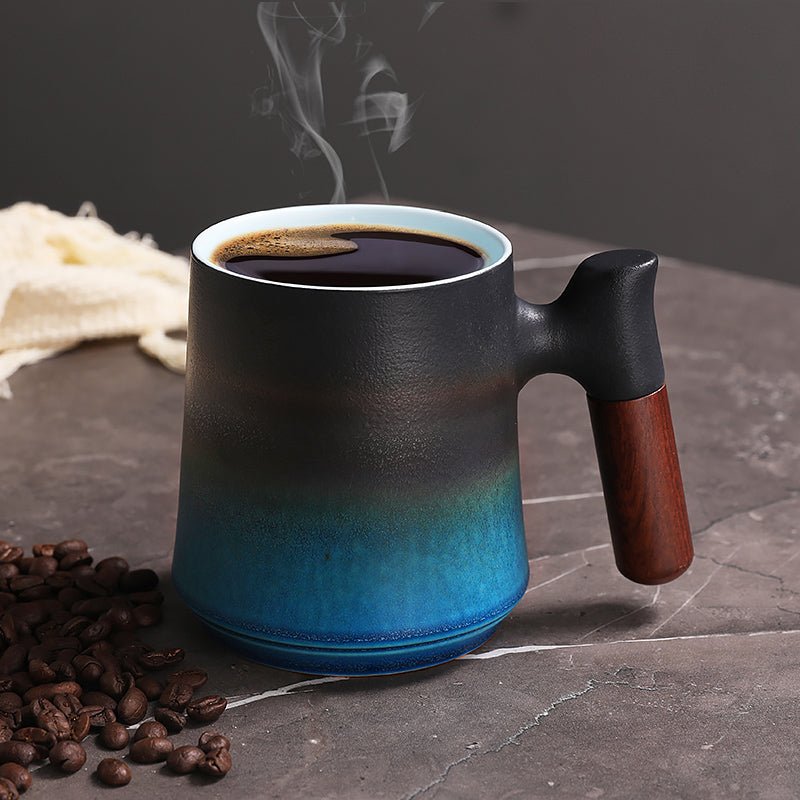
Cauldron Coffee Mug Buyer’s Guide: What to Check Before You Buy
A cauldron coffee mug can be a fun desk piece, a gift, or a Halloween-season favorite, but the best choice depends on shape, capacity, and how you plan to use it. Here’s what we check in our store ...
Read more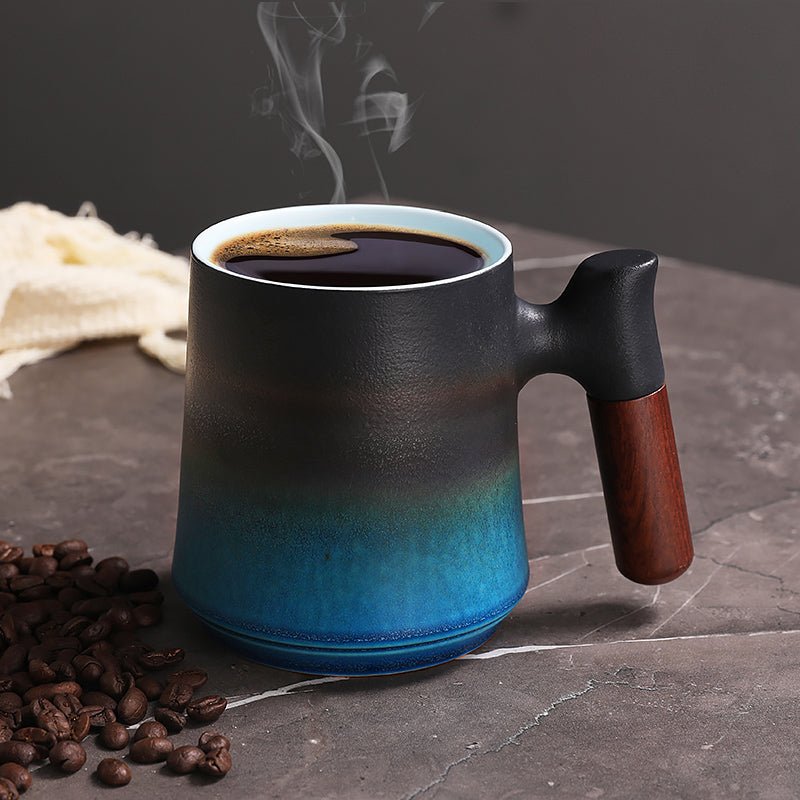
Ghost Coffee Mug: What to Buy, What to Check, and Best Alternatives
A practical guide to choosing a ghost coffee mug for daily use, gifting, or display. We compare styles, size fit, and finish details so you can pick the right mug the first time.
Read more
Leave a comment
This site is protected by hCaptcha and the hCaptcha Privacy Policy and Terms of Service apply.