
Coffee Mug Warmers: How to Choose Mugs That Actually Hold Heat
Reading time: about 8 minutes
A mug that rocks on the warmer plate is more than annoying. It heats unevenly, loses contact, and usually ends up cooler than you wanted after the first 10 minutes. We see that problem most often with oversized bases, curved bottoms, and lightweight cups that look fine online but are awkward on a desk.
That is why the mug matters as much as the warmer. In our store, we look at the same practical details shoppers do at home: base width, wall thickness, handle clearance, and whether the mug will survive real use in a kitchen sink, office break room, or dishwasher rack. If you are comparing coffee mug warmers with the mugs you already own, the fit is where the decision usually gets made.
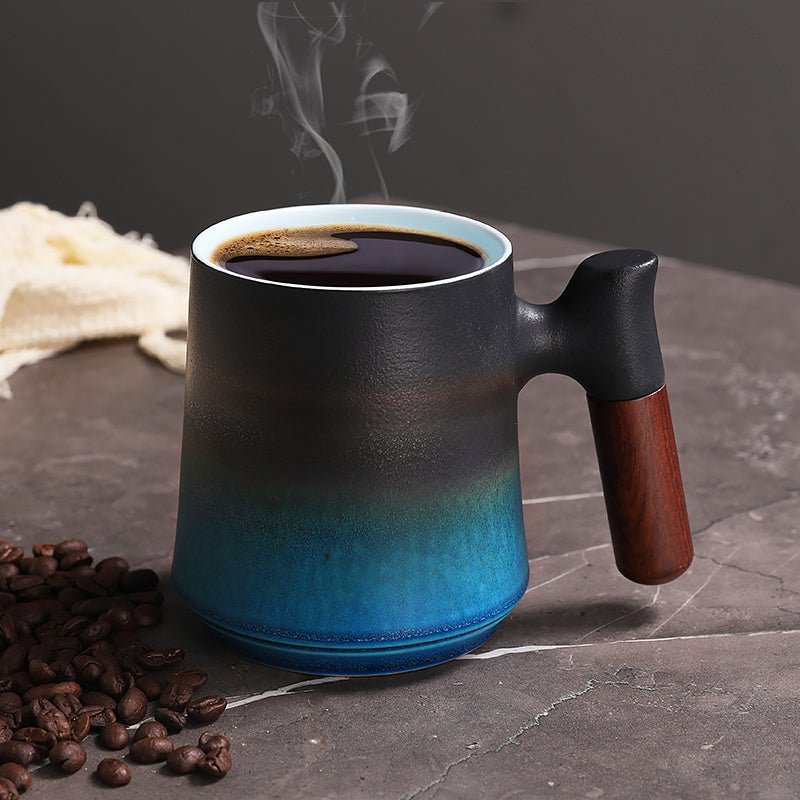
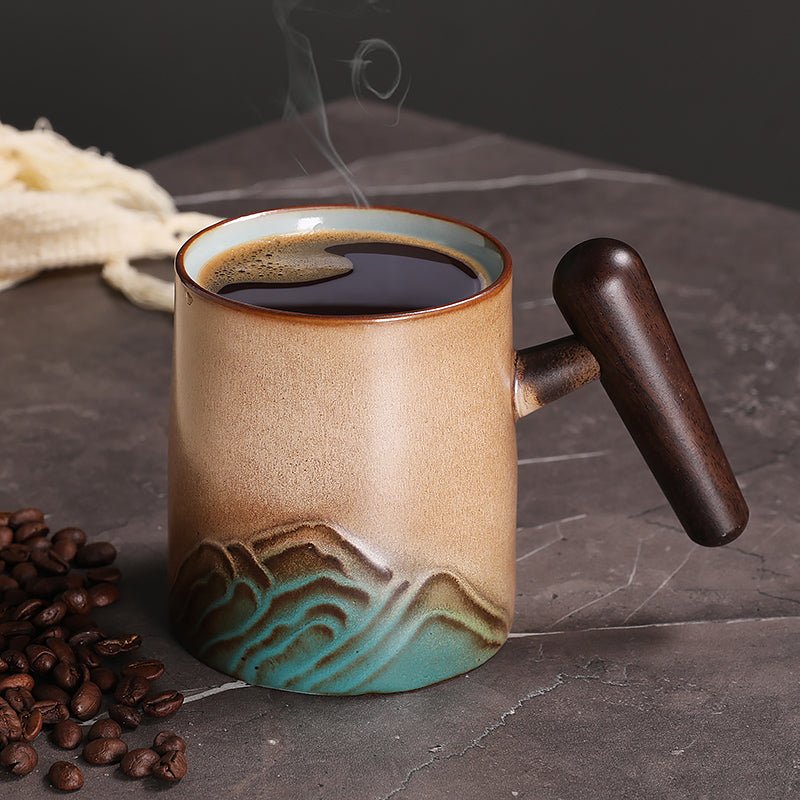
For shoppers who want a mug with a stable base and everyday appeal, the Landscape Coffee Tea Mug is a practical place to start. If you want something with a more visual finish that still works on a desk, the Gradient Coffee Tea Mug is worth a look. For a more classic profile, the Retro Coffee Tea Cup gives you a familiar shape that many people prefer for daily coffee.
If you want to compare more options, our full collection is the easiest way to scan sizes and styles in one place. We also cover fit in more detail in our 10 oz Coffee Mug: Size, Fit, and What to Check Before You Buy, our 11 oz Coffee Mug: Size, Fit, and What to Check Before You Buy, and our 12 Ounce Coffee Mug Buying Guide for Daily Use and Better Fit.
Why do some mugs work better on coffee mug warmers than others?
The answer starts with the base. Coffee mug warmers rely on direct contact, so a flat or nearly flat bottom gives you better heat transfer than a curved foot ring or a narrow taper. A mug with a stable base also sits centered on the plate, which matters if you leave it warming while answering emails or stepping away from the desk.
Material matters too. Ceramic is the most common choice because it holds heat better than thin glass and does not feel flimsy in hand. Stoneware tends to feel heavier and more stable. Thin lightweight mugs can still work, but they usually cool faster once you lift them off the warmer.
We also check handle shape. A handle that sits too close to the body can get warm faster than you expect, especially after repeated heating. That is not a defect, just a practical trade-off you should know about before buying.
- Best for warmers: flat-bottom ceramic or stoneware mugs
- Usually workable: sturdy mugs with a broad, level base
- Less ideal: highly tapered cups, double-wall insulated mugs, and very thin glass
What size mug should you buy for everyday warming?
For most desks and kitchen counters, a 10 to 12 oz mug is the safest starting point. It is large enough for a standard coffee pour, but not so bulky that the warmer has to fight a deep liquid column or a wide footprint. If the mug is too big, the base often becomes less stable and the drink may take longer to warm through.
We tell shoppers to think about how they actually drink coffee. If you pour a full mug and finish it slowly over an hour, a 12 oz cup can make sense. If you refill often or like a smaller serving that stays close to drinking temperature, 10 oz is often easier to live with. That is why our size guides for 10 oz mugs and 12 oz mugs are useful before you choose a mug for a warmer.
There is a real limitation here. Very large travel-style mugs are not the right match for most standard warming plates. They may not sit securely, and the base can be too wide for consistent contact. If you need something for long commutes or all-day heat retention, a vacuum-insulated travel mug is usually the better tool.
| What to check | Why it matters | Good sign |
|---|---|---|
| Base shape | Determines contact with the warmer | Flat and centered |
| Wall thickness | Affects heat retention and hand feel | Moderate ceramic weight |
| Capacity | Changes how long coffee stays enjoyable | 10 to 12 oz for most desks |
| Handle clearance | Impacts comfort after repeated warming | Easy to grip without touching the body |
Which mug materials are safest and most practical?
For coffee mug warmers, ceramic is the most predictable option. It heats evenly, cleans easily, and usually survives daily dishwasher cycles without fuss. Stoneware is similar, though it often feels denser in the hand and can be a little more forgiving if you prefer a heavier mug.
Glass can work, but it is less forgiving. Thin glass mugs may not spread heat evenly, and they tend to show residue and micro-scratches faster. Stainless steel is a different category entirely. It is durable, but it is usually not the best match for a standard desk warmer because the feel changes, the handle can be less comfortable, and some people do not like the metallic taste perception around hot coffee.
From a care standpoint, the simplest routine is the one people actually follow. We recommend checking whether the mug is dishwasher safe before assuming it will be. A printed exterior, metallic rim, or specialty glaze may require hand washing to keep the finish looking clean over time. That is especially true if the mug lives on a desk and gets washed more often than used in the kitchen.
Our rule in the store is simple: choose the mug you will use every day, not the mug that looks best in a staged photo.
What features matter if you plan to use the mug on a desk all day?
If you leave coffee on a warmer during work hours, a few details matter more than style. A stable base keeps the mug from shifting when you bump the desk. A comfortable handle matters more because the mug is lifted and set down repeatedly. A finish that hides stains or wipe marks saves time in a shared office or home workspace.
We also pay attention to the underside. Glazed bottoms can feel smoother on the warmer plate and are easier to wipe clean. An unfinished foot ring can still be fine, but it may feel rougher and collect coffee drips faster. These are the small things that separate a mug you keep reaching for from one that stays in the cupboard.
- Check the base first. Flat contact is more important than decorative shape.
- Choose the capacity around your actual pour, not the largest number you can buy.
- Look for a handle you can grip without brushing the hot wall.
- Confirm cleaning instructions so the mug survives regular use, not just first-day unboxing.
What should you choose for gifts and shared spaces?
For gifts, the safest choice is usually a mug that feels familiar, not quirky in a way that limits use. A broad audience tends to appreciate straightforward silhouettes, easy-to-clean glazes, and sizes that work on a standard warmer. The Retro Coffee Tea Cup fits that brief well if you want something classic without feeling generic.
Shared spaces are different. In an office kitchen or break room, you want mugs that are easy to identify and durable enough to handle a few rough dish cycles. Distinct finishes, such as the Gradient Coffee Tea Mug, can help people keep track of their own cup. That said, highly decorative finishes are not always the best if you prioritize maximum durability over presentation.
If you are buying for a group or outfitting a shared coffee area, the full collection is the simplest place to compare styles side by side before deciding.
What coffee mug warmers are not good for
We want to be clear about the limits. Coffee mug warmers are not a solution for fixing a bad mug fit, and they are not a replacement for a well-insulated travel vessel if you need heat for hours. They also are not ideal for very large mugs with wide, unstable bases or for cups with heavy curves under the bottom.
They are also not the best answer if you are constantly moving between rooms. If your coffee lives on the road, in the car, or in a bag, you will get better results from an insulated travel mug than from a mug-and-warmer setup. And if you drink tea that should not stay at heat for too long, you may prefer a mug you can sip normally rather than leave on a plate all morning.
That trade-off is worth saying plainly. Coffee mug warmers are best when you want a desk-side solution for a mug you already enjoy using. They are less useful when mobility, maximum heat retention, or larger capacity is the real priority.
Frequently asked questions
Do all ceramic mugs work with coffee mug warmers?
No. Most ceramic mugs work well, but the base still has to be flat enough to sit securely on the warmer plate. A mug with a curved or recessed bottom may heat unevenly or wobble, even if it is made from ceramic.
What mug size works best on a warmer?
For most people, 10 to 12 oz is the practical range. It keeps the mug manageable on a desk and usually gives you a good balance of comfort, heat retention, and stability. Very large mugs are often less convenient on a standard warmer.
Can I put a mug from the dishwasher onto a warmer right away?
Yes, if the mug is dishwasher safe and fully dried. We still recommend checking the base for trapped water before placing it on the warmer, since moisture can affect contact and make the mug feel less stable.
Are double-wall mugs good for coffee mug warmers?
Usually not. Double-wall mugs are designed to retain heat on their own, which means a warmer adds less value. They can also feel bulkier and may not sit as securely depending on the base shape.
What is the most common mistake buyers make?
Buying by look only. A mug can look excellent online and still be awkward on a warmer if the base is too narrow, the handle sits too close, or the wall shape makes it hard to clean.
If you want the easiest next step, compare a flat-bottom mug first, then choose the size you actually drink from. Our collection is the fastest way to do that, and the size guides for 11 oz mugs and 12 oz mugs can help you narrow the fit before you buy.
Read more
Nice Coffee Mugs: How to Choose the Right Everyday Mug
A practical guide to nice coffee mugs for daily use, gifting, and display. We cover size, shape, handle comfort, care, and the trade-offs that matter before you buy.
Read more
Coffee Cup Mug Buying Guide for Daily Use and Better Fit
A practical guide to choosing a coffee cup mug that fits your routine, from handle comfort and glaze finish to dishwasher use and desk-friendly shapes.
Read more
Leave a comment
This site is protected by hCaptcha and the hCaptcha Privacy Policy and Terms of Service apply.