
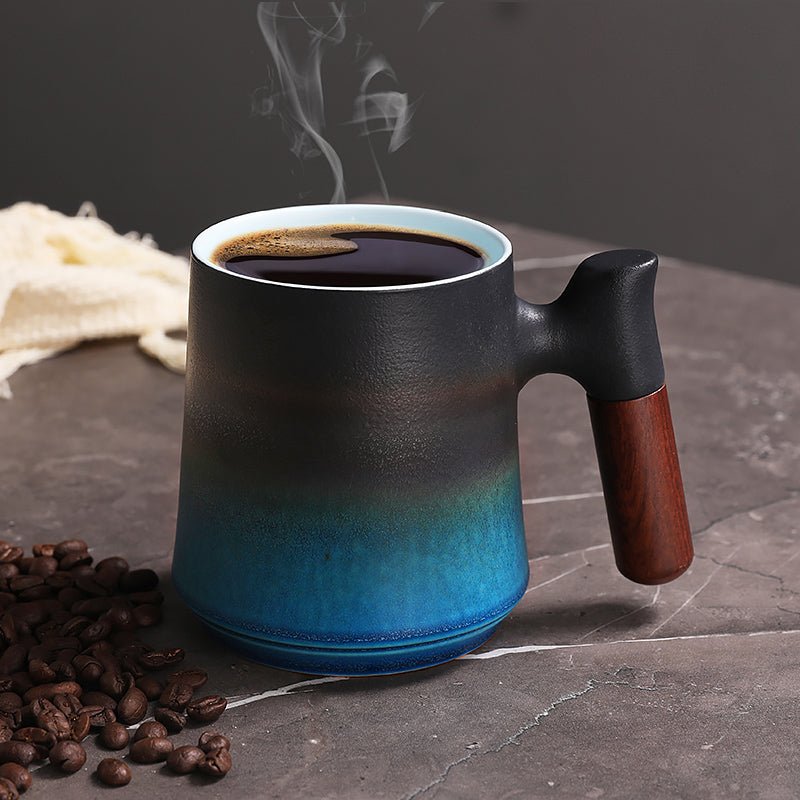
Coffee Mug Wall Holder: How to Pick the Right One for Your Kitchen
Reading time: about 9 minutes
A mug rack can look tidy on day one and feel awkward by the first week if the handles clash, the wall is too soft, or the cups sit so close to the cabinet that you have to angle them out every morning. A coffee mug wall holder has to work in real life, not just on a styled shelf.
In our store, we see the best results when shoppers choose the holder around the wall first, then match the mugs to it. If you want to compare mug styles while you plan the layout, start with our all mugs collection, then narrow down from there.
For a seasonal display that still feels usable, the Christmas Coffee Tea Mug works well as a visible accent. If you want something calmer for everyday use, the Green Waves Coffee Tea Mug keeps the display clean. For a warmer, more tactile look, the Mountain Sea II Coffee Tea Mug with Wooden Handle pairs naturally with wood-backed wall storage.
What should a coffee mug wall holder solve in a real kitchen?
The best coffee mug wall holder clears counter space, keeps the morning mugs visible, and gives each cup a fixed place. That matters more than the decorative look. If your coffee station sits under cabinets, near a sink, or in a small apartment kitchen, wall storage can free up the exact surface area you keep bumping into with a grinder, kettle, or toaster.
It is not the right choice for every setup. If you rent and cannot drill, or if your wall is thin plaster with no solid backing, a wall holder can become more trouble than it is worth. In those cases, a stand or tree holder is usually the safer buy. We say that because a holder that wobbles or pulls away from the wall is not storage anymore. It is a repair problem.
It also helps to think about the daily rhythm. A good holder should let you grab one mug with one hand before work, then put it back without nudging the others. If the handles tangle, the spacing is too tight. If the cups sit so high that they hit the cabinet bottom, the placement is wrong. That is the difference between a display piece and something you actually use.
Which mounting style and material hold up best?
For a coffee mug wall holder, the material matters as much as the shape. Powder-coated metal tends to be the most practical for busy kitchens because it handles repeated use and is easy to wipe down. Wood looks warmer and fits rustic or farmhouse spaces, but it needs a little more care around steam and splashes. Mixed builds, with a wood face and metal hooks, often strike the best balance.
Mounting style matters too. A holder fixed into wall studs is the most stable option. On tile or brick, proper masonry anchors are the right approach. Adhesive-backed options may sound convenient, but they are not what we recommend for a full set of ceramic mugs. The weight is concentrated at the hooks, not spread evenly across the surface.
| Style | Best for | Trade-off |
|---|---|---|
| Powder-coated metal rack | Everyday kitchen use, near a sink or coffee bar | Can show chips if mugs are dragged on and off roughly |
| Solid or sealed wood rail | Warm, decorative kitchens and gift displays | Needs a bit more care around moisture and steam |
| Mixed wood and metal holder | Shoppers who want a practical look with more character | Usually costs more than a basic utilitarian rail |
There is also a hidden wear point many shoppers miss: hook edges. If the hook ends are too sharp, you will eventually see marks on the mug handle or hear that little scrape every time you hang a cup up. Smooth, rounded hooks are better for ceramic glaze and for anyone who uses the holder several times a day.
How much space do you need between mugs?
Spacing is where a lot of wall holders fail. A standard mug may hang fine, but then the second cup hits the first handle, and suddenly the whole setup feels cramped. We usually look for enough side clearance that each mug can come off cleanly without scraping the next one. For most standard ceramic mugs, a little breathing room goes a long way.
Vertical clearance matters too. If the holder sits under a cabinet, measure from the hook to the underside of the shelf above. Tall mugs, travel tumblers, and cups with high handles need more headroom than a low-profile espresso cup. A wall holder is not the right fit if you mainly use oversized stoneware or insulated tumblers with broad lids. Those belong in a different storage system.
In practical terms, here is what we check before recommending a wall piece:
- Does the mug handle clear the neighboring cup without twisting?
- Can you lift the mug off with one hand while standing under the cabinet?
- Will the base or handle hit a backsplash ledge, switch plate, or shelf lip?
- Is there enough room for the mug to dry fully if it comes straight from the dishwasher?
That last point matters more than people expect. If mugs go from the dishwasher to the holder while they are still damp, you can end up with drip marks on the wall or moisture sitting around the hook area. We prefer fully dry mugs for wall storage, especially on wood-backed holders.
Which mugs look best on a wall holder?
The holder is only half the equation. The mug shape and finish decide whether the display feels intentional or cluttered. Simple ceramic mugs with clean handles usually hang best. Heavier stoneware can work, but only if the hook and mounting are solid. Glass mugs are less forgiving because they show fingerprints and water spots more easily.
For shoppers who want the wall to feel seasonal without looking busy, the Christmas Coffee Tea Mug gives you a clear accent piece without changing the whole kitchen. If you prefer a quieter everyday shelf, the Green Waves Coffee Tea Mug reads more understated. And if your kitchen already has wood, rattan, or warm brass accents, the Mountain Sea II Coffee Tea Mug with Wooden Handle blends in naturally instead of competing with the holder.
If you want more mug options before choosing a wall setup, browse the full all mugs collection. That is often the easiest way to decide whether you are building a matching set, a mixed display, or a gift-ready corner.
A useful rule from our side: if the mug finish is highly glossy, detailed, or seasonal, let the holder be simpler. If the holder has more character, keep the mugs more restrained. Too many strong visual elements on one wall usually make the space feel crowded.
How do you install and care for it without shortening its life?
Installation is where good products get damaged by bad setup. The biggest failure mode we see is a holder mounted to drywall with the wrong anchor, then slowly loosening under daily weight. The second is mounting it too close to steam or heat, which is rough on finishes and can soften some adhesives or wood treatments over time.
Our practical checklist is simple:
- Find a stud when possible, or use anchors rated for the wall surface you actually have.
- Measure for cabinet clearance before drilling a single hole.
- Dry-fit one mug first to check spacing, hook angle, and swing room.
- Wipe the holder after spills so coffee residue does not build up around the hooks.
- If the holder is wood, keep it dry and do not leave wet mugs hanging on it for long periods.
That last point matters in real kitchens and office breakrooms alike. A wall holder is not a drying rack. If cups come out of the dishwasher still warm and damp, let them finish drying on the counter first. It takes less effort than dealing with water spots, odor, or swelling on unfinished wood.
If you are still comparing wall formats, our guides on Coffee Mug Holder Wall: How to Choose the Right Fit for Your Kitchen and Wall Mounted Coffee Mug Holder Buying Guide for Real Kitchens go deeper on placement, load, and wall compatibility.
For shoppers who want a secure display more than a decorative one, our article on Coffee Mug Wall Hanging: What to Buy for a Secure Display is also worth reading before you commit to a style.
What should you choose if you want a holder that feels practical and attractive?
If you want the shortest path to a good purchase, start with three questions: what wall are you mounting into, what mugs will live there, and how often will you grab them each day. A holder that looks great but does not match those answers will become annoying fast.
For a quick comparison, we tell shoppers to think this way:
- Choose metal if you want the easiest daily cleanup and the least worry near moisture.
- Choose wood if the wall is part of your kitchen decor and you are willing to keep it drier.
- Choose mixed materials if you want a balanced look that still feels sturdy.
- Choose a different style entirely if you need mobility, cannot drill, or want to store oversized mugs and tumblers.
In our experience, shoppers who are happiest with a coffee mug wall holder are the ones who treat it as a system, not a single accessory. They match the mug shape, the mounting method, and the room layout before buying. That is how you avoid the common mistake of ending up with a nice-looking rack that only works for two of your cups.
Frequently asked questions
How many mugs can a coffee mug wall holder hold?
That depends on the spacing, the hook design, and the size of your mugs. A smaller holder may suit a tight coffee station, while a longer rail can hold a full everyday set. What matters most is whether each mug can be removed without knocking the one beside it.
Can I mount a coffee mug wall holder on tile?
Yes, but only with the right hardware. Tile usually needs masonry anchors or another method suited to the wall behind it, not basic drywall screws. If you are unsure about the surface, check the wall type before drilling so you do not crack the tile or create a loose mount.
Is a wall holder better than a mug tree or countertop stand?
A wall holder is better when counter space is tight and you want the mugs visible and fixed in one spot. A tree or stand is better if you move things around often, rent your space, or do not want to put holes in the wall. The better choice depends on how permanent you want the setup to be.
What kind of mugs should not go on a wall holder?
Very heavy oversized stoneware, tall travel tumblers, and fragile glass pieces are usually poor fits unless the holder is specifically built for them. If the handle is awkward or the mug keeps bumping the wall, it is the wrong shape for wall storage. A countertop solution will be safer and easier to use.
How do I keep a wall-mounted mug display looking clean?
Dust the holder regularly and wipe around the hooks so coffee residue does not collect. If the holder is wood, keep it dry and avoid hanging wet mugs on it for long periods. A quick weekly wipe is usually enough for most kitchen setups.
If you want the simplest next step, compare your wall space against the mug sizes you already own, then browse our all mugs collection and the wall-hanging guides above before choosing the holder style that fits your kitchen, not just your screen.
Read more
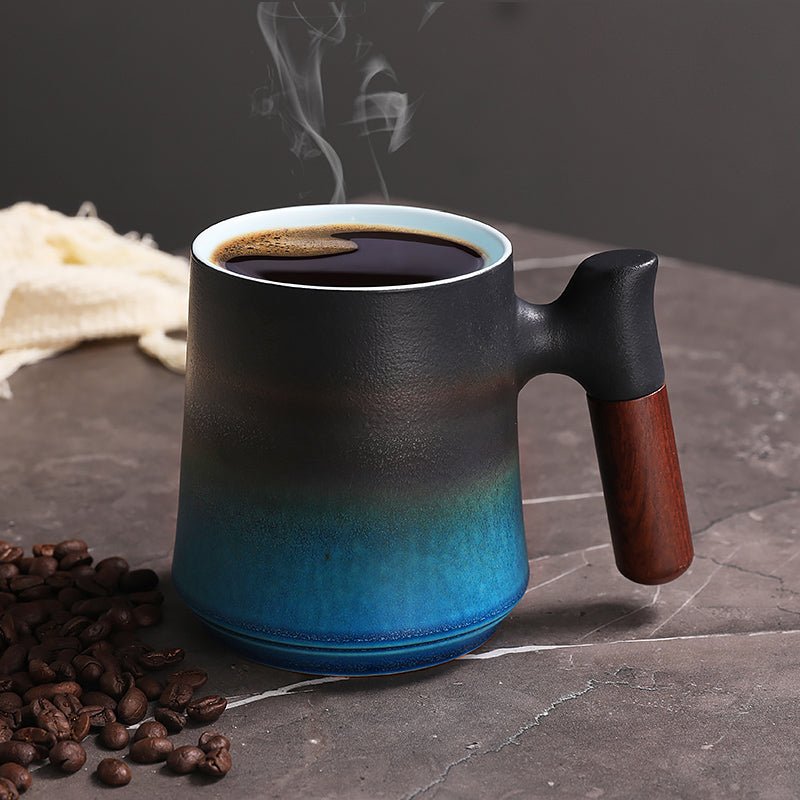
Looney Tunes Coffee Mugs: What to Check Before You Buy
Compare looney tunes coffee mugs by size, shape, print style, and daily usability before you buy. We break down what works for desks, kitchens, and gift sets—and what to avoid if you want a mug tha...
Read more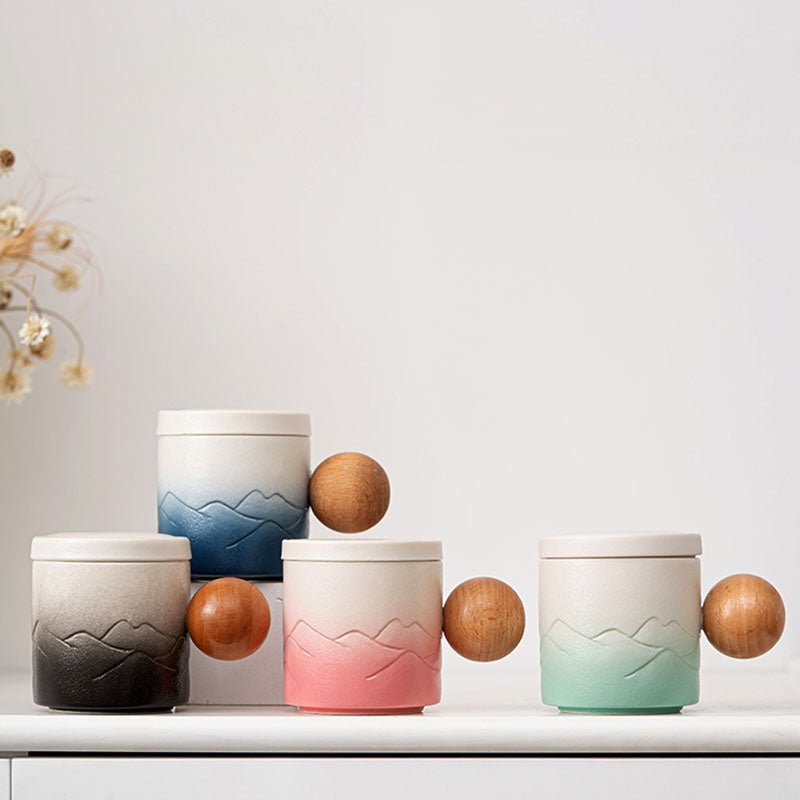
Turquoise Coffee Mugs: Best Options for Daily Use, Gifts, and Display
Turquoise coffee mugs can brighten a kitchen shelf, hold up to daily use, and still feel giftable. We break down which styles suit ceramic lovers, desk drinkers, and anyone comparing handle comfort...
Read more
Leave a comment
This site is protected by hCaptcha and the hCaptcha Privacy Policy and Terms of Service apply.