
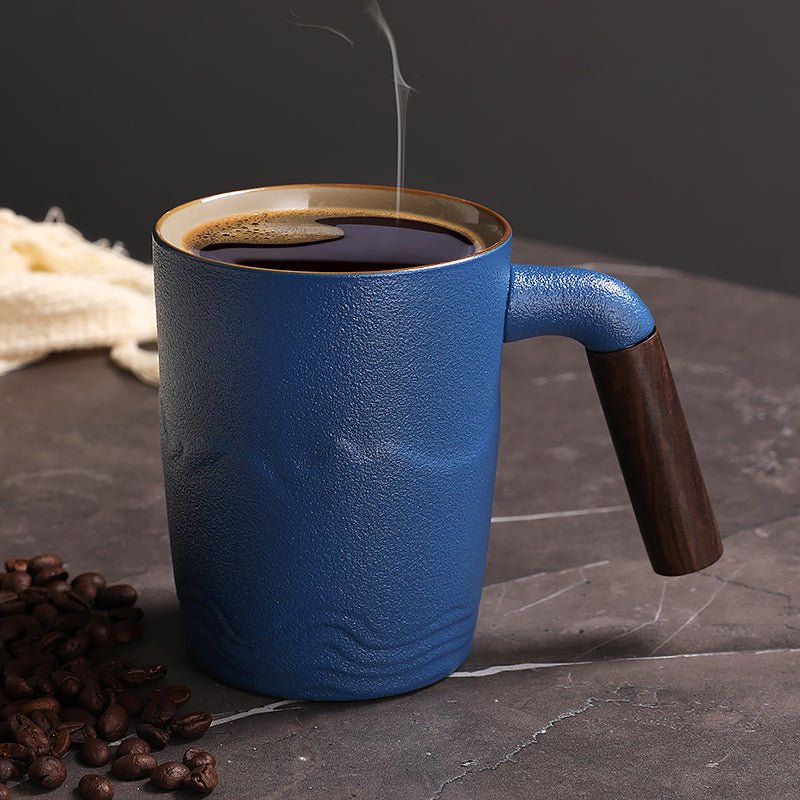
Coffee Mug Sublimation Guide: Materials, Sizes, and Buyer's Checks
Reading time: about 9 minutes
A mug that looks perfect under shop lights can still print badly if the wall curves too much or the coating is uneven. That is the real issue behind coffee mug sublimation: the blank matters as much as the artwork.
In our store, we treat it as a surface-and-shape decision first. A good mug for sublimation is usually smooth ceramic with a polyester coating, a steady wall thickness, and a finish that lets ink transfer cleanly without banding at the rim or handle side.
What makes a mug suitable for coffee mug sublimation?
The best results start with a mug that gives the transfer a clean, predictable surface. We look for a ceramic body with a sublimation-ready coating, because the coating is what accepts the dye. Plain ceramic without that layer will not hold the print the way buyers expect.
Shape matters too. Straight or gently tapered walls are easier to wrap than mugs with heavy curves, ridges, or a pronounced waist. A flat, consistent print zone gives you sharper text, cleaner edges, and less chance of distortion near the seam.
- Surface: Smooth, light-colored, and coated for sublimation.
- Wall shape: Straight or only lightly tapered for easier alignment.
- Finish: Glossy finishes usually produce stronger color; matte finishes can soften the print.
- Rim and handle: Clean transitions help keep wrap graphics from warping at the edge.
That is why buyers who want a simple, gift-ready mug often start with a clean profile like the Mountain Coffee Tea Mug, the Great Mountain Coffee Tea Mug, or the Emerald Coffee Tea Mug. If you want to compare shapes before deciding, our all mugs collection is the fastest place to scan the full range.
We also see one common mistake from shoppers comparing looks only: a decorative mug can be great on a shelf and still be a poor sublimation target if the glaze is textured or the wall bows too much. Coffee mug sublimation rewards simple construction.
Which mug size should I choose for a gift or daily coffee?
Size changes both the drinking experience and the artwork layout. A smaller mug can feel neat and personal. A larger mug gives more room for a wrap design and tends to suit people who want a fuller pour at the desk.
For most buyers, 11 oz is the standard reference point. It is the size many customers picture when they think of a daily coffee mug. Ten-ounce mugs feel a little smaller in the hand and can work well for espresso-based drinks or compact cupboard storage. Twelve-ounce mugs feel roomier and can be better for longer office mornings or for people who do not want to refill often.
| Size | What it feels like | Best use | Trade-off |
|---|---|---|---|
| 10 oz | Smaller, lighter, and easy to hold | Espresso drinks, compact desks, gift sets | Less print area and less room for a large wrap |
| 11 oz | Balanced and familiar | Everyday coffee, standard gifting, most home use | Not as roomy as a 12 oz mug |
| 12 oz | Roomier and more substantial | Office desks, larger pours, more generous artwork | Can feel bulky for smaller hands |
If size is still the main question, our related guides on 11 oz Coffee Mug: Size, Fit, and What to Check Before You Buy, 10 oz Coffee Mug: Size, Fit, and What to Check Before You Buy, and 12 oz Coffee Mug Buying Guide for Fit, Comfort, and Daily Use break down the comfort and fit differences we see in real orders.
What should I check before buying a sublimation-ready mug?
We check a mug the same way a buyer should: surface first, then shape, then care. Small flaws do not always show in product photos, but they become obvious once the transfer goes on. A tiny glaze bump, a warped rim, or a rough patch near the handle can interrupt the final print.
- Look for an even coating. Uneven glaze can create patchy color or dull spots after pressing.
- Check the wall shape. Straight walls are easier for full-wrap artwork than curved or tapered sides.
- Inspect the handle area. The print should not need to fight for space around an awkward handle join.
- Confirm care guidance. If the mug is meant for repeated washing, the coating needs to be appropriate for that use.
- Match the mug to the artwork. Fine text, narrow borders, and photo prints need a cleaner surface than bold logo work.
For shoppers who want a more practical buying checklist, our other posts on Coffee Mug Sublimation: What Works, What Fails, and What to Buy and the 11 oz size guide above are the most useful pair to read together. They reflect the questions we get most often from customers comparing mugs for office use, birthday gifts, and small business orders.
One detail that gets missed a lot: a mug can be technically sublimation-ready and still be a poor choice for a detailed illustration if the white point is too warm or the coating has a slight texture. The transfer will work, but it may not look crisp enough for premium gifting.
How much artwork should the mug allow?
Artwork size and mug shape need to match. A design that looks balanced on a flat mockup can creep too close to the handle, clip at the seam, or wrap into the curve near the rim. That is why full-wrap designs are easier on straighter mugs and trickier on mugs with pronounced taper.
We recommend thinking in three zones:
- Main front area: Best for logos, names, and short quotes.
- Side zones: Useful for small icons, dates, or secondary details.
- Handle buffer: Keep critical artwork away from the handle attachment so it does not disappear in the view angle.
For photo-based prints, larger surfaces give you more room to balance margins and keep important details away from the edge. For simple text, a smaller mug can still work well, but the font should not be so fine that the transfer softens it. Coffee mug sublimation favors clear shapes and bold composition over busy layouts.
We have seen buyers try to force a wide landscape graphic onto a mug with a narrow print zone, and the result is usually compromised. Either the artwork gets shrunk too much, or the outer edges land in a curved area where the image starts to stretch. That is a better reason to choose the right mug than any fancy mockup.
What usually goes wrong during coffee mug sublimation?
The failures are usually small and technical, not dramatic. They are the kind of problems that make a mug feel slightly off even if the colors are close.
Common failure modes we see
- Ghosting: The transfer shifts during pressing, leaving a faint duplicate edge.
- Faded output: The paper, heat, or profile is not matched well to the mug coating.
- Brown or overcooked areas: Too much heat or too long a press can dull the image.
- Moisture freckles: Condensation under the transfer can leave tiny pale spots.
- Misaligned wrap: The design is straight on screen but off-center on the mug.
A practical way to reduce these problems is to preheat the blank gently, keep the wrap tight, and confirm the transfer timing for the paper you are using. Different papers and blanks are not identical. A setup that works on one mug can underperform on another if the coating density or wall thickness changes.
This is also where realistic expectations help. Sublimation is strong for full-color branding and personalization, but it is not the best choice for every mug style. Textured stoneware, heavy reactive glaze, and deeply embossed designs can look great as retail mugs and still be a poor fit for crisp sublimation artwork.
Are sublimated mugs good for daily use, office desks, and gifting?
Yes, but with limits. For daily use, a sublimated mug can be a solid choice if the coating and care instructions match the way the mug will actually be washed. For gifting, it is one of the most dependable formats we see because it feels practical, personal, and easy to unwrap on a kitchen counter or office desk.
The trade-off is durability versus handling. A mug that is handled gently, washed according to the maker's guidance, and stored without abrasion will usually keep its look much better than one thrown into a rough commercial dish line with heavy knock-around use. If the buyer needs a cafeteria workhorse, that is a different spec.
- Good fit for: personal gifts, office desks, branded event mugs, and small-batch custom orders.
- Not ideal for: harsh commercial dishwashing, open flames, oven use, or rough cleaning pads.
- Better alternative: If the priority is texture, artisan glaze, or a handmade feel, a decorative mug may be a better buy than a sublimation-first blank.
That is the same reason some shoppers start with a polished everyday mug and then move into artwork later. A simple shape gives them more flexibility. In our experience, the mugs people keep using are the ones that feel good in the hand and still look clean after a few dishwasher cycles.
For buyers comparing styles right now, we would start by looking at the mug shape, then checking the size, then deciding whether the mug is meant for display, gifting, or daily coffee. If you want a broader comparison point, the all mugs collection is the fastest way to narrow down the right profile.
Frequently asked questions
Can you sublimate on any ceramic mug?
No. The mug needs a sublimation-friendly coating, usually a polyester coating designed to accept dye transfer. Regular ceramic mugs, even if they look smooth, will not produce the same result and can leave the print dull or unreliable.
What is the best mug size for coffee mug sublimation?
For most buyers, 11 oz is the safest default because it matches common daily coffee use and gives enough space for a clean design. If the artwork is more compact or the mug is meant for a smaller pour, 10 oz can work better. If you want more room for a wrap or a fuller desk mug, 12 oz is often the stronger choice.
Do sublimated mugs go in the dishwasher?
Some do, but not all care instructions are the same. We tell buyers to follow the maker's cleaning guidance and avoid rough pads or harsh handling unless the mug is specifically rated for that use. Gentle washing usually preserves the print better over time.
Why does a sublimated mug print look faded or blurry?
The usual causes are weak heat transfer, moisture on the blank, incorrect timing, or a mug surface that is not smooth enough. Another common issue is artwork that was not sized for the mug's curve, which makes the image look soft around the edges.
Is a colored mug okay for sublimation?
Sometimes, but the result depends on the coating and the look you want. Light colors can still work if the coating is designed for sublimation, but darker or heavily colored mugs usually reduce visual contrast and are less forgiving for detailed artwork. If you want the cleanest color, a light or white surface is still the safest choice.
Before you buy, check four things: coating, shape, size, and care instructions. If those line up, start with our all mugs collection and compare the mug profile against the artwork and the way the cup will be used.
Read more
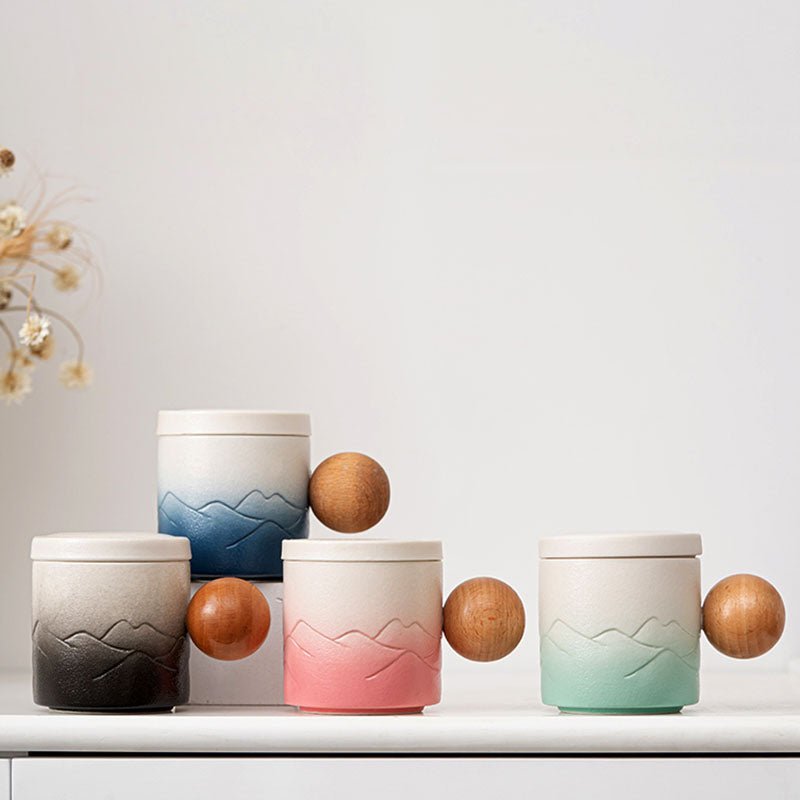
Western Themed Coffee Mugs for Daily Use, Gifts, and Display
We break down which western themed coffee mugs work for daily coffee, office desks, and gifts, plus what to check for size, finish, and cleaning before you order.
Read more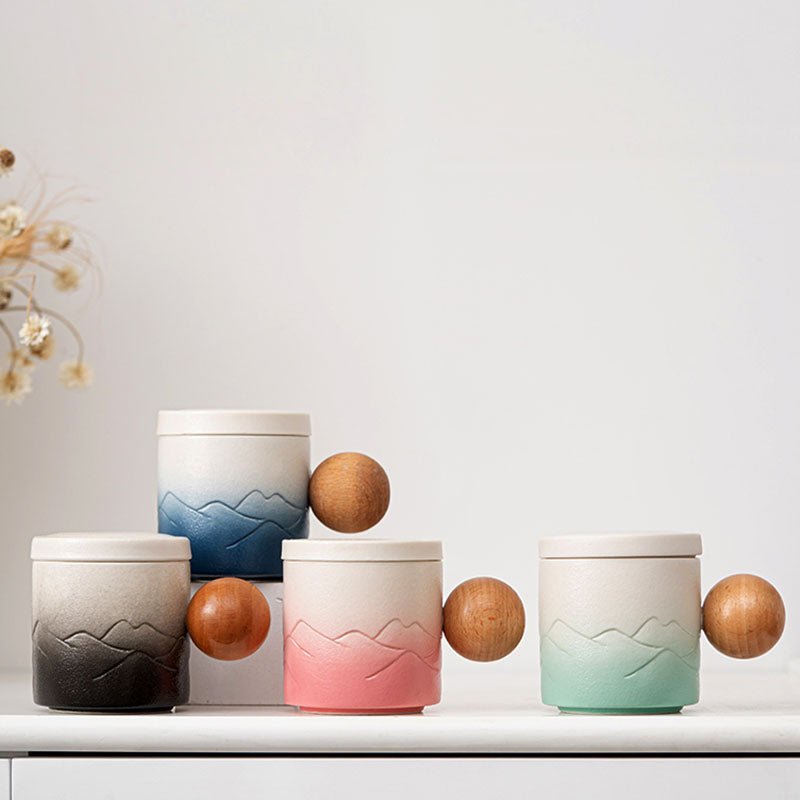
Coffee Mug Dad Gifts: Best Styles for Daily Use
A practical guide to choosing a coffee mug dad gift that fits real routines, with clear trade-offs between wooden-handle, desk-friendly, and message-led styles.
Read more
Leave a comment
This site is protected by hCaptcha and the hCaptcha Privacy Policy and Terms of Service apply.