
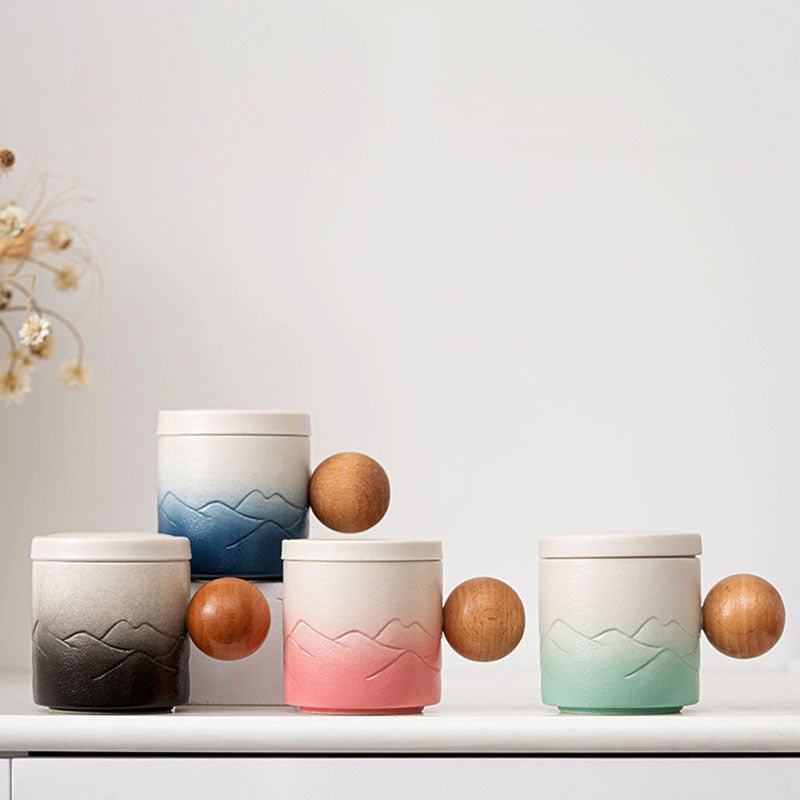
Coffee Mug Storage Ideas for Small Kitchens, Offices, and Gifted Sets
Reading time: about 10 minutes
A crowded cabinet usually shows the problem first: mugs stacked too deep, handles tangled, and one favorite cup sitting in the back because there is no easy way to reach it. That is the real job of coffee mug storage—not just putting mugs away, but making them easy to grab, safe from chips, and matched to the space you actually use.
We see this every day in kitchens, office break rooms, and gift orders headed to someone’s home. Some buyers need a display-worthy setup for a few favorite mugs. Others want a simple way to stop cabinet clutter. Our store works with that same trade-off all the time: the neatest solution is not always the most practical one, and the most compact option is not always the kindest to your mugs.
If you are also choosing mugs to fit a rack, shelf, or cabinet, it helps to compare mug size and storage together. Our guides on the 10 oz Coffee Mug, 11 oz Coffee Mug, and 16 Ounce Coffee Mug cover the fit questions that matter before you buy.
What kind of coffee mug storage works best for your space?
The best setup depends on where the mugs live most of the time. A cabinet is usually best for dust protection and a tidy look. An open shelf is faster for daily use and works well when you want mugs visible. A wall rack is strong for freeing up counter space, but it only works if the wall area is clear and the mugs you own have handles that hang well.
In our experience, buyers usually pick one of these three approaches:
- Cabinet storage: Best for keeping mugs protected and out of sight. Works well for mixed mug sets and seasonal mugs.
- Open shelf storage: Best for easy reach and display. Good for kitchen counters that need a lighter visual feel.
- Wall or under-cabinet rack storage: Best for saving shelf space. Useful in small kitchens and coffee stations, but it depends on wall strength and available clearance.
There is no single right answer. A cabinet is not ideal if you use the same mug three times a day and hate opening doors. A wall rack is not ideal if you want to store oversized mugs or stackable travel cups. That is why we usually advise shoppers to decide first how often they use each mug, then choose the storage style second.
How do you keep mugs from chipping or scratching?
Most mug damage happens during movement, not while sitting still. Handles bang together in a drawer, bases scrape on hard shelves, or a mug gets pulled out at an angle and knocks the one beside it. The fix is simple, but it has to be intentional.
Here are the practical details we look for when setting up coffee mug storage:
- Give each mug a little breathing room. Tight side-to-side contact is where chips often start, especially on ceramic rims and handle edges.
- Use a stable surface. Smooth wood, coated wire, and level shelving are safer than uneven spots where mugs can wobble.
- Keep heavier mugs lower. Stoneware and larger mugs are harder to manage on high shelves, especially in busy kitchens.
- Avoid deep stacking unless the mugs are made for it. Stacking saves space, but repeated rim-on-base contact can leave marks over time.
We also see a lot of confusion around dishwashing and storage. A mug that comes out of the dishwasher with moisture trapped inside is not ready to stack right away. Let it dry fully before putting it back into a closed cabinet. That small step helps reduce odor, spotting, and the sticky feel that can build up in tight storage.
If your current mugs are oversized or have wide handles, check the dimensions before choosing a rack or shelf setup. Our buying guide for the 12 Ounce Coffee Mug and the 14 oz Coffee Mug can help you avoid a fit problem that shows up only after delivery.
Which coffee mug storage option works best for cabinets, counters, and walls?
We often help shoppers compare storage by location, not just by style. That is usually the fastest way to narrow the choice.
| Storage location | Best for | Main trade-off | Best mug type |
|---|---|---|---|
| Cabinet | Dust protection, hidden storage, mixed sets | Slower access | Everyday ceramic mugs, gift sets, backup mugs |
| Counter | Daily convenience, coffee station styling | Takes visible space | Frequently used mugs, matching sets, statement mugs |
| Wall rack | Saving cabinet space | Needs wall clearance and proper mounting | Mugs with standard handles and moderate weight |
| Open shelf | Quick access and display | Dust and visual clutter if overfilled | Small curated collections |
If you want to see the full range of mug styles that can work with different storage setups, browse our products or start from the broader collection. A mug that looks great on a shelf may not be the easiest one to store in a packed cabinet, and that trade-off matters more than most buyers expect.
One thing we do not recommend is forcing a decorative setup just because it looks good in photos. A hanging rack can be great, but not if the mugs swing into each other every time someone reaches for one. Likewise, an open shelf can look clean in a styled kitchen, but it is not the best choice if you live with dust, steam, or a crowded cooking area.
What should you check before buying a mug to fit your storage?
Storage and mug dimensions need to work together. The handle is often the first problem, not the cup body. A mug may technically fit on a shelf but still be annoying to store because the handle hits the cabinet door or the mug lip is too tall for the space below the shelf.
Here are the concrete fit points we check in our store:
- Overall height: This matters for shelf clearance and stacked storage.
- Handle width and projection: A wide handle can block neighboring mugs or catch on rack hooks.
- Base diameter: Important for shelves, inserts, and stable stacking.
- Material weight: Ceramic and stoneware feel different in hand and sit differently on light-duty shelving.
For buyers choosing between similar sizes, it helps to think about how the mug will actually live at home. A 10 oz cup can tuck into tighter storage and office desks more easily. An 11 oz mug is a familiar all-purpose size. A 16 oz mug gives you more drink volume, but it often asks for more cabinet height and stronger shelving. That is why we recommend reading the size guides before deciding on a storage solution.
For related fit details, our article on the 15 oz Coffee Mug is also useful if you are comparing larger everyday mugs for a shared kitchen or office break area.
How do you organize a coffee station without clutter?
A coffee station works best when the mugs stay close to the machine but do not crowd the whole counter. We see the most practical setups use a small set of mugs in rotation, a simple tray or shelf, and a storage spot for extras nearby. The goal is speed. You should be able to make coffee, grab a mug, and move on without opening three different cabinets.
A simple setup usually looks like this:
- Keep only the mugs you use every day within arm’s reach.
- Store backup mugs in a cabinet or on a higher shelf.
- Separate delicate or gift mugs from the heavy-use stack.
- Leave space for the machine lid, kettle spout, or espresso accessories.
We have seen good coffee stations fail because they try to hold too many things at once. Mugs, pods, sugar, spoons, filters, and decor can all share the same area, but only if you accept some visual density. If you want a calmer look, reduce the number of mugs on display and move the rest into enclosed storage.
Our rule in the store is simple: if a setup takes two hands and a little patience every morning, it probably needs a better storage layout.
What coffee mug storage is not a good fit for?
Not every storage style suits every kitchen, and it is better to say that plainly. Wall-mounted storage is not the best fit if you rent and cannot drill. Open shelving is not the best fit if your kitchen gets greasy or dusty fast. Deep stacking is not the best fit for thin-rimmed mugs or sentimental gift mugs you want to keep in top shape.
We also would not push a storage solution that only works for a perfect photo. Some buyers need practical redundancy. If you have children, frequent guests, or a shared office kitchen, you may want a safer, simpler cabinet setup instead of a display rack. That choice is less stylish, but often more realistic.
If your mug collection includes different sizes, mixing them can create a tidy but unstable stack. A large 16 oz mug next to a smaller 10 oz piece often looks fine until you start reaching for one daily. That is where a size-focused guide helps. Our posts on 12 oz Coffee Mug and 12 Ounce Coffee Mug help buyers compare those middle sizes before they commit to a storage plan.
How do you choose the right setup before you buy?
The easiest way to choose coffee mug storage is to measure first and shop second. We recommend checking the width, depth, and height of the space where the mugs will live, then comparing that with the mug dimensions and the storage style you want. If the shelf is shallow, oversized handles can become a problem. If the cabinet is short, tall mugs may need a lower shelf or a different home entirely.
Use this quick checklist before buying:
- Measure the available height, depth, and width.
- Count how many mugs you want to store daily versus seasonally.
- Check whether the mugs have wide handles or wide bases.
- Decide if the mugs need to be hidden, displayed, or reached in seconds.
- Think about cleaning: can you wipe the storage area easily?
If you are still choosing the mugs themselves, our store’s product range can help you compare styles that fit a real kitchen, office desk, or gift box. Browse the full selection at our collection or start with our products if you want to narrow down by size and style first.
Frequently asked questions
What is the best way to store coffee mugs in a small kitchen?
In a small kitchen, the best coffee mug storage is usually the one that frees up the most usable cabinet or counter space. Wall racks and under-cabinet hooks work well if you have room and can mount them securely, while a slim cabinet shelf is better if you want a cleaner look and less dust. We usually suggest choosing the option that keeps your daily mugs easiest to reach.
Can I stack coffee mugs without damaging them?
You can stack some mugs, but it depends on the rim shape, base width, and glaze finish. Stacking works better with sturdy mugs that are made to nest or sit evenly, and it is less ideal for delicate rims or decorative pieces. If the mugs rub loudly or wobble, that stack is probably not a good long-term setup.
Are mug racks better than cabinets for coffee mug storage?
Mug racks are better if you want faster access and more visible storage. Cabinets are better if you want to protect mugs from dust and keep the kitchen looking uncluttered. In our experience, racks suit daily-use mugs, while cabinets suit backup mugs, mixed sets, and gifts.
How do I stop mugs from chipping in storage?
Keep enough space between mugs so handles and rims do not hit each other. Avoid overstuffed cabinets and hard contact between ceramic surfaces. It also helps to store heavier mugs lower and let dishwasher-washed mugs dry fully before putting them away.
What mug size is easiest to store?
Smaller mugs are usually easier to store because they need less shelf height and often fit more neatly on racks. That said, the easiest mug to store is the one whose height, handle width, and base size match your shelf or cabinet. A well-sized 11 oz mug can be easier to live with than a bulky larger mug that barely fits.
If you are comparing mug sizes and trying to avoid a storage mistake, start with the fit guides above, then check our products for styles that match the way you actually store and use your cups. A good next step is to measure your cabinet or shelf, count your daily mugs, and compare those numbers against the mug size guides before you buy.
More from our blog
Read more
Otagiri Coffee Mug Buying Guide: Size, Condition, and Best Uses
A practical guide to choosing an Otagiri coffee mug with the right size, build quality, and condition for daily use or collecting. We cover the real trade-offs buyers should check before ordering.
Read more
Coffee Mug with Lid and Handle: What Buyers Should Check
A practical guide to choosing a coffee mug with lid and handle, with real trade-offs on material, lid fit, comfort, and care for home or office use.
Read more
Leave a comment
This site is protected by hCaptcha and the hCaptcha Privacy Policy and Terms of Service apply.