
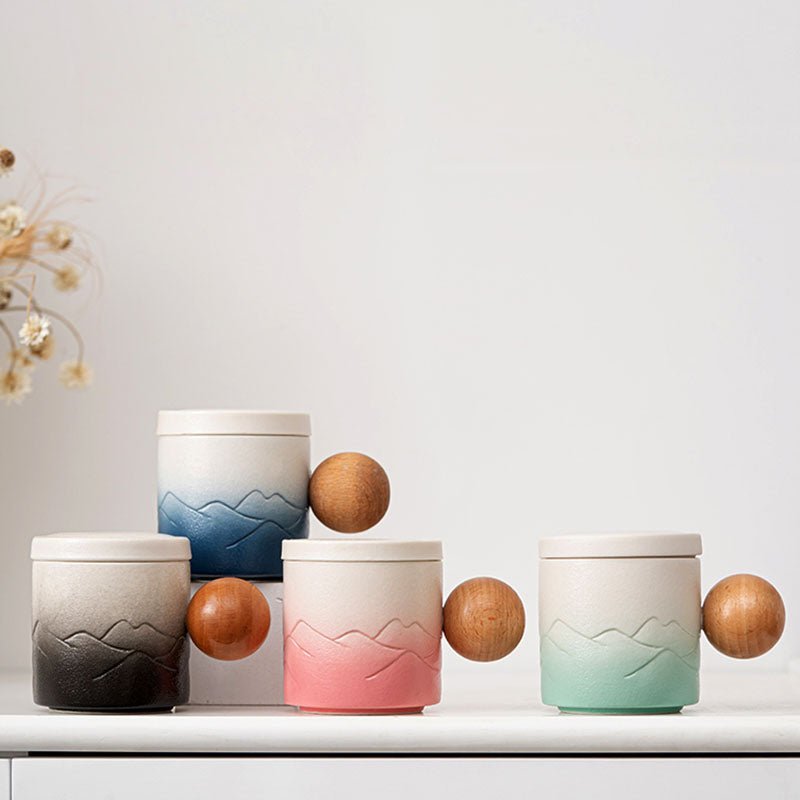
Coffee Mug Shelf Display Ideas for Real Kitchens and Small Spaces
Reading time: about 10 minutes
A coffee mug shelf display looks best when it still works on a busy weekday morning. If the mugs are too tall for the shelf, too crowded to grab, or hard to wash and put back, the display stops being useful fast.
In our store, we see the same pattern over and over: shoppers want mugs they can keep out in the open, but they also want the shelf to feel calm instead of cluttered. That means choosing mugs with the right height, handle shape, and finish for the space you actually have. It also means being honest about what open shelving is good for and what it is not.
If you are building a display from scratch, start with our full mug collection and choose pieces that fit the shelf depth and the way you actually use your kitchen. For example, a taller shape like the White Golden Waves Tall Coffee Tea Mug can look intentional on a shelf with a little vertical breathing room, while the Mountain Tall Coffee Tea Mug works well if you want the display to feel grounded and less decorative. Seasonal pieces such as the Christmas Coffee Tea Mug are a better fit when you want a small accent, not a permanent front-row item.
What makes a coffee mug shelf display work in a real kitchen?
A display works when it is easy to maintain. That sounds simple, but it usually comes down to three things: scale, access, and repetition. Mugs need to sit far enough back on the shelf that handles do not snag when someone reaches for another cup. They also need enough vertical clearance so you are not lifting them out at an angle every morning.
We look at open shelves the same way we look at a selling floor: if the setup makes the product harder to handle, it is not a good setup. For coffee mugs, the practical factors are usually these:
- Shelf depth: shallow shelves work best with slimmer mugs or a smaller number of pieces.
- Handle clearance: oversized handles can make a neat row look messy if they overlap.
- Visual weight: a few taller mugs can anchor the display, but too many tall shapes make the shelf feel crowded.
- Color rhythm: repeating 2 or 3 tones often looks better than mixing every color at once.
Open shelving also exposes dust, fingerprints, and water spots. If you are the kind of person who rinses mugs and stacks them wet on a rack, the shelf will show it. For that reason, a coffee mug shelf display is best for mugs you use often and are comfortable wiping down regularly.
If you want more practical layout ideas, our article Coffee Mug Display Shelf Buying Guide for Real Kitchen Use goes deeper on fit and shelf planning.
Which mugs belong on an open shelf and which should stay in cabinets?
Not every mug deserves display space. The best mugs for open shelves usually have one or more of these traits: a clean profile, a stable base, a handle that is easy to grab, and a finish that still looks good after repeated washing. Mugs with a strong silhouette tend to hold up better visually than very thin, fussy shapes.
We also pay attention to what will get used. A mug that looks beautiful but is awkward to hold usually ends up buried in a cabinet. That is wasted shelf space. On the other hand, a mug that feels good in the hand and can move from shelf to counter without fuss earns its spot.
These are the mugs we usually keep on display:
- Daily-use mugs that you reach for every morning.
- Gift-worthy mugs with distinctive art or glazing that still feel usable.
- Seasonal mugs that rotate in and out, such as holiday pieces.
- Taller mugs that need a little more shelf height but create a stronger visual line.
These are the ones we usually do not recommend for open display:
- Extra-delicate pieces with finishes you do not want handled daily.
- Oddly shaped mugs that wobble or occupy too much shelf width.
- Heavy sets if the shelf is already visually full.
- Mugs with frequent staining issues unless you are willing to clean them often.
That trade-off matters. A mug shelf is not the right home for every favorite cup. If a piece is sentimental but fragile, a cabinet or closed hutch is usually safer.
How do you keep a coffee mug shelf display from looking crowded?
The biggest mistake we see is trying to use every inch. A shelf with too many mugs reads as storage, not display. Leave empty space. It gives the eye a place to rest and makes the mugs look more intentional.
One simple method is to group mugs by height and use a repeated pattern. For example, place the tallest mug at one end, follow with two medium pieces, then leave a small gap before the next group. Another method is to mix texture rather than color: one glazed ceramic set, one matte accent, one seasonal piece. Both approaches work better than stacking random shapes shoulder to shoulder.
Use this quick check before you set up the shelf:
- Can you remove one mug without moving three others?
- Can you clean the shelf edge without lifting the whole row?
- Does the arrangement still look good from a standing angle, not just straight on?
- Are the handles aligned in a way that feels easy to grab?
For small kitchens, the goal is not to display every mug you own. It is to show a few pieces well. If you want a broader set of layout ideas for tighter rooms, our post Coffee Mug Shelf Display Ideas for Real Kitchens and Small Spaces covers arrangements that do not take over the room.
Which mug styles are easiest to display on open shelves?
The easiest mugs to display are usually the ones with a clear shape and a stable footprint. Tall mugs can work well because they create a visible line on the shelf, but they need enough vertical room. Shorter mugs are easier to store, though they can disappear visually if everything else around them is oversized.
At CoffeifyMug, we think about shelf display and daily use together. A tall shape like the White Golden Waves Tall Coffee Tea Mug brings a polished look to an open shelf, especially if your kitchen already has light wood or neutral tones. The Mountain Tall Coffee Tea Mug works well when you want the shelf to feel a little more natural and less decorative. Both are better suited to shelves where the top clearance is not tight.
Seasonal mugs deserve a different strategy. The Christmas Coffee Tea Mug is a good example of a piece that can add personality during the season, but it is usually best kept as a rotating accent rather than the foundation of a year-round display.
Three specific details matter more than people expect:
- Glaze and finish: glossy ceramics show smudges more easily, but they can also make the shelf feel brighter.
- Rim and handle edges: sharp transitions are more likely to chip if mugs are stacked too tightly or knocked together.
- Base stability: a flatter base is safer on narrow shelves and less likely to wobble when you remove one mug from the row.
If you want a broader framework before buying, our guide Coffee Mug Shelf Guide: Fit, Materials, and Display Tips is a good companion read.
What should you buy if the mugs need to look good and get used every day?
Buy for both handling and appearance. That means choosing mugs that are comfortable to lift, easy to wash, and simple to return to the same spot after use. If a mug only looks good in a staged photo, it will probably annoy you by week two.
We recommend focusing on these purchase checks before you commit:
- Will the mug clear the shelf above it? Measure the usable height, not just the open room.
- Does the handle fit your grip? A pretty mug is not useful if it feels awkward in hand.
- Is the finish practical for your routine? If you run the dishwasher often, choose pieces that are easy to rinse and dry.
- Does the shape stack visually with the rest of your shelf? A strong display usually uses repeated heights and a limited palette.
We also think about what the mug is not good for. Tall mugs are not the best choice for very low cabinets, tight under-shelf rails, or shelves packed with canisters and plates. If your display area is cramped, a shorter mug or a different storage method may be the better buy. Open shelves are also a poor fit if you do not want to dust regularly.
That is why many shoppers pair one or two statement mugs with a small, practical rotation from the rest of the collection. It keeps the shelf looking designed without turning it into a storage problem.
How do you build a display that still feels seasonal and personal?
The easiest way is to keep the base display neutral and rotate one or two accent mugs through the year. A shelf with a steady foundation looks calmer, and the seasonal pieces stand out more. If you change everything at once, the result can feel busy instead of fresh.
A practical layout we use in-store is simple:
- Start with 3 to 5 mugs in one color family or material family.
- Add one taller mug to break the line.
- Leave one open space so the shelf does not look overfilled.
- Swap in one seasonal mug only when it earns the visual space.
This approach works in kitchens, office coffee corners, and even smaller apartments where the mug shelf is visible from the living area. It also makes cleaning easier because you are moving fewer items around every time you wipe the shelf.
If you want to compare more styles before buying, the main collection page is the fastest place to scan what fits your shelf and your routine.
Frequently asked questions
How many mugs should be on a coffee mug shelf display?
Use fewer mugs than you think you need. For most real kitchens, 3 to 7 mugs is enough to look intentional without turning the shelf into storage. If the shelf starts feeling crowded, remove one piece and leave a gap.
Are tall coffee mugs good for open shelving?
Yes, if the shelf height allows it and the row is not too deep. Tall mugs create a clean vertical line, but they are not ideal for low shelves or very tight spaces. Measure before you buy so the handle and rim do not scrape the shelf above.
What is the best material for mugs on display?
Ceramic is usually the easiest choice for a home shelf display because it looks polished and feels familiar in daily use. The finish matters too: glossy glazes brighten a shelf, while matte finishes can feel softer and more understated. Choose the one that matches how often you plan to handle it.
How do I keep mug shelves from looking messy?
Limit the color palette, repeat shapes where you can, and leave open space between groups. Clean handles and shelf edges matter more than most people expect because fingerprints and dust show up quickly on open shelving. If every inch is full, the display will look busy instead of curated.
Can I mix seasonal mugs with everyday mugs on the same shelf?
Yes, but keep the seasonal mug as an accent rather than the main feature. One holiday piece can work well beside a neutral base, especially if the rest of the shelf stays simple. If the seasonal mug clashes hard with everything else, it is better used as a rotating item.
If you are ready to build a coffee mug shelf display that looks good and still makes sense on a weekday morning, start with the collection, then compare a taller everyday option like the White Golden Waves Tall Coffee Tea Mug or Mountain Tall Coffee Tea Mug against the shelf height you actually have.
Read more
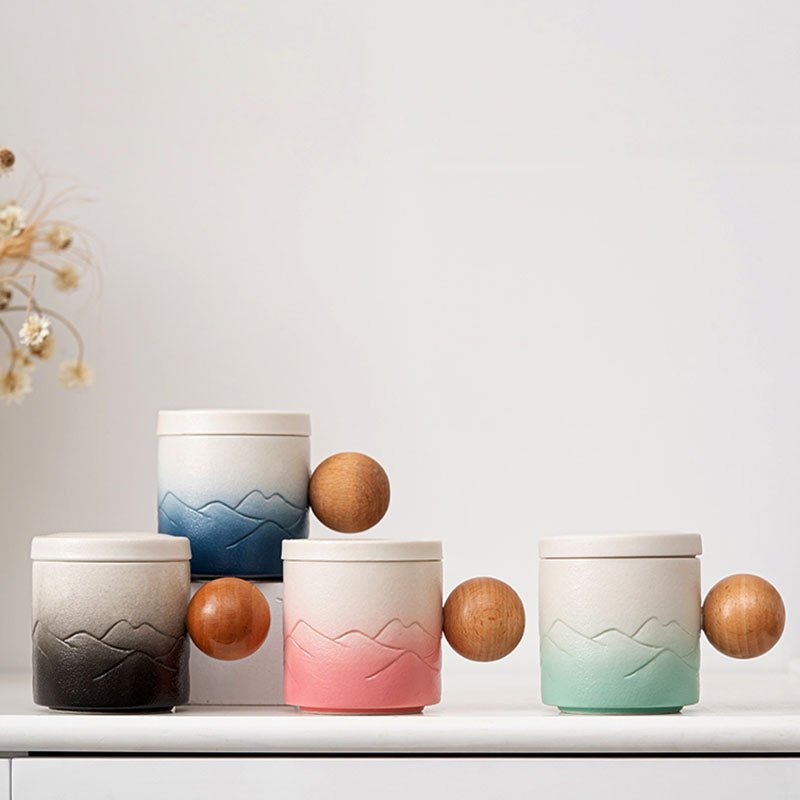
Fathers Coffee Mug: Best Picks for Daily Use and Gifting
A practical look at fathers coffee mug options for desk coffee, kitchen use, and gifting, with the trade-offs we see in our store and the mugs worth comparing first.
Read more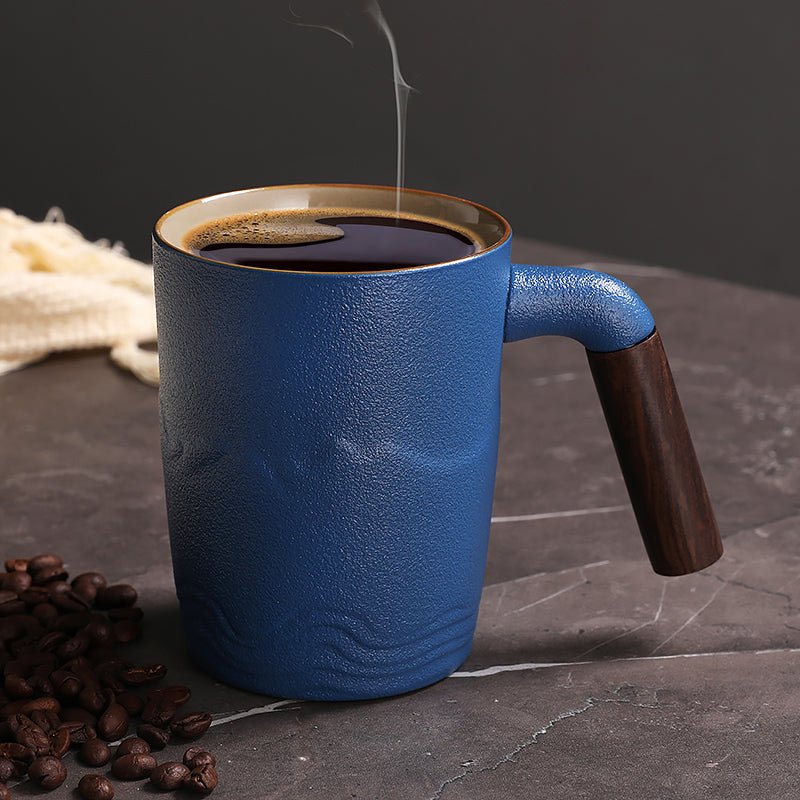
Coffee Mug Cartoon Buying Guide for Style, Size, and Care
Cartoon mugs should be judged like daily drinkware, not just decor. We break down what matters on the counter, in a gift box, and after the first few washes.
Read more
Leave a comment
This site is protected by hCaptcha and the hCaptcha Privacy Policy and Terms of Service apply.