
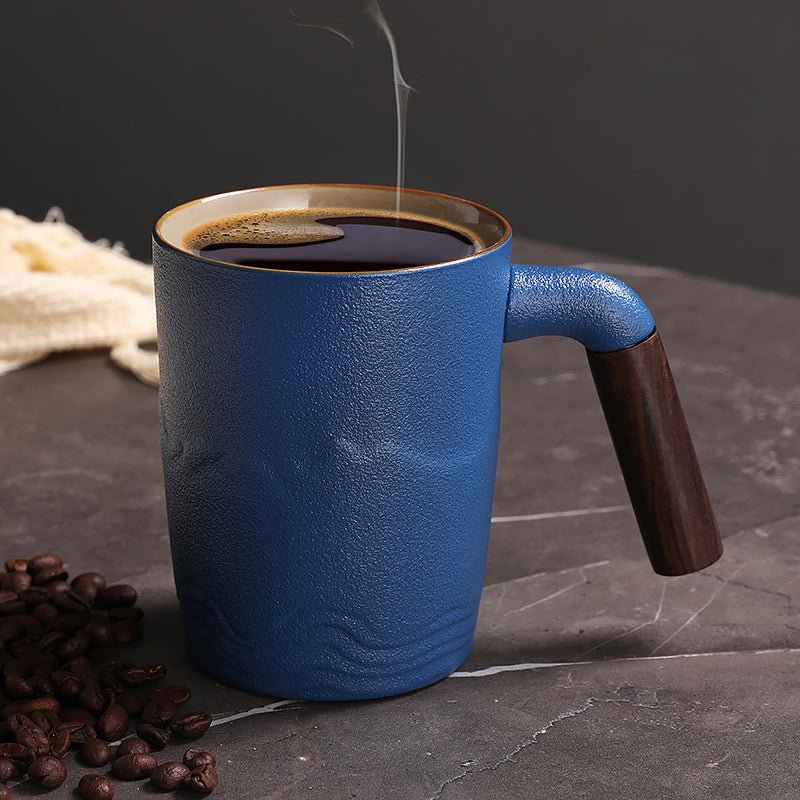
Coffee Mug Set 6: What to Check Before You Buy
Reading time: about 9 minutes
What makes a coffee mug set 6 useful in real life?
A coffee mug set 6 lives on a counter, not in a catalog. One mug gets used for a rushed morning pour, another for tea after lunch, and one or two end up going through the dishwasher more often than anyone planned. That is why the useful question is not only how the set looks, but how it behaves after a week of real use.
In our store, we see the same pattern again and again: shoppers want a set that looks consistent on the table, but they also want it to survive stacked cabinets, sink loading, and the occasional overfilled cup. A good six-piece set should give you enough matching mugs for a household, a small office, or guests, without feeling bulky or awkward to store.
If you are still comparing basics, our guide Coffee Mug Set 6: What to Check Before You Buy for Daily Use covers the same buying logic from a more checklist-first angle.
Which material should you choose for daily use?
For a coffee mug set 6, ceramic is usually the first place we start. Ceramic and stoneware both feel steady in the hand, hold heat better than thin glass, and usually give you a more durable feel on a kitchen counter. That does not mean they are indestructible. A hard knock against a sink edge can chip the rim or the base, especially if the glaze is thin or the mug has a sharp foot ring.
Porcelain tends to look cleaner and lighter, which some buyers prefer for a polished table setting. Stoneware tends to feel a little heavier and more grounded, which is useful for everyday coffee. If you want a set that works for both coffee and tea without looking overly delicate, ceramic is the safest middle ground.
There are trade-offs. A heavier mug is less likely to slide, but it can feel tiring if you are carrying refills all day at a desk. A lighter mug is easier to lift, but it may feel less stable and can cool down a little faster. For a home kitchen, that balance usually matters more than any decorative detail.
If you want to see how different mug shapes affect the hand feel and shelf space, compare the profiles of our Spittoon Coffee Tea Mug, Planet Coffee Tea Mug, and Rhombus Coffee Tea Mug. The point is not that one shape is universally better. It is that the silhouette changes how the mug stacks, how the handle clears your fingers, and how much visual space it takes up on the table.
What size and shape work best for coffee and tea?
Size matters more than most product photos admit. A mug that looks perfect in a styled image can feel too small for a latte, too wide for black coffee, or too tall for a shelf with limited clearance. For a coffee mug set 6, we usually advise buyers to think in terms of drink habits rather than a generic cup shape.
Here is the practical way to judge it:
- Standard coffee and tea use: A balanced everyday mug is easier to live with than an oversized novelty cup.
- Milk-heavy drinks: A slightly wider opening can help with pouring and stirring.
- Small kitchens: A compact profile matters if the mugs need to fit under cabinets or inside a narrow rack.
- Office desks: A mug with a stable base and comfortable handle reduces spills when the cup gets moved around a lot.
The best shape is the one that matches the drink and the storage space. A tall narrow mug can hold heat well, but it may feel top-heavy. A wide mug is easy to clean and stir, but it can cool faster. That is the trade-off we want buyers to see before they choose purely on appearance.
What should you inspect before you keep the set?
This is where a lot of buyers save themselves frustration. A six-piece set should be checked piece by piece, not just by opening the box and admiring the color. Small defects matter because they show up in daily handling, not in a product photo.
We recommend looking for these details the moment the set arrives:
| Check | Why it matters | What to look for |
|---|---|---|
| Rim finish | A rough lip feels uncomfortable and can make sipping less pleasant. | Run a finger lightly around the rim for chips, bumps, or uneven glaze. |
| Handle clearance | Handles that are too tight are annoying and can be risky with hot drinks. | Make sure your fingers fit comfortably without scraping the mug body. |
| Base stability | A mug that rocks on the counter is frustrating and more likely to tip. | Set each mug on a flat surface and check for wobble. |
| Glaze consistency | Uneven glaze can point to cosmetic issues and sometimes to easier staining later. | Look for pinholes, streaks, or thin patches, especially inside the cup. |
| Interior shape | A smoother interior is easier to rinse and less likely to trap residue. | Check that the inside curve feels even all the way down. |
Two defects we watch for in this category are hairline crazing and rough foot rings. Crazing shows up as tiny lines in the glaze and can become more noticeable over time. A rough foot ring can scratch shelves or feel gritty when the mug is placed down. Neither issue is ideal in a set that is supposed to be used every day.
If you want a shorter pre-purchase checklist, our post Coffee Mug Set of 6 Buying Guide for Everyday Kitchens focuses on the most common practical mistakes buyers make.
How should a coffee mug set 6 fit into your kitchen or office?
A set of six makes the most sense when the mugs will actually be used as a set. That sounds obvious, but it is where many purchases go wrong. Some buyers only need four mugs at a time and end up storing the extra two in a hard-to-reach cabinet. Others want a guest-ready set for weekend visits, then discover the mugs are too large for the coffee machine clearance or too heavy for a shared office shelf.
Think about the exact setting first:
- Kitchen counter use: Choose a shape that stacks cleanly and does not crowd the mug tree or drying rack.
- Office pantry use: Pick a mug that feels stable when people carry it between desks.
- Gift use: Focus on consistency, color balance, and packaging presentation, since the unboxing moment matters.
- Mixed drink use: Make sure the mugs work for both coffee and tea, not just one short-lived trend drink.
For shoppers comparing a broader range of styles, start with our full collection and narrow by shape, finish, and handle comfort rather than by color alone. If you want a longer buying lens for gifts and kitchens, Coffee Mug Set Buying Guide for Everyday Use, Gifts, and Kitchens is a good companion read.
We also think it helps to remember what a set of six is not ideal for. It is not the best choice if you only drink espresso in very small portions, if you want insulated travel features, or if your cabinet space is already tight. In those cases, fewer mugs or a different cup style will usually make more sense.
What care routine keeps the mugs looking good longer?
Care is part of the buying decision because a mug can look excellent on day one and still disappoint after a few dishwasher cycles if the finish is weak or the glaze is prone to staining. Most buyers want easy care, and that is reasonable. A daily-use mug should not require a special routine.
Here is the practical routine we recommend for ceramic mugs:
- Rinse soon after use so coffee or tea does not sit and set into the interior.
- Load mugs so they do not knock against plates or metal utensils in the dishwasher.
- Avoid sudden temperature shocks, such as moving a very hot mug into cold water immediately.
- Dry the base well before stacking so moisture does not sit in the foot ring.
This is also where limitations matter. A glossy ceramic mug is easy to wipe down, but it can still stain if it is used repeatedly for very dark coffee or tea and not rinsed promptly. A matte finish can look stylish, but it may show hand marks or rub wear more readily. Neither finish is wrong. They just behave differently in real kitchens.
If you are comparing everyday ceramics specifically, Ceramic Coffee Mug Set Buying Guide for Everyday Use is useful for checking where glazed finishes, weight, and handling usually separate a good buy from a frustrating one.
Frequently asked questions
Is a coffee mug set 6 enough for a family?
For many households, yes. Six mugs usually covers daily use, one or two guests, and a little backup while the dishwasher runs. If your home regularly hosts larger groups, you may want to add a second set or keep a few extra pieces in reserve.
Are ceramic mugs better than glass for everyday coffee?
For most daily kitchens, ceramic is the more forgiving choice. It feels sturdier, holds heat well, and is less fragile than thin glass. Glass can work if you want a lighter visual look, but it usually feels more delicate in regular use.
What size should I look for in a coffee mug set 6?
Pick the size based on the drinks you actually make. Standard coffee and tea are easier to manage in a balanced mid-size mug, while milk-heavy drinks may need a wider opening. The right size is the one that fits your machine, cabinet, and hand comfortably.
Can a coffee mug set 6 go in the dishwasher every day?
Usually yes, if the glaze and build are meant for daily use. The key is to avoid rough stacking and to let the mugs dry fully before putting them away. If the finish is delicate or decorative, you may want to hand-wash those pieces more carefully.
What should I check first when a new set arrives?
Start with the rim, the handle, and the base. Those are the parts that affect comfort and durability most directly. After that, inspect the glaze inside the cup for pinholes, uneven patches, or any rough spots that could show up after repeated use.
Which option should you choose next?
If you want a coffee mug set 6 that works hard every day, choose the style that fits your actual routine, not just your kitchen photo. Check the handle clearance, the base stability, the interior finish, and whether the size matches the drinks you pour most often.
For the cleanest next step, compare the shapes you like in our collection, then use the checklist above to rule out anything too large, too delicate, or too awkward to store. That is the fastest way to buy a set you will still be happy using after the first week, not just on the day it arrives.
Read more
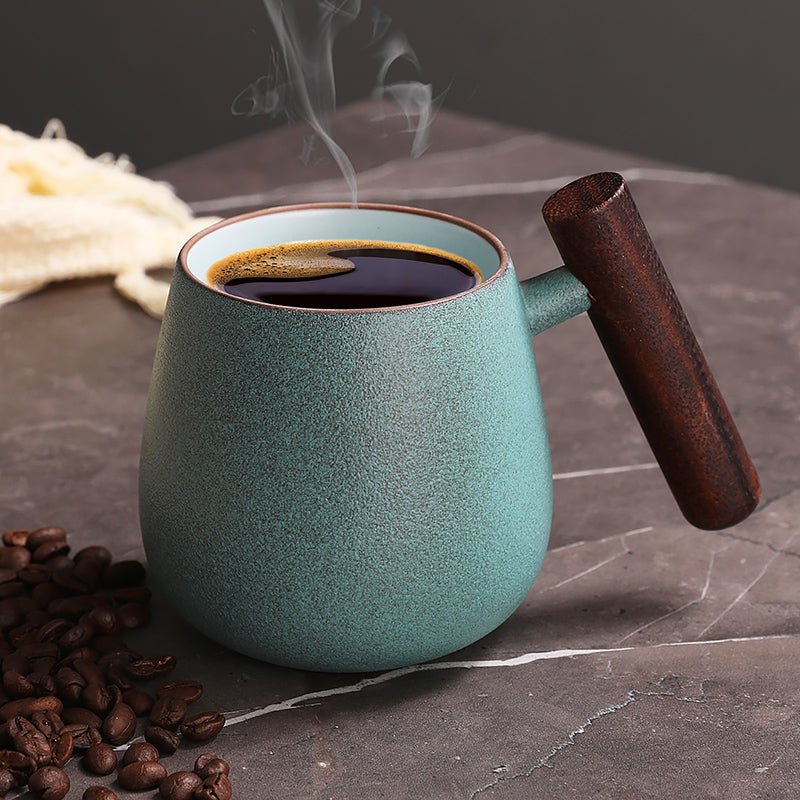
Morton Salt Coffee Mugs: What to Check Before You Buy
Morton Salt coffee mugs can work as shelf pieces or everyday cups, but the details decide which they are. We break down size, glaze, handle shape, and the trade-offs to check before ordering.
Read more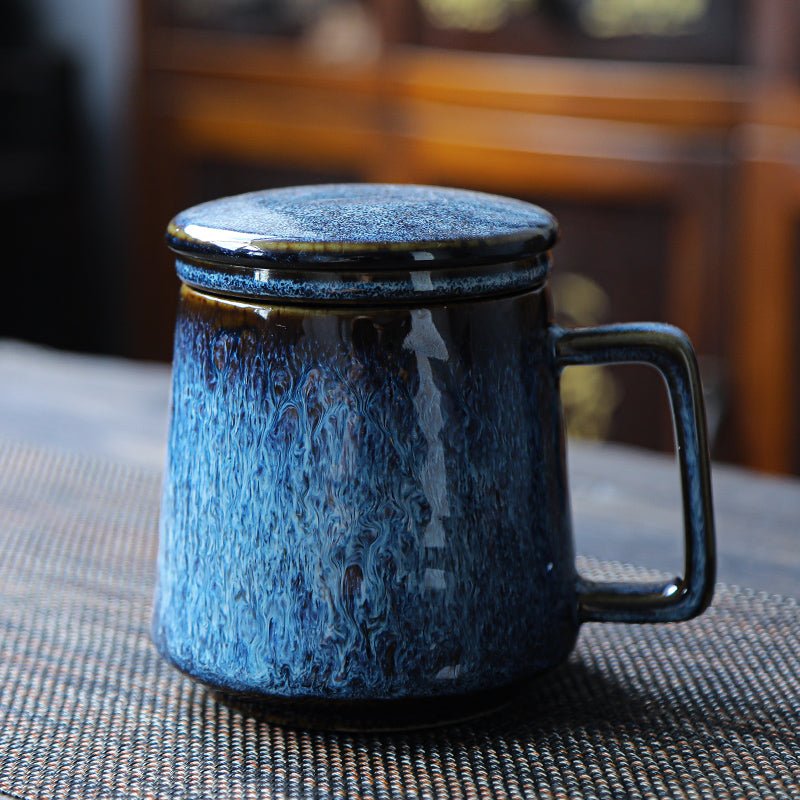
Currier and Ives Coffee Mugs: How to Choose for Use or Display
Currier and Ives coffee mugs can be display pieces or daily cups, but the right choice depends on size, handle comfort, glaze quality, and care. We break down the practical checks that matter befor...
Read more
Leave a comment
This site is protected by hCaptcha and the hCaptcha Privacy Policy and Terms of Service apply.