

Coffee Mug Racks Wall: How to Choose a Space-Saving Rack
Reading time: about 9 minutes
A crowded counter usually gives the problem away first: one mug tree near the sink, a stack of everyday cups by the coffee maker, and nowhere to put the “good” mugs without risking chips. That is the point where coffee mug racks wall start making sense. They move storage up, clear prep space, and turn mugs into part of the kitchen setup instead of clutter.
In our store, we see two kinds of shoppers for this category. Some want pure function for a small apartment kitchen or office nook. Others want a display piece that still earns its place by holding mugs safely. The best choice depends on wall strength, mug size, and how much use the rack will get each day.
We also know the downside. A wall rack is not the right answer for every room. If you rent and cannot put holes in the wall, or if your mugs are oversized stoneware that feel heavy in the hand, a freestanding holder may be the better fit. For shoppers comparing options, our collection at all CoffeifyMug products is a good place to scan both display and gift-ready pieces before deciding.
What makes coffee mug racks wall a better choice than a countertop mug tree?
The biggest advantage is simple: you reclaim usable counter space. A mug tree sits where you also need room for the grinder, kettle, toaster, or dish rack. A wall rack moves that storage zone upward, which is especially helpful in small kitchens, office breakrooms, and coffee corners that are already crowded.
There is also a practical difference in daily use. Wall-mounted storage keeps mugs visible at eye level, so people tend to use them instead of forgetting them in a cabinet. That can be useful for families, shared offices, and anyone who keeps a set of favorite cups in regular rotation.
Still, a wall rack is not automatically better for every buyer. It asks for:
- Secure mounting into the right wall surface, not just a quick hook on drywall.
- Enough wall clearance so mug handles do not bang into a backsplash or cabinet edge.
- Weight awareness if you plan to hang thick ceramic or stoneware mugs instead of lightweight cups.
If you are comparing wall-mounted setups specifically, our guide on Coffee Mug Holder Wall: How to Choose the Right Fit for Your Kitchen breaks down the fit questions we hear most often.
Which wall mug rack style fits your kitchen layout?
We usually group coffee mug racks wall into a few practical styles. The right one depends less on trend and more on how the space is built.
| Style | Best for | Main trade-off |
|---|---|---|
| Horizontal rail rack | Long empty wall space above a coffee station | Needs enough width and even mounting points |
| Compact vertical rack | Small kitchens with limited wall width | Can feel crowded if mugs are oversized |
| Decorative wall display rack | Open shelving looks and gift display | May prioritize appearance over maximum capacity |
| Hook-style mug rail | Light to medium mugs used daily | Handles must fit the hook shape cleanly |
For a narrow galley kitchen, a vertical layout often works best because it uses height instead of width. For a coffee bar setup under a cabinet, a lower-profile rail keeps the mugs accessible without hitting the underside of the cabinet. In a rental with limited drilling options, you may be better off waiting for a more permanent install or choosing a different storage style altogether.
If you want to see how a wall-mounted setup behaves in a real kitchen rather than an inspiration photo, our article Wall Mounted Coffee Mug Holder Buying Guide for Real Kitchens covers the fit issues we actually watch for before shipping out a display order.
What should you check before buying a wall mug rack?
We recommend checking the boring details first. That is usually where buyers avoid the most frustration later.
- Wall type: drywall, stud, tile, or brick all change the install method. A rack that feels solid in a stud can be risky if it is only anchored into hollow drywall.
- Mug weight: lightweight ceramic cups behave differently from thick stoneware. Oversized mugs with wide handles can twist on a narrow hook.
- Clearance: measure the distance between the wall and any cabinet, backsplash ledge, or shelf below. A mug may hang well, but the handle can still snag if spacing is tight.
- Finish and cleaning: powder-coated metal, painted wood, and natural wood all age differently around steam, splashes, and kitchen grease.
- Daily use pattern: if the rack is for everyday coffee, choose a layout that is easy to grab with one hand. If it is for display, visual balance may matter more than fast access.
One detail we always check in our store: the inside edge of the hook or arm. A rough finish can wear on glaze over time, especially if the mug is lifted and replaced several times a day. It is a small thing, but it matters.
How do our featured mugs pair with wall racks?
Not every mug looks or behaves the same on a wall rack. Shape, handle size, and weight affect how balanced the display feels. That is why some shoppers build the rack around the mugs they already own, while others choose mugs after deciding on the rack style.
Three pieces in our collection that come up often in wall display planning are the Mountain Coffee Tea Mug, the Great Mountain Coffee Tea Mug, and the Emerald Coffee Tea Mug. These work well for shoppers who want the storage to look intentional, not like a random hardware solution hanging on the wall.
In our experience, here is how mug choice affects the final result:
- Rounder handles are usually easier to hang and remove quickly.
- Heavier mugs should go on sturdier hardware and more secure anchors.
- Glossy finishes show less dust at a glance, which matters on open wall displays.
- Large printed mugs look best when spaced with enough room to read the design without visual clutter.
If you are comparing mug presentation as much as storage, the article Coffee Mug Wall Hanging: What to Buy for a Secure Display is a useful follow-up. It focuses on how to avoid a display that looks good in photos but feels shaky in a real kitchen.
Are wall mug racks good for everyday use, or mostly for display?
They can do both, but not every rack does both well. A simple hook rail is often better for daily use because you can grab a mug without fuss. Decorative shelves or sculptural wall pieces may look nicer, yet they can be slower to use and more sensitive to spacing.
For everyday coffee, we usually suggest a design that does three things well:
- Holds each mug separately so handles do not knock together.
- Leaves enough room to lift the mug out without scraping the rim.
- Stays stable when multiple mugs are removed during the morning rush.
For display-focused buyers, the priority changes. The rack should frame the mugs, not crowd them. That is where spacing, finish, and symmetry matter more than maximum capacity. If your kitchen is already busy with appliances and canisters, a cleaner, smaller rack can actually look better than a larger one.
We see this most often in gift unboxings. Someone receives a beautiful mug set, then realizes the wall setup they picked is too tight or too plain. The rack should match the mugs and the room, not just fill space.
What are the common mistakes buyers make with wall mug storage?
The same problems show up again and again, and they are easy to avoid if you know what to look for.
- Skipping wall anchors and relying on adhesive alone for heavy mugs.
- Ignoring handle size, then discovering a mug only half-seats on the hook.
- Mounting too close to cabinets, which makes mugs awkward to lift.
- Choosing finish over function, then finding the rack hard to clean after coffee splashes and cooking steam.
- Overloading the rack with more mugs than the hardware was meant to hold.
We also see buyers forget about cleaning. Kitchen steam and fine coffee residue collect faster than people expect. A powder-coated or painted metal rack usually wipes down more easily than unfinished wood, while wood may need gentler care to avoid swelling or surface wear. If your coffee station is near the stove or sink, that matters.
Our practical rule: if you would not trust the rack with your heaviest everyday mug, do not buy it for your favorite set and hope for the best.
How do you install and care for a wall mug rack?
Installation should feel boring. That is a good sign. A rack that requires constant adjusting is usually the wrong choice for daily use.
Before you mount anything, we suggest a simple process:
- Measure the mug height and handle depth, then add extra clearance for easy lifting.
- Mark the rack level against the wall and confirm nearby cabinets will not interfere.
- Use the correct anchors for the wall type, especially on drywall or tile.
- Hang one mug first and test the balance before loading the full set.
- Wipe the rack regularly with a dry or lightly damp cloth, depending on the finish.
Care is straightforward, but the finish matters. If the rack is metal, avoid soaking it or leaving standing moisture on the hardware. If it is wood, keep it away from constant splash zones and wipe it dry after cleaning. For mugs, the usual check still applies: if the mug is dishwasher-safe, that helps with daily upkeep, but the rack itself will need a different cleaning routine.
If your main concern is the mug’s construction and how that affects day-to-day handling, our article Coffee Mug Double Wall Buying Guide: Heat, Comfort, and Care is helpful too. It explains why some mugs feel better in hand but may require a different storage choice because of their shape or size.
Frequently asked questions
How many mugs can a wall rack hold safely?
That depends on the rack’s length, hook spacing, and the weight of the mugs you plan to hang. We recommend treating the listed capacity as a maximum, not a target, and leaving some room between mugs so they do not knock together.
Can I mount a mug rack on drywall without hitting a stud?
Sometimes, but only if the rack and anchor system are designed for it. For heavier mugs, a stud-mounted install is the safer choice. If you only have drywall available, choose anchors rated for the load and do not overload the rack.
Are wall mug racks good for oversized mugs?
Not always. Oversized mugs often have wider handles and more weight, which can make them awkward on narrow hooks. If your mugs are large or unusually shaped, check clearance carefully or choose a wider rack with more generous spacing.
What finish is easiest to keep clean in a kitchen?
Powder-coated or painted metal is usually the easiest for routine wipe-downs. Wood can look warmer, but it may need gentler care around steam, splashes, and grease. If your coffee station sits near the sink or stove, choose a finish that you can clean regularly without fuss.
Should I buy the rack or the mugs first?
If you already own mugs, measure them first and pick the rack around those dimensions. If you are building a new set, it is often easier to choose the display and the mugs together so the handles, weight, and style all work as one setup.
If you want the fastest next step, compare the mugs you already own against the wall space you have. Then check our full collection for a mug-and-display combination that fits your kitchen, office, or gift shelf without forcing a compromise you will notice every day.
Read more

Coffee Mug Racks Wall: How to Choose One That Fits Daily Use
Wall storage can clear a crowded coffee corner, but only if the hooks, spacing, and wall surface match the mugs you actually use. This guide covers the real fit checks, material trade-offs, and dis...
Read more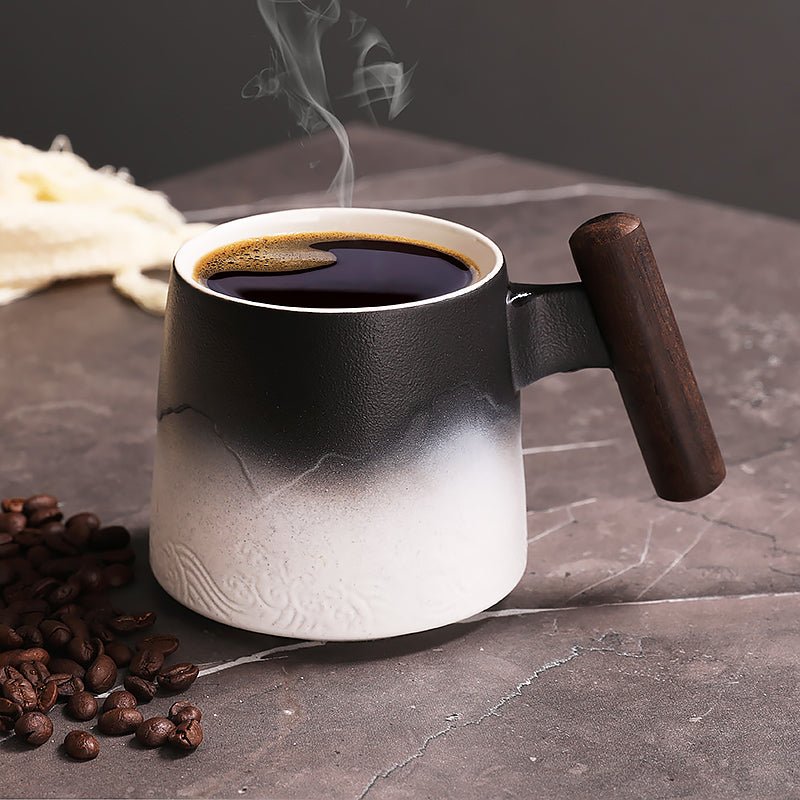
Create Your Own Coffee Mug: Shape, Finish, and Care Guide
Choose a mug shape that fits your hand, your shelf, and the kind of design you want to show. We compare practical options, common trade-offs, and what matters before you order.
Read more
Leave a comment
This site is protected by hCaptcha and the hCaptcha Privacy Policy and Terms of Service apply.