
Coffee Mug Heater Buyer's Guide: Fit, Features, and What to Avoid
Reading time: about 8 minutes
A desk coffee that cools off between emails is usually the reason people start shopping for a coffee mug heater. In our store, we see two clear buyer types: the person who wants to stop microwaving the same cup three times, and the person building a cleaner office setup where the mug just stays ready.
That sounds simple, but the right choice depends on more than plug it in and set a mug on top. Mug shape, base diameter, material, and even how often you move the cup matter. In our experience, people are happiest when they buy the mug and the warmer as a pair, not as two separate afterthoughts.
What does a coffee mug heater actually do well?
A coffee mug heater is best at holding a drink in a comfortable sipping range for a long stretch. It is not a brewer, and it is not a quick fix for a cold mug that has already sat on the counter for an hour. Think of it as a desk or kitchen-counter holding tool, not a reheating tool.
That makes it useful in a few real situations:
- A remote worker who answers calls and returns to coffee over the course of the morning.
- A kitchen counter setup where you pour a mug, get interrupted, and do not want to reheat it repeatedly.
- A gift bundle for someone who drinks slowly and keeps a cup near a laptop or notebook.
If your goal is piping hot coffee from a cold start, a mug warmer is the wrong tool. If your goal is to keep a good cup from slipping into lukewarm territory, it makes sense.
Which mugs work best on a coffee mug heater?
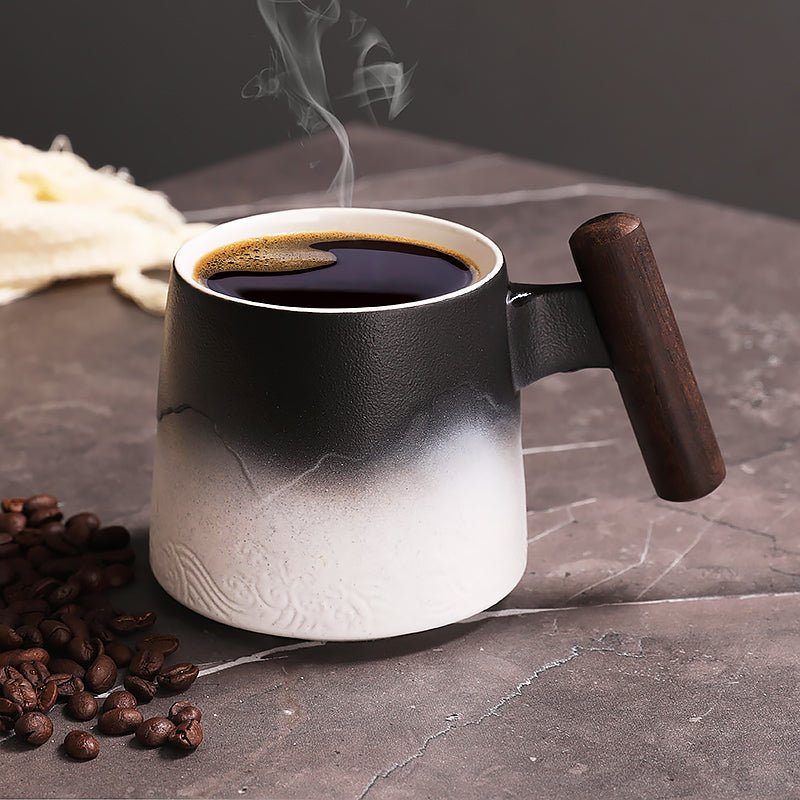
Fit matters more than most buyers expect. A mug with a flat, stable base usually makes the best contact with the warming plate, while a curved base, a raised decorative ring, or a thick double-wall shell can reduce heat transfer. If you are still choosing a mug size, our size guides for a 10 oz Coffee Mug: Size, Fit, and What to Check Before You Buy, 12 ounce Coffee Mug Buying Guide: Size, Fit, and Best Uses, and 16 Ounce Coffee Mug Buyer’s Guide: Size, Material, and Fit are a good place to check base shape before you pair the mug with a warmer.
| Mug type | How it usually performs | Why it matters | Best use case |
|---|---|---|---|
| Ceramic or porcelain with a flat bottom | Usually the most reliable | Good surface contact helps the heat transfer evenly | Office desks, home offices, and kitchen counters |
| Double-wall insulated mug | Often less effective | The insulation is doing its job, which also slows warming from the plate | Better for retaining heat on its own than for a warmer |
| Stainless steel mug | Mixed results | Some bases sit flat, others curve or narrow and lose contact | Only if the base is stable and the maker says it is suitable |
| Glass mug | Can work, but needs caution | Thin glass can heat unevenly if the contact point is poor | Short sessions with careful handling |
| Travel tumbler with lid | Usually not a good match | The shape and lid get in the way, and the base is often too narrow | Not the best category for a mug warmer |
The simple rule is this: if the base is curved, insulated, or too small, the warmer cannot make up the difference. A mug heater can hold heat, but it cannot fix a poor fit.
What features matter before you buy one?
Different warmers look similar on a product page, but the details decide how usable they are on a real desk. We pay attention to the things that matter after the unboxing is over, not just the photo.
- Flat heating surface: A level plate gives better contact and fewer cold spots.
- Stable base and non-slip feet: This matters on smooth kitchen counters and office desks where a cup can get nudged.
- Easy-to-clean top: Sugar, milk, and coffee residue bake on fast. A smooth surface is easier to wipe once the unit cools.
- Clear indicator light: It helps you see at a glance whether the unit is on.
- Auto shutoff or a visible power control: Useful if you leave the desk often or share a workspace.
- Heat management around the cord and switch: Better layouts reduce strain at the plug and make daily use less awkward.
One thing buyers overlook is spill behavior. A little drip around the mug base is normal, but sticky spills can leave a burnt smell the next time the plate warms up. If you drink sweet coffee or hot chocolate, cleaning becomes part of the ownership experience.
How do you use one without creating mess or wear?
A coffee mug heater is straightforward once it is on the right surface, but a few habits make it last longer and work better. We use the same basic setup rules when we test products in our own workspace.
- Start with a mug that has a dry, flat base.
- Set the warmer on a level counter or desk, away from sink edges and loose paper.
- Wipe the bottom of the mug before placing it on the plate so water or grit does not interfere with contact.
- Keep the mug centered on the heating area instead of letting it hang off the edge.
- Unplug the unit before wiping it down, and wait until it cools if there is any spill or residue.
- Store it away from heavy dish traffic if it lives in a shared kitchen, because repeated bumps are hard on cords and switches.
This category is not ideal for people who carry the mug around constantly. If you drink while walking between rooms or commuting, a lid and insulated travel mug usually make more sense than a stationary warmer.
What care and safety details should you check?
The best warmers are simple devices, which is good news, but simple also means there is not much to hide when something wears out. We look for obvious signs of trouble early: a warped plate that creates uneven contact, a loose switch, a frayed cord, or a sticky surface that keeps burning residue into the next cup.
- Do not submerge the unit in water.
- Do not cover it with napkins, coasters, or loose packaging.
- Do not keep using a cracked mug if the glaze has chipped at the base.
- Do not place it where steam from a kettle or sink splash will hit the controls.
- Do unplug it before cleaning or moving it to another room.
For care, a damp cloth after the unit has cooled is usually enough. If you use it daily, a quick wipe once residue starts to show is better than waiting for a thick film to build up. That small habit keeps the plate cleaner and helps the warmer keep good contact with the mug base.
Frequently asked questions
Does a coffee mug heater keep coffee hot or just warm?
It usually keeps coffee warm and drinkable rather than truly hot. If you start with a fresh pour, it helps hold the temperature longer. If the coffee is already cold, the warmer will not bring it back to brewing temperature.
Can I use a stainless steel mug on a coffee mug heater?
Sometimes, but not always. A stainless steel mug needs a flat, stable base to make decent contact, and insulated or tapered bases can perform poorly. If the mug manufacturer says it is suitable, that is the safest place to start.
Are coffee mug heaters safe for an office desk?
They can be, as long as the desk setup is sensible. Keep the unit on a stable surface, away from papers, loose cables, and the edge of the desk. If your office is shared, choose a model with a clear power indicator so no one forgets it is on.
Will a coffee mug heater work with a travel mug?
Most travel mugs are a poor match. Lids, narrow bases, and insulation all work against the warmer's heating surface. If you need mobility more than holding heat at one spot, a good insulated travel mug is usually the better buy.
Which option should you choose next?
If you want a coffee mug heater for a desk, a kitchen counter, or a gift set, start with the mug shape first and the warmer second. Look for a flat base, a size that sits securely, and a drinking routine that keeps the cup parked in one place for a while. That is the combination that actually works in day-to-day use.
- Choose a ceramic or porcelain mug if you want the easiest fit.
- Avoid tall travel tumblers if your main goal is desk warming.
- Check the mug's base before you buy the warmer.
- Accept the trade-off: a warmer holds heat, but it does not replace a kettle or microwave.
If you want to compare what we carry right now, start with our products page or browse the full collection. If you are still deciding on mug size, pair that shopping step with the 10 oz, 12 ounce, and 16 ounce size guides above so you do not end up with a mug that looks right but sits poorly on the plate.
More from our blog
Read more
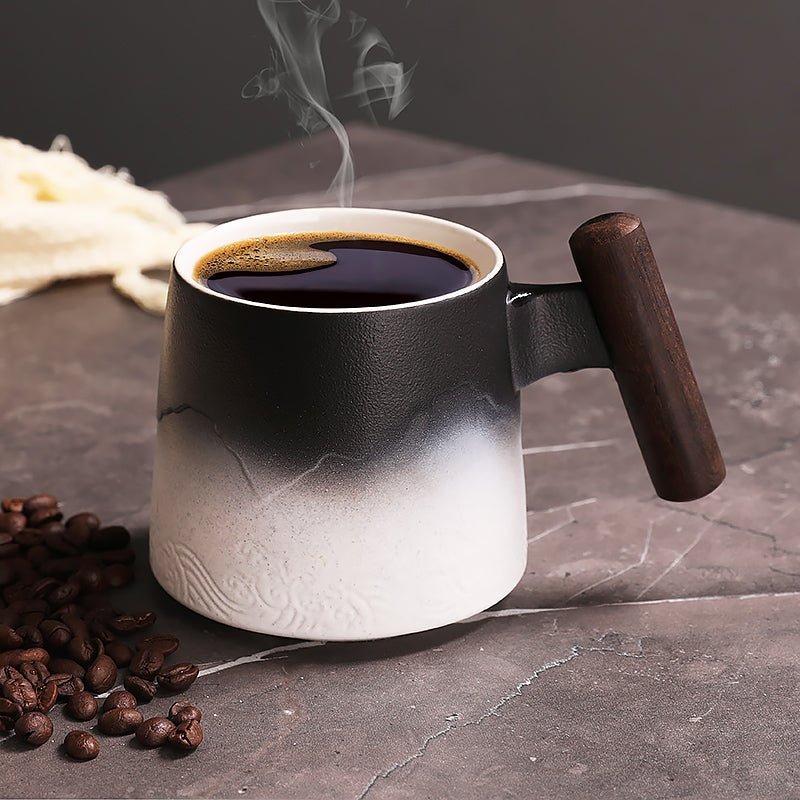
Best Mugs for Coffee: How to Choose Size, Material, and Fit
We break down the best mugs for coffee by size, material, and everyday use, with practical notes on heat retention, handle comfort, and care. You’ll also see which mug styles fit home brewers, desk...
Read more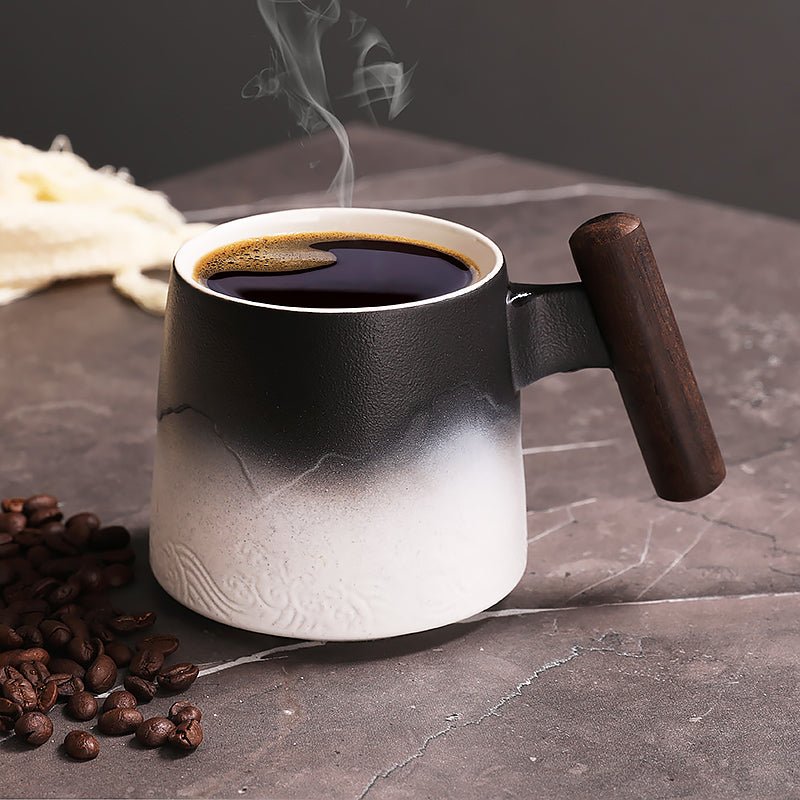
Mugs That Keep Coffee Hot: What to Buy and What to Avoid
Mugs that keep coffee hot depend on more than the label. We break down the materials, lid fit, sizes, and care details that actually change how long your coffee stays drinkable.
Read more
Leave a comment
This site is protected by hCaptcha and the hCaptcha Privacy Policy and Terms of Service apply.