
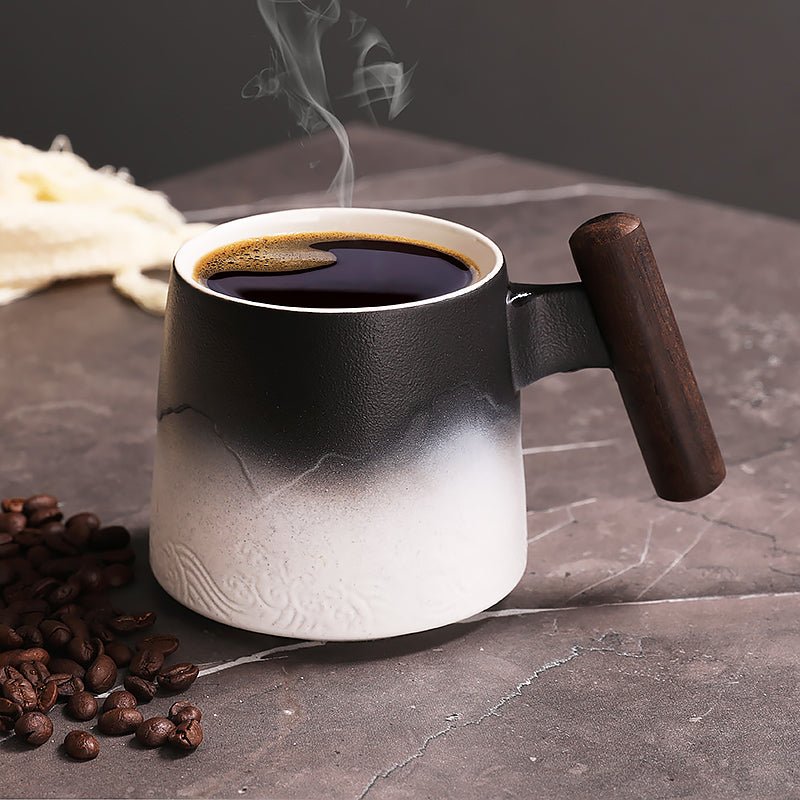
Coffee Mug Ceramic Buying Guide: What to Check Before You Buy
Reading time: about 9 minutes
A mug that feels fine in a product photo can become annoying after two mornings at your desk. The handle pinches, the base wobbles, or the cup is too wide to stay warm through one meeting. That is usually when buyers start paying attention to the details that matter in a coffee mug ceramic purchase.
We handle this category every day in our store, and the same questions come up again and again: Is the mug comfortable to hold? Will the glaze hold up in a dishwasher? Does the shape suit coffee, tea, or both? This guide focuses on those practical checks so you can choose a mug you will actually use, not just display.
If you want to browse the full range while you read, start with our all products collection. For a style-first comparison, our Pleated Coffee Tea Cup, The Flow Coffee Tea Mug, and Mountain Sea Coffee Tea Mug show three different takes on ceramic drinkware.
What makes a coffee mug ceramic worth buying?
A good ceramic mug should do three basic jobs well: sit stable on the counter, feel comfortable in the hand, and handle regular washing without looking tired too quickly. The details around those basics are what separate a mug you keep from one you relegate to the back of the cupboard.
In our experience, shoppers are usually comparing four things at once:
- Wall thickness: Thicker ceramic usually feels sturdier and holds heat a bit longer, but it can also feel heavier in hand.
- Glaze finish: A smooth glazed interior is easier to clean after coffee, tea, or milk drinks. Uneven glazing can trap stains near the rim or base.
- Handle shape: A handle should give enough clearance for fingers without forcing a tight grip. That matters more than people expect on long office days.
- Base stability: A flat, even base helps the mug sit well on kitchen counters, office desks, and tray tables.
Ceramic also has a clear trade-off. It feels more substantial than thin glass or lightweight plastic, but it is not the best choice if you need something for outdoor use, rough transport, or repeated drops. If you want a mug for a commuter bag, a lidded travel cup is the better category.
Which shape works best for coffee, tea, and daily desk use?
Shape changes the experience more than many buyers expect. A broad mug cools faster and gives you more surface area for milk-based drinks. A taller, narrower mug tends to hold heat a little better and feels more controlled when you are carrying it from the kitchen to a desk.
We think about shape in terms of use case, not just appearance. A mug for a quiet home setup can be more sculptural. A mug for a crowded office desk should be easy to grip, easy to wash, and less likely to collide with a laptop or notebook.
Here is a simple way to compare the styles we carry:
| Style | Best for | Trade-off |
|---|---|---|
| Pleated profile | Buyers who want texture and a more tactile hand feel | Raised detail can collect dust faster than a smooth body |
| Flowing silhouette | People who want an easier, softer visual line on the table | Some buyers prefer more grip texture than a smooth exterior offers |
| Landscape-inspired shape | Gift buyers and customers who want a statement mug | More decorative styling may matter less if you want a purely minimal look |
If you want to see those differences in one place, compare the Pleated Coffee Tea Cup, The Flow Coffee Tea Mug, and Mountain Sea Coffee Tea Mug side by side. Each one has a different visual rhythm, and that changes how it feels at the table.
What details should you check before ordering?
The biggest buying mistakes are usually small ones. A mug can look right and still miss the mark because the rim feels too thick, the handle opening is too tight, or the finish is more decorative than practical. We suggest checking these details before you order any coffee mug ceramic piece:
- Capacity: Make sure the mug matches how much you actually drink. If you regularly pour large coffees, smaller mugs feel inconvenient fast.
- Rim comfort: A smoother rim is better for everyday sipping. A chunky or uneven lip can be distracting, especially with hot drinks.
- Handle clearance: Test whether your fingers would fit comfortably if you were holding the mug with one hand while opening a door or typing.
- Finish consistency: Look for even glaze coverage, especially inside the cup and around the base where wear usually shows first.
- Cleaning practicality: If you use milk, flavored syrups, or sweetened tea, a smooth interior matters more than decorative exterior texture.
Those checks are especially useful if you buy mugs as gifts. A gift mug should be attractive, but it should also be easy to use without a learning curve. A beautiful handle that is awkward in the hand stops feeling gift-worthy very quickly.
If you want a broader buying checklist for size and everyday use, our 16 oz Ceramic Coffee Mug Buying Guide for Daily Use and 20 oz Ceramic Coffee Mug Buying Guide: Fit, Heat, and Care cover the practical side of mug shopping in more detail.
How should you care for a ceramic mug so it lasts?
Ceramic lasts well when it is used normally and cleaned consistently. The main enemies are harsh thermal shock, repeated impact against sinks and taps, and letting residue sit inside the cup too long. The finish can stay attractive for years if you treat it like everyday drinkware rather than a display-only object.
Our recommended routine is simple:
- Rinse the mug soon after coffee or tea use so stains do not set at the bottom.
- Use a soft sponge for the interior, especially on light-colored glaze.
- Let the mug dry fully before stacking it with heavier dishes.
- Avoid sudden temperature swings, such as moving a very hot mug straight into very cold water.
Some ceramic mugs are dishwasher safe, but the safest approach is to follow the care guidance for the specific mug you buy. A decorated exterior, textured body, or specialty glaze may ask for gentler treatment than a plain utility mug. That is not a flaw. It is the trade-off for a more distinctive piece.
Ceramic is not ideal if you need maximum drop resistance. It can chip on sink edges and crack if knocked against another hard object. If your kitchen is busy, or if you tend to rush while washing dishes, choose a shape with a stable base and a handle that gives you a secure grip.
Which mug is best for your use case?
The right choice depends on where the mug will live. A kitchen mug, office mug, and gift mug are not always the same product.
For a home kitchen counter
Choose a mug that is easy to reach, easy to stack or line up, and forgiving when your hands are wet. A more textured ceramic can be pleasant here because you are not carrying it very far.
For an office desk
Look for a balanced shape with a stable base. A mug that is slightly taller or more contained usually feels safer around keyboards, notebooks, and cables. We would avoid an overly wide mug if your desk is already crowded.
For gifting
Pick a mug with a visual story. The Mountain Sea Coffee Tea Mug works well for buyers who want something more expressive, while the The Flow Coffee Tea Mug leans softer and more understated. If you are choosing for someone who notices tactile detail, the Pleated Coffee Tea Cup gives a different hand feel without looking overly ornate.
If you are still deciding on overall mug size rather than style, our Best Ceramic Mug Size for a Small Coffee Corner article is useful for smaller kitchens and compact shelves. For larger-capacity shoppers, the Ceramic 20 oz Coffee Mug: What Buyers Should Check Before Buying covers the checks that matter before you place an order.
What should you expect from ceramic mugs that are not obvious from photos?
Photos usually show shape and color well. They do not always show weight, rim feel, or how the mug behaves when it is full. That is where real-world handling matters.
Here are the things we watch for when we inspect mugs in our store:
- Rim symmetry: A mug should drink evenly from all sides, not feel heavier on one edge.
- Handle attachment: The joint between handle and body should look clean and feel secure. Rough joins can be uncomfortable and can collect grime.
- Foot ring finish: The underside should be smooth enough not to scratch a shelf or counter.
- Glaze transitions: Sharp changes in finish can show wear earlier, especially around the lip and base.
These are not cosmetic nitpicks. They affect everyday use. A mug that feels balanced while empty but awkward when full will end up as a backup mug, not your daily one.
Frequently asked questions
Is a coffee mug ceramic better than glass for everyday use?
For most daily setups, ceramic is the more forgiving choice. It usually feels more solid in the hand and is less slippery than glass, especially with hot drinks. Glass can be a better choice if you want to see layered drinks, but ceramic is usually easier to live with day to day.
How do I know if a ceramic mug handle is comfortable?
Look at the opening size and the spacing between the handle and the mug body. You want enough room for two or three fingers without scraping the ceramic. If you often drink while working or standing in the kitchen, a slightly larger handle is usually the safer pick.
Can ceramic mugs go in the dishwasher every day?
Many can, but you should always follow the care guidance for the specific mug. If the mug has a special glaze, decorative exterior texture, or painted details, gentler washing may help it keep its finish longer. Repeated dishwashing is usually fine for plain everyday mugs, but it is still worth checking the product page.
What kind of ceramic mug is best for gifts?
Choose a mug with a distinct shape and a finish that feels thoughtful rather than generic. The mug should be easy to hold and easy to use, because a gift that only looks good on a shelf tends to get less use. Our Mountain Sea, Flow, and Pleated styles each fit slightly different tastes.
What ceramic mug features are not worth overpaying for?
For most buyers, extra surface decoration matters less than comfort, balance, and washability. A mug should not feel awkward just because it looks artistic. If you need a workhorse mug, spend attention on the rim, base, handle, and finish quality first.
If you want to compare styles and pick one that fits your routine, start with our all products collection, then narrow down to the mug shape that matches your kitchen, desk, or gift list. If size is still your main question, pair this guide with the 16 oz and 20 oz buying guides before you buy.
Read more
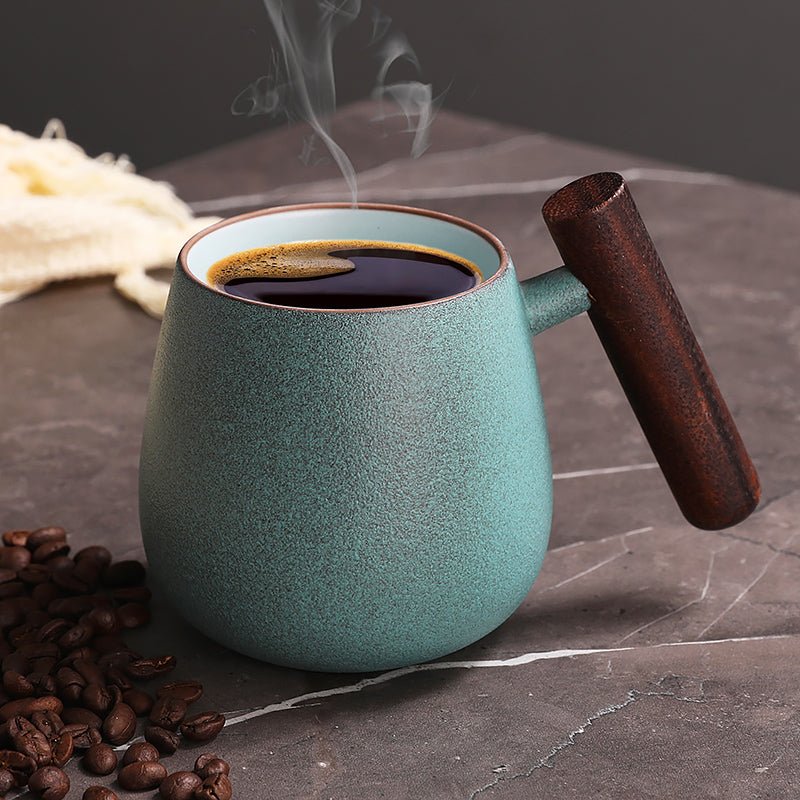
Mushroom Coffee Mug: What Buyers Should Check Before They Buy
Choosing a mushroom coffee mug is mostly about fit, feel, and finish, not just the artwork. We break down the sizes, materials, and care details that matter in a real kitchen or office.
Read more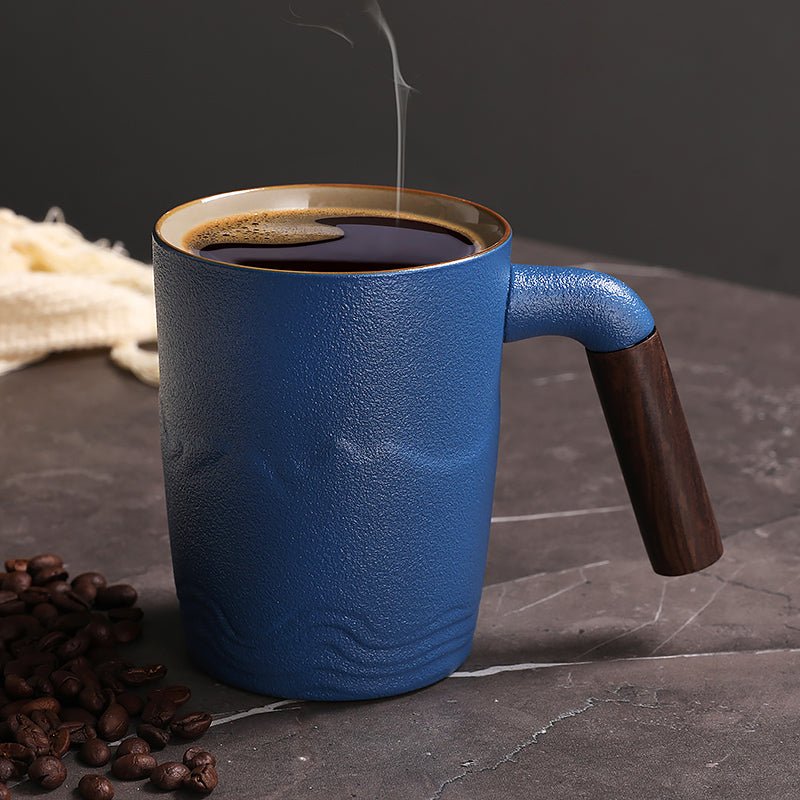
Non Toxic Coffee Mugs: What to Check Before You Buy
Non toxic coffee mugs are about more than a label. Here’s how we check materials, glazes, sizes, and care details so you can choose a mug that fits daily use.
Read more
Leave a comment
This site is protected by hCaptcha and the hCaptcha Privacy Policy and Terms of Service apply.