
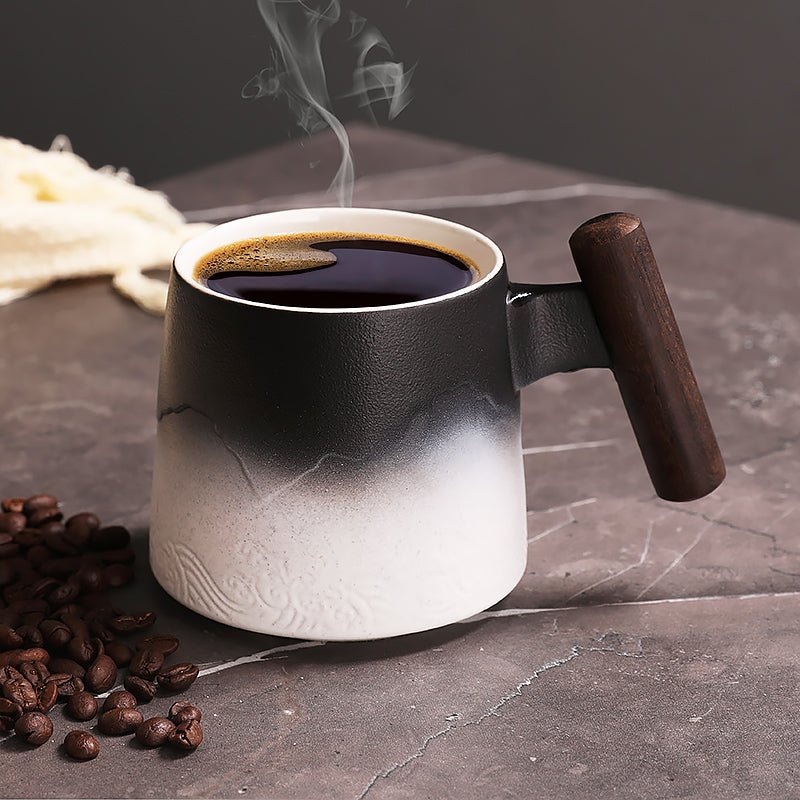
Coffee Lid Mug: What Buyers Should Check Before They Order
Reading time: about 9 minutes
A lid that rattles on the mug is usually the first sign the buyer will regret the purchase. We see it all the time: someone wants a cleaner desk, a slower morning sip, or a mug that travels from kitchen counter to office table without dust getting in the cup.
A coffee lid mug can solve that problem, but only if the lid, cup shape, and material work together. We handle these choices every day in our store, and the details that matter most are not flashy. They’re things like lid seal, handle clearance, rim comfort, and whether the mug still feels easy to wash after a week of real use.
If you’re comparing options, start with our full collection and then narrow down by what you actually plan to do with the mug. For a deeper look at lid styles, our post on Coffee Mug with Lid: What Buyers Should Check Before They Order covers the basics we wish more shoppers checked first.
What does a coffee lid mug do well, and where does it fall short?
A coffee lid mug mainly helps with three things: it slows cooling a bit, keeps out dust, and reduces small splashes while you move the mug from one spot to another. That makes it a practical choice for desks, bedside tables, open-plan offices, and kitchens where coffee sits for a few minutes before you drink it.
It is not the right choice if you need a fully leakproof travel cup for a backpack, commute, or gym bag. Most mug lids are splash-resistant rather than sealed tight, and that difference matters. If the mug is tipped over, a lid mug can still spill.
In our experience, shoppers get the best results when they think of a lid mug as an everyday sip-and-set-down cup, not a sealed transport container.
Which material should you choose for a coffee lid mug?
Material changes how the mug feels in the hand, how it holds heat, and how much care it needs. The right pick depends on where you’ll use it most.
| Material | What it feels like | Best for | Trade-off |
|---|---|---|---|
| Ceramic | Solid, familiar, comfortable at the rim | Desk use, home coffee, gifting | Heavier; can chip if knocked against a sink or countertop |
| Glass | Clean look, lighter visual profile, easy to see the drink | Lighter coffee drinks, presentation, modern kitchens | Shows fingerprints and can feel less insulated than thicker walls |
| Insulated stainless steel | More temperature retention, sturdy in hand | Longer sipping sessions, commutes, cold counters | Not everyone likes the feel for everyday home coffee; can be bulkier |
If your priority is a gift that feels classic on a kitchen counter, ceramic usually makes the most sense. If you care more about durability and staying power, an insulated style is worth a look. For shoppers comparing insulated options, our guide to the Insulated Coffee Mug with Handle and Lid explains the trade-offs in plain language.
For customers who like a visible drink and a lighter visual feel, glass can work well, but it is more specific. It is a better fit for coffee at home than for a bagged commute, and it is not the best choice if you tend to stack mugs tightly in a crowded cabinet.
How do you tell if the lid fit will actually be useful?
The lid is the part most shoppers underestimate. A good lid should sit evenly, open without a fight, and stay put when you carry the mug from counter to table. A poor lid either feels too loose or is so tight that you avoid using it.
We look for a few practical signs:
- Even seating: the lid should rest flat, not tilt on one edge.
- Comfortable opening: if you sip coffee all morning, you should not need to pry at the lid every time.
- No odd wobble: a lid that shifts around usually points to weak fit or poor matching between cup and top.
- Easy cleaning: lids with fewer grooves are simpler to rinse after coffee oils dry.
One common defect mode we see is a lid that looks fine out of the box but rattles after a few uses because the fit is too loose. Another is a lid with a splash opening that is too small for comfortable sipping, which leads people to drink through the wrong part or remove the lid entirely.
If you want a broader buying checklist before choosing a lid style, our article on Ceramic Coffee Mug with Lid: What to Check Before You Buy is a useful companion read.
What size coffee lid mug should you buy?
Size should match your real routine, not the mug you imagine using on a perfect morning. A smaller mug can feel right for espresso-based drinks or a short cup of drip coffee, while a larger mug works better if you nurse coffee across a long work session.
As a rule of thumb, think about how much liquid you usually pour, not just how much looks nice on a shelf. A lot of buyers like 8 oz for compact servings and 20 oz for a fuller, all-morning cup, but the right answer depends on your coffee style and how much counter space you have.
Here is the practical way we help people decide:
- Choose 8 oz if you want a smaller, more controlled pour or use strong coffee in smaller servings.
- Choose mid-size mugs if you want a standard desk cup that does not feel oversized.
- Choose larger mugs if you want fewer refills and a sturdier presence on a work table.
Shoppers who want a deeper size comparison can also check our posts on the 8 oz Coffee Mug and the 20 oz Coffee Mug. Those size guides help narrow down what actually fits a person’s coffee habit.
A larger mug is not always better. It can feel too heavy when full, and if the opening is wide, the drink may cool faster than you expect. Smaller mugs are neat and tidy, but they are not ideal if you prefer long pours or like to add milk and still keep room for coffee.
What care routine keeps a lid mug looking good longer?
Care is where many mug purchases succeed or fail. A mug that looks great on day one can pick up stains, cloudy marks, or lid buildup if it’s washed carelessly.
Our practical care advice is simple:
- Rinse coffee oils soon after use so they do not dry on the rim or lid.
- Check whether the lid has grooves, vents, or seal edges that need a quick hand wash.
- If the mug is ceramic, avoid rough impact with sinks and metal racks that can chip the rim.
- If you use the dishwasher, place the mug where it will not knock against heavier dishes.
We do not recommend assuming every lid is dishwasher-friendly in the same way. Some lids hold up well to regular cycles, while others are better handled by hand washing to preserve the fit and finish. If a mug has a printed exterior or a thinner lid component, repeated heat and detergent exposure can wear it differently over time.
For people who are picky about presentation, this matters. A clean lid and stain-free rim make the mug feel new longer, especially if it sits on a desk beside a laptop and paperwork.
Which coffee lid mug is best for home, office, or gifting?
The best pick changes based on where the mug lives most of the time. We see different buying patterns for each setting.
- Home kitchen: ceramic usually wins because it feels natural for daily coffee and matches mixed dishware.
- Office desk: a lid mug is useful for dust control and small splashes, especially if you step away from your desk often.
- Gift giving: the safest choice is usually a mug with a clean, simple look and a lid that feels easy to understand right out of the box.
- Travel-heavy routines: a lid mug can help, but it is not the best substitute for a sealed travel tumbler.
For gift buyers, presentation matters, but usability matters more. A mug that looks cute and is awkward to sip from gets used twice, then forgotten. That is why our team always checks rim feel and lid ease before we recommend a style for gifting.
If you want a broader perspective on mugs people actually keep using, our guide to Awesome Coffee Mugs: How to Choose a Mug You’ll Actually Use is a good place to compare use cases.
What should you check before buying from our store?
We encourage shoppers to compare a few simple things before they order a coffee lid mug from our store or any other shop. These are the details that usually separate a mug that gets used from one that sits in the back of the cabinet.
- Lid fit: does it sit securely without feeling forced?
- Rim comfort: does it feel good to sip from without the lid?
- Material: ceramic, glass, or insulated steel each changes the experience.
- Cleaning routine: can you wash the lid and cup without extra hassle?
- Use case: home, office, gift, or light travel?
If you want to browse available styles first, start with our products page and compare the mug shape, lid style, and size that fit your routine. In our store, we try to keep the choices practical rather than overloaded with extras, because the best mug is usually the one that disappears into your daily routine and just works.
One thing we tell shoppers often: if you need spill protection for a bag or car seat, choose a true travel mug. If you want a cleaner sip at your desk or kitchen table, a coffee lid mug is the simpler, more comfortable choice.
Frequently asked questions
Is a coffee lid mug leakproof?
Usually no. Most coffee lid mugs are designed to reduce splashes and keep dust out, not to seal completely upside down in a bag. If you need something for commuting or carrying in a backpack, a true travel tumbler is the better option.
Can I put a coffee lid mug in the dishwasher?
Some can, but not all lids handle dishwasher heat and detergent the same way. We recommend checking the care instructions for both the cup and the lid, then hand washing the lid if it has grooves, vents, or a tight fit you want to preserve.
What material is best for daily home coffee use?
Ceramic is usually the easiest daily pick for home use because it feels comfortable and familiar. If you care more about durability or heat retention, insulated stainless steel may be better, but it changes the drinking feel.
What size coffee lid mug should I choose for office use?
A mid-size mug is usually the safest office pick because it balances capacity with comfort at a desk. Smaller mugs are neat but require more refills, while larger mugs can feel bulky if your workspace is tight.
Do coffee lid mugs keep coffee hot longer?
They can slow heat loss a bit by reducing open air exposure, but they do not perform like a fully insulated sealed tumbler. The material and lid fit both matter, and a loose lid will not hold heat as well as one that sits securely.
If you are still comparing options, check the lid style, size, and cleaning method first, then browse our collection for the mug that fits your desk, kitchen, or gift list best.
More from our blog
Read more
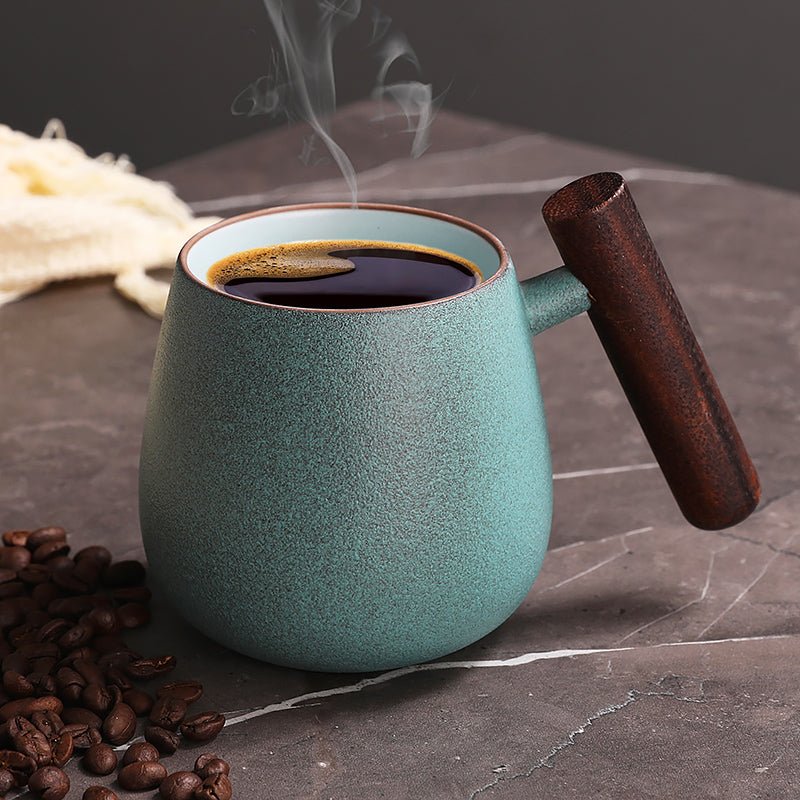
Best Travel Coffee Mugs for Commutes, Office Days, and Trips
A practical guide to the best travel coffee mugs for leak resistance, heat retention, and easy cleaning. We compare the features that actually matter on a commute, at a desk, or in a carry-on.
Read more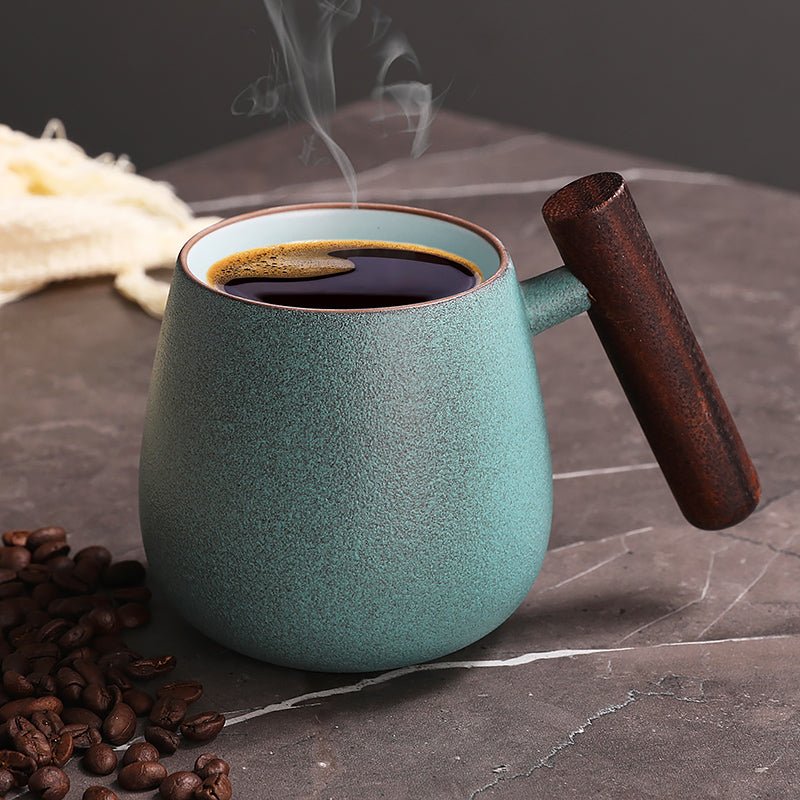
Stanley Coffee Travel Mug: What Buyers Should Check Before Ordering
A practical buyer’s guide to the Stanley coffee travel mug, focused on lid design, size, insulation, and everyday use. We break down where it works well, where it falls short, and what to compare b...
Read more
Leave a comment
This site is protected by hCaptcha and the hCaptcha Privacy Policy and Terms of Service apply.