
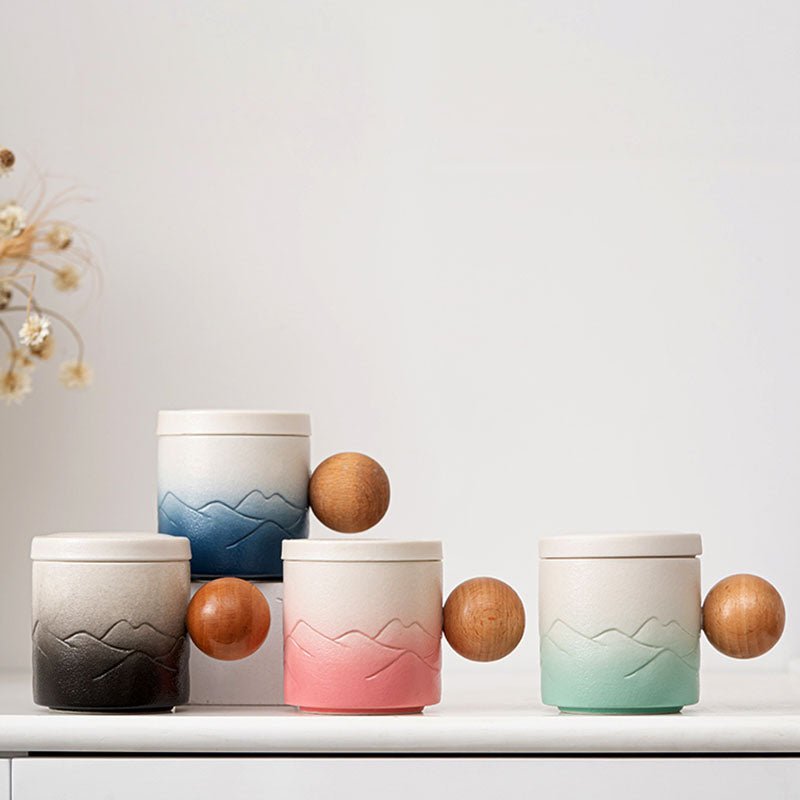
Coffee Cups and Mugs: How to Choose the Right One for Daily Use
Reading time: about 9 minutes
The wrong mug is easy to spot by day three. It feels too light, slips a little in the hand, stains faster than you expected, or turns a simple desk coffee into a balancing act.
That is usually where shoppers land before they buy from us. They are not shopping for a generic cup. They want coffee cups and mugs that fit a real routine: a quick pour before work, tea at the desk, a gift that looks thoughtful, or a backup mug that can survive repeated dishwasher cycles without looking tired right away.
In our store, we handle this category every day, and the same pattern keeps showing up: shape matters, size matters, and the best-looking mug is not always the one people keep reaching for. If you want a broader starting point, our Coffee Cups & Mugs: How to Choose the Right One for Daily Use guide is a good companion read.
What should you look for first in coffee cups and mugs?
Start with how the mug will actually be used, not just how it looks in a photo. We usually narrow choices by capacity, handle comfort, rim feel, and care routine before we talk about artwork or style.
Three details matter more than most shoppers expect:
- Capacity: A true everyday mug often sits in the 10 oz to 15 oz range. Smaller cups suit espresso drinks or tightly measured tea servings; larger mugs work better for long desk sessions and drip coffee.
- Body shape: A rounder body usually feels balanced in the hand and helps retain heat a bit longer than very open, straight-sided shapes.
- Care: If the mug is going through the dishwasher often, look closely at how the glaze and printed design hold up over time. Handwashing is gentler, but most shoppers want something that can handle regular machine washing.
We also tell customers to check the handle opening. A mug can look great and still feel awkward if the handle is too tight for larger fingers or if it forces your wrist into an odd angle when the mug is full.
If you are comparing sizes first, our size-focused posts like 10 oz Coffee Mugs: How to Choose the Right One for Daily Use and 12 Ounce Coffee Mugs: Size, Fit, and Best Buying Choices are useful side-by-side references.
Which mug size works best for your daily routine?
Size is the first thing people regret getting wrong. Too small, and you are refilling constantly. Too large, and the drink cools before you finish it, especially on a desk or bedside table.
| Typical size | Best for | Trade-off |
|---|---|---|
| 10 oz | Smaller coffee servings, tea, compact cabinets | Not ideal for large drip coffee pours |
| 12 oz | Most everyday coffee drinkers | May feel modest if you like a very full mug |
| 14 oz | Long desk sessions, larger pours | Can feel bulky in smaller hands |
| 15 oz | Big coffee drinkers, relaxed home use | Heavier when filled and takes more cabinet space |
We usually steer shoppers toward 12 oz if they want the safest middle ground. It tends to feel familiar without becoming oversized. If the buyer prefers a bigger morning pour or uses the mug at a desk all day, 14 oz or 15 oz can be the better fit. Our related reads on 12 oz Coffee Mugs: How to Choose the Right Mug for Daily Use and 15 oz Coffee Mugs: Size, Fit, and Daily Use Checklist help make that decision more concrete.
One limitation worth saying plainly: a larger mug is not automatically better. If you drink quickly and want heat retention, an oversized cup can work against you. More surface area means the drink cools faster than many shoppers expect.
What makes our round coffee and tea mug a good everyday pick?
The Round Coffee Tea Mug is the kind of shape many people end up using every day because it is straightforward and comfortable. The rounded body feels familiar in the hand, and that matters when you are using the same mug at breakfast, mid-morning, and again after lunch.
From a practical standpoint, round mugs are usually easier to live with than novelty shapes. They fit more naturally on kitchen shelves, look clean on a desk, and are less likely to catch awkwardly on the saucer, counter edge, or dishwasher rack. For shoppers who want a mug that does not fight the routine, this is often the simplest choice.
That said, a plain round mug is not the best answer for someone who wants a strong visual statement or a gift with a themed design. If presentation matters more than everyday simplicity, the next two options are stronger candidates.
Which styles work better if you want a gift or a decorative piece?
Some shoppers want the mug to do more than hold coffee. They want the unboxing moment to feel special, or they want a mug that looks good enough to leave out on the counter. That is where the themed designs start making sense.
The Elk and Moon Coffee Tea Mug has a more decorative, giftable feel. It suits someone who likes a nature-inspired look and wants their mug to feel a little more personal than a plain white cup. The trade-off is obvious: more visual character usually means a narrower style match. If your kitchen is very minimal, it may stand out more than you want.
The Koi Fish Coffee Tea Mug works similarly well for shoppers who like expressive artwork and want a mug that can double as a small display piece. We see these kinds of mugs chosen for birthdays, office gifts, and housewarming presents because they feel chosen, not grabbed at random.
If you are browsing the full range first, the full collection is the easiest place to compare styles without jumping between tabs.
How do you compare mugs before you buy?
We recommend a quick check against the actual use case. This takes less time than reading ten product pages and usually leads to a better choice.
- Check the size against your usual drink. If you pour 10 oz of coffee and finish it quickly, a larger mug may not add much value.
- Look at the handle shape. A comfortable handle should let two to three fingers fit without squeezing.
- Think about storage. Bulky mugs can crowd a crowded cabinet or a shelf above the coffee maker.
- Decide on style priority. Plain, round mugs are easier to match. Illustrated mugs are better when you want a gift-ready look.
- Match care to habit. If you hate handwashing, choose a mug you will not mind running through the dishwasher repeatedly.
In our experience, the most common complaint is not that the mug is bad. It is that the buyer chose the wrong size for the way they drink. That is why our store leans hard on practical sizing before design.
A good mug should disappear into the routine. You should notice the coffee, not fight the cup.
What are the common problems shoppers run into with coffee cups and mugs?
There are a few predictable failure points in this category, and we think it helps to name them honestly.
- Handles that feel cramped: A mug may look balanced online but feel tight when you actually grip it full of hot liquid.
- Glaze wear or surface marking: Repeated dishwasher cycles can make some finishes look dull sooner than expected.
- Too much weight: Heavier ceramic can feel sturdy, but a large mug may become tiring if you carry it around all morning.
- Oversized designs: Artwork can sometimes dominate the mug, which is great for gifting but less ideal for a calm, minimalist kitchen.
Not every mug is meant for every buyer. If you mainly want a compact cup for precise pours, a big decorative mug is probably not your best match. If you want a desk mug that stays pleasant to hold after several refills, a mid-size option with a comfortable handle usually wins.
For shoppers comparing mid-range daily-use options, our post on 14 Ounce Coffee Mugs: Size, Fit, and Buying Guide can help clarify where that size shines and where it starts to feel large.
How should you care for ceramic coffee cups and mugs?
Most shoppers do not need a complicated routine, but a little care keeps the mug looking better longer. We usually suggest:
- Rinse soon after use if you drink dark coffee or tea regularly.
- Use a non-abrasive sponge for the printed or decorated areas.
- Avoid sudden temperature swings, such as pouring boiling liquid into a very cold mug straight from storage.
- Let the mug dry fully before stacking it back in a cabinet, especially if your shelves run humid.
Ceramic mugs are practical, but they are not indestructible. Chips usually start at the rim or base if the mug gets knocked against a sink, dish rack, or countertop edge. That is one reason we always suggest checking the base and handle attachment in photos before buying, especially if the mug will get heavy daily use.
Frequently asked questions
What size coffee cup or mug is best for everyday use?
For most people, 12 oz is the safest everyday size. It is large enough for a normal coffee pour without feeling bulky, and it still fits well in most cabinets and dish racks. If you regularly drink larger pours or like a mug that stays with you through a long desk session, 14 oz or 15 oz may be better.
Are ceramic coffee mugs better than other materials?
Ceramic is a strong all-around choice for daily home and office use because it feels stable, holds heat reasonably well, and comes in many styles. It is not the lightest option, and it can chip if knocked hard against a sink or counter. If you need something for travel, a sealed tumbler is the better category.
Can I put decorative coffee mugs in the dishwasher?
Many decorative mugs can go in the dishwasher, but repeated machine washing may wear down printed artwork faster than handwashing. If the design is a big part of why you bought the mug, a gentle wash by hand is the safer routine. Always follow the care guidance that comes with the specific product.
Which mug is best if I want to give it as a gift?
If you want a gift that feels personal, themed mugs usually land better than plain utility mugs. The Elk and Moon Coffee Tea Mug and Koi Fish Coffee Tea Mug both work well for that reason. If the person prefers simple kitchenware over decorative pieces, the Round Coffee Tea Mug is the safer gift choice.
What should I check before buying coffee cups and mugs online?
Check capacity, handle comfort, care instructions, and the style of the glaze or printed artwork. Also look at whether the mug suits your routine: desk coffee, tea, occasional use, or daily kitchen rotation. If the seller provides a full collection view, compare a few styles side by side before deciding.
Which coffee cups and mugs should you look at first?
If you want the simplest everyday option, start with the Round Coffee Tea Mug. If you want a more gift-ready or decorative choice, compare the Elk and Moon Coffee Tea Mug and the Koi Fish Coffee Tea Mug.
For a broader comparison across the store, the collection page is the fastest next step. If you are still deciding on size, pair that with our buying guides on 10 oz, 12 oz, 14 oz, and 15 oz mugs so you can match the mug to the way you actually drink coffee.
Before you click buy, run this quick checklist: size, handle comfort, care routine, and how the mug will be used. That usually gets you to the right choice faster than style alone.
Read more
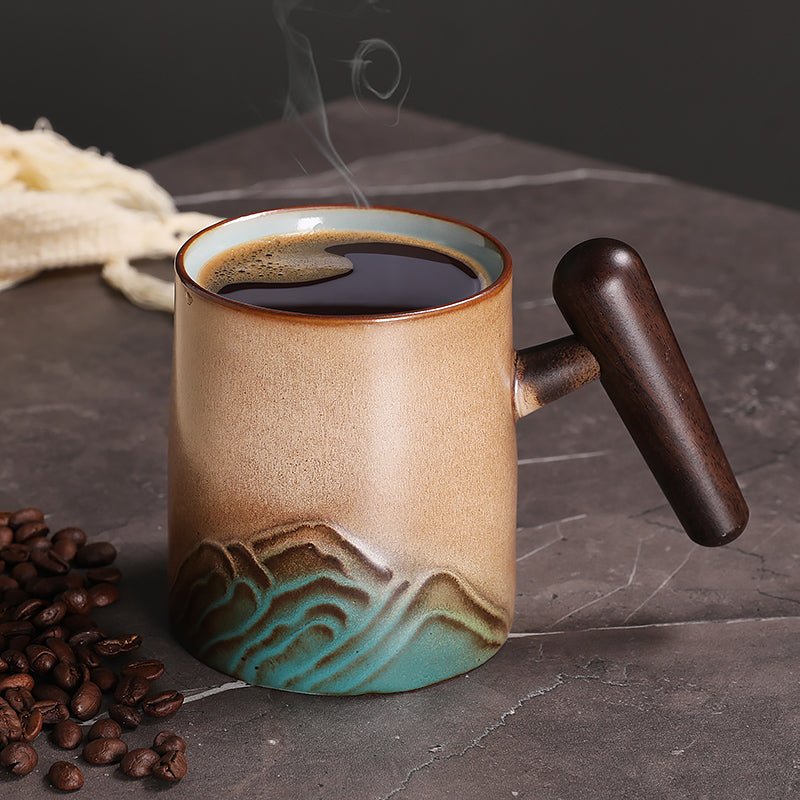
Beautiful Coffee Mugs for Daily Use: What to Buy and Why
A practical guide to coffee mugs beautiful enough for the counter and dependable enough for everyday coffee, tea, and desk use. We compare shape, size, handle comfort, and finish so you can pick a ...
Read more
Tin Coffee Mugs: What to Buy, What to Avoid, and Best Picks
Tin coffee mugs are lightweight, easy to carry, and handy for casual daily use, but they are not the best fit for everyone. Here’s how we compare them against other mug styles, what to check before...
Read more
Leave a comment
This site is protected by hCaptcha and the hCaptcha Privacy Policy and Terms of Service apply.