
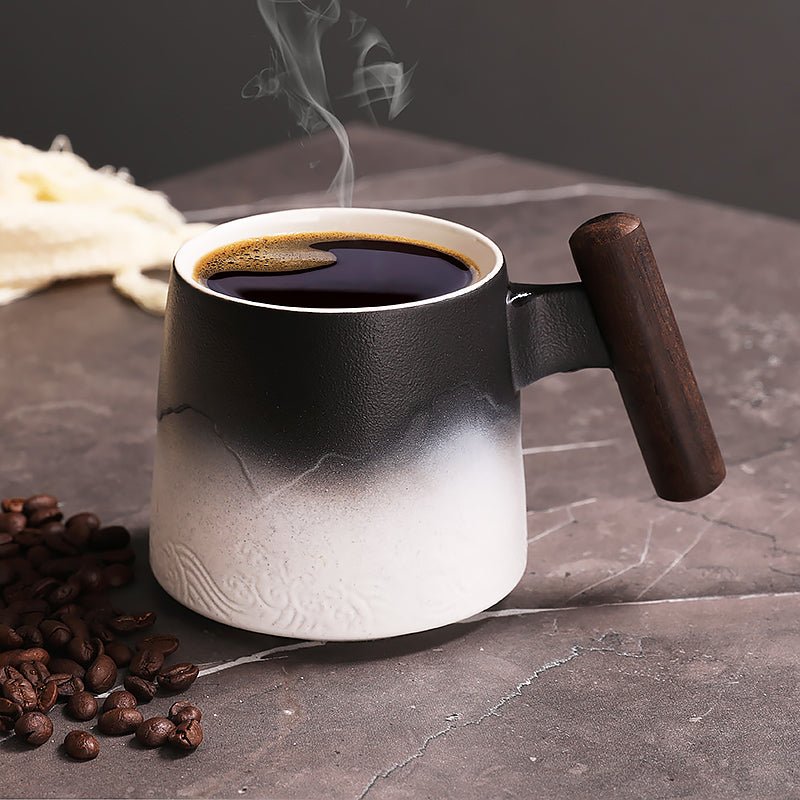
Caribou Coffee Mugs: What Buyers Should Check Before Ordering
Reading time: about 9 minutes
A mug can look right in a product photo and still feel wrong on a real counter. The handle may be too tight for two fingers, the base may wobble on a desk, or the rim may feel too thin once hot coffee hits it.
That is the part shoppers usually care about after the first sip. If you are comparing caribou coffee mugs, the useful questions are practical ones: how much coffee does it hold, how heavy does it feel, does the finish hold up in the dishwasher, and is it a mug you will actually reach for on a weekday morning?
In our store, we see mugs bought for three very different jobs: a quiet kitchen breakfast, an office desk that gets used all day, and a gift box that needs to look thoughtful without being fragile. The right pick changes with each use case.
What should you check before buying caribou coffee mugs?
Start with the parts that are hard to judge from a thumbnail. The logo or style matters, but the build details determine whether the mug feels good after a week of use.
These are the checks we make before we recommend a mug to a shopper:
- Capacity: Make sure the stated ounces match how much you actually pour. A mug listed at 12 oz usually fits a standard drip coffee with room to spare, while 16 oz gives more space for cream or a larger morning pour.
- Handle clearance: A handle should leave enough space for an average hand, even when the mug is full and hot. Tight handles are one of the first complaints we hear from buyers who drink every day.
- Rim thickness: A very thin rim can feel elegant, but it may also feel less forgiving with hot coffee. A slightly thicker rim is often more comfortable for everyday use.
- Base stability: A flat, even foot ring matters on kitchen counters, office desks, and dishwasher racks. If a mug rocks slightly on a hard surface, that usually shows up in daily use.
- Finish and care: Check whether the listing says dishwasher safe and microwave safe. If the mug has metallic trim or special decoration, it may not belong in the microwave at all.
We also look at common defect modes that bother real shoppers: hairline glaze crazing, a chipped rim out of the box, weak handle attachment points, or a print that fades faster than the ceramic body. Those are not design features. They are quality issues that show up after the mug leaves the shelf.
Which size works best for your coffee habit?
Size is where most buyers either land exactly right or feel mildly annoyed every morning. If your mug is too small, you refill constantly. If it is too large, the coffee cools before you finish it.
For deeper size comparisons, our guides on 12 oz coffee mugs, 16 oz coffee mugs, and 20 ounce coffee mugs break down the trade-offs in more detail. If you are still deciding on the upper end, our guide to large capacity coffee mugs is useful too.
| Typical size | Best for | Main trade-off |
|---|---|---|
| 8 oz | Espresso drinks, small servings, compact cabinets | Not enough room for a full drip coffee with cream |
| 12 oz | Standard morning coffee, neat desk setup, easier cabinet storage | Less room for add-ins and larger pours |
| 16 oz | Big home pours, office use, long work sessions | Can feel bulky if you prefer a lighter mug |
| 20 oz | Extra-large drinks, slow sipping, fewer refills | Heavier when full and not ideal for small hands |
If you mostly drink one standard cup at home, 12 oz is often the cleanest fit. If you tend to pour a little extra room for milk, sugar, or foam, 16 oz is usually more forgiving. We would not push a 20 oz mug on someone who wants a compact cabinet footprint or drinks coffee fast enough that cooling is not a concern.
That trade-off matters. A larger mug is not automatically better. It is better only if the extra capacity matches how you drink.
Which material and finish hold up best?
Most shoppers looking for caribou coffee mugs are comparing ceramic, stoneware, and porcelain. Each has a different feel in the hand, and each behaves a little differently after repeated use.
Stoneware usually feels thicker and a bit heavier. That can be a plus if you want a sturdy mug for the kitchen table or a desk that gets bumped often. The downside is weight. A full stoneware mug can feel more substantial than some buyers expect.
Ceramic covers a broad range, but the main thing to check is glaze quality and wall consistency. A well-made ceramic mug should feel balanced, not top-heavy. Look for an even finish inside and out, because rough spots or uneven glazing can show wear earlier.
Porcelain tends to feel lighter and more refined. It is a good fit if you want a cleaner, thinner look. The trade-off is that it can feel less rugged than thicker stoneware, especially if you are the type to move a mug from sink to counter to dishwasher in a hurry.
For care, we recommend checking these points on the listing:
- Dishwasher safe if you plan to use it daily.
- Microwave safe if you reheat coffee at your desk or kitchen counter.
- No metallic accents if you want microwave use.
- Glaze that is smooth and even, especially near the rim and handle joint.
A mug that is not microwave safe is not a bad mug. It just belongs in a different workflow. If you routinely warm coffee between meetings, choose convenience over decorative finishes.
How do you judge comfort, balance, and desk use?
A mug lives or dies by how it feels after ten minutes, not ten seconds. That is why we pay close attention to handle shape, balance, and how the mug sits on a flat surface.
Here is the practical test we use in our store when we evaluate everyday mugs:
- Pick it up with one hand and check whether the handle allows a natural grip without pressing knuckles against the body.
- Set it on a hard counter and see if the base sits flat without a wobble.
- Hold it when full of hot liquid. A mug that feels fine empty may feel awkward once weight and heat are added.
- Place it beside a keyboard, notebook, or plate to judge footprint. A mug that is too wide can crowd a busy desk.
- Check the lip and drinking angle. Some mugs pour coffee neatly to the mouth; others feel awkward and splashy.
One thing shoppers often miss is how a mug behaves on a crowded office desk. A broad mug with a large handle may be comfortable at home, but it can be annoying if it steals space from a laptop and mouse. On the other hand, a smaller mug can be perfect for a clean workspace and frustrating if you want fewer refills.
We also look for signs that a mug may not age well: thin handle joints, uneven bases, or glaze that pools heavily near the bottom. Those are not always immediate failures, but they are the details that can turn into customer complaints later.
Are caribou coffee mugs good for gifting or office use?
Yes, but only if the size and style match the person using it. A mug gift works best when it feels easy to place on a shelf, easy to wash, and easy to use without reading a care card every morning.
For gifting, a 12 oz or 16 oz mug is usually safer than a very large one. The smaller size looks tidier in a gift box, and it is more likely to fit a standard cabinet. If the recipient already uses a travel tumbler most days, a ceramic mug may still be appreciated for home, but it is not the right pick for commuting.
For office use, look for a stable base, a handle that stays comfortable during long sips, and a finish that will not look tired after repeated dishwasher cycles. A mug that chips easily is a poor desk companion because office mugs tend to get stacked, bumped, and washed more often than people expect.
At our store, we think about mugs the way buyers use them: on a kitchen counter before sunrise, beside a laptop during a long meeting, or wrapped in tissue paper for a last-minute gift. That keeps the recommendation practical instead of decorative.
If you are comparing our current options, start with our products page, then widen the comparison with the full collection. That makes it easier to match size, shape, and finish to the person who will actually use the mug.
Frequently asked questions
Are caribou coffee mugs usually dishwasher safe?
Many ceramic and stoneware mugs are dishwasher safe, but you should always check the product listing before you buy. If the mug has metallic decoration, specialty paint, or a delicate printed finish, it may need hand washing instead. Repeated dishwasher cycles can also make lower-quality prints look tired faster than the ceramic body itself.
What size caribou coffee mug is best for daily drip coffee?
For most daily drip coffee drinkers, 12 oz is the cleanest fit because it feels balanced and does not crowd the cabinet. If you add milk or like a larger pour, 16 oz gives more breathing room. We would only move to 20 oz if you actually want a large, slow-sipping mug and do not mind the extra weight when full.
What makes a mug feel comfortable in the hand?
The handle opening, the mug's weight, and the rim thickness do most of the work. A good mug lets you grip it without squeezing, and it should sit flat without rocking on the counter. If the handle is too narrow or too close to the body, the mug will feel awkward even if the photo looks good.
Are caribou coffee mugs a good gift?
They can be, especially if you pick a size that fits the recipient's daily routine. A 12 oz or 16 oz mug is usually the safest gift because it works for kitchen use and does not take up much cabinet space. If the person prefers travel drinkware, though, a ceramic mug is less useful than an insulated cup.
What problems should I watch for when ordering online?
Look for vague sizing, missing care instructions, uneven glaze, and handles that look too small in the product photo. Chips at the rim, wobbling bases, and weak print durability are the issues that frustrate buyers most after delivery. If the listing does not clearly say dishwasher or microwave safe, treat that as a sign to ask more questions before ordering.
If you want a quick next step, compare the mug size against your usual coffee pour, then check handle shape and care notes before you buy. After that, browse our products page or the full collection and pick the mug that fits your counter, cabinet, and coffee habit.
More from our blog
Read more
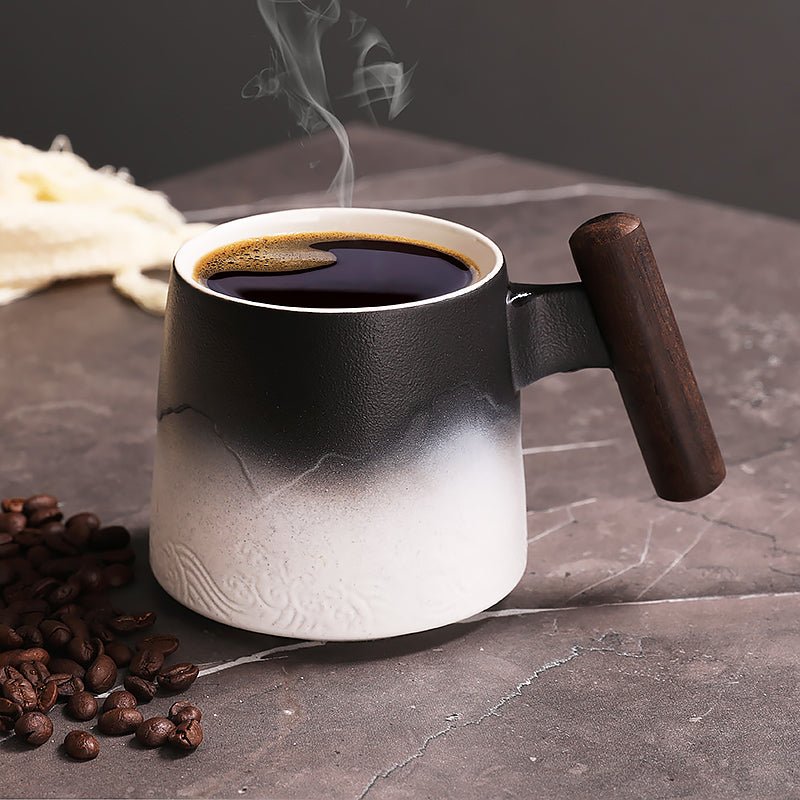
12 oz Coffee Mug: Size, Fit, and What to Check Before Buying
A 12 oz coffee mug is the size many people reach for every day, but the right one depends on handle clearance, wall thickness, and how you actually drink. Here’s what to check before you buy.
Read more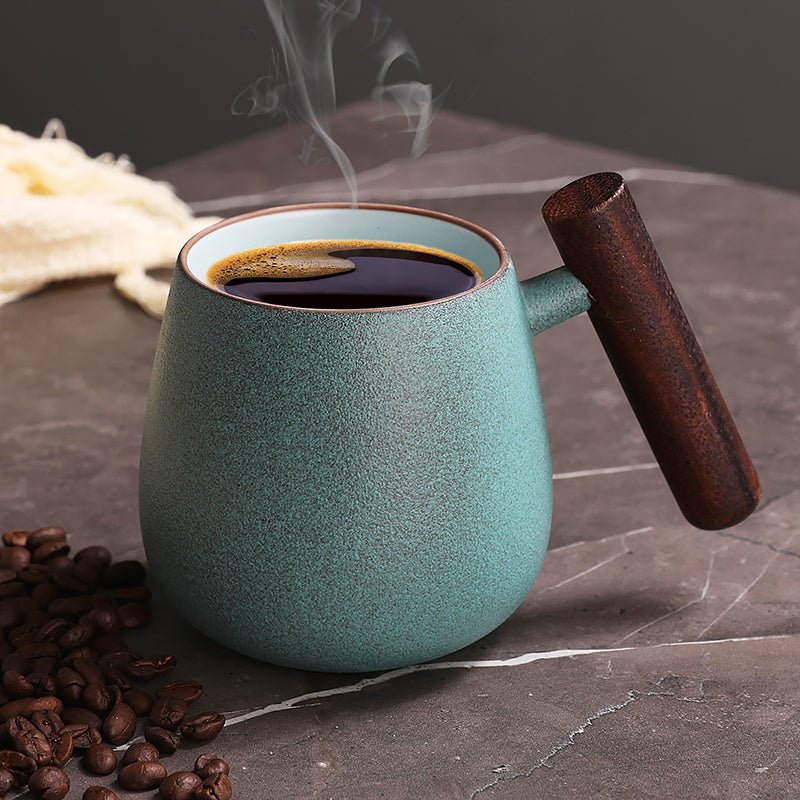
Ceramic Lined Coffee Travel Mug: What Buyers Should Check First
A ceramic lined coffee travel mug is a strong pick if you want cleaner-tasting coffee, a travel-ready lid, and less metal aftertaste. This guide covers what to check before buying, where the trade-...
Read more
Leave a comment
This site is protected by hCaptcha and the hCaptcha Privacy Policy and Terms of Service apply.