
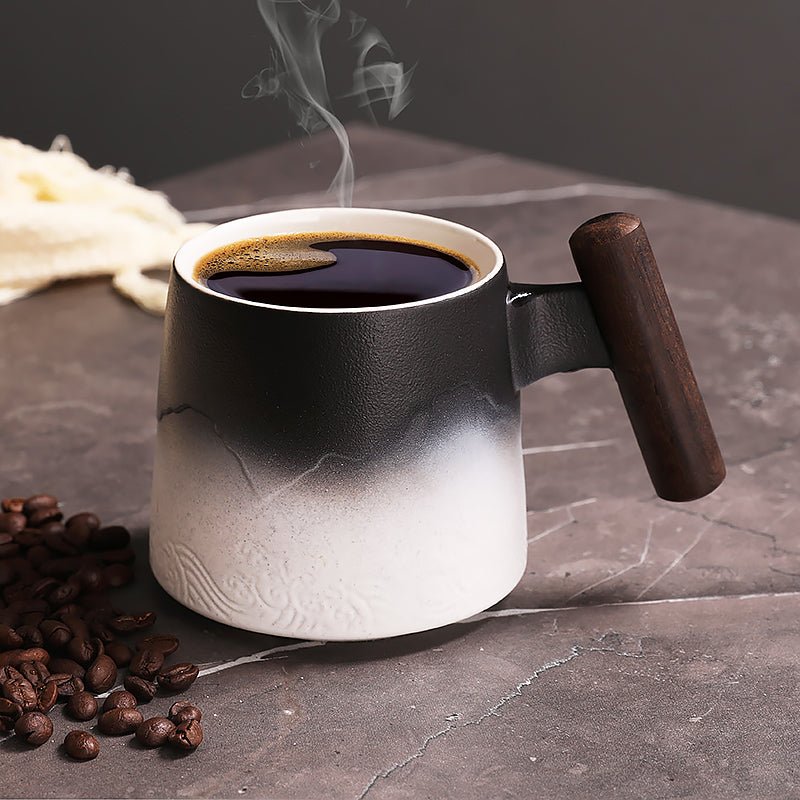
Camping Coffee Mug Buying Guide: Heat, Weight, and Real-World Use
Reading time: about 9 minutes
A mug that feels fine on a kitchen counter can be a bad choice once it rides in a camp bin, gets bumped against a cooler, and sits on a cold picnic table while your coffee cools faster than you want. That is the real test for a camping coffee mug: not just how it looks, but how it handles heat, weight, cleanup, and repeated packing.
In our store, we look at this category the same way buyers do. The mug has to be comfortable to hold, stable enough to set down on uneven surfaces, and easy to live with after a long morning outside. If you want a broader look at the basics first, our camping coffee mug buying guide covers the core trade-offs in more detail.
For shoppers comparing styles, we also keep a full collection of mugs available so you can match the size and look to the way you actually drink coffee, not just to a product photo.
What should a camping coffee mug do better than a regular mug?
A good camping coffee mug should survive more than one kind of morning. It needs to pour and sip cleanly, fit in a camp setup without being awkward, and clean up without leaving you with a stained rim or a chipped edge after a few trips.
Here is what we check first when we handle mugs for outdoor use:
- Heat management: Thick walls can hold heat longer, but very heavy mugs are less pleasant to pack.
- Handle comfort: A handle that is too small becomes a problem when the mug is full and hot.
- Stability: A wider base is more forgiving on picnic tables, tailgates, and uneven camp counters.
- Surface finish: A smooth glaze is easier to wipe clean than a rough exterior that catches coffee marks.
That balance matters because camping use is not gentle. Mugs get stacked, nested, rattled in a tote, and set down on hard surfaces. If you mostly drink at a desk or in a kitchen, a lighter everyday mug may be the better buy. If you pack for weekends away, durability and shape should carry more weight than decorative detail.
Which mug size works best for camping coffee?
Size is one of the easiest places to overbuy. A bigger mug sounds useful until it takes up too much space in a bin or cools a drink too slowly because you poured more coffee than you wanted to finish. For most buyers, the most practical range is the standard mug size you already reach for at home.
If you are deciding between everyday mug sizes, our related posts on the 10 oz coffee mug, 11 oz coffee mug, and 12 ounce coffee mug explain how capacity affects daily use and storage. That same thinking applies outdoors.
| Size | Best for | Trade-off |
|---|---|---|
| 10 oz | Smaller servings, espresso drinks, tighter packing | Less room if you like a full pour with milk |
| 11 oz | Balanced everyday use | Not ideal if you want one large refill |
| 12 oz | Longer coffee breaks, bigger morning pours | More liquid means more heat loss and more weight |
For camping, we usually recommend starting with the size you already use most often at home. A mug that is comfortable on your shelf is more likely to be comfortable in a camp box too. If you consistently top off with milk or cream, 12 oz can make sense. If you want something compact and easy to stash, smaller is smarter.
What materials and finishes make sense outside?
Material affects almost everything buyers care about: how the mug feels in the hand, whether it is easy to wash, how it ages, and how much you worry about chips. A common camping coffee mug is ceramic or stoneware, and those can work very well if you are not expecting them to take hard abuse. The glaze finish matters almost as much as the body itself.
Here are the practical details we pay attention to in this category:
- Glaze quality: A smooth, even glaze helps resist staining and makes the mug easier to rinse after a camp breakfast.
- Rim shape: A clean, even drinking edge is more comfortable than a thick or uneven rim.
- Base and foot ring: A stable base matters on outdoor tables where a mug can sit on a slight slope or textured surface.
- Handle joins: The point where the handle meets the body should feel solid, with no roughness or weak-looking seam.
That said, ceramic is not the right answer for every camper. It is not the best pick if you want ultralight packability, if you toss drinkware into a crowded backpack, or if you need a mug for rough trail use. In those cases, insulated metal or a travel mug may suit you better. Ceramic wins when the goal is a real coffee experience at the campsite, cabin, or car camp setup.
How do you choose a mug that feels good in the hand?
Comfort is easy to overlook online, but it is one of the most common reasons people are happy or disappointed after the box arrives. A mug can look perfect and still be annoying if the handle is tight, the body is too wide, or the rim feels awkward during a first sip.
We look at hand feel the same way we would in our own kitchen or at a checkout counter after unboxing. A useful mug should do three things well:
- Fit two fingers comfortably in the handle without scraping the mug body.
- Balance well when full so it does not feel top-heavy on the wrist.
- Feel stable on the table when you set it down one-handed.
That is also why design can matter more than novelty. A mug with a strong visual pattern may be great for gifting, but if the handle geometry is poor, the novelty wears off quickly. For shoppers who want a giftable style that still feels practical, pieces like the Golden Waves Kio Coffee Tea Mug, The Flow Coffee Tea Mug, and Mountain Sea Coffee Tea Mug are worth comparing alongside your camping setup, especially if the mug will also be used at home.
What should you expect for cleanup and care?
Cleanup is where many mugs reveal whether they are convenient or just nice to photograph. Coffee oils, tea stains, and dried grounds can cling to the inside if the glaze is not smooth or if the rim has an awkward contour. A mug that rinses clean after one hot-water pass is simply easier to live with.
For care, we recommend the usual practical routine for a standard mug category:
- Rinse soon after use so coffee residue does not sit overnight.
- Use a soft sponge or cloth for the glaze and avoid abrasive pads unless needed.
- Let the mug dry fully before packing it with other gear.
- Check for hairline chips around the rim and handle after dishwasher cycles or travel.
Common wear points are predictable. The rim can chip first if the mug knocks against a sink or another cup. The handle can show stress if the mug is grabbed by one finger in a hurry. The base can collect scuffs if it is dragged across rough picnic tables. None of that means the mug is poor quality by default. It means the buyer should be honest about how hard the mug will be used.
If your mug will live in a car kit or camping tote, we suggest choosing a finish and shape that are easy to inspect at a glance. Small cracks, glaze flaws, or rough edges are easier to catch before the first trip than after you have loaded the cooler.
Which camping coffee mug is not the right buy?
A camping coffee mug is not the best option for every outdoor coffee routine. If you need hot coffee to stay warm for a long stretch while hiking, an insulated travel mug is usually the better tool. If you pack light and count every ounce, ceramic is probably too heavy for the job. And if your camp setup is rough, crowded, or subject to constant impacts, a more rugged material may be a safer pick.
We would also steer buyers away from oversized mugs if they mainly drink smaller pours. Extra capacity sounds useful until it becomes extra weight, extra heat loss, and extra space taken up in storage. Likewise, a decorative mug with a beautiful pattern but poor balance is fine for a shelf and less useful in real outdoor use.
Our practical rule: buy the mug for the way you actually drink coffee, not for the one perfect campsite photo you have in mind.
What should you compare before you buy?
If you want a short checklist before checkout, this is the one we use when comparing mugs for our own store selection and for customer questions:
- Capacity: Does the size match your usual pour?
- Handle comfort: Can you hold it securely when full?
- Base stability: Will it sit safely on a camp table?
- Finish: Is the glaze smooth and easy to clean?
- Use case: Is this for camping, cabin mornings, office use, or gifting?
If you want a more detailed comparison across sizes, the posts on 14 oz coffee mug and 15 oz coffee mug are helpful for buyers who prefer a larger pour and want to understand the trade-offs before ordering.
Frequently asked questions
Is a ceramic camping coffee mug a bad idea for travel?
Not always, but it depends on how you travel. Ceramic works well for car camping, cabins, and home-to-camp transfers in a padded bin. It is not the best choice for backpacking or rough travel where drops and hard impacts are likely.
What size camping coffee mug is easiest to pack?
Smaller standard sizes are easiest to pack because they take less room and usually weigh less. For most buyers, 10 oz to 12 oz is the practical range. Larger mugs are better only if you regularly want a bigger pour and have the storage space for them.
How do I know if the handle will be comfortable?
Look for a handle that gives your fingers enough room without forcing you to press against the mug body. The best clue online is the relationship between the handle opening and the mug size, but in hand, the mug should feel secure without needing a cramped grip.
Can I use a camping coffee mug for tea too?
Yes. A standard camping coffee mug usually works well for tea, cocoa, and other hot drinks. The main thing to check is comfort and cleanup, since tea stains and coffee residue both show up more clearly on some finishes than others.
What is the biggest mistake buyers make with camping mugs?
Buying for style first and use case second. A mug can look great and still be too large, too fragile, or awkward to pack. Start with your real routine: where you drink, how you carry it, and how much cleaning you are willing to do after each trip.
If you are comparing options now, start with the mug size you already use most, then check handle comfort and cleanup next. From there, browse our full mug collection or compare the three linked mugs above against your camp kit before you buy.
Read more
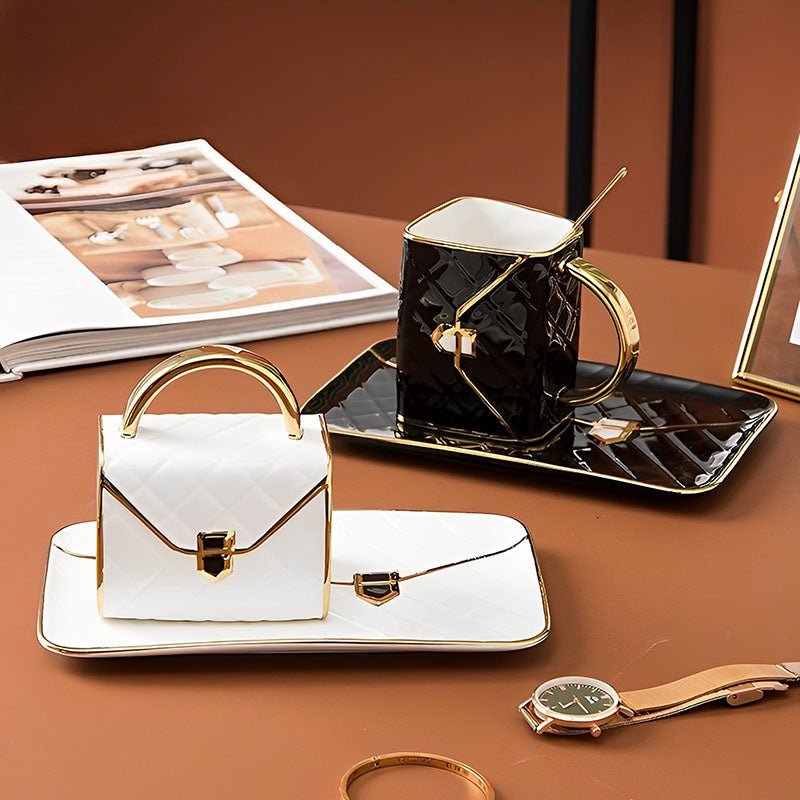
Vintage Coffee Mug Buying Guide for Daily Use and Gifting
A practical guide to choosing a vintage coffee mug that looks right, feels comfortable, and holds up to real daily use. We cover size, glaze, care, and the trade-offs between antique and retro-styl...
Read more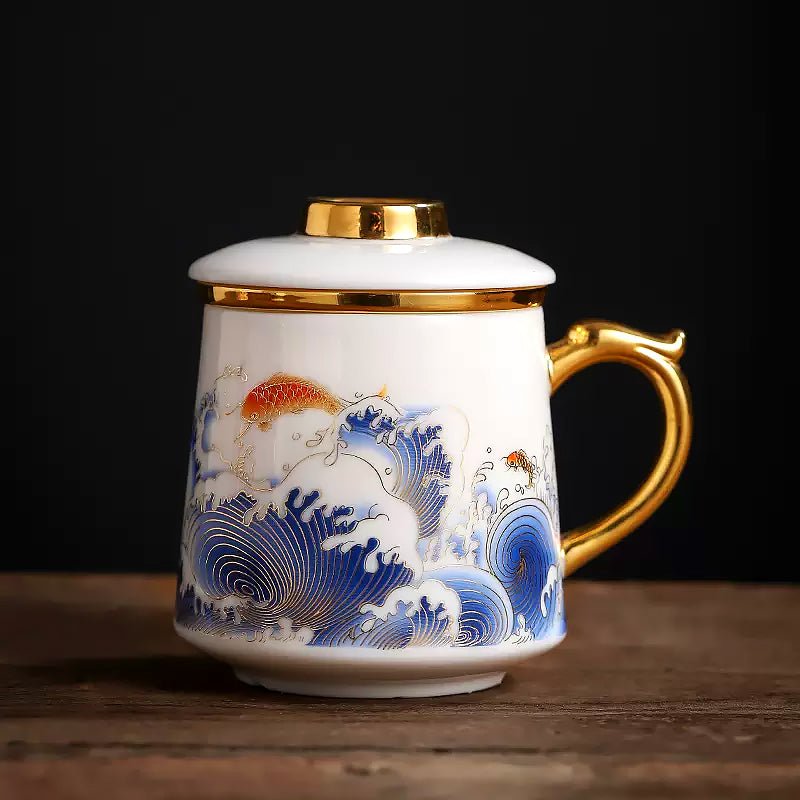
Cool Coffee Mug for Microwave: What to Buy and What to Check
A cool coffee mug for microwave use should do more than look good. We break down the details we check in our store, compare a few shopper-friendly options, and call out the trade-offs that matter b...
Read more
Leave a comment
This site is protected by hCaptcha and the hCaptcha Privacy Policy and Terms of Service apply.