
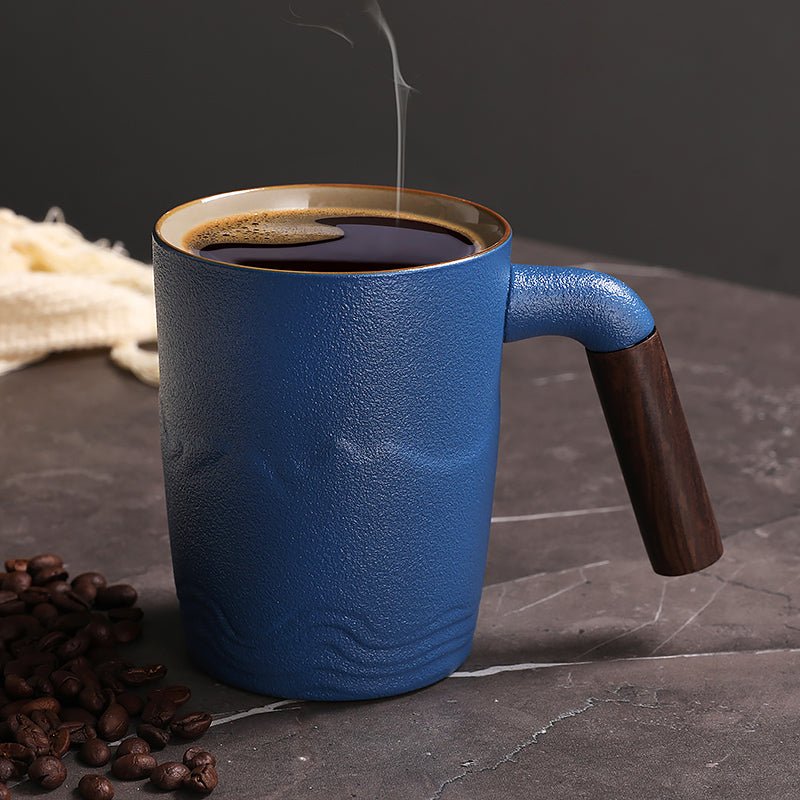
Camp Coffee Mugs: How to Choose the Right Shape and Size
Reading time: about 9 minutes
A mug that works fine on a kitchen shelf can feel wrong the minute it moves to a camp table. If the handle catches on a kettle lid, the base is too narrow for a folding table, or the cup sits so deep that you have to wait too long to sip, it becomes annoying fast.
That is how we think about camp coffee mugs in our store: not as souvenirs, but as tools for real routines. In our experience, the best ones are easy to hold with cold fingers, stable on uneven surfaces, and simple to rinse after a second cup turns into a third.
What makes a good camp coffee mug?
The short version is balance. A good camp mug should feel steady in your hand and on the table, clean easily, and suit the way you actually make coffee. That sounds basic, but small design choices matter more outdoors or in a cabin kitchen than they do at home.
We look for a few concrete things when we judge a mug for camp use:
- A handle you can grip with cold hands. A narrow handle or one with a tight opening gets annoying early in the morning.
- A stable base. A broad bottom is less likely to wobble on a picnic table, bench, or uneven deck rail.
- A rim that feels comfortable. A thin, smooth drinking edge makes black coffee, tea, and cocoa more pleasant.
- A shape that does not hog space. At camp, counter space is usually limited. Tall mugs and wide mugs each solve a different problem.
We also pay attention to cleanup. Coffee oils cling to textured interiors and narrow corners. If the mug has a shape that is hard to swish out with a little hot water, it will feel like extra work after the first morning rush.
For shoppers comparing sizes, our guides on 10 oz Coffee Mugs: How to Choose the Right Fit for Daily Use, 14 Ounce Coffee Mugs: Fit, Materials, and Buying Guide, and 16 Ounce Coffee Mugs for Daily Use: Size, Fit, and Shape Guide break down the trade-offs in a practical way.
Which of our mugs fits a campsite table best?
If you want to compare our own shapes first, start with the mugs we see as the most relevant for everyday camp routines: the Emerald Coffee Tea Mug, the Landscape Tall Coffee Tea Mug, and the Round Coffee Tea Mug. If you want the full set in one place, browse our collection of all mugs.
We would frame the three shapes this way:
- Emerald Coffee Tea Mug. A clean, easy-to-live-with option if you want something that feels polished enough for a cabin kitchen but still practical for daily coffee.
- Landscape Tall Coffee Tea Mug. Better if you like a taller profile and want a mug that takes up less table width. That can matter when there is a kettle, a plate, and a bag of grounds already sharing space.
- Round Coffee Tea Mug. A classic shape for buyers who want a familiar feel in the hand and a steadier footprint on a desk or table.
Shape is not a cosmetic choice. A taller mug may feel more contained, but it can also feel less forgiving if you fill it near the top. A rounder mug often feels more relaxed to drink from, but it may need a little more surface space. We see both preferences regularly, and neither one is right for every buyer.
If you are buying for a cabin, office, or gift, shape can matter as much as capacity. A mug that looks balanced on the counter is more likely to get used every day, which is the real test.
What size should you pick for camp coffee mugs?
Size affects comfort, spill risk, and how often you need a refill. For many shoppers, the useful range lands somewhere between 10 oz and 16 oz, but the right answer depends on how you drink.
| Size range | Best for | Trade-off |
|---|---|---|
| 10 oz | Smaller pours, espresso drinks with milk, or people who like a compact mug | Less room for cream or a larger pour |
| 12 oz | Most drip coffee drinkers and a balanced everyday feel | Not as roomy if you like a lot of add-ins |
| 14 oz | Long mornings, larger pours, or coffee plus milk | Can feel bulky if you prefer a lighter cup |
| 16 oz | Big coffee, tea refills, or someone who wants one mug to last longer | More likely to feel oversized on a small table |
If you want the middle ground, 12 oz usually hits the cleanest balance for camp and home use. It is big enough for a normal mug of coffee, but not so large that it feels awkward in smaller hands or on a crowded table.
One practical detail we hear from buyers: if you drink coffee with milk, foam, or creamer, leave a little headroom. A mug that is technically large enough can still feel bad if it fills to the brim before you reach the table.
Which material works best, and what are the trade-offs?
Material is where a lot of shoppers make the wrong assumption. A mug that looks rugged is not always the best mug for camp, and a mug that looks delicate is not always fragile in the way people expect.
Ceramic
Ceramic is comfortable, familiar, and usually the most pleasant for slow coffee at a cabin, picnic table, or office desk. It holds heat well enough for a relaxed morning, and it usually feels better in the hand than thin metal. The trade-off is obvious: ceramic can chip on the rim, crack from a drop onto stone or concrete, and suffer from thermal shock if you move from very hot liquid to a sudden cold rinse.
Enamel
Enamel mugs are a classic camp choice because they feel lightweight and look right next to a stove or cooler. The downside is that the coated surface can chip at the lip or around the handle after repeated knocks. Once the coating is damaged, the mug may still be usable, but the wear tends to show quickly.
Stainless steel
Stainless steel is the practical choice for travel, rough packing, and situations where breakage is the main concern. It is a poor match for buyers who dislike a metallic feel or want a mug that keeps a softer coffee-drinking experience. We would not choose steel first if the mug is staying on a cabin table all morning.
For most shoppers who want a camp mug they can actually enjoy using, ceramic remains a strong pick. We just do not recommend it for backpacking, tossing loose into a gear bag, or any setting where the mug will be knocked around all day.
How should you care for a mug that sees camp use?
Camp use exposes weaknesses fast. A mug can look fine in the kitchen and still develop wear if it gets rattled around in a bin, rinsed too aggressively, or left with dried coffee residue on the rim.
Our practical care advice is simple:
- Rinse soon after use so coffee oils do not set on the interior.
- Check the rim and handle for small chips before packing the mug again.
- Do not stack mugs too tightly if the glaze or finish can rub against another cup.
- If the mug is dishwasher-safe, top-rack washing is usually the gentler option.
- If you hand wash, use a soft sponge rather than a rough scrub pad that can dull the finish.
One common defect mode we watch for is hairline crazing in the glaze, especially after repeated hot-and-cold swings. Another is a chipped lip from bumping the mug against a sink edge or another cup in transit. These are not dramatic failures, but they are the kind of wear that changes how a mug feels to use.
If you are buying as a gift, this matters more than people think. A mug that arrives well-packed and is easy to wash after first use tends to get kept. A mug that needs careful handling on day one tends to stay in the cabinet.
Which camp setup should guide your purchase?
The right mug depends on where you will actually use it. Here is the simplest way we would narrow it down:
- Cabin kitchen or lake house: Choose a ceramic mug with a comfortable handle and a stable base. The daily routine matters more than ruggedness here.
- Campsite table: Pick a shape that does not tip easily and that leaves enough room for a spoon, sugar tin, or breakfast plate.
- Office desk: Focus on comfort, easy cleanup, and a size that does not dominate the workspace.
- Gift purchase: A classic shape usually wins because it is easy to match with different tastes and routines.
In our store, we see two buying mistakes repeatedly. The first is choosing a mug that looks good but has the wrong footprint for the space. The second is buying too large a mug for a person who drinks a normal pour and would rather not carry extra weight or volume. Both are easy to avoid once you think through the setting first.
If you are still undecided, compare the mug shape to the way you drink coffee. Slow sipper, bigger pour, or quick refill. That answer usually points you to the right size faster than any style preference does.
Frequently asked questions
Are camp coffee mugs good for hot coffee and tea?
Yes, as long as the mug is made for hot beverages and feels comfortable to hold when full. A good camp mug should keep the drink usable without making the rim or handle awkward. If you prefer tea, a slightly larger mug often leaves better room for steeping and a splash of milk.
What size camp coffee mug is best for everyday use?
For most people, 12 oz is the easiest everyday choice because it balances capacity and comfort. If you like larger pours or add a lot of milk, 14 oz or 16 oz may fit better. If you drink smaller servings, 10 oz keeps the mug compact and easier to handle.
Are ceramic camp coffee mugs a bad idea for travel?
They are not a good choice for rough travel, backpacking, or anything where the mug can bounce around unprotected. Ceramic works best for stable settings like a cabin, office, or campsite table. If break resistance matters most, stainless steel is the safer direction.
How do I stop a camp mug from tipping over?
Start with a mug that has a wider base and avoid very tall, narrow shapes if the table is unstable. A flatter surface and a handled mug with a balanced center of gravity help a lot. It also helps not to overfill the mug, especially on a folding or uneven table.
Can one mug handle coffee, tea, and cocoa?
Yes. A neutral ceramic mug is usually the easiest all-purpose pick because it handles hot drinks without adding flavor and feels good to sip from. If you switch between drinks often, choose a mug that is easy to rinse and does not hold onto coffee oils.
If you want the fastest next step, start with our all mugs collection, then compare the Emerald Coffee Tea Mug, Landscape Tall Coffee Tea Mug, and Round Coffee Tea Mug against the table space, pour size, and cleanup routine you actually have.
Read more
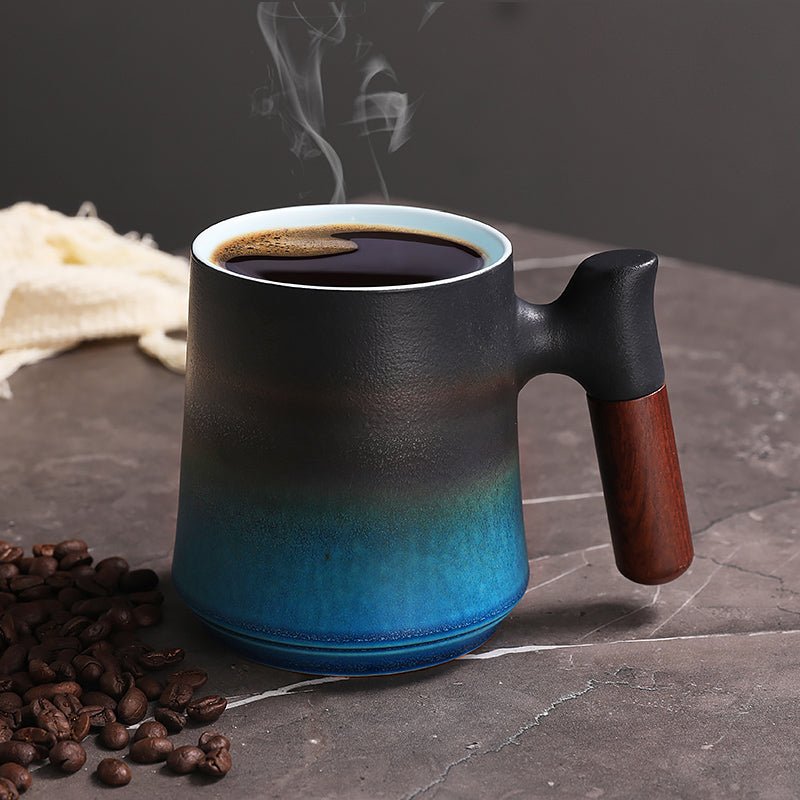
Polish Pottery Coffee Mugs: How to Choose the Right One
Practical guide to polish pottery coffee mugs with real buying trade-offs, care notes, and style comparisons. See which shapes work best for daily coffee, gifting, and display.
Read more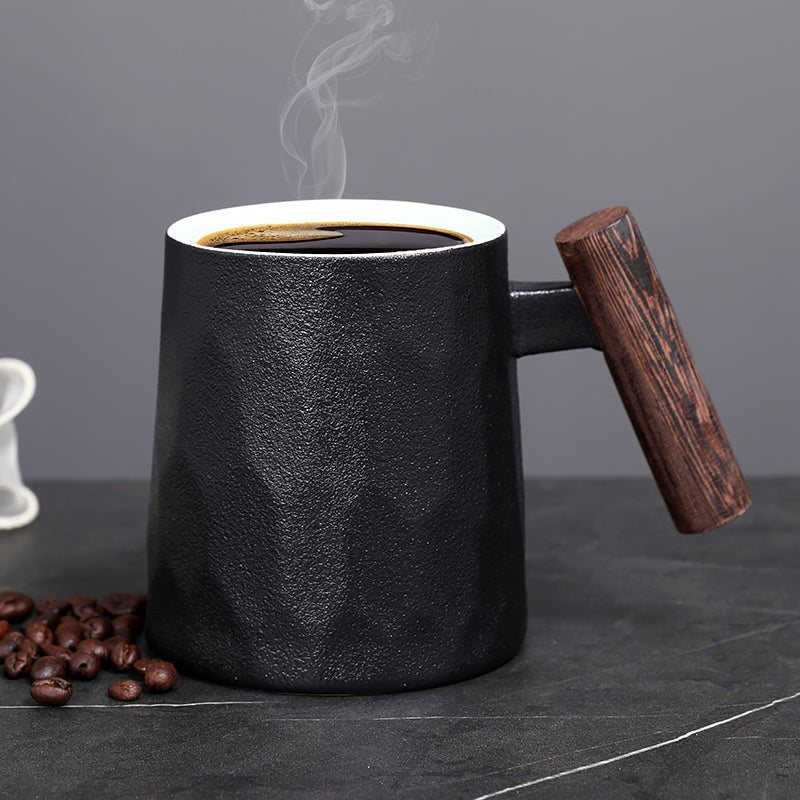
Davy Crockett Coffee Mug: Size, Material, and Buyer Checks
A practical guide to choosing a Davy Crockett coffee mug for daily coffee, gifting, or display. We cover size, handle comfort, ceramic quality, print durability, and when a taller mug makes more se...
Read more
Leave a comment
This site is protected by hCaptcha and the hCaptcha Privacy Policy and Terms of Service apply.