
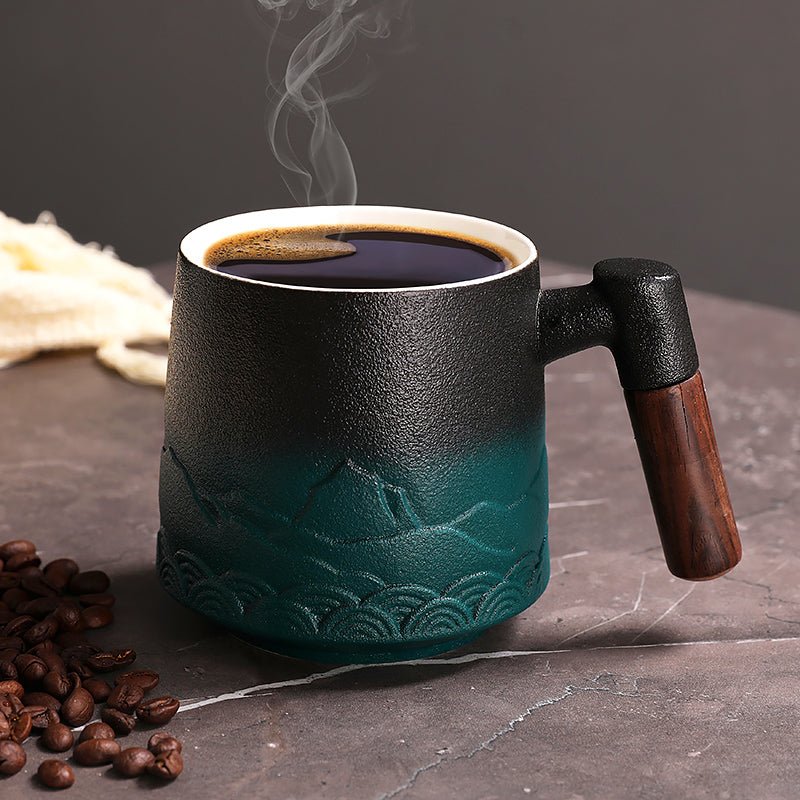
Browning Coffee Mug: What to Check Before You Buy
Reading time: about 8 minutes
A mug that looks good on the shelf can still feel wrong on the first Monday morning pour. With a browning coffee mug, the real test is not the color alone. It is how the mug feels in the hand, how it behaves after repeated dishwasher cycles, and whether it still looks clean after a few office desk refills.
In our store, we see the same pattern again and again: buyers are happy with the look, then notice the rim is too thick, the handle is tight, or the glaze shows every coffee ring. That is why we treat this as a practical buy, not just a style choice. If you want a taller silhouette with a clean desk footprint, start with the Mountain Tall Coffee Tea Mug. If you want to compare more options side by side, our all mugs collection is the fastest place to narrow the field.
The mugs that come back with complaints are usually not the prettiest ones. They are the ones that feel awkward after day three.
What should a browning coffee mug do well?
The first job is simple: hold a hot drink without making the user think about it. A good browning coffee mug should have a smooth rim, a balanced base, and a handle that lets two fingers fit without forcing the knuckles into the cup body. If the finish is dark brown, it can also hide small tea stains and coffee marks better than a pale gloss, which matters when the mug lives on a kitchen counter all week.
We also look for the details that get ignored in product photos. A flat foot ring keeps the mug from wobbling on a desk. A clean glaze line around the rim reduces the chance of a rough sip edge. And an evenly fired surface matters because pinholes, tiny glaze skips, and uneven bottoms tend to show up later as the mug gets washed and stacked.
- Good daily mug: stable base, comfortable handle, smooth rim, easy cleanup.
- Good gift mug: clean finish, design that looks finished from every angle, packaging-friendly shape.
- Not ideal: travel use, car cupholders, or anyone who wants an insulated mug with a lid.
Which material and finish hold up best?
For a daily-use mug, glazed ceramic is usually the safest starting point. It is common, easy to rinse, and less likely to absorb odors than porous unglazed clay. Stoneware can feel heavier and more substantial, which some buyers like, but a thicker build can also make the mug feel bulky if you sip all morning at a desk.
The finish matters as much as the material. A glossy glaze tends to wipe clean more easily. A matte surface can look modern, but it may show oils from handling and can make tiny scuffs more visible over time. For a browning coffee mug, a deeper brown glaze is often practical because it disguises daily use better than a very light body color. That does not make it stain-proof. It just buys you a little more visual forgiveness.
| What we check | Why it matters | What to watch for |
|---|---|---|
| Material | Determines weight, heat retention, and cleanup | Very porous or rough surfaces can hold residue |
| Glaze | Protects the surface and helps with wiping | Pinholes, uneven shine, or dull spots near the rim |
| Base | Helps the mug sit flat on counters and desks | Rocking, chipped foot rings, or rough edges |
| Handle | Controls comfort with hot drinks | Too narrow, too small, or attached at an awkward angle |
If you are comparing sizes as well as finishes, our guides to 10 oz Coffee Mug: Size, Fit, and What to Check Before You Buy, 11 oz Coffee Mug Buying Guide for Daily Use and Better Fit, and 12 Ounce Coffee Mug Buying Guide for Daily Use and Better Fit are useful next reads. They make the trade-off between compact feel and bigger capacity much clearer than product photos alone.
What size and shape feel best in hand?
Most buyers focus on capacity, but the shape often decides whether a mug becomes a daily favorite. A taller mug can hold a comfortable amount of coffee while taking up less room on the counter. A wider mug cools faster and can feel more relaxed to drink from, but it may eat more shelf space and look less tidy in a cabinet.
That is why a tall profile like the Mountain Tall Coffee Tea Mug makes sense for shoppers who want a straighter silhouette and a smaller footprint. If your routine is short drinks, quick refills, and a crowded desk, that shape can feel easier to live with than a broad bowl-style mug. If you drink slowly and want your coffee to stay hotter longer, a tighter, deeper form often works better.
- 10 oz range: better for shorter pours, tea, or smaller morning servings.
- 11 oz range: the middle ground for most desk use and standard drip coffee.
- 12 oz range: useful if you refill less often or pour a little extra.
Our rule is simple: do not buy only for the printed capacity. Check the rim width, the handle gap, and whether the mug feels top-heavy when full. A mug can hold more coffee and still be worse to use if the body is too narrow or the base is too light.
Which designs fit the kitchen, office, or gifting moment?
Design is where the browning coffee mug becomes personal. Some shoppers want a quiet mug that disappears into the routine. Others want something that feels more deliberate on a shelf or makes a gift look considered without being fussy. We see those differences clearly when orders are opened at home versus at an office desk.
For office use, a mug with a clean profile and a stable base usually wins because it is easier to set down between meetings. For gifting, a seasonal design can feel more thoughtful right away, especially when the recipient opens it in a kitchen or break room. The Christmas Coffee Tea Mug fits that kind of moment better than a plain everyday cup. For someone who likes a more patterned look at their desk, the Green Waves Coffee Tea Mug is the kind of design that reads as intentional without trying too hard.
Gift unboxings also reveal a practical truth: the front graphic is only part of the experience. The mug should still look finished from the side, sit flat in the hand, and feel solid when it is lifted from tissue paper. If the handle feels thin or the glaze looks uneven in person, the whole impression drops fast.
What should you check before you buy?
We keep this checklist in mind before we recommend a mug to a shopper or place one on our own shelves. It covers the problems that actually cause returns, complaints, or quiet regret after the first week of use.
- Check the rim first. A smooth, even sip edge matters more than people expect.
- Look at the base. The mug should sit flat and not rock on a countertop.
- Test the handle shape. There should be enough room for a secure grip, even with hot liquid inside.
- Inspect the glaze. Watch for pinholes, streaks, or rough spots near the top and bottom.
- Confirm care guidance. If the listing does not clearly state dishwasher or microwave compatibility, treat it as a hand-wash item until you know more.
- Think about storage. Make sure it fits your cabinet shelf and does not crowd the mugs around it.
Common defect modes in this category are usually small but annoying: a rough foot ring that scratches surfaces, a handle that feels tight with larger fingers, glaze inconsistencies near the rim, or a printed area that makes the mug look good only from one angle. Those are the details that separate a mug you keep from a mug you move to the back of the cabinet.
If you want a more size-focused comparison before buying, the 10 oz Coffee Mug: What Fits, What Doesn’t, and What to Buy and 11 oz Coffee Mug: What Buyers Should Check Before They Buy pieces go deeper into fit, hand feel, and everyday use cases.
Frequently asked questions
Is a browning coffee mug good for everyday use?
Yes, if the mug has a smooth glaze, a balanced base, and a handle that is comfortable when the cup is full. A darker finish can also be practical because it hides minor coffee marks better than a pale mug.
Can I put a ceramic browning coffee mug in the dishwasher?
Many ceramic mugs handle dishwasher cycles well, but you should always follow the care guidance on the product page. If care is not clearly stated, hand washing is the safer choice until you confirm the finish and decoration are meant for dishwasher use.
What size mug is easiest to drink from at a desk?
For most people, the 11 oz range is the easiest middle ground. It is large enough for a real coffee serving without feeling oversized on a small desk, and it usually fits better in cabinets than a bulkier mug.
Does a darker mug hide coffee stains better?
Usually, yes, at least visually. A darker glaze can disguise light staining and tea marks better than a very light surface, but it does not eliminate residue. You still want a smooth interior glaze so the inside rinses clean.
What is the main drawback of a tall mug?
A tall mug can feel less stable if the base is too narrow, and it may not fit under every machine or shelf. It is a good choice for some kitchens and desks, but not the best fit if you need a wide, low-profile cup or a travel-friendly shape.
If you want the simplest next step, compare the handle feel, rim thickness, and finish across our all mugs collection, then pick the mug that matches how you actually drink coffee every day.
Read more
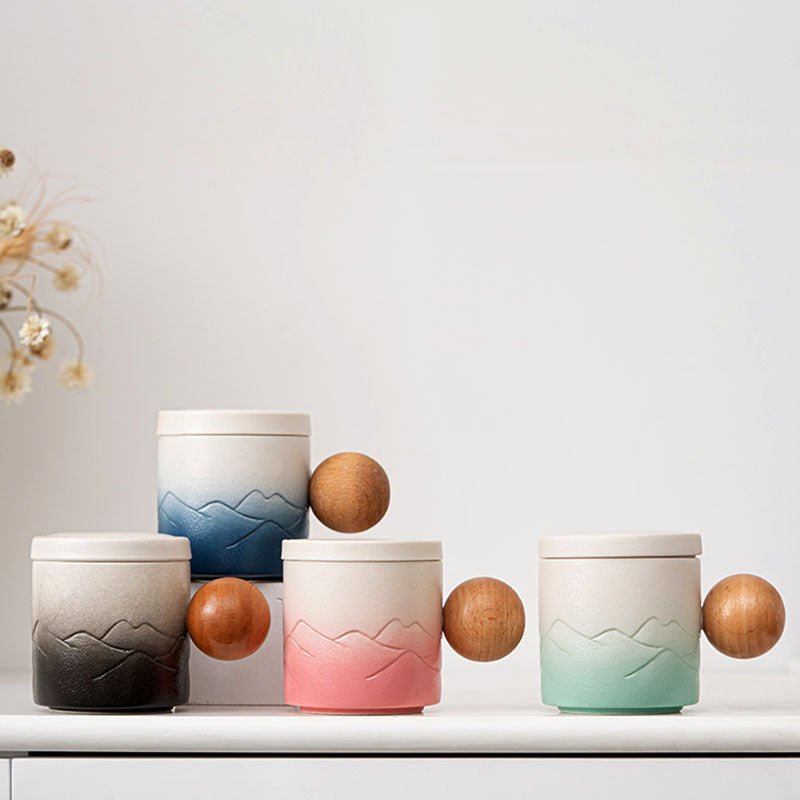
Octopus Coffee Mug Buying Guide: Size, Grip, and Gift Tips
An octopus coffee mug should do more than look clever on a shelf. We break down size, handle comfort, care, and the mug shapes we would actually put on a desk or give as a gift.
Read more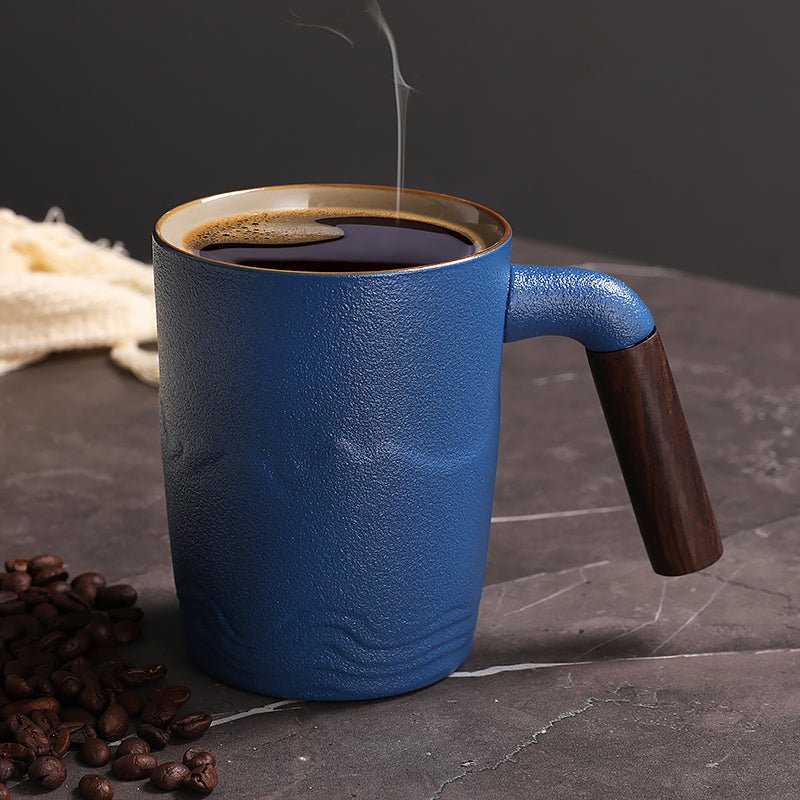
M&M Coffee Mugs: What to Check Before You Buy
Shopping for m&m coffee mugs usually comes down to build quality, handle comfort, and how the mug will actually be used on a desk or in the kitchen. This guide compares practical options and po...
Read more
Leave a comment
This site is protected by hCaptcha and the hCaptcha Privacy Policy and Terms of Service apply.