
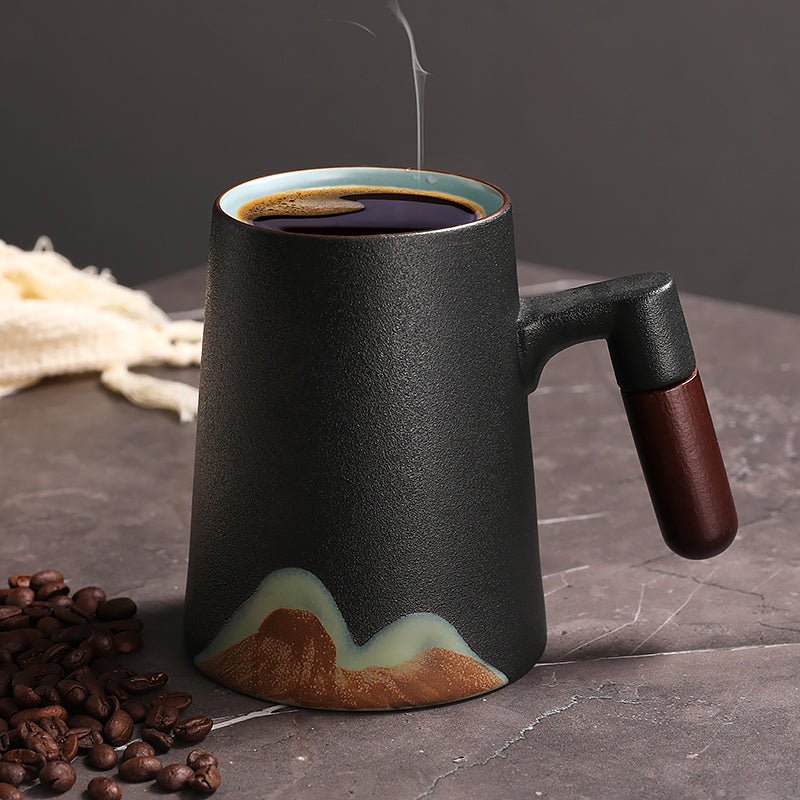
Brew Coffee Mug Buying Guide: Size, Fit, and Best Options
Reading time: about 8 minutes
A brew coffee mug gets judged in the first ten minutes of the morning. If the handle feels awkward, the mug is too wide for the coffee you actually pour, or the cup cools off before you finish, it ends up sitting on the shelf instead of in daily rotation.
We see that pattern in our store all the time. The mugs that get used most are usually the ones that feel right in the hand, fit the brew size people already drink, and survive normal kitchen life: countertop use, office desks, quick dishwasher cycles, and the occasional gift unboxing that has to impress without being fragile.
If you want to compare styles before you buy, start with our The Rock Coffee Tea Mug, then look at Morning Night Coffee Tea Mug and Mountain Coffee Tea Mug. You can also browse the full collection if you want to compare more than three options in one place.
What makes a brew coffee mug worth buying?
A good brew coffee mug does more than hold liquid. It should match the amount of coffee you actually pour, stay comfortable to grip, and feel stable when it is full. That sounds basic, but those details are what separate a mug that becomes a daily favorite from one that looks nice online and disappoints at the counter.
In our experience, buyers usually care about four things:
- Capacity: enough room for a standard cup of brewed coffee plus a little milk or cream, without sloshing over the rim.
- Handle shape: room for two fingers without the knuckles pressing into the mug wall.
- Rim and wall feel: a rim that drinks cleanly and a wall thickness that does not feel flimsy.
- Base stability: a flat foot ring that sits level on a kitchen counter or office desk.
A brew coffee mug is not the same thing as a travel mug. If you want coffee to stay hot for a commute, an insulated tumbler is the better category. A standard mug is better for kitchen use, desk sipping, and a relaxed second cup.
Which size works best for brewed coffee?
Size is usually the first trade-off. Too small, and the coffee disappears fast or overflows once you add milk. Too large, and the drink spreads out, cools quicker, and feels less satisfying if you like a fuller mug.
| Common size | Best for | Main trade-off |
|---|---|---|
| 10 oz | Smaller brewed servings, stronger coffee, less milk | Less room for add-ins |
| 11 oz | Most everyday brewed coffee drinkers | Can feel tight if you pour a lot of cream |
| 12 oz | Room for milk, sugar, or a slightly larger pour | May feel oversized for a smaller serving |
If you are stuck between common sizes, our older guides can help you compare the fit more closely: 11 oz Coffee Mug: Size, Fit, and What to Check Before You Buy, 12 Ounce Coffee Mug Buying Guide for Daily Use and Better Fit, and 10oz Coffee Mug Buying Guide: Fit, Materials, and Best Uses. Those comparisons matter because capacity alone does not tell you how the mug will feel once it is full.
A useful test is simple: picture the mug on your counter with the amount of coffee you normally make, not the amount in a staged product photo. If you drink black coffee, a tighter size can be fine. If you add milk, foam, or sugar, give yourself extra headroom.
What materials and build details should you check?
For a brew coffee mug, the material and the build quality matter as much as the printed design. Most shoppers end up choosing ceramic or stoneware because both feel solid, handle heat well for normal use, and are easy to live with on a kitchen shelf. Porcelain can feel a little lighter and finer in the hand, while thicker stoneware usually feels more substantial.
We recommend checking these specific details before you buy:
- Glaze finish: a smooth glaze is easier to wipe clean and usually shows fewer coffee stains than a matte finish.
- Rim quality: a straight, even rim gives a cleaner sip than one that feels rough or uneven.
- Handle attachment: the handle should look and feel secure, with no sharp seam where your fingers rest.
- Foot ring: a flat base helps the mug sit level and reduces wobble on a desk or tray.
- Care notes: check whether the mug is listed as dishwasher safe and microwave safe before assuming it is.
Common issues we watch for are small glaze pinholes, hairline crazing, wobbly bases, and handles that look roomy in photos but feel cramped in real life. None of those automatically makes a mug unusable, but they are worth noticing before you order.
One practical rule we use in our store: if a mug feels awkward empty, it usually feels worse when it is full.
Heat retention is another honest trade-off. A thicker mug may keep coffee warmer a bit longer than a thin one, but a standard open mug is still not built for long heat retention. If that is your priority, skip the mug category and choose insulated drinkware instead.
Which CoffeifyMug options fit different buyers?
If you want a simple starting point, the three product pages below give you a clean way to compare style and fit without jumping between a hundred tabs. We built our assortment so shoppers can move from a general idea to a real product choice without guessing.
The Rock Coffee Tea Mug is a good first stop if you want a straightforward everyday pick. Morning Night Coffee Tea Mug is worth a look if you are shopping with giftability in mind or want something that feels a little more expressive. Mountain Coffee Tea Mug fits the buyer who likes a more scenic, calm look on the desk or breakfast table.
We are not claiming one is objectively better than the others, because the right mug depends on the person using it. What matters is the match between the mug's style, the size you actually drink, and how you plan to use it day to day. A mug that looks great for display is not always the best mug for repeated office refills.
If you want more background before choosing, our size articles are useful companions to the product pages. A shopper comparing the fit of a daily mug can get a lot out of the capacity discussions in the 10 oz, 11 oz, and 12 oz guides before making a final pick.
What should you check before you place the order?
The easiest way to avoid buyer's remorse is to review the mug the same way you would inspect it after delivery. We look at these points when we evaluate a brew coffee mug for everyday use:
- Capacity: match it to your actual pour, not the largest cup you sometimes make.
- Handle clearance: make sure your fingers can fit without feeling squeezed.
- Dishwasher and microwave guidance: follow the care notes on the product page instead of assuming all mugs are identical.
- Counter footprint: consider whether the mug is wide, tall, or compact enough for your cabinet, shelf, or coffee station.
- Use case: decide if this is for home brewing, an office desk, or gifting. Each one favors a slightly different balance of looks and durability.
If you are comparing several styles at once, start from the full collection and narrow down from there. That gives you a cleaner view than bouncing between search results and guessing from thumbnails alone.
For a lot of shoppers, the real decision is simple: do you want the mug that feels best in hand, or the one that matches the table setting? If you can only get one, choose the hand feel. People notice comfort every single day.
Frequently asked questions
What size brew coffee mug is best for daily use?
An 11 oz or 12 oz mug is the most practical starting point for most brewed coffee drinkers. 11 oz works well for standard pours, while 12 oz gives you more room for milk, sugar, or a slightly fuller cup. If you drink smaller servings or stronger coffee, 10 oz can be a better fit.
Is ceramic the best material for a brew coffee mug?
Ceramic is the most common choice because it feels familiar, holds heat reasonably well for normal use, and is easy to clean. Stoneware is a solid pick if you want a heavier, more substantial feel. If you need long heat retention for travel, an insulated mug is the better category.
Can I put a brew coffee mug in the dishwasher and microwave?
Sometimes yes, but you should always check the product care notes first. Plain ceramic mugs are often dishwasher and microwave friendly, while printed details, metallic accents, or specialty glazes can change that. We do not recommend guessing here, because the finish is usually the first part people regret damaging.
What should I avoid if I want a comfortable coffee mug?
Skip mugs with handles that look large but are awkward in hand, rims that feel rough, and bases that wobble on a flat surface. Also avoid going too large if you usually drink a smaller pour, because the mug can feel heavy and the coffee can cool faster than you want.
Is a brew coffee mug good for office desks?
Yes, as long as the base is stable and the size matches your refill habits. A moderate mug is usually better than an oversized one on a desk because it is easier to handle around a keyboard and less likely to crowd your workspace. If you have a long meeting block or a commute, though, a travel mug is the smarter choice.
Which brew coffee mug should you choose next?
If you want the shortest path to a good decision, compare three things side by side: size, handle comfort, and care notes. Then look at the mug in the same context you will actually use it, meaning your kitchen counter, office desk, or gift box, not just a polished product photo.
For a quick next step, start with the full collection, then open the product pages that fit your preferred size and style. If you are still unsure about fit, keep the 10 oz, 11 oz, and 12 oz guides open while you compare. That is usually enough to make the right call without overbuying.
Read more
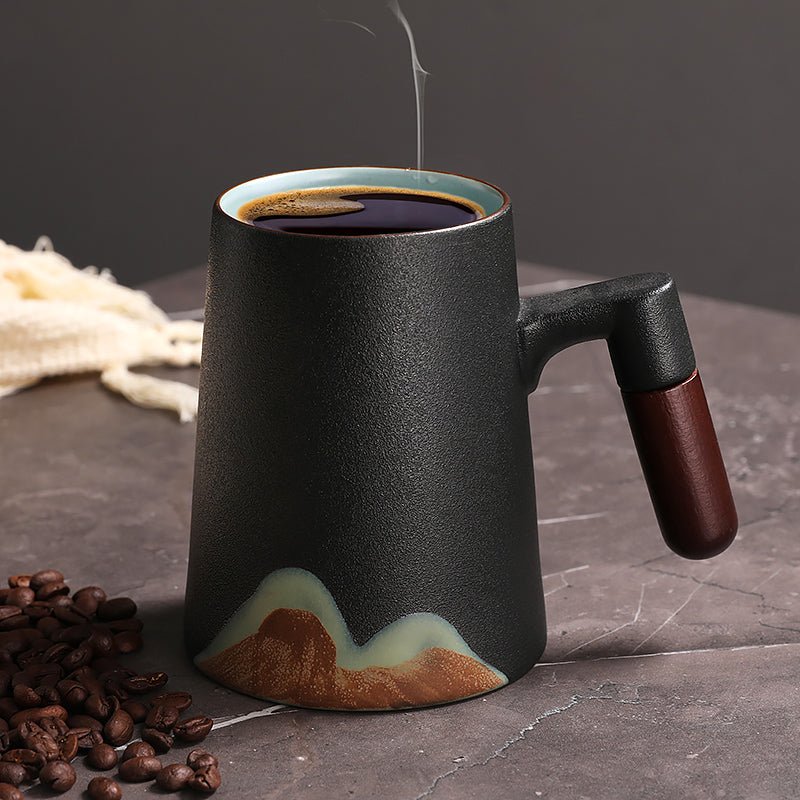
Ariel Coffee Mug Buying Guide: What to Check Before You Buy
Ariel coffee mug buyers need more than cute artwork. We break down size, handle comfort, care, and the trade-offs that matter for daily use or gifting.
Read more
Deep Space 9 Coffee Mug: How to Choose the Right One for Daily Use
A deep space 9 coffee mug should do more than look good on a shelf. We break down the size, handle feel, finish, and care details that matter before you buy.
Read more
Leave a comment
This site is protected by hCaptcha and the hCaptcha Privacy Policy and Terms of Service apply.