
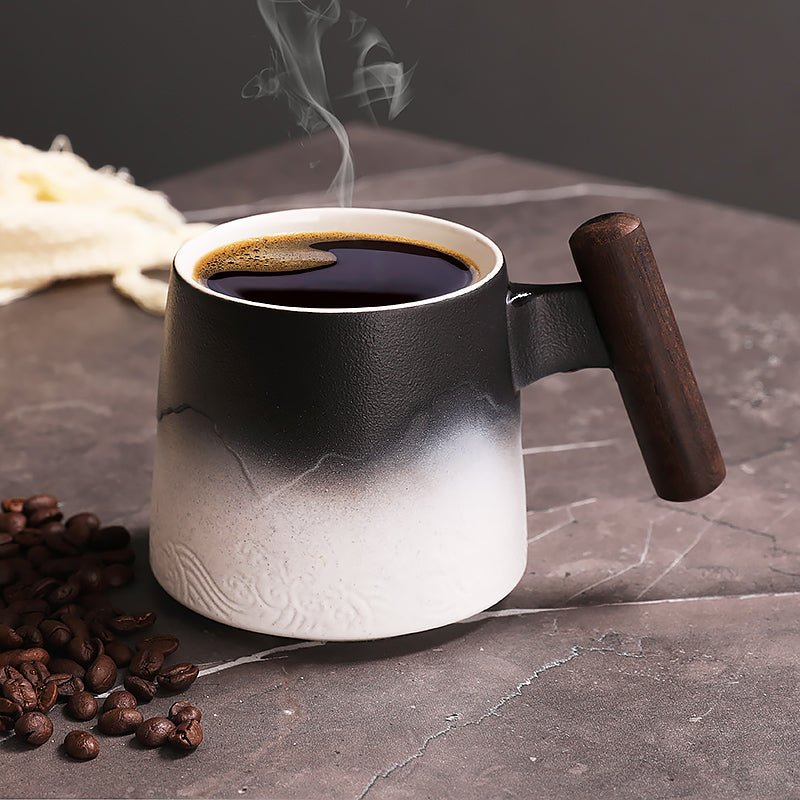
Bone China Coffee Mugs: What Buyers Should Check Before Ordering
Reading time: about 9 minutes
A thin-rimmed mug that feels light on a kitchen counter and still looks polished on an office desk is usually why shoppers start looking at bone china coffee mugs. The catch is that the same refined build that makes them pleasant to hold can also make them a poor fit for rough handling, crowded sinks, or people who stack mugs hard in a cabinet.
In our store, we see this category chosen most often for gift unboxings, neat breakfast setups, and desks where the mug is part of the look as much as the drink. If that is the use case, bone china can make sense. If you need something that gets knocked around by kids or lives in a shared break room, a thicker mug body is usually the safer buy.
What makes bone china coffee mugs feel different in daily use?
Bone china is built to feel lighter than many standard ceramic mugs while still feeling dense and finished in the hand. The body is typically made with bone ash blended into the clay, which helps create a refined, pale material with a more delicate edge and, in some cases, a slight translucency when held to light.
That matters in daily use. A thinner wall changes how a mug feels on the lips. A lighter body is easier to lift when it is full. A smoother rim can make a simple drip coffee feel more polished. These are small details, but they are exactly what buyers notice after the first few mornings on the kitchen counter.
The trade-off is durability under abuse, not normal use. Bone china is not the best option for rough stacking, hard sink contact, or a habit of dropping mugs into a full dishwasher rack without spacing. It can work well for everyday coffee, but it rewards a little more care than a heavy stoneware mug.
Who are bone china coffee mugs best for, and who should skip them?
We usually recommend bone china coffee mugs to buyers who want a refined everyday cup rather than a rugged utility mug. They fit well in homes where presentation matters, for people who drink one or two cups a day, and for buyers choosing a gift that feels more considered than generic.
They are a strong match for:
- Home offices and desks where a lighter mug feels better during long work sessions.
- Breakfast tables where the cup needs to look clean and deliberate next to plates and serving pieces.
- Gift purchases, especially when the recipient prefers classic tableware over bulkier cafe-style mugs.
- People who like a smoother sip and do not want a heavy handle or thick lip.
They are not the best choice for:
- Kids or busy family kitchens where mugs get pushed, stacked, and rinsed quickly.
- Camping, dorm rooms, or shared break rooms where durability matters more than presentation.
- Buyers who prefer a thick, insulated wall that keeps heat in longer and feels sturdy in a large hand.
If you are comparing size first, our related buying guides on 8 Ounce Coffee Mugs: What Buyers Should Check Before Ordering, 12 oz Coffee Mugs: What to Check Before You Buy, and 16 oz Coffee Mugs: What to Check Before You Buy are a practical place to start. For bigger pours, compare those against our 20 Ounce Coffee Mugs: What Buyers Should Check Before Ordering and our buyer’s guide to large capacity coffee mugs.
How do bone china coffee mugs compare with porcelain and stoneware?
Shoppers often cross-shop bone china with porcelain and stoneware because the photos can look similar online. The differences show up once the mug is in hand, especially in weight, wall thickness, and the kind of daily use it handles best.
| Material | How it feels | Best use | Main trade-off |
|---|---|---|---|
| Bone china | Lighter, finer rim, more polished feel | Gift sets, everyday coffee with a refined look | Less forgiving if you are hard on mugs |
| Porcelain | Smooth and solid, usually slightly heavier | Daily kitchen use, balanced all-rounder choice | Usually less delicate in feel than bone china |
| Stoneware | Thicker, heavier, more rustic | Busy kitchens, larger hands, heat retention | Bulkier on the table and in the cabinet |
For buyers focused on a cleaner place setting, bone china is usually the most elegant option. For buyers who want a mug that can take more casual handling, porcelain or stoneware is often the better long-term fit. We see the right choice come down to how the mug is used, not just how it looks in the photo.
What should you check before ordering bone china coffee mugs online?
Online mug shopping can hide the details that matter. Two mugs can look similar in a product photo and feel very different once they arrive on a kitchen shelf. Before you order, we suggest checking these points carefully.
- Capacity: Make sure the listed size matches your drink. A true 8 oz mug is not the same experience as a 12 oz or 16 oz cup, especially for lattes or long coffees.
- Handle shape: A thin handle can look elegant but may be less comfortable for larger hands. Look for enough finger clearance if you sip while standing or walking.
- Rim finish: A smooth, even lip matters more than most buyers expect. A rough rim or uneven glaze can make the mug feel cheap even if the body is good.
- Base stability: Check whether the foot ring sits flat. A slight wobble on a countertop is a small defect that becomes annoying fast.
- Surface quality: Tiny pinholes, glaze crawl, or dark specks are the kinds of flaws that often show up on cheaper ceramic goods. They are not always structural problems, but they do affect how finished the mug feels.
- Care instructions: Confirm whether the maker says dishwasher-safe or microwave-safe. Do not assume both are true, especially if the mug has metallic trim or decorative accents.
If you want to compare our current range directly, start with our product page and then review the wider selection in our full collection. That is the quickest way to see which shapes, capacities, and finishes fit your routine.
How should you care for bone china coffee mugs so they last?
Bone china does not need special treatment every day, but it does benefit from a little restraint. If the listing says dishwasher-safe, a gentle cycle is usually the safest choice. Leave space between mugs so handles and rims are not knocking together. That matters more than the cycle itself.
We also recommend avoiding sudden temperature shifts. A mug pulled from a hot dishwasher and immediately rinsed under cold water is under more stress than people realize. The same goes for a mug that goes from a warm counter to very cold water. Small habits like letting it cool a bit first help preserve the body and glaze.
Hand washing is the safest option for decorated pieces, especially if the mug has a fine rim, metallic detail, or a very thin handle. Use a soft sponge, not a gritty pad, and dry it fully before stacking. We have seen more cosmetic wear from crowded storage than from normal drinking.
Bone china is also not the best choice if you want a mug that can live in the microwave all day without checking the label. Some are microwave-safe, some are not. The same goes for dishwashers. The listing should say it clearly, and if it does not, treat that as a warning sign rather than guessing.
In our experience, the most common complaints about delicate mugs are not dramatic breakage. They are little things: a chipped foot ring from crowded storage, a handle that feels awkward after repeated use, or a glaze finish that shows wear faster than expected.
What size bone china coffee mug should you buy?
Size changes the whole experience. A bone china mug that feels ideal at 8 oz can feel cramped for someone who drinks a big morning pour, while a 16 oz or 20 oz mug may overwhelm a smaller place setting. The right capacity depends on how you drink, not just how much coffee you like.
Use this simple rule:
- 8 oz: Good for smaller pours, espresso-based drinks with limited milk, or buyers who like a compact cup.
- 12 oz: A practical middle ground for standard drip coffee and everyday use.
- 16 oz: Better for larger morning pours, milk-heavy drinks, or people who do not want refills right away.
- 20 oz: Best for buyers who want a large-capacity mug and do not mind the extra size on the table.
If you are undecided, the safest comparison path is to read our size-specific guides in order: 8 oz Coffee Mugs: Size, Material, and Fit Guide, then the 12 oz and 16 oz buying guides, and finally the large-capacity overview. That sequence shows how capacity changes grip, fill line, and table fit before you commit to a shape.
Frequently asked questions
Are bone china coffee mugs dishwasher safe?
Some are, but not all. Check the product listing before you assume it is safe for the dishwasher, and use spacing so the rims and handles do not clink against other items. If the mug has metallic decoration, hand washing is usually the safer choice.
Do bone china coffee mugs chip easily?
They can chip more easily than thicker stoneware if they are knocked into sinks, stacked tightly, or stored without care. That does not mean they are fragile for normal use. It means they reward gentler handling and better storage.
What size bone china coffee mug is best for lattes?
Most latte buyers land in the 12 oz to 16 oz range, depending on how much milk they use. If you like a shorter drink and a lighter cup, 12 oz is often enough. If you pour larger home lattes, 16 oz is usually the safer pick.
Can bone china coffee mugs go in the microwave?
Only if the maker says they can. Bone china itself is not the issue; decorative trim, metallic accents, and some glazes are. If microwave use matters to you, verify that detail before buying.
Is bone china better than porcelain for everyday use?
It depends on what you mean by better. Bone china usually feels more refined and lighter in hand, while porcelain is often a little more forgiving for rougher everyday handling. If you want elegance first, bone china is a strong pick. If you want a tougher all-rounder, porcelain may be the better fit.
If you want to compare shapes, capacities, and finishes side by side, start with our full collection, then narrow down by size using the 8 oz, 12 oz, 16 oz, and 20 oz guides before you choose your mug.
More from our blog
Read more
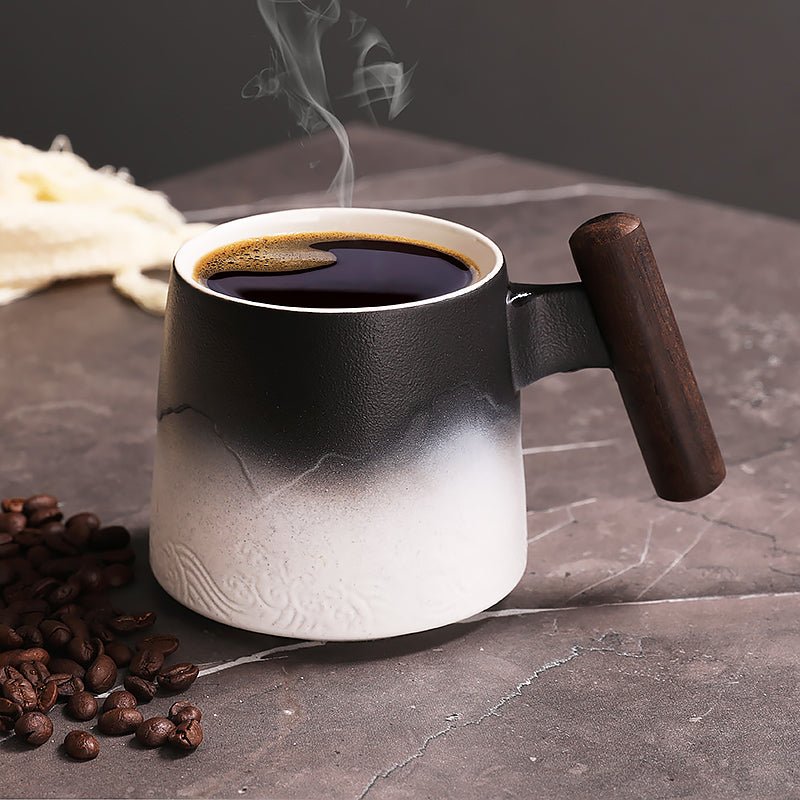
Normal Coffee Mug Size: What Buyers Should Expect Before Ordering
The normal coffee mug size is usually 11 to 12 oz, but fit, handle shape, and drink style matter more than the label. This guide compares common sizes and shows what to check before you buy.
Read more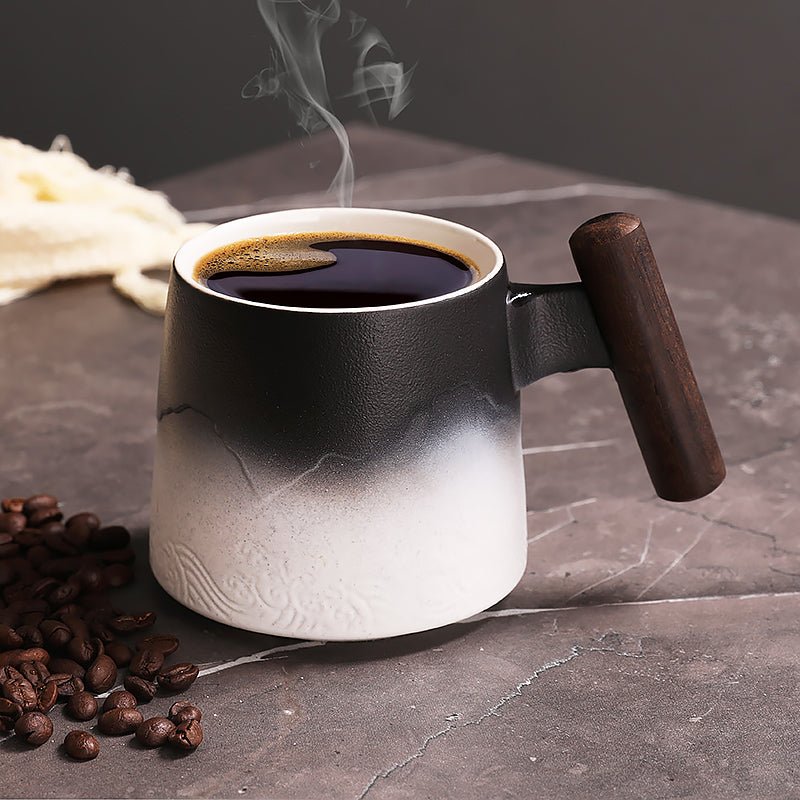
Yellowstone National Park Coffee Mugs: What to Check Before You Buy
Compare Yellowstone National Park coffee mugs by size, material, print quality, and care before you buy. This guide focuses on everyday use, gifting, and the trade-offs between ceramic, stoneware, ...
Read more
Leave a comment
This site is protected by hCaptcha and the hCaptcha Privacy Policy and Terms of Service apply.