
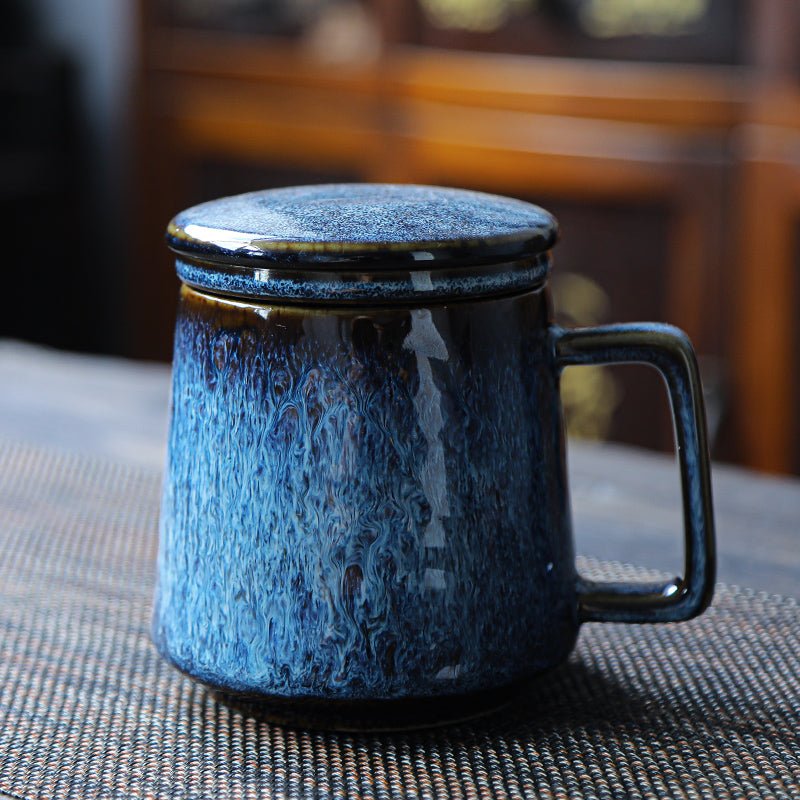
Blue Willow Coffee Mugs: What to Check Before You Buy
Reading time: about 9 minutes
A blue willow mug can look perfect in a product photo and still feel wrong in your hand. The difference usually shows up in the details: the handle is a little tight, the rim feels thick, the pattern sits too pale under daylight, or the base leaves scratches on a countertop after a few dishwasher cycles.
We see those trade-offs a lot in our store because buyers usually want two things at once: the classic blue-and-white look and a mug that is actually comfortable for coffee, tea, and everyday rinsing. If you are comparing blue willow coffee mugs, start with the practical stuff first, then decide how much pattern fidelity matters to you.
For a direct product comparison, start with The Rock Coffee Tea Mug and Morning Night Coffee Tea Mug. If you want to see the wider range before narrowing down the style, our full mug collection is the fastest place to compare shapes side by side.
What should you check first on blue willow coffee mugs?
The first check is not the pattern. It is the form. A blue willow print can forgive a lot, but a mug that is awkward to hold will still be awkward every morning. In our experience, the most useful comparison points are capacity, handle clearance, rim shape, and the finish on the base ring.
Here is the short version of what matters most:
- Capacity: If you pour drip coffee or tea refills, a larger mug reduces trips back to the kettle. If you drink espresso-based drinks or smaller servings, a oversized mug can feel bulky and cool the drink too quickly.
- Handle clearance: Fingers should fit without brushing the body of the mug. Tight handles are the most common reason a buyer likes a mug on the shelf and dislikes it at home.
- Rim thickness: A thinner rim usually feels smoother on the lip. A thicker rim can feel sturdier, but it may change the drinking experience.
- Base finish: The underside should be smooth enough for tile, wood, or stone counters. A rough foot ring can leave marks or feel unfinished.
Blue willow coffee mugs often lean classic rather than minimalist, so the pattern draws attention. That makes structural flaws easier to miss in photos and harder to forgive in person. We recommend looking at the mug as a tool first, then as a decorative object second.
How do you judge the pattern quality without overthinking it?
Blue willow is about visual balance. The pattern should read clearly from a normal dining distance, not just in a close-up crop. If the blue print looks muddy, overprinted, or uneven around the curve of the mug, the design can lose the crisp, traditional look buyers usually want.
In practical terms, check three things:
- Clarity at the seam: Decorative wraps often look weakest where the pattern meets the handle or the back of the mug. Small alignment shifts are normal, but a major break in the scene is distracting.
- Color balance: Blue willow styles should feel blue and white, not washed out gray. If the color leans too pale, the pattern can disappear under a bright kitchen light.
- Glaze coverage: The print should sit under or within a clean glaze layer, not look scratched on top. Uneven glaze can make a mug feel cheaper and may affect how it wears over time.
This is where trade-offs matter. A more decorative mug may have slight variation from piece to piece, and that is not always a defect. Hand-applied or transfer-style decoration can produce small differences. What we do not want is a mug where the pattern looks off-center enough to distract every time you pick it up.
If you want a broader comparison of style and finish, our article on blue coffee mugs: how to choose the right shade, size, and finish is a useful companion read. It helps if you are torn between a stronger cobalt look and a softer traditional blue willow feel.
Which size works best for daily coffee and tea?
Size changes how a mug behaves. A larger mug keeps you from refilling as often, but it also adds weight and can make the drink cool more quickly if you only pour a partial cup. A smaller mug feels more refined and easier to store, but some buyers get annoyed when it is too small for their actual morning routine.
We usually think about use cases like this:
- Desk coffee: Choose a mug that is comfortable to lift with one hand and stable enough for an office desk or side table.
- Breakfast tea: A slightly larger cup makes sense if you like a full pour and do not want to top up halfway through the morning.
- Gift buying: A medium size is the safest choice if you do not know the recipient's habit or machine setup.
- Cabinet space: A tall or wide mug can be annoying if your shelves are tight or your dishwasher rack is already crowded.
If size is your main question, our piece on 12 oz coffee mugs: how to choose the right mug for daily use is worth reading before you buy. Twelve ounces is not automatically the right answer, but it is a common middle ground for everyday use.
Blue willow coffee mugs are not the best choice if you want an ultralight travel mug, a stackable café cup, or a huge insulated vessel. They are better for home kitchens, office desks, gift sets, and slow mornings where the look matters as much as the pour.
What materials and care details should you ask about?
We do not like vague product pages. For mugs, vague usually means avoidable surprise later. The most useful details are the body material, the glaze type, and the care guidance. Most blue willow mugs are ceramic-based, but buyers should still check whether the finish is intended for daily washing, microwave use, or display-level handling.
Concrete details we look for before recommending a mug:
- Body material: Ceramic or stoneware affects weight, heat retention, and chip resistance.
- Dishwasher behavior: Some printed mugs hold up well, while others show fading or surface wear sooner if the decoration is not properly sealed.
- Microwave use: Metallic trim, certain decals, or rough base rings can make a mug less suitable for reheating.
- Surface finish: A smooth glaze is easier to clean, especially if you use coffee, black tea, or anything that stains.
Common defect modes are worth watching for, especially when you are buying online: pinholes in the glaze, rough spots near the foot, slight wobble on a flat surface, and print inconsistency around curved sections. None of those are dramatic on their own, but together they can make an otherwise pretty mug feel disappointing in daily use.
That is also why we pay attention to real-life handling. A mug can look beautiful in an unboxed photo and still be the one that feels wrong when you wash it after breakfast, place it on a cold stone countertop, or stack it beside larger cups in a crowded cabinet.
Which styles fit a blue willow look without forcing a strict replica?
Not every buyer wants a museum-style reproduction. Some people want the blue willow mood, not the exact historical pattern. That is a reasonable place to shop, and it often opens up better options for daily use because the mug can prioritize comfort and durability over strict ornament.
Our store usually sees three buyer types:
- Pattern-first buyers: These shoppers want the most traditional blue-and-white feel and are willing to accept a little visual variation.
- Usability-first buyers: These shoppers care more about handle shape, cup weight, and easy cleaning than about a perfect pattern match.
- Gift-first buyers: These shoppers want something recognizable, tasteful, and easy to give without worrying whether the recipient collects a specific style.
If you are still deciding between classic blue willow and more modern blue-and-white styles, our article on blue and white coffee mugs: what to buy and what to skip is a good reality check. It helps separate the mugs that look good in a photo from the ones that stay useful after the first week.
We also suggest checking the overall collection rather than judging one style in isolation. A mug that looks too plain next to a decorative blue willow print may actually be the better daily drinker. That is why we keep pointing shoppers back to the full mug collection before they lock in a final choice.
Are blue willow coffee mugs good for gifts?
Yes, but only if you pick the right form. Blue willow coffee mugs make sense as gifts because the pattern feels established and familiar without being loud. They work well for birthdays, housewarmings, office exchanges, and small thank-you gifts where you want something useful instead of decorative clutter.
The limits are worth saying plainly. They are not the best gift for someone who wants minimal design, a modern matte finish, or a mug built for constant commuting. They are also not ideal if the recipient is extremely particular about handle size or only uses insulated drinkware.
If you are buying as a gift, look for:
- A comfortable handle that works for a range of hand sizes
- A shape that looks balanced on a kitchen counter
- A pattern that reads clearly without looking busy
- Care instructions that fit normal home use
That combination is more useful than chasing the most ornate version you can find.
Frequently asked questions
Are blue willow coffee mugs dishwasher safe?
Some are, but you should check the product details before buying. Printed mugs can vary in how well the decoration holds up after repeated washes, especially if the glaze or decal is not fully sealed. If you want a mug for daily dishwasher use, pick one with clear care guidance rather than assuming all blue willow styles are the same.
Do blue willow coffee mugs come in 12 oz sizes?
Many everyday mugs sit around that range, but size is not guaranteed by style alone. If you want a comfortable daily mug, 12 oz is a practical middle ground for coffee and tea. If you prefer large pours or multiple refills, you may want something bigger.
What makes a blue willow mug feel cheap?
Usually it is one of four things: a rough base ring, a weak or blurry print, a handle that feels cramped, or glaze defects such as pinholes. A mug can still be attractive with small natural variation, but visible flaws in the pattern or finish are hard to ignore once the mug is in use.
Are blue willow coffee mugs good for everyday use?
Yes, if the shape is comfortable and the finish is durable enough for your routine. They work well for kitchen counters, office desks, and casual tea service. They are less ideal if you need a very lightweight mug, a travel-ready cup, or a stackable café-style piece.
Should I buy a matching set or mix styles?
If your cabinets are already mixed, a single blue willow mug can still work as an accent piece. Matching sets are better if you want a consistent table look or you host often. Mixed styles make more sense when function matters more than a perfectly matched shelf display.
If you want to keep comparing before you buy, start with the mug pages above, then use our collection to compare shape and size. If the pattern is your main focus, read the linked blue coffee and blue-and-white guides first, then choose the mug that fits your real routine rather than the nicest photo.
Read more
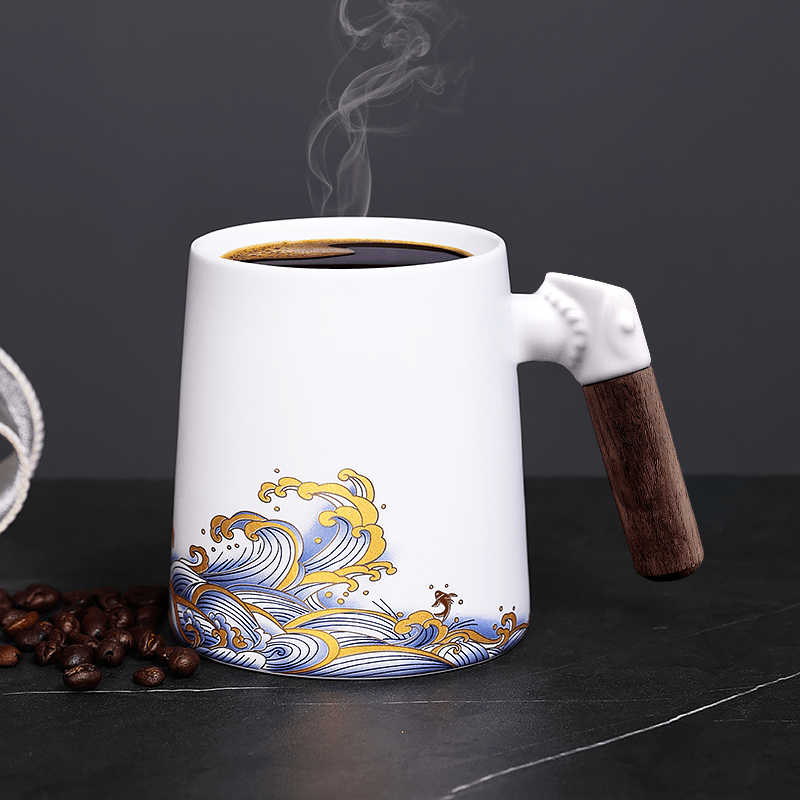
White Ceramic Coffee Mugs: What to Buy and What to Check
A practical guide to white ceramic coffee mugs that covers shape, finish, care, and real-world trade-offs. Compare three CoffeifyMug options and choose the one that fits your routine.
Read more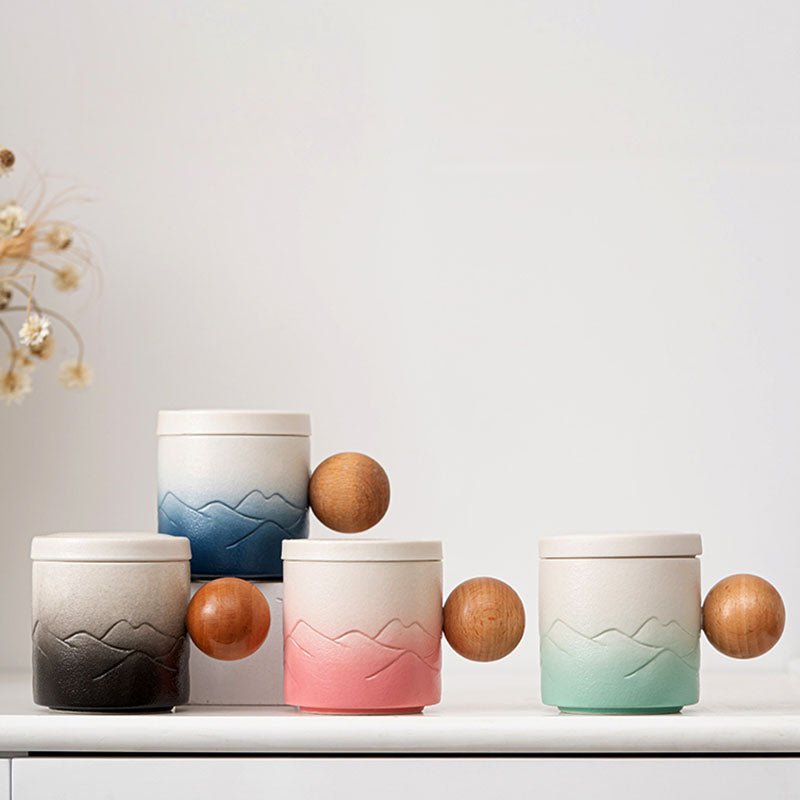
Coffee Mugs Vintage: What to Buy for Daily Use and Display
Coffee mugs vintage can look right on a shelf and still work on a busy kitchen counter, but only if the shape, glaze, and size match how you actually drink coffee. Here is how we evaluate them in o...
Read more
Leave a comment
This site is protected by hCaptcha and the hCaptcha Privacy Policy and Terms of Service apply.