
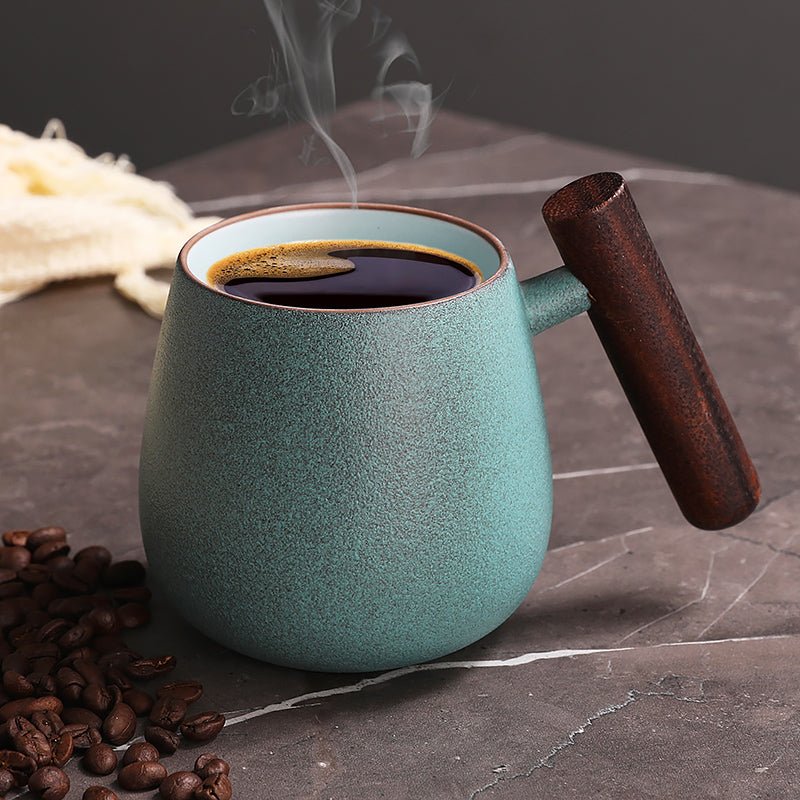
Better Homes and Gardens Coffee Mugs: What to Compare Before You Buy
Reading time: about 9 minutes
A mug can look right on a shelf and still feel wrong at 7 a.m. if the handle is cramped, the rim is too thick, or the cup holds less than you expected. That is the part shoppers usually learn after the box is open.
We handle a lot of everyday drinkware in our store, and the same buying pattern keeps showing up: people want better homes and gardens coffee mugs that feel comfortable in the hand, work for coffee and tea, and survive ordinary kitchen use without becoming fussy. This guide breaks down what to compare before you buy, where the trade-offs are, and which mug styles make the most sense for different routines.
If you want to browse a broader mix of everyday mug styles while you compare, start with our all collection. If you already know you want a more specific shape, we will point to a few options below that reflect the same practical buying decisions shoppers make with better homes and gardens coffee mugs.
What should you check first in better homes and gardens coffee mugs?
The first thing we look at is not the print or the color. It is the basic fit: capacity, handle comfort, rim shape, and whether the mug feels stable on a counter or desk. A pretty mug that tips easily or burns your fingers is not a good daily mug.
For everyday use, these are the details that matter most:
- Capacity: A smaller mug can keep a drink hotter, but it may be too tight for milk-heavy coffee drinks or a generous tea pour.
- Handle shape: Some handles look stylish but do not leave enough room for two or three fingers, especially if you have larger hands.
- Wall thickness: Thicker walls usually feel sturdier and hold heat longer, but they can make the mug feel heavier.
- Rim comfort: A smoother rim is easier for daily sipping than a sharp or overly thick lip.
- Finish: A glossy surface often wipes clean more easily, while matte finishes can show wear differently over time.
That is why shoppers comparing better homes and gardens coffee mugs should think beyond the look. A mug that suits your desk coffee may not be the best choice for a long tea break at home.
Which mug size works best for coffee, tea, and desk use?
Size changes the whole experience. A 10-ounce mug can be ideal for a straightforward black coffee, while an 11- or 12-ounce mug gives more room for cream, foam, or a tea bag without feeling crowded. If you like a fuller pour, a 14-ounce option may be better, though it will be heavier and may cool faster if left sitting on a desk.
We wrote more about the size question in our guides to 10 oz coffee mugs and 12 ounce coffee mug buying guide. Those size breaks matter because a mug that looks nearly the same on screen can feel very different in hand.
Here is the practical version we use when helping shoppers choose:
| Size | Best for | Trade-off |
|---|---|---|
| 10 oz | Smaller coffee pours, tea, compact cabinets | Less room for milk or foam |
| 11 oz | Daily coffee that is not too large | May feel average if you like big servings |
| 12 oz | Balanced daily use, coffee and tea | Can feel slightly large for espresso-style drinks |
| 14 oz | Large pours, desk use, longer sipping sessions | Heavier and more drink exposed to cooling |
If your routine changes between morning coffee and afternoon tea, a middle size is usually the safest bet. For many households, that means 11 or 12 ounces. If you want a deeper comparison, our 11 ounce coffee mugs size guide and 14 ounce coffee mugs for daily coffee, tea, and desk use are useful next reads.
Which styles feel good in the hand, not just on a shelf?
This is where buyers often separate decorative mugs from mugs they will actually reach for every morning. In our experience, the handle and the balance point matter more than the pattern.
Three styles we carry and discuss often with customers:
The Gradient Coffee Tea Mug works well for shoppers who want a cleaner, modern look without giving up daily practicality. A gradient finish is easy to pair with different kitchen setups, but it is not the best choice if you want a completely plain, no-frills mug for heavy office rotation.
Retro Coffee Tea Cup suits people who like a more nostalgic shape and a little visual character. Retro-inspired mugs can feel comforting and giftable, but they are not always the best pick if you want the lightest cup or the most minimalist cabinet stack.
Ball Handled Coffee Tea Mug is worth a look if handle comfort is high on your list. A ball-style handle can offer a different grip feel than the standard loop handle, which some people love and others find too distinctive for everyday use.
We mention these because better homes and gardens coffee mugs are often bought for appearance first and then judged by daily handling. The truth is simple: a mug that is slightly less trendy but easier to hold will get used more often.
What materials and finishes hold up best in daily use?
Most everyday mugs in this category are ceramic or stoneware, and both can be a solid choice. Ceramic tends to feel smooth and familiar, while stoneware often feels denser and a bit more substantial in the hand. The right choice depends on how you use the mug and how careful you are in the kitchen.
Here are the specific things we check before recommending a mug:
- Glaze consistency: Uneven glaze can affect the look and sometimes the feel of the rim.
- Base stability: A flat, even base sits better on counters and desk surfaces.
- Handle attachment: The handle should feel secure and proportioned, not thin or fragile.
- Microwave and dishwasher expectations: Even when a mug is labeled for daily use, repeated heat and wash cycles can eventually show wear on finishes.
Trade-off matters here. A glossy mug is often easier to clean, but it can show fingerprints or water spots more easily. A textured or matte surface can look richer, but it may demand a little more care to keep looking fresh.
Our practical rule: choose the finish you will actually rinse and dry every day, not the one that only looks best under store lighting.
How do you judge comfort before the mug is on your counter?
We wish every shopper could test a mug in person before buying. Since most people cannot, we think about the little cues that predict comfort. A mug should feel easy to lift when full, should not pull awkwardly at the wrist, and should give your fingers enough room inside the handle.
For office desks, we usually recommend avoiding mugs that are too wide at the base of the handle or too heavy for one-handed sipping. For home use, where the mug may stay on a counter longer and get washed less hurriedly, a slightly heavier stoneware feel can be fine. For gift purchases, a mug with a visually balanced shape tends to feel more polished when unboxed.
If you are comparing practical daily-use dimensions, our guides to 11 oz coffee mugs and 12 oz coffee mugs: what to check before you buy walk through the most common fit issues we see from shoppers.
What are the common mistakes buyers make with everyday mugs?
The mistakes are usually simple, but they matter.
- Buying by image alone: A mug can look slim online and arrive heavier or wider than expected.
- Ignoring handle room: If you use larger fingers or like a loose grip, a tight handle gets annoying quickly.
- Choosing the wrong capacity: A mug that is too small forces you to refill often; one that is too large may make each serving feel underfilled.
- Assuming every mug is equally easy to clean: Decorative interiors, textured exteriors, and certain finishes may need more attention after coffee stains or tea residue.
- Overlooking storage: Tall or wide mugs can crowd cabinets and dish racks faster than buyers expect.
None of that means you should avoid stylish mugs. It means the style has to work with your routine. That is the real difference between a mug you admire and a mug you use daily.
Which better homes and gardens coffee mugs make sense for gifts?
For gifts, people usually want something that feels personal without being so specific that it misses the mark. A mug with a pleasing shape, an easy-to-like color, and a comfortable handle is usually safer than a highly niche design.
We see three gift scenarios often:
- Office gift: A balanced, everyday mug that does not feel too large on a desk.
- Housewarming gift: A style that fits many kitchens, such as a gradient or retro-inspired cup.
- Tea drinker gift: A mug with enough room for tea bags and a comfortable rim for slower sipping.
If you are shopping with size in mind, our article on 12 ounce coffee mugs size, fit, and best buying choices is a helpful comparison before you choose a gift.
One limitation to keep in mind: a decorative mug is not always the best option for a person who wants a matching set, stackable storage, or an ultra-light cup. For those buyers, a simpler shape often wins.
Frequently asked questions
Are better homes and gardens coffee mugs good for everyday coffee use?
They can be, if you choose the right size and handle shape for your routine. For daily coffee, we usually recommend checking the mug’s capacity, balance, and rim comfort first. A good-looking mug is only useful if it stays comfortable after repeated use.
What size is best if I drink coffee and tea from the same mug?
An 11- to 12-ounce mug is usually the most flexible choice. It gives enough room for tea bags or a modest coffee pour without feeling oversized. If you like larger servings or latte-style drinks, move up to 14 ounces.
Are decorative mugs harder to clean?
Sometimes, yes. Textured finishes, darker glazes, and shaped exteriors can hold coffee residue or show water marks more easily than a simple glossy mug. If you want the easiest cleanup, choose a smooth interior and a finish you can wipe quickly after washing.
What should I avoid if I want a mug for office desk use?
A very heavy mug, a wide base that crowds your workspace, or a handle that feels awkward in one hand can become frustrating fast. For desk use, we prefer balanced mugs that are easy to lift and do not take up too much space next to a keyboard or notebook.
Do I need a bigger mug if I add milk or cream?
Usually, yes. Milk, cream, foam, and ice all take up space that plain black coffee would otherwise fill. If you drink a fuller-style coffee, a 12-ounce or 14-ounce mug is often more practical than a smaller cup.
What should you buy next if you want a mug that actually gets used?
Start with three checks: the size you really drink from, the handle you can hold comfortably, and the finish you are willing to maintain. That simple filter narrows down most better homes and gardens coffee mugs quickly.
If you want to compare styles that balance looks with day-to-day practicality, begin with The Gradient Coffee Tea Mug, Retro Coffee Tea Cup, and Ball Handled Coffee Tea Mug. If you want to compare more options in one place, our all collection is the fastest next step.
For size-first shoppers, we also recommend checking our size guides on 10-, 11-, 12-, and 14-ounce mugs before you buy. That is usually the easiest way to avoid a mug that looks right online but feels wrong in the kitchen.
Read more

Cow Coffee Mug With Udders: What to Check Before You Buy
A practical buying guide for shoppers comparing a cow coffee mug with udders. We cover size, material, comfort, care, and the trade-offs that matter before you add one to cart.
Read more
Golden Retriever Coffee Mug: What to Buy, What to Check, and Best Picks
A practical buyer’s guide to choosing a golden retriever coffee mug that looks good on the shelf and holds up to daily use. We cover mug style, size, care, and which of our options fits different s...
Read more
Leave a comment
This site is protected by hCaptcha and the hCaptcha Privacy Policy and Terms of Service apply.