
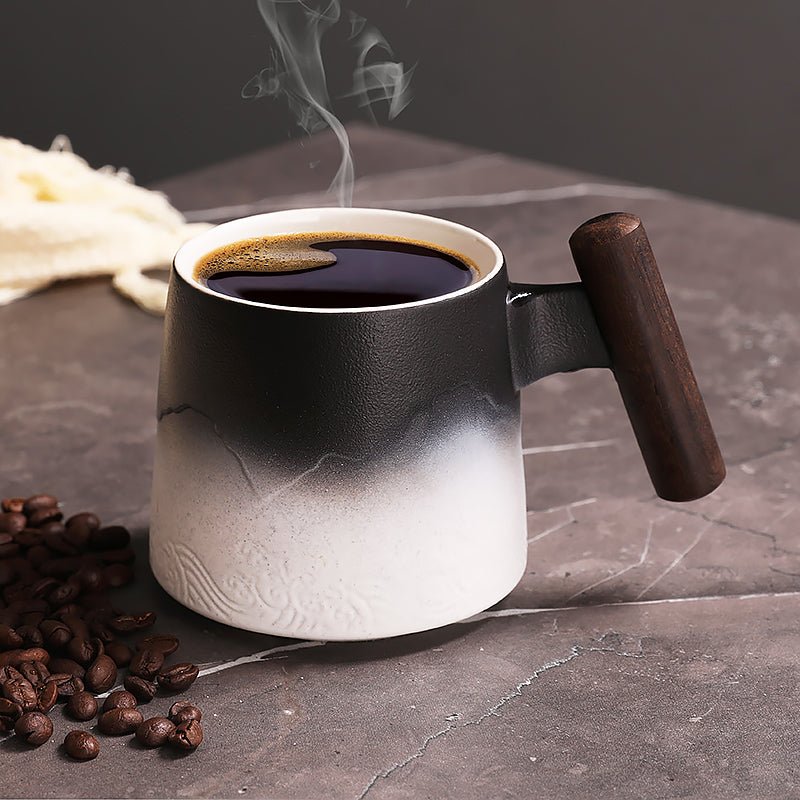
Best Coffee Mugs to Keep Coffee Hot: What Actually Works
Reading time: about 9 minutes
A coffee poured into a thin, wide mug can feel lukewarm before the first reply hits your inbox. The same coffee in a heavier mug, or one with double-wall construction, stays pleasant long enough to finish the cup without reheating it twice.
That gap is why the best coffee mugs to keep coffee hot are not always the prettiest mugs on the shelf. Heat retention depends on material, wall thickness, opening size, and even how much empty space sits above the coffee. In our store, we see shoppers choose the wrong mug most often when they focus on design first and drinking experience second.
If you want a mug that actually earns its spot on a kitchen counter or office desk, we recommend starting with the mug type, then narrowing by size. Our current range starts at products, and if you are comparing options by capacity, our size guides for 12 oz Coffee Mugs: What to Check Before You Buy and 16 oz Coffee Mugs: What to Check Before You Buy are good next reads.
Which coffee mugs keep heat the longest?
The mugs that keep coffee hot longest are the ones that slow down heat loss from every angle. That means less surface exposure, thicker walls, and better insulation between the liquid and the outside air.
In plain terms, the top performers are usually:
- Double-wall mugs, which trap an insulating air gap between inner and outer walls.
- Thick ceramic or stoneware mugs, which warm up slowly and do not bleed heat as quickly as thin cups.
- Mugs with fitted lids, which reduce heat loss from steam and air movement, especially on a desk.
What does not work as well? Thin promotional mugs, oversized open-mouth mugs, and novelty shapes with a lot of exposed surface area. They look good on a shelf, but they are not the right answer if you sip slowly and want the coffee to stay enjoyable past the first few minutes.
The honest trade-off: the mug that keeps coffee hottest is often less convenient to clean, less comfortable to hold, or less ideal for microwaving.
What material should you buy for better heat retention?
Material matters, but it is only part of the story. We compare mugs by how they feel in the hand, how fast they cool a drink, and how they hold up after repeated dishwasher cycles.
| Material | Heat retention | Everyday use | Watch out for |
|---|---|---|---|
| Double-wall stainless steel | Excellent | Best for long desk sessions, commutes, and people who sip slowly | Can change the drinking feel, may not suit microwave use, and some people prefer a ceramic lip |
| Double-wall ceramic | Very good | Best for home use when you want a mug feel with better heat holding | Usually heavier, and if the rim chips, that mug is usually retired sooner |
| Thick stoneware | Good | Best for kitchen counters, breakfast tables, and everyday coffee at a normal pace | Not as strong as insulated designs if you leave coffee sitting for a long time |
| Thin ceramic | Fair | Good for quick drinkers who want a lighter mug | Heats up fast, cools coffee faster, and is the least forgiving for slow sipping |
We usually steer buyers toward thicker ceramic or double-wall options when the goal is to keep coffee hot without constantly reheating it. If the priority is maximum heat retention and the mug will live on a desk, double-wall construction is hard to beat. If the priority is familiar drinking feel and easy storage, a thicker ceramic mug is often the better compromise.
That said, a double-wall mug is not always the best choice. If you want to microwave your coffee, decorate a table for guests, or stack mugs tightly in a cabinet, ceramic can be the more practical pick.
How does mug size change how hot coffee stays?
Size changes heat retention more than many shoppers expect. A larger mug gives coffee more exposed surface area and more empty space for air to circulate, which usually means faster cooling. A smaller mug often holds heat better simply because there is less coffee exposed to the room.
That does not mean smaller is always better. It depends on how you drink:
- 8 oz to 12 oz works well for people who drink coffee straight through and prefer a hotter cup from the first sip to the last.
- 16 oz is the sweet spot for many office desks because it balances capacity with reasonable heat retention.
- 20 oz and up suits long mornings, larger pours, or people who refill once instead of brewing again.
If you are still deciding on capacity, our guides to 20 Ounce Coffee Mugs: What Buyers Should Check Before Ordering, 20 oz Coffee Mugs: What Buyers Should Check Before Ordering, and A buyer's guide to large capacity coffee mugs are useful comparisons. For compact daily use, smaller sizes can outperform big mugs on heat retention even if they hold less coffee overall.
We also see a common mistake with oversized mugs: shoppers like the capacity, but not the cooling speed. If you routinely get interrupted between sips, a large mug can turn your coffee from hot to merely warm before you finish it.
Which features matter more than the label?
Marketing language on the box is less useful than the physical details you can actually inspect. We look at a mug the same way a customer would use it: on a counter, in a dishwasher, under an office drip machine, or wrapped up as a gift.
- Wall thickness: thicker walls usually hold heat longer than thin, lightweight ceramic.
- Opening width: a narrower opening slows heat loss better than a wide, shallow shape.
- Handle size: a mug can be well insulated and still be awkward if the handle is too small for gloved or large hands.
- Rim finish: a smooth, even rim improves the drinking feel and is a good sign of better manufacturing consistency.
- Dishwasher and microwave compatibility: these matter if the mug is going to live through real weekly use, not just gift photos.
One detail shoppers miss is lid fit. A snug lid can help keep coffee hot, but it can also make cleaning harder and trap aroma. Another detail is decoration durability. Printed or promotional mugs can look sharp on day one, then fade or craze after repeated washing if the finish is not well made. If you are choosing branded drinkware, our article on Promotional Coffee Mugs: How to Choose Ones People Actually Keep Using covers the practical side of that decision.
For our own shelves, we prefer designs that survive daily handling: stable bases, comfortable handles, and glazes that do not feel rough after a few dishwasher cycles. A mug that keeps coffee hot but chips quickly is not a good buy.
Which mug fits home, office, or gifting best?
The right mug changes with the setting. We sell to all three kinds of buyers, and they want different things.
For home kitchens: A thick ceramic mug is usually the best all-around choice. It feels familiar, looks good on open shelving, and is easy to reach for every morning. It is not the best option if you leave coffee untouched for half an hour, but it is a strong balance of comfort and performance.
For office desks: Double-wall or lid-equipped mugs make more sense. Office coffee gets interrupted by calls, meetings, and short breaks. Heat retention matters more there than at the kitchen table. If you are comparing office-friendly sizes, the 16 oz range is often the most practical middle ground.
For gifting: Think about what the recipient actually does with coffee. A decorative mug is fine for someone who drinks quickly. A heavier, more insulated mug is better for someone who sips slowly or leaves coffee beside a laptop. That is also where a simple, useful design tends to beat a trendy one. If you are buying for a team, a client, or a campaign, the promotional mug guide above is worth reading before you order.
Our rule is simple: if the mug will be used at a desk, choose insulation. If it will be used at breakfast, choose comfort. If it will be gifted, choose something that still feels useful after the unboxing moment is over.
How should you compare options in our store?
The fastest way to narrow the best coffee mugs to keep coffee hot is to compare three things side by side: material, size, and cleanup. That keeps you from buying a mug that looks right but behaves badly in real use.
- Start with the size that matches how much you actually drink, not the size that looks impressive.
- Choose a material based on how long the coffee sits before the last sip.
- Check whether you need microwave use, dishwasher use, or both.
- Pay attention to rim shape, handle comfort, and whether the mug feels stable when full.
If you want the simplest path, browse our full collection and compare the mugs that fit your routine first. For shoppers who care most about keeping coffee hot, we usually recommend narrowing down to a 12 oz or 16 oz mug, then checking whether the construction is thick ceramic or double-wall.
The wrong mug can still be a nice mug. It just will not solve the heat problem. That is why we treat heat retention as a use case, not a style preference.
Frequently asked questions
What type of coffee mug keeps coffee hot the longest?
Double-wall insulated mugs usually keep coffee hot the longest because they slow heat loss through the sides and reduce how quickly the drink cools in open air. Thick ceramic mugs come next and are a strong choice if you want a more traditional mug feel. Thin mugs lose heat faster and are better for quick drinkers than slow sippers.
Is ceramic or stainless steel better for hot coffee?
Stainless steel with double-wall insulation usually wins on heat retention. Ceramic usually wins on drinking feel, microwave convenience, and table presentation. If you want the mug to stay hot for a long stretch on a desk, stainless steel is stronger; if you want a classic everyday mug, ceramic is easier to live with.
Do larger mugs keep coffee hot longer?
Usually no. Larger mugs expose more coffee to air, which speeds up cooling. A 20 oz mug is useful if you want a bigger pour, but a 12 oz or 16 oz mug often holds heat better for the amount of coffee it contains.
Should I choose a mug with a lid?
A lid helps keep coffee hot, especially at a desk where the mug sits between sips. The trade-off is cleaning and convenience. If you want the easiest mug to wash and use every day, a lidless ceramic mug may be better; if heat retention matters more, a lid is worth considering.
What should I avoid if I want coffee to stay hot?
Avoid thin, wide mugs if you drink slowly. Avoid oversized mugs if you only pour a small amount and let it sit. We also avoid recommending decorative mugs with delicate finishes for heavy daily use, because chips, fading, and rough rims show up faster than most buyers expect.
If you want to choose the right mug now, start with your preferred capacity, then compare the material and cleanup needs. For the quickest shortlist, check the 12 oz, 16 oz, and 20 oz guides, then move into our products page and pick the mug that fits how you actually drink coffee.
More from our blog
Read more
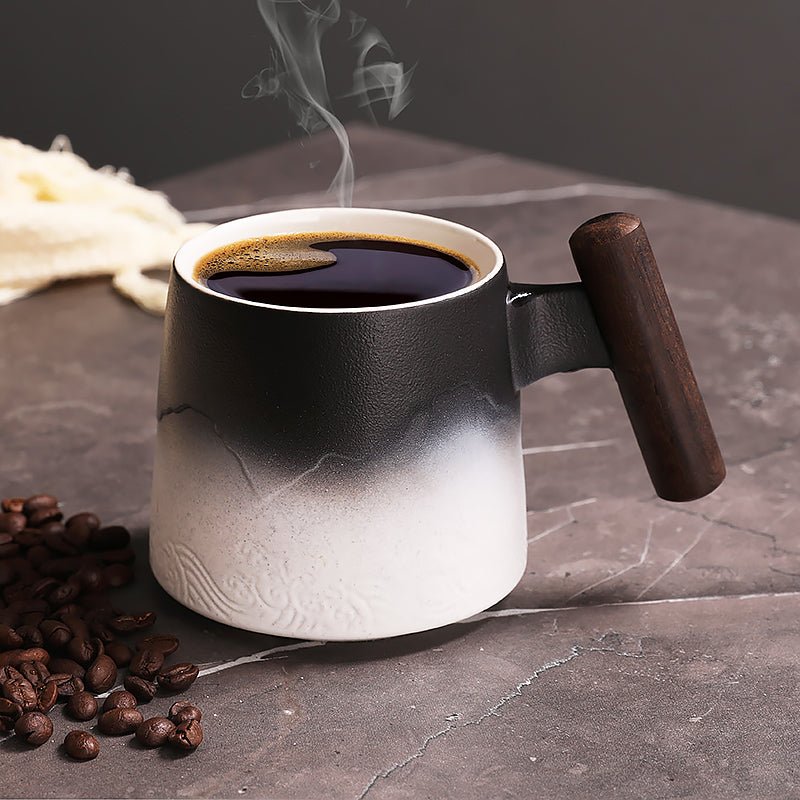
Coffee Mug Design: How to Choose a Mug That Looks Good and Works Daily
Coffee mug design affects more than appearance: it changes grip, capacity, desk fit, and how well the mug holds up in daily use. Here’s how we judge design trade-offs before we stock or recommend one.
Read more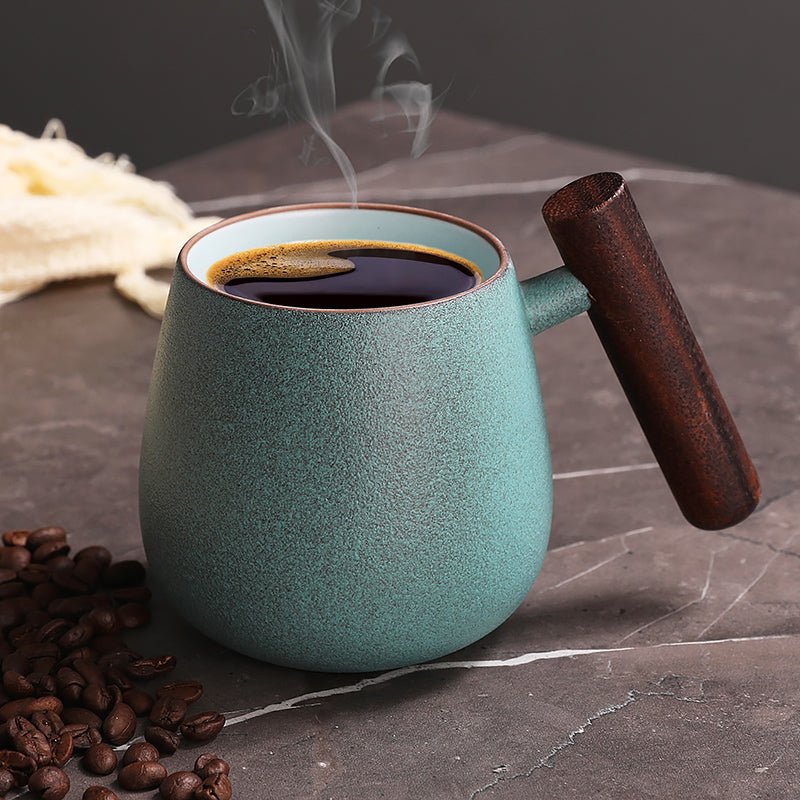
Zojirushi Coffee Travel Mug: What Buyers Should Check Before Buying
A practical buyer’s guide to choosing a Zojirushi coffee travel mug, with the trade-offs, features, and real-world checks that matter before you buy.
Read more
Leave a comment
This site is protected by hCaptcha and the hCaptcha Privacy Policy and Terms of Service apply.