
An apple cider mug morning routine product shortlist guide: 3 picks
Reading time: about 9 minutes
At 7:20 a.m., a mug that looked roomy online can become awkward for one simple reason: your usual pour reaches the rim, or half the drink is still on the kitchen counter when it is time to leave. This apple cider mug morning routine product shortlist guide narrows the decision to morning timing, measured drink volume, refill tolerance, and the handle you will actually use while the mug is full.
In our store, we see shoppers get more reliable results when they settle capacity before appearance. Start with our unique coffee mug collection, then compare the three relevant listings. The Gradient and The Flow are each listed at 400 ml, while The Rock is listed at 480 ml. Those product pages remain the source of truth for current details if the catalog changes.
What happens between the first pour and the front door?
Write down one normal weekday, not an ideal weekend routine. Note the time you pour, where the mug goes, and how much remains when you leave the kitchen or office desk. That simple timeline tells you more than choosing the largest capacity by default.
- A quick 10- to 15-minute counter drink: A 400 ml mug can provide useful headroom when your measured serving is closer to 300 or 350 ml.
- A slower breakfast or desk drink: Choose between 400 and 480 ml according to the amount you actually prepare. More capacity gives you room for more liquid; it does not promise specialized heat retention.
- A morning that moves into the car or train: An open ceramic mug is a poor match. A lidded, travel-oriented vessel would suit that routine better.
Also count unfinished drinks. If you regularly discard the last third because it sits too long, a bigger mug may increase waste rather than reduce inconvenience.
The apple cider mug morning routine product shortlist guide: four filters
- Measure one ordinary serving. Prepare cider as usual and pour it into a measuring jug before transferring it to your current mug. Measuring the recipe you really make is more useful than estimating from the mug's appearance.
- Allow handling headroom. A capacity label is not necessarily the most comfortable fill level. Liquid close to the rim is easier to spill while walking from the counter to a desk.
- Set your refill tolerance. Decide whether one small refill is acceptable. If it is, a 400 ml mug may remain the practical choice even when your total morning consumption is higher.
- Check the handle and full-mug load. Capacity changes the amount of liquid you lift. Handle opening, knuckle clearance, and wrist leverage matter more once the mug is filled.
The two 400 ml options make the last filter especially useful. Once capacity is settled, the handle profile and exterior design shown on each product page become the sensible tie-breakers.
400 ml or 480 ml: which capacity leaves useful headroom?
| Measured morning pour | Shortlist starting point | Reason | Reason to reconsider |
|---|---|---|---|
| 250 to 325 ml | 400 ml | Leaves nominal room above a moderate serving without selecting capacity you do not use. | Choose 480 ml only if you intentionally want a larger second pour in the same mug. |
| 330 to 380 ml | 400 or 480 ml | Both can work; the decision depends on desired headroom and tolerance for a near-full mug. | Skip 400 ml if your normal serving regularly approaches its listed capacity. |
| Around 400 ml | 480 ml | Provides nominal headroom instead of requiring a brim-level fill. | Reconsider if full-mug weight or limited desk and shelf space matters more than refill avoidance. |
The arithmetic is straightforward but useful. A 350 ml serving in a nominal 400 ml mug leaves 50 ml of theoretical headroom. A 400 ml serving in a 480 ml mug leaves 80 ml. Advertised capacity and the comfortable fill line can differ, so treat those figures as comparison tools rather than promises about the exact usable level.
If your current cup is described in ounces, our 12 oz ceramic coffee mug morning shortlist provides another way to think through serving size. Check the listed metric capacity rather than assuming every mug with the same familiar size label has the same usable headroom.
Three morning scenarios and the mug each one favors
This is a situational shortlist, not a best-to-worst ranking. Each option has a clear reason to buy and a clear point at which another mug becomes more practical.
A measured 300 to 350 ml pour: The Gradient, 400 ml
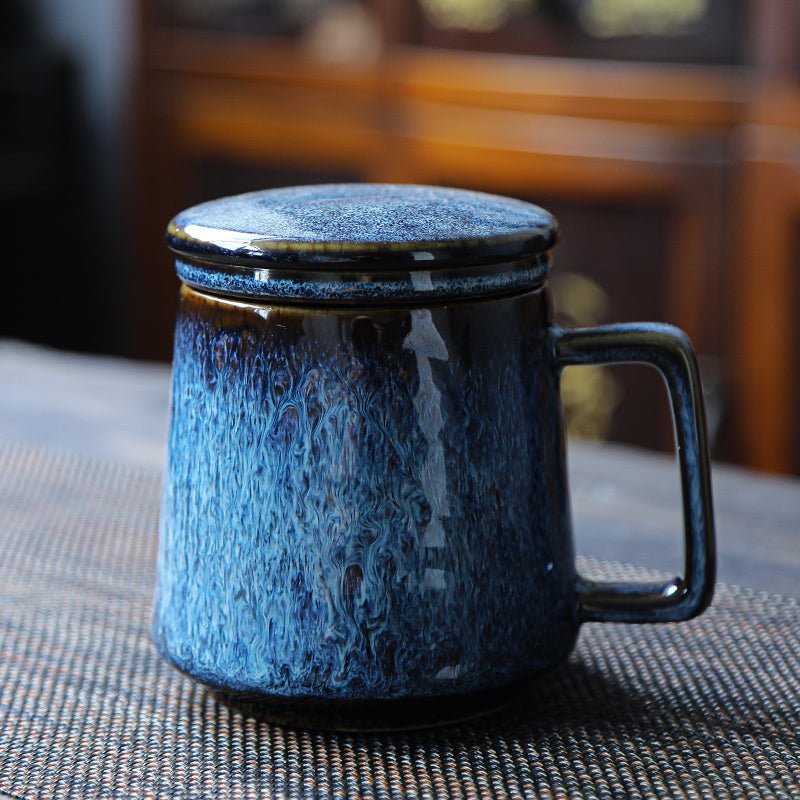
Reader situation: You prepare a moderate serving, drink most of it at the kitchen counter, and do not mind making a separate refill later. Why it fits: The listed 400 ml capacity leaves nominal room above a 300 to 350 ml pour, while the design shown for The Gradient coffee and tea mug gives you a specific visual option rather than a generic vessel. Skip it: Your normal pour is close to 400 ml, you strongly dislike refills, or the handle profile visible in the listing does not match your grip.
The same volume with a different grip preference: The Flow, 400 ml
Reader situation: You have already decided that 400 ml suits your drink, but The Gradient's appearance or handle profile is not your first choice. Why it fits: The Flow coffee and tea mug keeps the same listed capacity while offering a different product design to inspect. Compare side views and handle proportions before choosing. Skip it: You are moving to another mug solely to gain more volume; The Flow is still a 400 ml option and will not reduce refills compared with another mug of the same listed capacity.
A near-400 ml serving with room to move: The Rock, 480 ml
Reader situation: You make one larger serving and want to carry it from the counter without filling a 400 ml mug close to its rim. Why it fits: The Rock coffee and tea mug is listed at 480 ml, giving a 400 ml serving 80 ml of nominal headroom. Skip it: Your drink is usually under 300 ml, you are sensitive to the weight of a fuller mug, or you need a compact footprint. Capacity alone does not reveal exact exterior dimensions, so check the listing rather than assuming how it will fit a shelf.
If you also use the same mug for chocolate and coffee drinks, our 400 to 480 ml mocha mug comparison applies the same capacities to a different recipe and serving pattern.
Does the handle still work when the mug is full?
Handle comfort is difficult to judge from a front-facing product photo. We check ceramic mugs from the side and pay attention to the opening, the attachment points, and the balance created by a full pour. We do not assign exact knuckle clearance unless measurements are supplied.
- Inspect the opening: Use side-view images to judge whether your usual one-, two-, or three-finger grip appears realistic. Without a scale or listed dimensions, treat this as a visual comparison rather than a measurement.
- Account for liquid weight: A 480 ml fill contains more liquid than a 400 ml fill. After delivery, test your normal level with cool water over the sink before using the mug in a rushed morning routine.
- Check the ceramic joins: Before first use, inspect the rim and both handle attachment points under good light. Hairline cracks, sharp rim chips, or unexpected rocking on a flat counter are reasons to contact the store before drinking from the mug.
A shopper with limited grip strength may be better served by a mug with confirmed wide handle dimensions or by a two-handed cup. A gift buyer should also avoid guessing: familiar handle shape can matter more to the recipient than an extra 80 ml of capacity.
Where does everyday ceramic fit, and where does it fall short?
These ceramic mugs make sense on a kitchen counter, breakfast table, or stable office desk. They are not presented here as insulated drinkware, leakproof travel mugs, or containers designed to keep cider at a specified temperature for a stated number of hours.
- Confirm appliance care: Read the individual product listing before using a dishwasher or microwave. Do not assume every ceramic mug has identical care requirements.
- Clean residue promptly: If your cider leaves a sticky film, rinse the mug after use and wash it with mild dish soap and a non-abrasive sponge.
- Avoid harsh abrasion: Metal scouring pads can mark or wear decorated and glazed surfaces. Use a softer cleaning tool unless the product instructions state otherwise.
- Recheck high-stress areas: After repeated dishwasher cycles, if dishwasher use is approved, inspect the rim and handle joins for chips or cracks.
This guide also treats each option as a mug purchase only. It does not assume that apple cider, a lid, spoon, infuser, gift box, or other accessory is included. Check the contents stated on the relevant product page. If you need sealed transport, integrated brewing hardware, or verified temperature performance, a different drinkware category will fit better.
A two-minute comparison before checkout
- Your normal measured pour: 250, 300, 350, 400 ml, or another amount
- Your acceptable empty space below the rim
- Your willingness to make one refill
- Your preferred finger and knuckle position in the handle
- Your tolerance for the weight of a larger full mug
- Your required dishwasher, microwave, travel, and storage fit
Use those six answers while viewing the CoffeifyMug unique mug collection. Eliminate any option that conflicts with your morning routine before choosing by appearance.
Frequently asked questions
Is a 400 ml mug large enough for morning apple cider?
It can be if your measured serving is comfortably below 400 ml. A 300 to 350 ml pour leaves nominal headroom, while a serving close to 400 ml may feel too near the rim for carrying between rooms.
Should I choose 480 ml just to avoid a refill?
Only if you will actually drink the larger serving before it sits unfinished. The 480 ml option provides more room, but it also holds more liquid weight and may be unnecessary for a 250 to 300 ml routine.
What does an apple cider mug morning routine product shortlist guide compare?
It compares the variables that affect an ordinary weekday: pour volume, headroom, time available to drink, refill tolerance, handle preference, and ceramic care. It should also identify situations where an open ceramic mug is not the right product type.
Are The Gradient, The Flow, and The Rock dishwasher or microwave safe?
Check the care information on each current product page before using either appliance. This article does not assign dishwasher or microwave compatibility based only on the fact that the mugs are ceramic.
Do these mug listings include apple cider mix, a lid, or a spoon?
This guide does not assume that ingredients or accessories are included. Review the contents and images on the individual listing before ordering, especially if the mug is intended as a ready-to-give present.
Your next step: Measure one normal morning pour, decide whether one refill is acceptable, and compare the three handle profiles. Choose a 400 ml option when it fits your measured serving; move to the 480 ml option when useful headroom and fewer refills outweigh the added full-mug load.
More from our blog
Read more
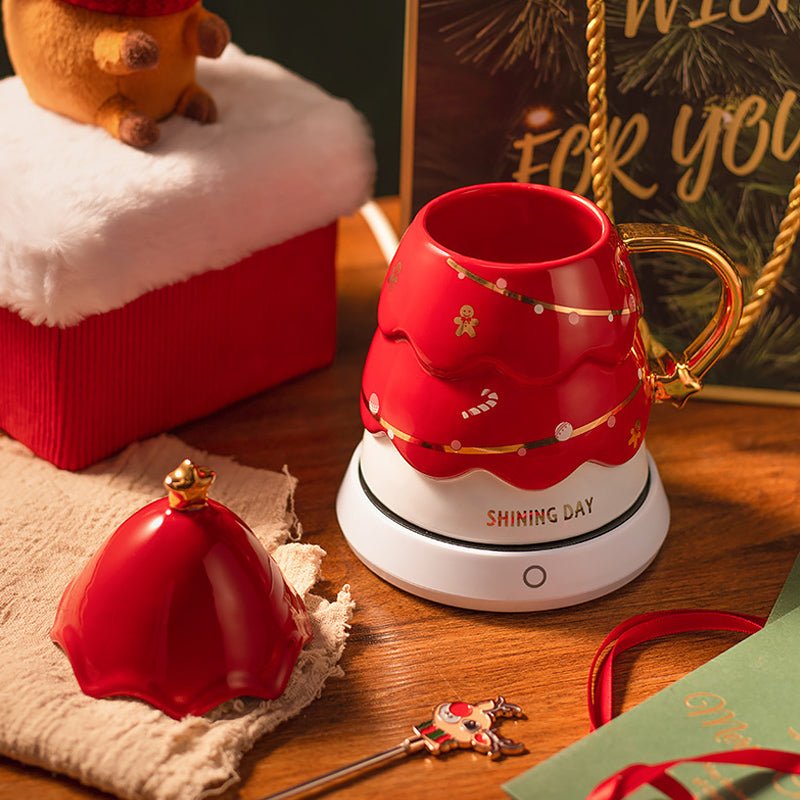
Unique Christmas Coffee Mugs Morning Routine Product Shortlist Guide
Build a practical three-mug shortlist around brew timing, drink volume, refill tolerance, storage, and care. Compare styles for a rushed coffee, a slower desk drink, or a memorable holiday gift.
Read more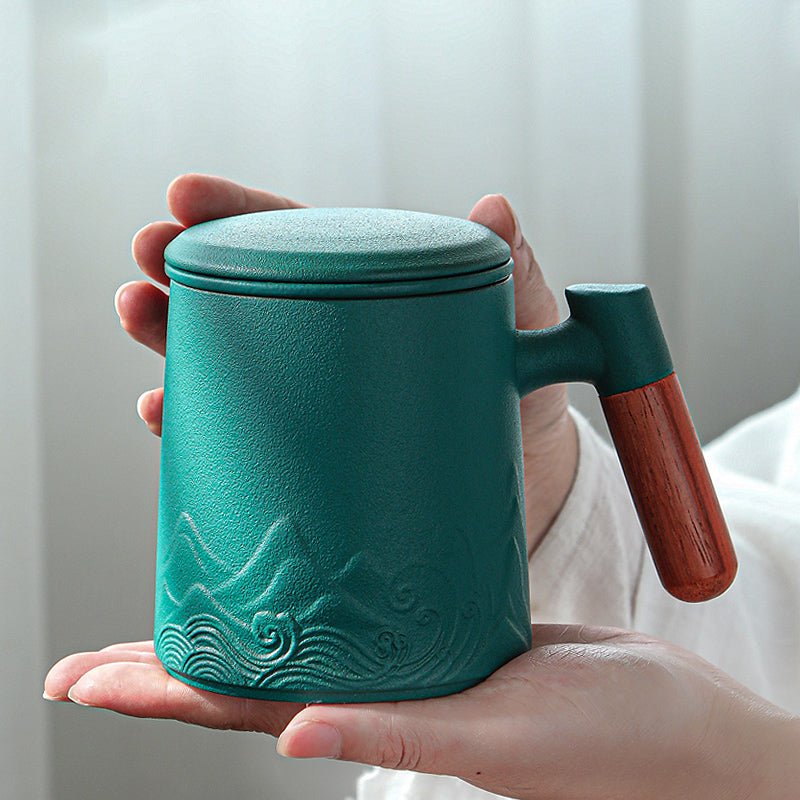
two tone ceramic coffee mugs morning routine product shortlist guide
Use morning timing, finished drink volume, refill tolerance, counter clearance, and care needs to compare three two-tone ceramic styles. Each pick includes a reason to choose it, a reason to skip i...
Read more
Leave a comment
This site is protected by hCaptcha and the hCaptcha Privacy Policy and Terms of Service apply.