
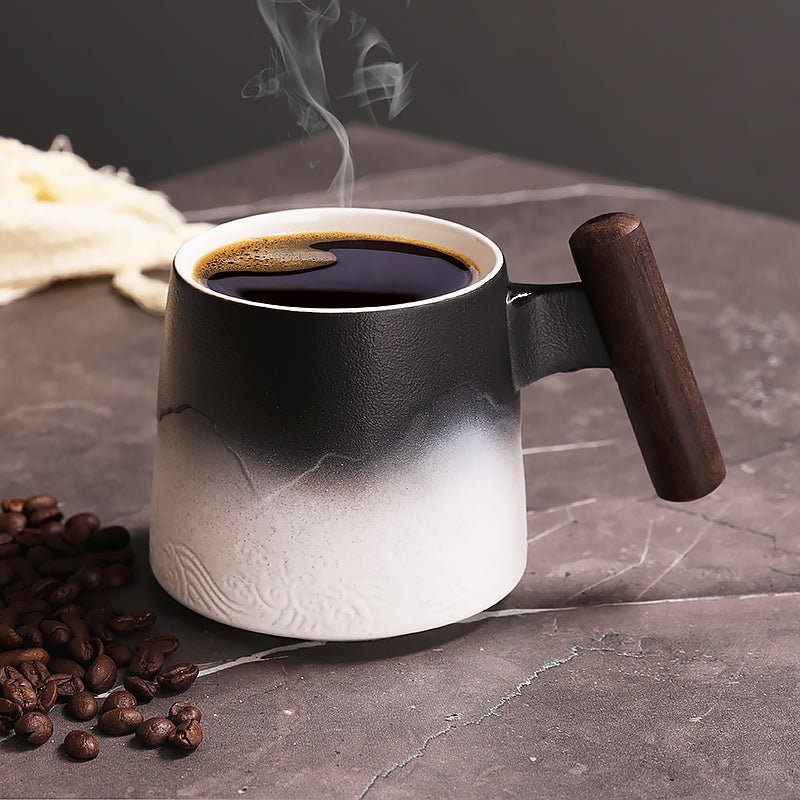
8 Ounce Coffee Mugs: What Buyers Should Check Before Ordering
Reading time: about 10 minutes
An 8 ounce mug looks simple on a product page. On a kitchen counter, it behaves differently. It fills fast, cools fast, and feels very different from a 12 or 16 ounce cup, which is why shoppers often compare sizes twice before buying.
Best next step if you want a smaller mug now
If you are done comparing compact mug size and just want the shortest next route, choose the shopper path, buyer sample path, or forwardable packet now instead of opening more tabs.
- Pick a Mug Fast if you want the shortest compare before choosing a live product or starter set.
- View the Pleated Cup if you want the easiest smaller-format first order without more reading.
- Open the Museum Shop Mug Sample Set if this visit is really about buyer review, sample review, or retail forwarding.
- Open the Editor & Buyer Asset Packet if you need one forwardable page with live links, product images, and buyer contact details.
If you want the measurement side first, 10 oz coffee mug guide, and 12 oz coffee mug guide can help you compare nearby sizes before using a cart route.
At CoffeifyMug, we handle a lot of small-capacity mug searches, and the same questions keep coming up: will it feel too small, will it fit a coffee machine, and will it actually get used every day? This guide is built around those real buying decisions, not vague style talk.
If you want to browse our current assortment while you read, start with our products page or compare everything in our collection.
What does an 8 ounce coffee mug actually hold?
An 8 ounce coffee mug is best thought of as a true small cup, not a downsized oversized mug. In real use, it usually works best for a short coffee, a smaller pour of tea, espresso-based drinks that are topped off with milk, or anyone who prefers a modest serving.
That capacity matters more than the listing photo. A mug with a thick ceramic wall may hold the same liquid as a thin porcelain one, but the hand feel and drinking experience can be very different. The lip shape, wall thickness, and handle size all affect how the mug performs on a desk or kitchen table.
We see two common buying mistakes:
- Shoppers assume 8 ounces means a “tiny” cup, then realize it is exactly the right size for a controlled serving.
- Shoppers want a small mug but pick one with a narrow handle that is awkward for daily use.
If you are comparing small and mid-size options, our breakdown of 12 oz coffee mugs: what to check before you buy is a good next read because many people end up choosing between those two sizes.
Who is an 8 ounce mug best for?
An 8 ounce mug is a strong fit for people who want a smaller serving without reaching for a demitasse or espresso cup. In our experience, these mugs make the most sense for homes and workplaces where coffee is sipped slowly and refills are easy.
They are especially practical for:
- Office desks: less coffee sitting too long and going cold.
- Breakfast tables: a smaller, cleaner footprint beside a plate or pastry.
- Gift sets: compact mugs are easier to package and ship, and they pair well with coffee beans, tea, or hot chocolate mix.
- Controlled portions: if a full travel-mug portion is too much, 8 ounces helps keep servings reasonable.
They are not the best choice for someone who drinks long, lingering pours. If you normally refill only once in the morning, an 8 ounce mug may feel too small. That is where a larger size, such as the options covered in our 16 oz coffee mugs: what to check before you buy guide, may suit you better.
What should you check before buying an 8 ounce mug?
The capacity is only the starting point. The details are what decide whether the mug feels good in daily use or ends up pushed to the back of a cabinet.
| What to check | Why it matters | What we look for |
|---|---|---|
| Material | Affects heat retention, weight, and durability | Ceramic for everyday use, porcelain for a refined feel, stoneware for a heavier hand feel |
| Wall thickness | Changes how hot the mug feels and how quickly the drink cools | Enough thickness to feel sturdy without making the mug bulky |
| Handle opening | Determines whether fingers fit comfortably | A handle that does not pinch or force a tight grip |
| Rim shape | Changes the drinking experience | A smooth rim that does not feel sharp or overly thick |
| Finish | Affects care and day-to-day wear | A glaze that cleans easily and does not show every splash mark |
There are also common defect modes to watch for, especially if you are comparing multiple sellers. We inspect for uneven rims, glaze pinholes, wobble on flat surfaces, and handles that feel weak where they join the cup body. Those issues are small on a listing photo and obvious on a real counter.
For shoppers who are comparing across online stores, our article on Amazon coffee mugs: how to compare materials, sizes, and everyday use is useful because it shows what to compare beyond the headline size.
Which material works best for a small mug?
Material changes the whole feel of 8 ounce coffee mugs. Two mugs can hold the same amount and still serve very different buyers.
- Ceramic: the most common everyday choice. It usually balances weight, price, and everyday durability well. It is a good default if you want a mug for home, desk, or casual gifting.
- Porcelain: typically feels lighter and a little more refined. It can suit a more polished table setting, though it may feel less heavy in the hand than stoneware.
- Stoneware: often has a thicker, sturdier feel. Some buyers love that heavier presence. Others find it too bulky for a small-capacity mug.
We usually advise shoppers to think about how they drink, not just what looks good in the listing. If the mug will sit in a busy kitchen and go through daily dishwasher cycles, a simple glaze and solid build often matter more than a decorative finish. If it is mainly for guest service or a gift unboxing, presentation may matter more than absolute weight.
One trade-off to keep in mind: the smaller the mug, the more noticeable the rim, handle, and wall thickness become. A poorly shaped 8 ounce mug feels worse than a poorly shaped larger mug because there is less room to hide awkward proportions.
How does an 8 ounce mug compare with 12 oz, 16 oz, and 20 oz sizes?
Size is the main reason buyers hesitate. Small mugs can be exactly right, but only if the use case matches the capacity. Here is the quick comparison we give customers in our store.
- 8 ounce: best for smaller servings, espresso drinks with milk, tea, and people who do not want a large cup sitting on the desk.
- 12 ounce: a middle-ground size for standard home coffee drinkers. More forgiving if you want one mug for multiple drinks.
- 16 ounce: better for larger pours, longer mornings, and people who want fewer refills.
- 20 ounce: useful for very large servings, but it can feel oversized for light coffee drinkers or smaller hands.
If you are stuck between sizes, compare how much coffee you actually pour at home. Many shoppers discover that an 8 ounce mug is perfect for the first cup but too small for a long work session. That is a useful limitation, not a flaw.
For a broader size comparison, our 20 ounce coffee mugs: what buyers should check before ordering article helps frame the opposite end of the range, which makes the small-capacity decision easier.
What daily-use details matter most for a mug this size?
Daily use is where small mugs prove themselves or disappoint. In the kitchen, on the office desk, or next to a coffee machine, little details change whether the mug gets reached for every morning.
These are the details we pay attention to in our store:
- Dishwasher behavior: a mug should come out without dulling, clouding, or collecting residue in the base.
- Microwave suitability: important for reheating, though metallic accents or certain decorative finishes may limit use.
- Stacking and storage: a compact mug should fit a cabinet shelf without awkward nesting.
- Base stability: it should sit flat on counters and not rock.
- Handle comfort: the handle should allow a secure grip even when the mug is full and warm.
We also see a practical difference between mugs used at home and mugs used as gifts. A gift mug can get by with a prettier profile. A daily mug needs comfort first. That is why our team usually checks handle clearance and rim comfort before anything else.
Small mugs are not automatically better. They are better only if the drink, the hand feel, and the routine all line up.
Is an 8 ounce mug a good gift?
Yes, if the recipient actually uses smaller servings. An 8 ounce mug can make a thoughtful gift for tea drinkers, espresso fans who like a short pour, or someone who enjoys a neat, uncluttered desk setup. The smaller size also makes it easier to pair with coffee beans, tea sachets, or a note card without creating a bulky gift box.
That said, it is not the safest gift if you do not know the person’s drink size. Some shoppers prefer one large mug for everything, and they may see 8 ounces as too limited. If the recipient likes generous pours, a larger mug may be the better call.
For buyers who want a mug with personality rather than just capacity, our post on amusing coffee mugs: how to choose one that gets used can help you avoid the common mistake of buying something funny that never leaves the cabinet.
How do you compare 8 ounce coffee mugs before ordering?
The fastest way to compare is to focus on the mug in real use, not the product photo. Here is the checklist we recommend before you buy.
- Confirm the capacity: make sure the listing is truly 8 ounces and not “about 8 oz” with a larger usable fill line.
- Check the dimensions: diameter, height, and handle projection matter for cabinets and coffee machines.
- Look at the material: ceramic, porcelain, and stoneware each feel different in the hand.
- Review the care instructions: dishwasher and microwave suitability affect everyday convenience.
- Check the shape: a narrow opening keeps heat longer; a wider top cools faster but can feel easier to drink from.
- Compare the use case: desk coffee, breakfast coffee, tea, or gifting all point to slightly different mug shapes.
If you want a practical next step, compare our current options on the products page and then check the full range in our collection. That makes it easier to see which mug looks right on-screen and which one actually fits the way you drink.
Frequently asked questions
Is an 8 ounce coffee mug too small for daily coffee?
It depends on how you drink coffee. For a short morning cup, tea, or a smaller pour, 8 ounces works well. If you usually want one large mug that lasts a long time, it may feel too small and a 12 oz or 16 oz mug will likely suit you better.
What size is best if I want something smaller than a standard mug?
An 8 ounce mug is the most common small-capacity option for shoppers who want something noticeably smaller than a typical coffee mug. It gives you a compact feel without dropping all the way down to an espresso cup. If you want a little more room, 12 ounces is often the next step up.
Are 8 ounce coffee mugs good for espresso drinks?
Yes, especially for drinks that include milk or foam. They are a good fit for a cappuccino-style serving or a shorter latte pour. If you prefer a very large milk-heavy drink, you may want a bigger mug.
Can 8 ounce mugs go in the dishwasher and microwave?
Many can, but you should always check the product details. Plain ceramic and porcelain mugs are often dishwasher-safe and microwave-safe, while decorative finishes, metallic accents, or specialty glazes may have limits. We always recommend checking the care notes before ordering.
What should I avoid in a small mug?
Avoid handles that feel cramped, very thin rims that feel sharp, and unstable bases that rock on the counter. Small mugs should feel balanced, not delicate in a way that makes daily use annoying. If a mug is hard to hold empty, it usually will not feel better when it is full.
If you are narrowing your choice now, use the checklist above and compare the current selection on our all products collection so you can pick the mug that matches your routine instead of just the listing photo.
More from our blog
Read more
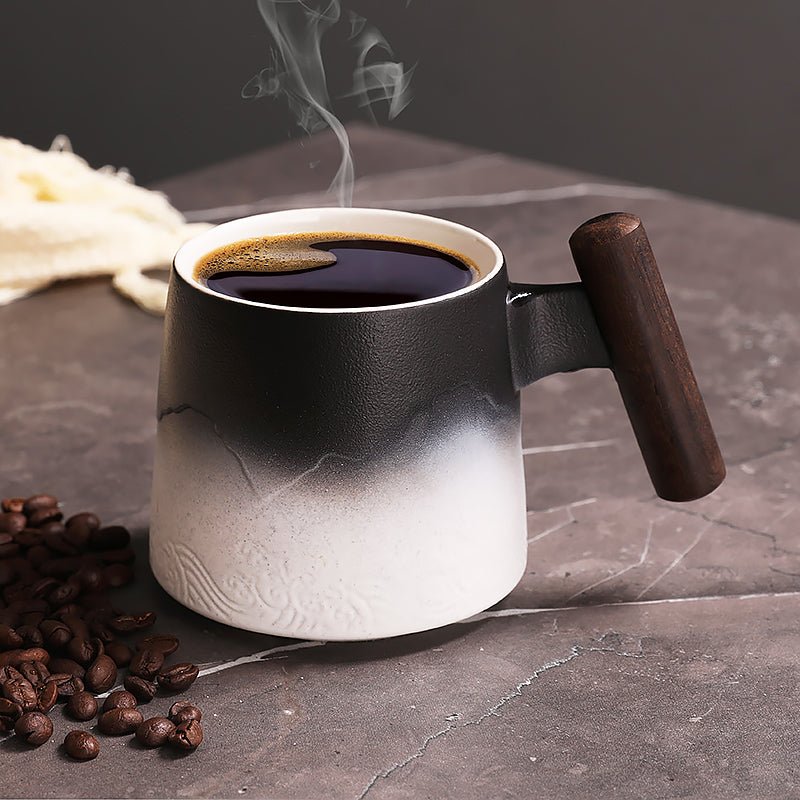
Sublimation Coffee Mugs: What Buyers Should Check Before Ordering
A practical buyer’s guide to sublimation coffee mugs, including material choices, print durability, care, and the trade-offs that matter before you buy. We cover what works best for gifting, office...
Read more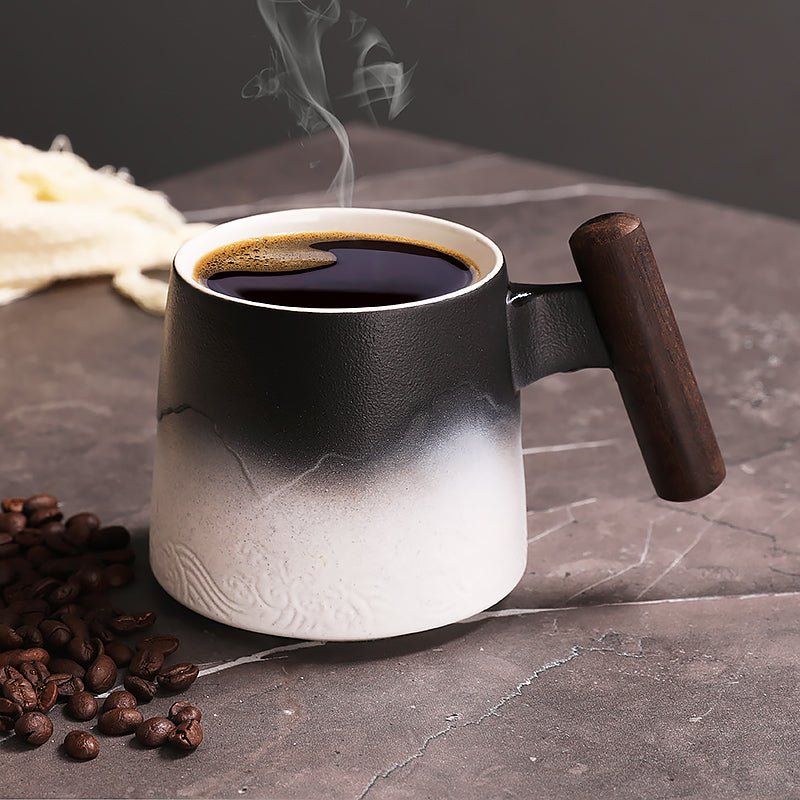
Peanuts Coffee Mugs: What Buyers Should Check Before Ordering
A practical guide to peanuts coffee mugs, with real buying trade-offs on size, material, care, and gift appeal. Use it to compare options before you order from CoffeifyMug.
Read more
Leave a comment
This site is protected by hCaptcha and the hCaptcha Privacy Policy and Terms of Service apply.