
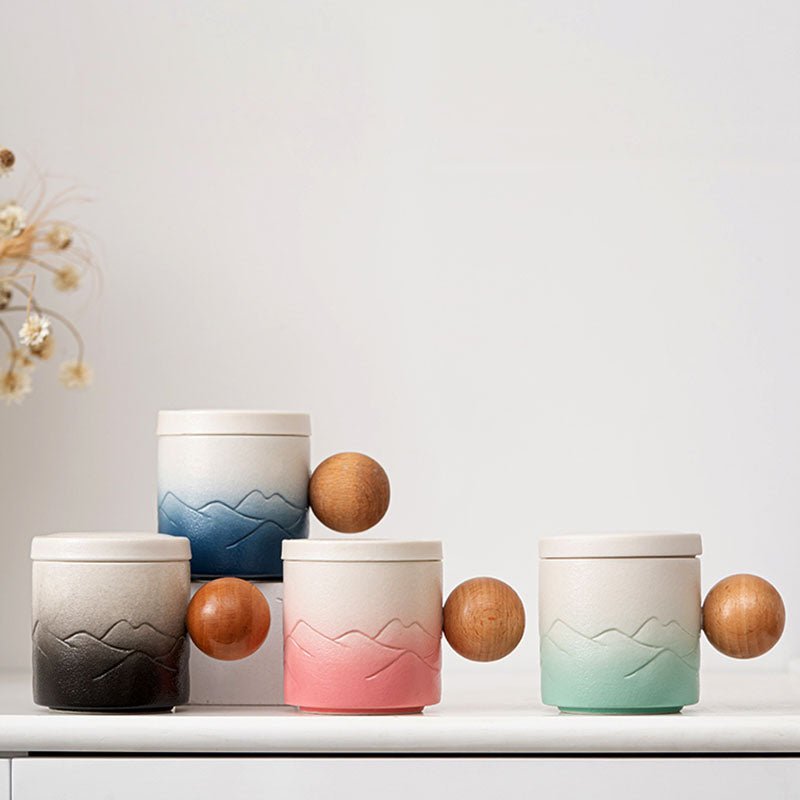
20oz Coffee Mugs: Size, Fit, and Buying Tips for Daily Use
Reading time: about 9 minutes
A 20oz mug changes the whole coffee routine. It holds more than a standard office mug, it feels fuller in the hand, and it asks a little more from your cabinet, your dishwasher rack, and your coffee maker. In our store, that is usually the first thing shoppers notice once they compare a true 20oz cup to smaller sizes.
If you want a mug that can handle a longer morning pour or a large tea service without constant refills, this size makes sense. If you want something light, compact, or easy to tuck under a low cabinet, it may be too much mug.
We see that trade-off every day when customers compare our larger pieces, like the Green Waves Coffee Tea Mug and the The Cloud Coffee Tea Mug with Wooden Handle, against smaller everyday cups. The size is not just about capacity. It changes how the mug works on a real countertop.
How big is a 20oz coffee mug in daily use?
A 20oz mug is the sort of cup that gives you a little margin. It is large enough for a generous drip coffee, a café-style latte, or tea with room for milk. In practical terms, it also means the mug itself is usually broader and heavier than a 12oz or 14oz option, especially once it is full.
That matters in real life. A mug that feels fine empty can feel bulky once you add hot liquid. If you have small hands, a long commute between the kitchen and desk, or a narrow mug shelf, the extra size can be annoying. On the other hand, if you hate second pours, 20oz starts to feel like the right amount of coverage.
For readers still comparing size tiers, our earlier guides on 10 oz coffee mugs and 12 ounce coffee mugs are useful reference points. Those smaller sizes are easier to store and lighter to carry. The 20oz category is for buyers who value capacity first.
Which type of 20oz mug works best for your setup?
Not every large mug behaves the same way. Shape, handle style, and material matter more once the cup gets this size. We usually narrow it down using three questions:
- Do you want a mug for desk use? A broad ceramic mug with a stable base is usually easier to live with on a work surface.
- Do you want a gift that feels more considered? A mug with a wooden handle or a distinctive glaze tends to feel less generic when opened.
- Do you care about cleanup speed? Smooth ceramic interiors are simpler to rinse, but decorative details may need a little more attention around the handle and rim.
One of the styles we often point shoppers to is Mountain Sea II Coffee Tea Mug with Wooden Handle. A wooden handle changes the feel immediately. It looks warmer on a kitchen shelf and gives the mug a more handcrafted look. The trade-off is simple: it is not the best choice for someone who wants the most carefree, toss-it-in-and-go routine.
In our experience, wooden-handle mugs are best for people who drink at home, at a desk, or in a calm office setting. They are not the right pick for someone who wants a rough, all-purpose travel mug or who plans to microwave the cup repeatedly without checking the handle materials first.
What should you check before buying one?
We look at a few details every time we inspect a mug for the store. They sound small, but they decide whether a mug feels solid or annoying after a week.
| What to check | Why it matters | What can go wrong |
|---|---|---|
| Rim finish | A smooth rim makes every sip more comfortable. | Rough glazing or a small chip can make a new mug feel flawed immediately. |
| Handle clearance | You need enough room for three or four fingers, not just two. | A handle that looks good online can feel cramped in person. |
| Base stability | A stable base helps a full mug sit securely on a desk or tray. | Top-heavy shapes tip more easily when full. |
| Surface and glaze | Glaze affects cleaning, appearance, and how fingerprints show up. | Some finishes hide marks better than others, but can also show tiny pinholes or variation. |
Those are the issues we check first because they are the ones shoppers actually notice. A chip on the rim, a handle that looks substantial but feels too narrow, or a body that feels unbalanced once filled will matter more than a product photo ever suggests.
If you want a broader comparison point before choosing a larger cup, our guides on 14 ounce coffee mugs and 16 ounce coffee mugs help frame the jump in size. That makes the move to 20oz easier to judge honestly instead of guessing from the number alone.
What are 20oz coffee mugs good for, and what are they not good for?
We sell large mugs because they solve a real problem: some people want one cup that lasts. That said, a 20oz mug is not the best answer for every routine.
Good for:
- Slow mornings with drip coffee, tea, or cocoa.
- Office desks where a second pour is annoying.
- Gift buyers who want something that feels substantial instead of basic.
- People who add milk, cream, or foam and still want a full cup.
Not good for:
- Small hands that struggle with oversized handles.
- Compact kitchens with shallow shelves or crowded mug trees.
- People who want a lightweight cup for quick movement around the house.
- Buyers who need a mug that fits a strict travel-lid or car-cup-holder setup.
The last point is especially important. A 20oz mug is a home mug first. It can be perfect at the desk or table and still be the wrong shape for moving coffee in and out of the car. That is not a flaw. It is just the job this size is built for.
How do you care for a 20oz mug so it lasts?
Simple care goes a long way. Most ceramic mugs hold up well when they are treated like kitchenware, not like something you can bang around in a sink full of utensils.
- Rinse the mug soon after use if you drink tea, cocoa, or anything with dairy. That keeps residue from setting into the glaze lines.
- Avoid slamming the mug onto stone counters or packed drying racks. The rim and handle connection are the spots most likely to show damage first.
- If your mug has a wooden handle, keep water from sitting on the wood for long periods and dry it by hand rather than leaving it soaking.
- Check the mug after dishwasher cycles for tiny glaze marks, especially around the base and handle joins, where stress tends to show up first.
We are careful about this because the common failure points are predictable. Rim chips, stress around the handle, and surface wear near the bottom usually show up before anything dramatic does. Good care does not make a mug indestructible, but it does help it stay presentable longer.
How does a 20oz mug compare with smaller daily-use sizes?
Size comparisons are the fastest way to avoid the wrong purchase. A 20oz mug is not automatically better than a 12oz or 16oz mug. It is simply different.
If you want a compact cup for one normal mug of coffee, smaller sizes are easier to live with. If you want a mug that doubles as a tea bowl, soup cup, or long-session desk mug, 20oz has the advantage. That is why we encourage shoppers to compare the mug they already use against the size they think they want.
Here is the simplest way to think about it:
- 12oz: lighter, more traditional, easier to store.
- 14oz: a middle-ground size that still feels manageable.
- 16oz: a solid everyday upgrade for people who want more room without going oversized.
- 20oz: the choice for bigger pours, longer use, and a more substantial feel in hand.
If you want to see how our wider selection looks in one place, browse the full collection and compare finishes, handle styles, and silhouettes side by side. That often makes the right size obvious faster than reading another specification sheet.
Can a 20oz mug work as a gift?
Yes, but only if the person actually uses large mugs. A 20oz cup makes a stronger gift when the buyer knows the recipient is a coffee-at-the-desk person, a tea drinker, or someone who keeps one mug on repeat all week. It feels generous. It also takes up more space in the cupboard, so it is not the best surprise gift for a minimalist kitchen.
The unboxing experience matters here too. A mug with an interesting glaze or a wooden handle reads as more intentional than a plain oversized cup. That is one reason shoppers often gravitate toward distinctive pieces like Green Waves Coffee Tea Mug or The Cloud Coffee Tea Mug with Wooden Handle when they want something personal without getting overly decorative.
For shoppers comparing gift-friendly mug sizes, our article on 12 oz coffee mugs is also useful. It shows the opposite approach: smaller, lighter, and easier to fit into almost any routine.
Frequently asked questions
How big is a 20oz coffee mug compared with a regular mug?
A 20oz mug is noticeably larger than a standard everyday mug and usually feels broader and heavier in hand. It is a better fit for big pours, long desk sessions, or tea drinkers who do not want constant refills. If you prefer a lighter cup, a 12oz to 16oz size is often easier to use every day.
Are 20oz coffee mugs good for hot drinks at the office?
Yes, especially if you keep the mug on your desk and drink slowly. The extra capacity reduces refills, which is useful during long work sessions. The trade-off is size: a full 20oz mug takes up more surface space and can feel bulky if you move around a lot.
Can I microwave a 20oz mug with a wooden handle?
We do not recommend assuming that every wooden-handle mug is microwave-safe. Wood and composite handle parts can react differently to heat, and the safest choice is to check the specific product guidance before microwaving. If microwave convenience is a priority, a simple ceramic mug is usually the better fit.
What should I look for so a large mug feels comfortable to hold?
Check the handle opening, the balance of the base, and the overall shape of the body. A good 20oz mug should still leave room for your fingers without forcing an awkward grip. It should also feel stable when full, because size alone is not the problem if the mug is well balanced.
Is a 20oz mug too big for tea?
Not if you like a long drink. Many tea drinkers appreciate the extra space, especially when adding milk or if they want to steep once and sip for a while. If you prefer a smaller, more concentrated cup, a mid-size mug may be a better match.
If you are deciding today, use this short checklist: check the handle fit, check the base stability, think about storage space, and decide whether you want a simple ceramic mug or a more distinctive style. If the answer is clearly “bigger cup, fewer refills,” start with the full collection and compare the larger mugs that match your routine.
Read more
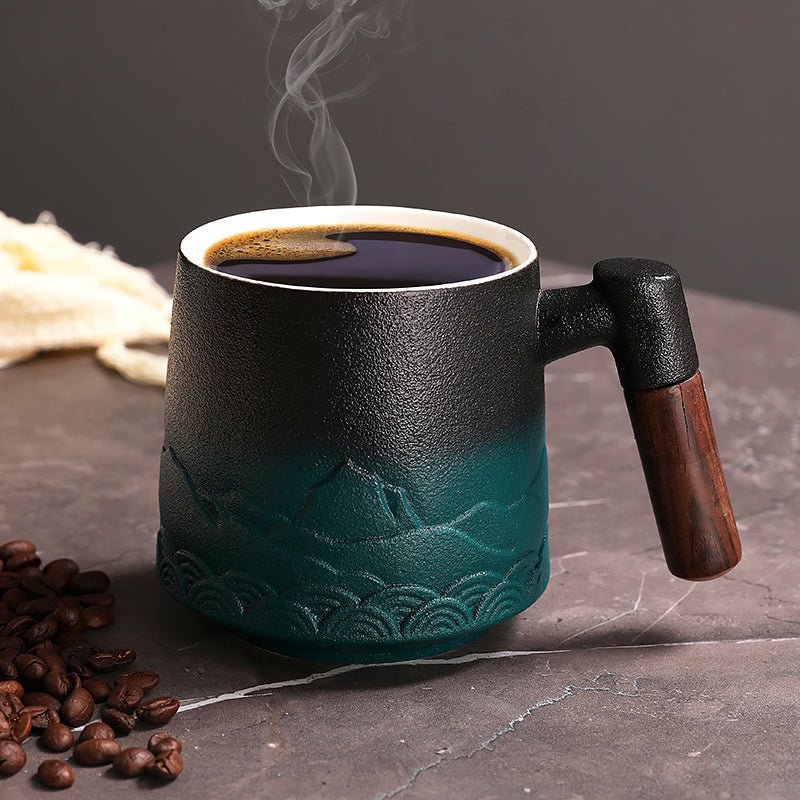
Mexican Coffee Mug Buying Guide: What to Check Before You Buy
A practical guide to choosing a mexican coffee mug that fits daily use, gifting, and kitchen storage. We cover size, handle comfort, materials, and the trade-offs to check before ordering.
Read more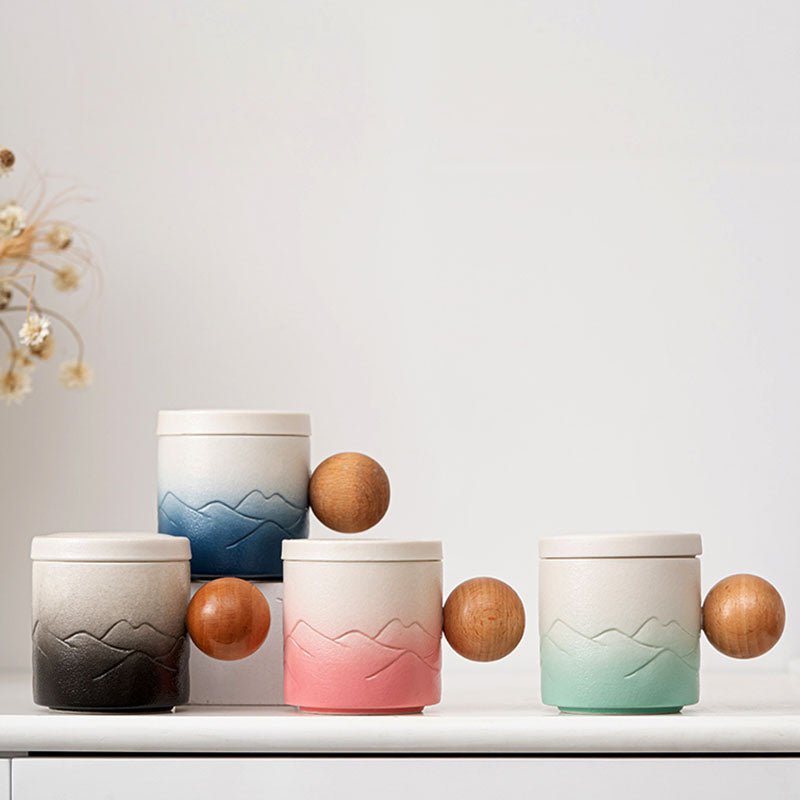
Coffee Mug for Sale: How to Choose the Right One for Daily Use
A practical guide to buying a coffee mug for sale that actually fits your routine, your drink size, and your dishwashing habits. Compare everyday shapes, finishes, and real trade-offs before you ch...
Read more
Leave a comment
This site is protected by hCaptcha and the hCaptcha Privacy Policy and Terms of Service apply.