
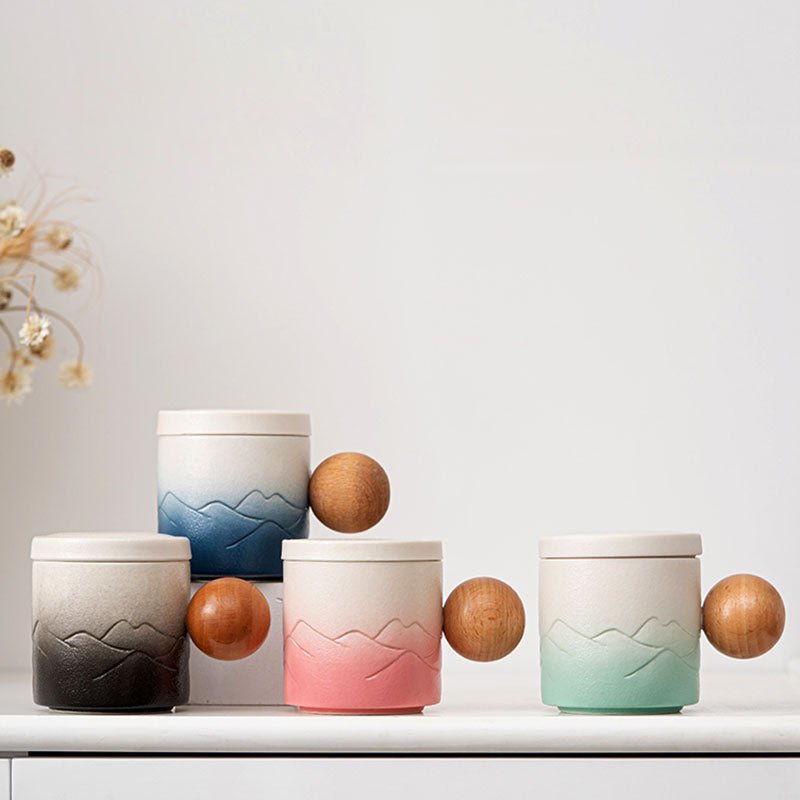
20 Ounce Ceramic Coffee Mug Buying Guide for Daily Use and Fit
Reading time: about 9 minutes
A filled 20 ounce ceramic coffee mug takes up real space on a desk. That extra capacity is useful before the first meeting, during a long work block, or when you want coffee and tea to stay in one cup instead of two. It also means the mug has more weight, more surface area, and more opportunity to chip if the rim or handle gets knocked against a sink or a shelf.
In our store, we see two kinds of buyers for this size. Some want a larger everyday cup that stays comfortable in the hand and looks good on a kitchen counter. Others are replacing smaller mugs that never quite held enough. A 20 ounce ceramic coffee mug sits in the middle: practical, sturdy, and better for table use than for travel. It is not a spill-proof cup, and it is not the right choice if you want something that lives in a car cup holder all day.
What does a 20 ounce ceramic coffee mug actually give you?
Twenty ounces is roughly 590 ml, or about 2.5 standard 8 ounce servings. That makes this size useful for drip coffee with room for cream, large tea pours, hot chocolate, or a bigger iced drink with some extra headroom. The ceramic body brings a familiar feel at the lip and does not add a metallic taste the way some stainless steel containers can.
The trade-off is simple. More capacity means more ceramic in your hand and more liquid to carry. A 20 ounce mug is usually less forgiving than a 12 ounce mug if you tend to move from kitchen to desk with one hand. It is also not the best fit for people who want a compact cup under a low machine spout or a smaller microwave turntable. If you need a cup that is easy to tuck into a crowded cabinet, size matters as much as design.
For buyers comparing capacity options, our related guides on 20 oz Ceramic Coffee Mug Buying Guide: Fit, Heat, and Care and Ceramic 20 oz Coffee Mug: What Buyers Should Check Before Buying cover the practical details we look at before recommending a larger mug.
Which shape works best for your hand and counter space?
Shape changes the buying decision more than most shoppers expect. A wider mug can feel stable and relaxed on a breakfast table, while a taller, straighter profile is often easier to store in a tight cabinet. Handle geometry matters too. If the handle is too small, your fingers press into the mug body. If it is too open, the mug can feel less secure when full.
Here is how we think about the common trade-offs when we handle this category in our store:
- Wider body: good for comfort and generous pours, but it usually needs more shelf space.
- Taller profile: easier to line up in a cabinet, but it can feel top-heavy when filled.
- Textured exterior: adds visual interest and grip, but can take a little more attention when wiping down.
- Smoother glaze: simple to clean and easy to match with other dishes, but less decorative on a gift table.
For an office desk, the safest choice is usually the mug that feels balanced when you lift it from the bottom half full. For a kitchen counter, design matters more because the mug stays visible. That is why a lot of our customers end up choosing based on the handle feel first and the artwork second.
How do our three 20 oz mugs compare?
If you want to see the full range before narrowing it down, start with our all collection. From there, these three pieces are the most direct 20 ounce ceramic coffee mug options to compare side by side.
| Mug | What stands out | Best fit | Trade-off |
|---|---|---|---|
| Pleated Coffee Tea Cup | Textured exterior with a more sculpted look | Buyers who want the mug to feel decorative on the counter or in a gift box | The surface detail gives it character, but it is less minimal than a plain mug |
| The Flow Coffee Tea Mug | Simpler silhouette and an easy everyday feel | Desk use, routine coffee, and buyers who want a clean look | Less visual texture if you want the mug itself to be a statement piece |
| Mountain Sea Coffee Tea Mug | More expressive design with a stronger giftable look | Anyone buying for presentation, housewarming, or a more distinctive kitchen shelf | More personality means it may not match every plain dish set |
We like this comparison because it reflects real buying behavior. The buyer who wants a calmer office mug usually chooses The Flow. The buyer looking for a more tactile piece tends to prefer Pleated. The buyer who wants a mug that looks like a gift on arrival usually leans toward Mountain Sea. None of them are wrong choices. They just solve different problems.
If you want a few more buying signals before choosing, the practical checklist in 20 oz Ceramic Coffee Mug Buying Guide: Fit, Heat, and Care is useful for comparing the mug you want against the way you actually drink coffee.
What should you check before you buy?
A 20 ounce ceramic coffee mug looks simple, but the small details decide whether it feels good every morning or just looks good in photos. We check the same things customers notice after unboxing, and the misses are usually the same ones: a rim that feels rough, a handle that is too tight, or a base that rocks on the counter.
- Rim finish: the lip should feel smooth against the mouth. A rough rim is a daily annoyance.
- Handle clearance: your fingers should fit comfortably without touching the hottest part of the mug.
- Base stability: the mug should sit flat. A slight wobble is a sign the foot ring or bottom is uneven.
- Glaze quality: look for an even finish on the body, handle, and bottom edge.
- Weight when full: ceramic is sturdy, but a bigger mug gets heavy once it is loaded with coffee or tea.
Common defect modes in this category are usually small but worth watching for. Rim chips often happen during storage or washing. Hairline cracks can start after thermal shock, like moving a very cold mug straight to boiling liquid. Glaze pinholes are cosmetic more than structural, but they still matter if you want a clean finish. None of these are reasons to panic, but they are the details that separate a mug you keep from one you set aside.
That is why we advise shoppers to look at the mug as a daily tool, not just a design object. A decorative ceramic mug that photographs well but feels awkward by the third sip is not a good buy.
How should you care for a large ceramic mug?
Ceramic holds up well in normal use, but most damage comes from handling, not from the coffee itself. If you want a larger mug to stay in rotation, the safest routine is basic and consistent.
- Rinse the mug after use so coffee or tea does not sit in the glaze overnight.
- Dry the base before stacking so moisture does not collect where the mug sits on a shelf.
- Avoid sudden temperature changes. A cold mug and boiling liquid are a bad combination for any ceramic piece.
- Do not use abrasive scrubbers on the glazed surface if you want the finish to stay even.
- Keep the mug away from hard knocks in the sink, especially near the rim and handle joint.
If your household uses a dishwasher, place the mug where it will not get banged by pans or metal utensils. If you prefer hand washing, that is often the gentlest path for preserving the look of the glaze over time. We have seen many mugs survive years of coffee and tea use while the first sign of wear is a tiny chip on the edge from one careless tap against a faucet or dish rack.
The biggest limitation of ceramic is also its biggest strength: it feels good on the table, but it is not built for the rough treatment that travel gear takes every day. If you want a lid, insulation, or a cup that can be tossed in a tote bag, this category is the wrong one.
Which option fits home, office, or gifting best?
If you are buying for yourself, think about the place the mug will live most often. That matters more than the photo. A desk mug needs comfort and stability. A kitchen mug needs to look good next to the kettle and still feel easy to grab half awake. A gift mug needs to open cleanly, feel substantial in the hand, and look intentional without extra explanation.
Our read on the three products is straightforward:
- Best for everyday desk use: The Flow Coffee Tea Mug, because it keeps the look simple and the use case direct.
- Best for a more decorative kitchen shelf: Pleated Coffee Tea Cup, because the texture gives the mug more presence.
- Best for gifting or a more distinctive presentation: Mountain Sea Coffee Tea Mug, because it feels chosen rather than generic.
What none of these mugs are best for is travel. If you need a cup that seals, fits in a car, or survives being dropped into a bag, you should buy a travel tumbler instead. A ceramic mug belongs on a table, in a kitchen, or on an office desk where it can do its job without being carried around all day.
Frequently asked questions
Is a 20 ounce ceramic coffee mug too big for everyday use?
Not if you regularly drink larger pours, tea, or coffee with milk and still want room left in the mug. It can feel oversized for espresso or small drip coffee, though, so smaller drinkers may prefer a 12 or 16 ounce option. The best test is whether you want one full mug or two smaller refills.
Will a 20 ounce ceramic coffee mug fit under my coffee machine?
Sometimes, but not always. The mug volume does not tell you the full story, because handle shape and overall height affect clearance. If your machine has a low brew head or tight platform, measure before you buy.
Is ceramic better than stainless steel for coffee taste?
Ceramic is a strong choice if you want a neutral-tasting mug for drinking at the table. Stainless steel is better for insulation and travel, but some buyers prefer ceramic because it feels calmer and more natural for daily use at home or in the office.
What usually damages a ceramic mug first?
The rim and handle are the first places we see wear. Chips usually come from hard contact with sinks, counters, or stacked dishes, and hairline cracks often start after a mug gets exposed to sudden heat changes. Gentle handling matters more than fancy care products.
What is the safest way to clean a large ceramic mug?
Use a normal wash routine and avoid abrasive pads on the glaze. If the mug has coffee stains, soak it before scrubbing so you do not grind grit into the finish. Drying it before stacking also helps prevent scuffs on the base and rim.
If you want to compare shapes, handles, and visual styles side by side, start with our all collection and compare the three 20 ounce options against the way you actually drink coffee at home or at work.
Read more
Turkish Coffee Mug Buyer’s Guide: Size, Style, and Best Use Cases
A practical guide to choosing a Turkish coffee mug that fits your routine, your pour size, and your serving style. We cover sizing, materials, handle comfort, care, and when a different mug style i...
Read moreTurkish Coffee Mug Buyer’s Guide: Size, Style, and Best Use Cases
A practical guide to choosing a Turkish coffee mug that fits your routine, your pour size, and your serving style. We cover sizing, materials, handle comfort, care, and when a different mug style i...
Read more
Leave a comment
This site is protected by hCaptcha and the hCaptcha Privacy Policy and Terms of Service apply.