
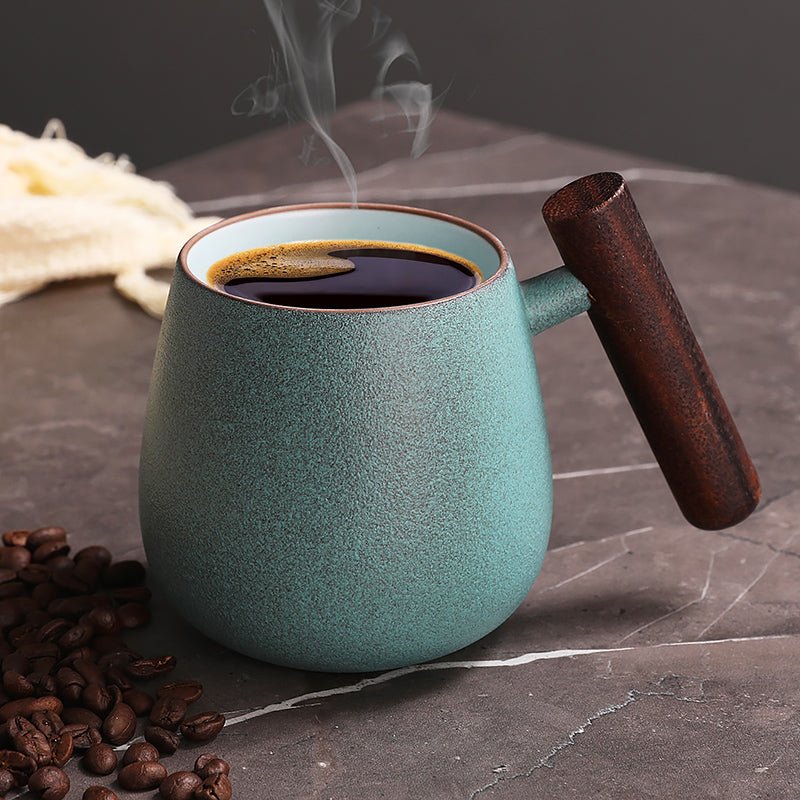
Standard Coffee Mug Size Oz: What Buyers Should Know Before Ordering
Reading time: about 10 minutes
A mug can look “normal” on a product page and still feel completely different once it lands on your kitchen counter. We see this all the time: one shopper wants a daily 8 oz coffee cup, another needs a bigger mug for lattes, and a third just wants something that fits under the office machine without splashing coffee onto the desk.
If you’re trying to pin down standard coffee mug size oz, the short answer is that many everyday mugs sit around 8 to 12 oz, with 11 to 12 oz being a very common practical standard for home use. But the useful answer depends on how you drink, how hot you like your coffee, and how much room you want left in the cup.
At CoffeifyMug, we handle mugs every day, so we pay attention to the details buyers actually notice: wall thickness, handle comfort, rim shape, and whether a mug feels balanced when full. Those details matter as much as the ounce number.
What does “standard coffee mug size oz” usually mean?
There is no single universal standard written into every kitchen. In practice, “standard” usually means the size most people expect for a daily coffee cup: enough capacity for a normal pour without making the mug bulky or awkward. For many shoppers, that lands in the 8 oz to 12 oz range.
Here is how those sizes tend to behave in real use:
- 8 oz: feels compact, good for small drip coffee, strong espresso-based drinks, or smaller tea servings.
- 10 oz: a nice middle ground for regular black coffee or an Americano.
- 11 to 12 oz: the most familiar everyday size for many households; roomy without feeling oversized.
- 14 oz and up: better for large pours, milk-heavy drinks, or people who want more room for cream.
One thing buyers often miss: the listed capacity is usually to the brim, not the amount you want to pour. A mug advertised as 12 oz may realistically hold 10 to 11 oz comfortably if you want to avoid sloshing on the way from the kitchen to the couch.
How many ounces should a coffee mug hold for daily use?
For most daily routines, we recommend looking at 11 to 12 oz first. That range gives you enough room for a standard pour of drip coffee, some milk, or a little extra headspace so the coffee does not splash when you move around the house or carry it to a desk.
That said, the right size changes by habit:
- Black coffee drinkers often do fine with 8 to 10 oz.
- Latte and cappuccino drinkers usually want 12 oz or more.
- Tea drinkers may prefer a slightly smaller cup if they want the drink to stay hot.
- Office users often choose 10 to 12 oz because it is easier to handle around keyboards and notebooks.
We see fewer returns when shoppers choose based on how much they actually pour, not just what sounds “standard.” A mug that is too large can make a modest coffee look underfilled. A mug that is too small can feel finicky when you want milk, foam, or a second splash of cream.
Why does mug shape matter as much as the ounce count?
Capacity tells only part of the story. Two mugs can both be listed at 12 oz and still feel very different in hand. A wide mug spreads the drink out, which can cool coffee faster. A taller mug can feel more compact and hold heat a bit better. A thick-walled ceramic mug may feel sturdier, while a thinner one can feel lighter but more delicate.
We look at a few practical details in our store because buyers notice them after the first day of use:
- Rim diameter: a wider opening is easier to sip from but can cool the drink faster.
- Handle clearance: a small handle can be uncomfortable if you have larger fingers or like to grip the mug with two fingers through the loop.
- Base stability: a wider base is better on a crowded desk or near a sink edge.
- Wall thickness: thicker ceramic usually feels more substantial and can help with heat retention, but it also adds weight.
This is why a mug’s ounce size should be read alongside its actual dimensions. A 10 oz mug with a broad bowl may feel larger than a 12 oz mug with straighter sides.
Which size works best for coffee, tea, and espresso drinks?
If you are comparing mug sizes for different drinks, start with the drink you make most often. That usually solves the decision faster than comparing ounce numbers alone.
| Drink type | Practical size | Why it works |
|---|---|---|
| Black coffee | 8 to 10 oz | Fits a smaller pour without excess empty space |
| Drip coffee with cream | 10 to 12 oz | Leaves room for milk or a small top-up |
| Latte or cappuccino | 12 oz or more | Better for foam and added milk |
| Tea | 8 to 12 oz | Smaller sizes help drinks stay hot longer |
| Espresso-based drinks | 6 to 8 oz | Works better for concentrated servings |
If you mostly drink specialty coffee at home, a mug that is too large can make the drink lose its intended ratio. If you are a tea drinker, a very large mug is not always a win either; the tea can cool down before you finish it. That is one of the biggest trade-offs we talk shoppers through.
What should you watch for before buying a mug online?
Photos can hide sizing problems. A mug may look sturdy and manageable on screen, then arrive larger, heavier, or shallower than expected. Our team recommends checking a few concrete details before ordering.
- Look for the capacity in ounces, not just the words “standard” or “everyday.”
- Check whether the listed capacity is usable volume or brim-full capacity. Many mugs are measured to the top edge.
- Read the dimensions: height, top diameter, and base width help you judge real scale.
- Confirm the care instructions. Ceramic mugs are often dishwasher safe, but decorative finishes or metallic accents may need hand washing.
- Think about storage. Taller mugs may not fit under low cabinets or some coffee machines.
We also advise looking for signs that matter in everyday use: a smooth rim, a handle that is attached cleanly without rough seams, and a glaze finish that looks even rather than patchy. Those are not flashy details, but they affect how the mug feels after a week of washing and drying.
Which CoffeifyMug styles make sense if you want a standard everyday size?
If you are choosing a mug for daily use, it helps to compare shape as much as size. Our Retro Coffee Tea Cup is a good fit for shoppers who want a classic, compact feel without a bulky profile. If you prefer a hand-feel that is a little more distinctive and easy to grip, the Ball Handled Coffee Tea Mug stands out for its handle shape. For buyers who like a more decorative silhouette, the Pleated Coffee Tea Cup gives you a different look while still serving as an everyday mug.
If you want to browse everything in one place, our full collection is the easiest way to compare styles side by side.
In our experience, shoppers often choose the wrong mug because they buy for the photo instead of the routine. A mug that looks great for a shelf display may not be the one you want for a dishwasher cycle every morning or a quick pour before leaving for work.
What are the trade-offs between small, medium, and large mugs?
There is no perfect mug size for every person. Each range solves one problem and creates another.
- Small mugs keep drinks warm and feel elegant, but they are not ideal if you like lots of cream, foam, or refill-free coffee.
- Medium mugs are the safest all-purpose choice, but they can feel generic if you want something more expressive.
- Large mugs work well for long desk sessions or milk drinks, but they can be heavy when full and may not fit compact storage spaces.
Another limitation to keep in mind: the right mug size for the kitchen may not be the right mug size for travel. If you need a cup for the car or a commuting bag, a standard ceramic mug is usually not the best choice. A lidded travel mug is better for that job.
We also tell shoppers not to overestimate how much they will actually use an oversized mug. A very large cup can make a normal serving look small and can cool down sooner simply because there is more surface area exposed.
How do you measure a mug size at home?
If you already own a mug and want to compare it to a product listing, a simple kitchen measuring cup works fine. Fill the mug with water to the level you would normally drink from, then pour the water into a measuring cup. That gives you a practical sense of real capacity, not just the brim-full number.
Here is a straightforward way to do it:
- Fill the mug the way you actually drink from it, leaving a little headspace.
- Pour the water into a measuring cup with ounce markings.
- Check the number and compare it to the product listing.
- Repeat with another mug if you are deciding between sizes.
This method is especially useful if you are shopping for a replacement mug and want the new one to feel familiar on the first morning. It also helps if you are buying a gift and need to estimate whether the mug will suit someone who drinks a small coffee or a larger pour.
Frequently asked questions
How many oz is a standard coffee mug?
Most everyday coffee mugs fall around 8 to 12 oz, with 11 to 12 oz being a very common practical size for home use. If you want a smaller, warmer drink, 8 to 10 oz is often better. If you add milk or cream, 12 oz usually gives you more breathing room.
Is 8 oz too small for a coffee mug?
Not at all, but it depends on how you drink coffee. An 8 oz mug works well for a smaller black coffee, tea, or espresso-based drinks. It can feel too small if you like large drip pours, milk drinks, or extra room for cream.
Is 12 oz considered a standard mug size?
Yes, 12 oz is one of the most common everyday mug sizes shoppers expect to see. It is a practical middle ground for home kitchens and office desks. Just remember that some 12 oz mugs are measured to the brim, so the comfortable fill level may be a little lower.
What size mug is best for lattes?
For lattes, 12 oz or larger usually makes more sense because you need room for milk and foam. A smaller mug can feel crowded and may make the drink spill easier. If you like a fuller cup, a larger ceramic mug is the safer pick.
Do ceramic mugs hold the listed ounces exactly?
Not always. The printed size is often a nominal capacity, and the actual usable amount can be slightly lower depending on the mug shape and how much headspace you leave. That is why we recommend checking both the ounce listing and the dimensions before you buy.
What should you choose if you want the safest all-purpose size?
If you want one mug that fits most daily coffee habits, start with 11 to 12 oz. It is the most forgiving size for standard coffee, gives you room for milk or cream, and still feels manageable in the hand. If you know you drink smaller servings, move down to 8 or 10 oz. If you make milk-heavy drinks or want a bigger pour, go larger.
Before you order, use this quick checklist:
- Check the oz capacity and whether it is brim-full or usable fill.
- Look at the dimensions, especially height and base width.
- Confirm the care instructions for dishwasher or hand washing.
- Decide whether you want a mug that feels compact, balanced, or roomy.
- Match the mug to your real routine, not just the look.
If you are still comparing styles, start with our full mug collection, then narrow it down by shape and capacity. If you want more help choosing, our guides on Coffee Mug Oz Guide: How to Choose the Right Size and How Many Oz Is a Standard Coffee Mug? are a useful next read before you buy.
More from our blog
Read more

Coffee Mug Wall Hangers: How to Choose a Secure, Space-Saving Option
Coffee mug wall hangers can free up cabinet space, but the right choice depends on mug shape, mounting surface, and how often you actually reach for each cup. We break down what holds securely, wha...
Read more
What Are Coffee Mugs Made Of? Materials Buyers Should Compare
Coffee mugs are usually made from ceramic, porcelain, stoneware, glass, stainless steel, or insulated materials, and each one behaves differently on a desk, in the dishwasher, and in daily use. We ...
Read more
Los kommentaar
This site is protected by hCaptcha and the hCaptcha Privacy Policy and Terms of Service apply.