
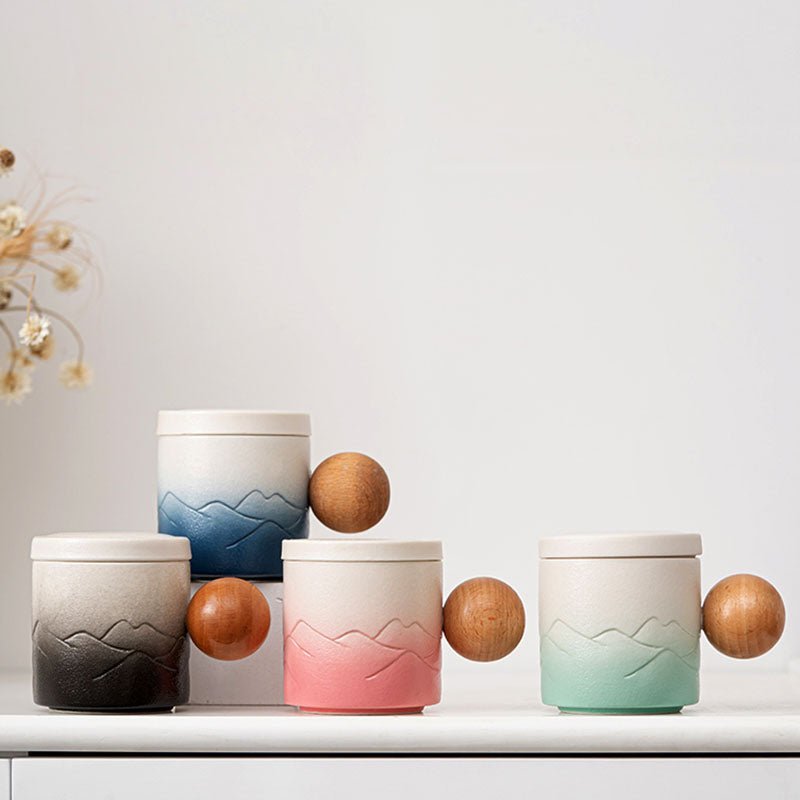
Macchiato Cup Comparison: 170 ml, 200 ml, or 250 ml?
Reading time: about 8 minutes
At our packing bench, the question is rarely just, "Which cup looks best?" Shoppers usually picture a specific pour: a short espresso macchiato with a cap of foam, a milkier coffee made at home, or a cup that has to survive a busy desk without feeling oversized. This macchiato cup comparison focuses on the practical difference between three compact ceramic options: 170 ml, 200 ml, and 250 ml.
Listed capacity matters, but it is not the same as a fill line. A cup filled to its brim is harder to carry, leaves no space for crema or foam, and can make a fresh pour feel less controlled. We recommend choosing for the drink you make most often, then allowing enough headroom for the way you move from machine to counter, table, or office desk.
Macchiato cup comparison: how much headroom do 170 ml, 200 ml, and 250 ml leave?
An espresso macchiato is commonly built around a short espresso and a small amount of milk or foam, but there is no single universal recipe. Some home brewers use a 25 to 40 ml espresso base and a restrained foam cap; others pour more milk and still use the same name. That is why cup capacity is best treated as room for your own recipe rather than a rule about what a macchiato must be.
| Current option | Listed capacity | Best practical fit | Main limitation |
|---|---|---|---|
| Retro Coffee Tea Cup | 170 ml | Short espresso drinks with generous visual space around the pour | Less room for a deliberately milk-heavy drink |
| Pleated Coffee Tea Cup | 200 ml | A middle ground for espresso, foam, and a modest milk addition | Still compact for iced drinks or large coffee recipes |
| Ball Handled Coffee Tea Mug | 250 ml | More forgiving headroom for milkier coffee and tea | Can feel spacious around a very short traditional pour |
In our experience, these are the useful capacity distinctions:
- 170 ml: keeps the experience compact and gives a short drink enough breathing room without turning it into a large mug service.
- 200 ml: adds a little flexibility for foam and milk while remaining firmly in compact-cup territory.
- 250 ml: gives the least stressful carry from kitchen counter to sofa or desk when your recipe varies from day to day.
None of these sizes is designed around a large iced coffee. Ice cubes consume a surprising amount of volume, and a 250 ml cup can become crowded quickly once you add ice, coffee, milk, and room to stir. Choose a larger vessel for that job instead of forcing a compact cup to do it.
Which cup fits a short espresso macchiato versus a milkier home pour?
Start with the beverage, not the label. If your normal drink is a short espresso with a dollop of foam, extra capacity is mostly headroom and visual proportion. If you make a small milk coffee with more than a spoonful of foam, capacity becomes functional: it gives you room to pour without stopping too close to the rim.
A 170 ml cup is not automatically "too big" for espresso, and a 250 ml cup is not automatically a latte cup. The listed capacity simply changes the margin around the drink. A compact cup can be a good choice for a tea drinker, too, as long as the person prefers smaller servings and accepts that frequent refills may be part of the routine. For a closer size-by-size breakdown, see our macchiato cup capacity guide for 170 ml, 200 ml, and 250 ml.
Is the 170 ml Retro Coffee Tea Cup right for short, deliberate coffee?
The 170 ml Retro Coffee Tea Cup is the strongest match for the shopper who makes compact espresso-based drinks and does not want a lot of unused ceramic around the pour. Its visible retro form suits a coffee station where you want the cup itself to feel intentional, even for a brief morning drink. It also makes sense for someone who prefers to make a second fresh coffee instead of one larger serving.
The trade-off is straightforward. At 170 ml, it is not the forgiving option for a milk-forward recipe, a large amount of foam, or a drink you want to carry full across a crowded office. Choose this one for a short routine and use the product page as your next step if that compact proportion is the goal.
Does the 200 ml Pleated Coffee Tea Cup offer the most flexible middle size?
The 200 ml Pleated Coffee Tea Cup is the practical middle choice. Its 200 ml capacity gives a bit more room for a milkier macchiato, a fuller foam cap, or a tea serving without moving into large-mug territory. The pleated visible form also gives it a more detailed look than a plain rounded cup, which can matter for buyers choosing a cup that will stay out on an open shelf.
We would point a mixed-household buyer here when one person drinks espresso and another takes coffee with a little more milk. It is not the best choice for people who routinely make large tea, iced coffee, or long coffee drinks. For those uses, a larger format will be less frustrating than repeatedly filling a compact cup to the edge.
Who should choose the 250 ml Ball Handled Coffee Tea Mug?
The 250 ml Ball Handled Coffee Tea Mug is the most accommodating current option for someone who wants compact scale but more breathing room. The 250 ml capacity is useful for a milkier home coffee, a fuller tea pour, or a drink that will sit beside a keyboard while you work. Its ball handle is a visible design feature, so it is also a sensible gift choice for a recipient who notices object shape and handle detail.
That added room is not always an advantage. A very short espresso macchiato can look visually small inside a 250 ml vessel, and shoppers who want a tight cafe-style presentation may prefer the 170 ml Retro cup. Select the Ball Handled option for flexibility and headroom, not because it is assumed to improve every espresso drink.
What should ceramic cup buyers check before daily use and gifting?
Capacity and form are the catalog facts that should drive this comparison, but handling habits decide how a ceramic cup holds up in a real kitchen. We handle this category as ceramic drinkware, and our conservative care advice is simple: avoid abrupt temperature changes, use a soft non-abrasive sponge for routine cleaning, and do not knock the rim or handle against a hard sink edge. Thermal shock and impact are more realistic concerns than a cup being used for the wrong coffee recipe.
Before a dishwasher cycle or microwave use, check the current product-page care information for the exact cup rather than assuming that every ceramic item has identical instructions. At unboxing, inspect the rim, foot, handle attachment, and glaze surface before the cup enters regular rotation. A hairline crack, chip, or rough edge is worth addressing before it becomes part of a daily coffee routine.
For gifting, match the cup to the recipient's actual drink habit. A person with a countertop espresso machine and a preference for short pours may appreciate the Retro form more than extra capacity. Someone who drinks tea or makes milkier coffee at an office desk is more likely to use the 250 ml option. Shoppers comparing broader shapes can also use our ceramic mug buyers overview alongside this capacity-focused article.
Which current CoffeifyMug option should you put in your cart?
Use this short decision check before choosing:
- Choose the 170 ml Retro if your everyday drink is short, espresso-led, and you prefer a compact visual proportion.
- Choose the 200 ml Pleated if you want one cup that can handle a small espresso drink or a modestly milkier pour with more room at the top.
- Choose the 250 ml Ball Handled if tea, milkier coffee, and less crowded carrying headroom matter more than a tight espresso presentation.
- Browse the unique coffee mugs collection if you want to compare these compact styles with other visible forms before deciding.
Frequently asked questions
Which size wins this macchiato cup comparison for everyday use?
The 200 ml Pleated Coffee Tea Cup is the middle option for shoppers whose drink changes between a short espresso macchiato and a slightly milkier coffee. Choose 170 ml for a more compact routine, or 250 ml when headroom and tea use are more important. The best size is the one that lets you avoid filling close to the rim.
Is a 170 ml cup too large for an espresso macchiato?
No. A traditional short espresso macchiato uses far less than 170 ml, but the unused space can be useful for crema, foam, and safe carrying. It is a poor fit only if you want the vessel to look tightly filled around a very small pour.
Can I use these compact cups for iced coffee?
They can hold an iced drink, but 170 ml, 200 ml, and 250 ml capacities are limiting once ice is added. The 250 ml Ball Handled Coffee Tea Mug gives the most room of the three, but a larger cup is the better choice for substantial ice, milk, and coffee in one serving.
How should I care for a ceramic macchiato cup?
Let the cup adjust gradually between very cold and very hot conditions, clean it with a soft sponge, and avoid hard contact with sink edges or stacked dishes. Check the current product listing for any item-specific dishwasher or microwave guidance before using those appliances.
Pick your usual drink, decide how much space you want above the pour, and then compare the three current capacities. Start with the 170 ml Retro for short espresso service, the 200 ml Pleated for a balanced household option, or the 250 ml Ball Handled cup for the most flexible compact routine.
More from our blog
Read more
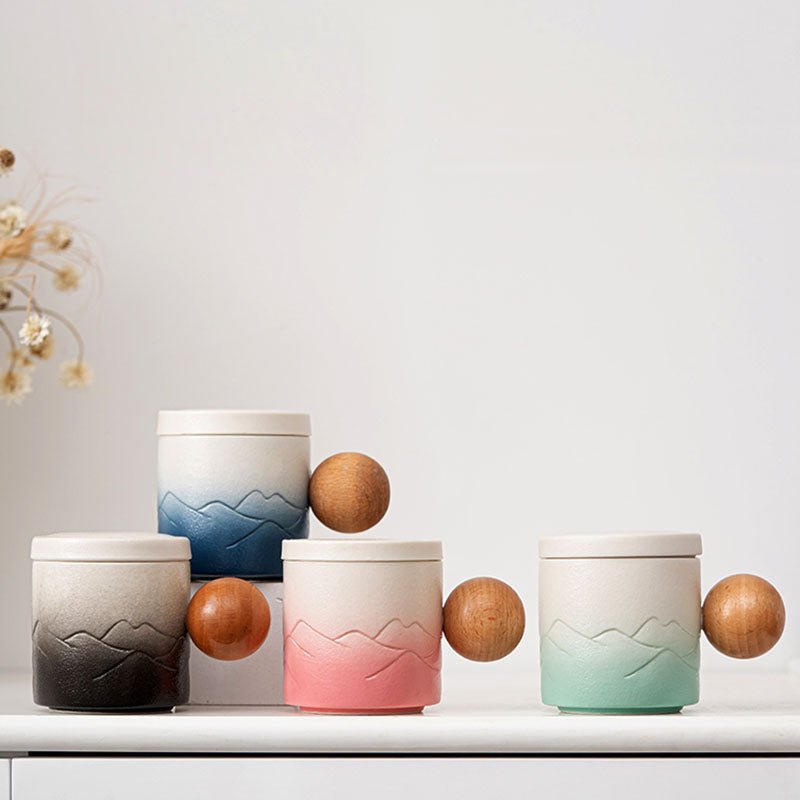
Flat White Cup Comparison: 200 ml, 250 ml, or 270 ml?
Compare the current 200 ml Pleated, 250 ml Ball Handled, and 270 ml Emerald options by the routine they suit best. This practical comparison focuses on listed capacity, possible headroom, desk use,...
Read more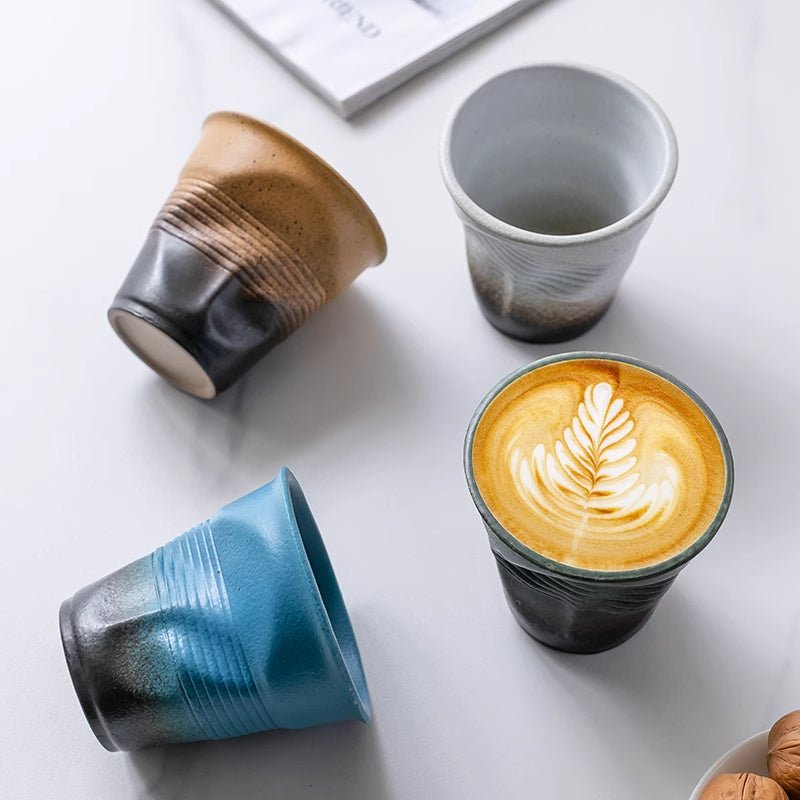
Cappuccino Coffee Mug Comparison: 170, 200, or 270 ml?
Compare CoffeifyMug's current 170 ml Retro, 200 ml Pleated, and 270 ml Emerald options by the daily serving volume you actually want. See the practical trade-offs for smaller pours, middle-range ro...
Read more
Los kommentaar
This site is protected by hCaptcha and the hCaptcha Privacy Policy and Terms of Service apply.