
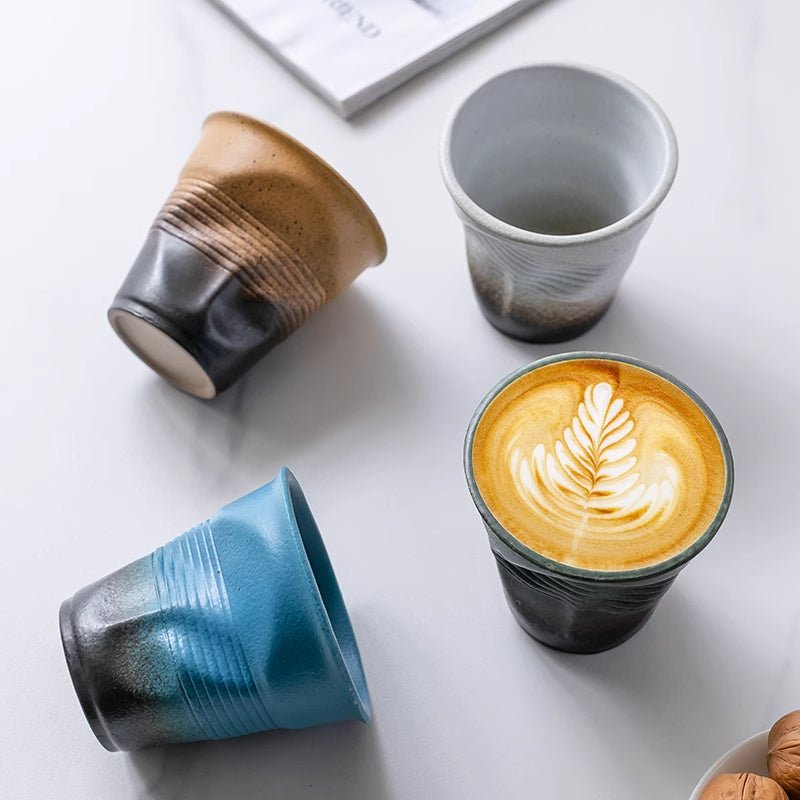
Cappuccino Coffee Mug Comparison: 170, 200, or 270 ml?
Reading time: about 7 minutes
A cup can look like the right size on a product page and still feel wrong at 8 a.m. A smaller option may suit a modest coffee routine but leave no room for the larger pour you make on weekends. A roomier mug can be more flexible, yet it may feel like unnecessary capacity if you prefer a compact serving. This cappuccino coffee mug comparison focuses on the listed volumes of CoffeifyMug's current small-milk-coffee cup options so you can choose with that everyday reality in mind.
We are comparing capacity only: Retro at 170 ml, Pleated at 200 ml, and Emerald at 270 ml. Those figures do not establish material, exterior dimensions, heat retention, foam results, dishwasher suitability, microwave suitability, or barista use. Treat the comparison as a volume decision, then use each live product page to review its current details before ordering.
Cappuccino coffee mug comparison: which listed capacity matches your pour?
At CoffeifyMug, we put the listed capacity first because it is the clearest difference between these three options. The jump from Retro to Pleated is 30 ml. The jump from Pleated to Emerald is 70 ml. Across the smallest and largest options, the difference is 100 ml, which is meaningful when your usual coffee amount stays fairly consistent.
| Current option | Listed capacity | Best starting point for | Capacity trade-off |
|---|---|---|---|
| Retro | 170 ml | A deliberately smaller daily serving | Least room if your pour tends to run larger |
| Pleated | 200 ml | A middle-size routine | Only 30 ml more than Retro |
| Emerald | 270 ml | A roomier everyday serving | 100 ml more capacity than Retro |
Capacity is not a recipe or a fill line. It is also not proof that one cup will handle a particular drink better than another. The useful question is simpler: how much coffee and milk do you normally want in the cup before you take the first sip?
Is the 170 ml Retro Coffee & Tea Cup right for a smaller routine?
The Retro Coffee & Tea Cup is the 170 ml choice in this comparison. It is the logical starting point for a buyer who prefers a smaller serving, makes a compact coffee as part of a morning routine, or wants the cup volume to keep the drink modest by default. In our store, this is often the point at which shoppers decide they do not need extra capacity simply because it is available.
The trade-off is direct: 170 ml is the smallest listed option. It is not the best match for someone whose normal pour already approaches a larger cup volume, who likes a generous amount of milk in the same serving, or who dislikes making a second drink later in the day. If a smaller serving is your priority, open the Retro product page next and check the current listing details that matter to you beyond volume.
Why choose the 200 ml Pleated Coffee & Tea Cup?
The Pleated Coffee & Tea Cup lists a 200 ml capacity, placing it between the other two options. Its main case is not that it is universally better; it is that 200 ml may be closer to the serving you already make. For a home kitchen routine that feels slightly restricted by 170 ml but does not call for 270 ml, this is the middle position.
Keep the 30 ml difference in perspective. A buyer moving from Retro to Pleated is choosing a measured increase, not a major shift in capacity. That makes Pleated a sensible option for someone who wants a little more room without moving to the roomiest current choice. It is not a good choice merely because it sounds like a compromise: if you consistently want the largest serving in this group, Emerald is the clearer capacity match.
When does the 270 ml Emerald Coffee & Tea Mug make more sense?
The Emerald Coffee & Tea Mug has the largest listed capacity at 270 ml. Choose it when your usual coffee routine calls for the most room among these three options, such as a more generous morning drink, a slower office-desk coffee, or a household where one person reliably asks for the bigger cup.
Emerald adds 70 ml compared with Pleated and 100 ml compared with Retro. That is the practical reason to choose it. It is not automatically the right answer for every cappuccino search, and it is not the best fit for a buyer trying to keep serving volume small. Capacity alone also cannot tell you how it will sit on a shelf, fit under a machine, feel in the hand, or behave during a dishwasher cycle. Confirm those current product-specific details before making capacity the only deciding factor.
If none of the three volumes reflects your routine, compare the wider unique coffee mugs collection rather than forcing a near-match. A mug used daily should match your normal pour more often than it asks you to change it.
What does capacity tell you about kitchen counters, office desks, and gifts?
Capacity tells you exactly how much volume is listed. It does not tell you a mug's height, diameter, handle clearance, empty weight, material, or care instructions. That distinction matters in real use. A 270 ml mug is not necessarily wider or taller than a 200 ml mug, and a smaller-capacity cup is not automatically easier to store. Do not infer physical dimensions from milliliters alone.
For an office desk, start with the amount you want beside your laptop rather than assuming the biggest option is more practical. For kitchen counters, think about the serving you make repeatedly rather than the occasional oversized drink. For gift unboxings, a stated capacity gives the recipient a clear idea of the intended volume range, but their preference for a small or roomier drink still matters more than a general coffee label.
Care needs deserve a separate check. If your normal routine includes dishwasher cycles, do not treat any capacity listed here as a dishwasher-safety claim. Follow the care guidance provided on the current product listing or supplied with the item. The same caution applies to microwave use and material assumptions. A shopper searching for a cappuccino cup ceramic may care about those details, but this capacity comparison does not verify them for these current options.
How can you make a fast choice without guessing?
From the product-selection questions we receive at CoffeifyMug, the best decisions usually come from comparing one normal serving, not an idealized coffee-shop drink. Use this short checklist before opening the product pages:
- Choose Retro at 170 ml if your priority is the smallest listed volume and a compact everyday serving.
- Choose Pleated at 200 ml if 170 ml feels slightly limited but a 270 ml option sounds larger than your usual drink.
- Choose Emerald at 270 ml if you want the roomiest listed option for your routine.
- Check current listing information if material, dimensions, care, or appliance compatibility will determine the purchase.
- Choose outside this set if your normal drink volume does not align with 170, 200, or 270 ml.
For a closer size-only discussion, see our 170, 200, and 270 ml cappuccino coffee mug capacity guide. If your decision is more about the overall cup profile than serving volume, our ceramic mug buyers overview covers routine-based shape considerations separately.
Frequently asked questions
Which size wins this cappuccino coffee mug comparison for a smaller serving?
Retro is the smallest current option at 170 ml, so it is the clearest choice for a deliberately smaller serving. That recommendation is based on listed capacity only. It does not mean Retro is designed, tested, or certified for a particular cappuccino preparation.
Is the 200 ml Pleated Coffee & Tea Cup much larger than Retro?
Pleated is listed at 200 ml, which is 30 ml more than the 170 ml Retro option. That is a modest increase in capacity. It does not confirm a difference in exterior height, width, material, or care requirements.
Should I choose the 270 ml Emerald Coffee & Tea Mug for a larger coffee?
Emerald is the largest option in this group at 270 ml, with 70 ml more listed capacity than Pleated and 100 ml more than Retro. It suits a buyer who normally wants the most room among these three choices. It is not the best option for a routine built around small servings.
What coffee cup for cappuccino should I choose if I need dishwasher-safe care?
Capacity does not establish dishwasher safety, so this comparison cannot identify one of these options as dishwasher-safe. Review the live product page and the item's supplied care guidance before buying for dishwasher use. The same approach applies if microwave compatibility is a requirement.
Start with the volume you actually pour, then open the matching Retro, Pleated, or Emerald listing to verify the details that capacity cannot answer. If your routine falls outside those three sizes, continue with the unique coffee mugs collection and compare the current options by the same checklist.
More from our blog
Read more
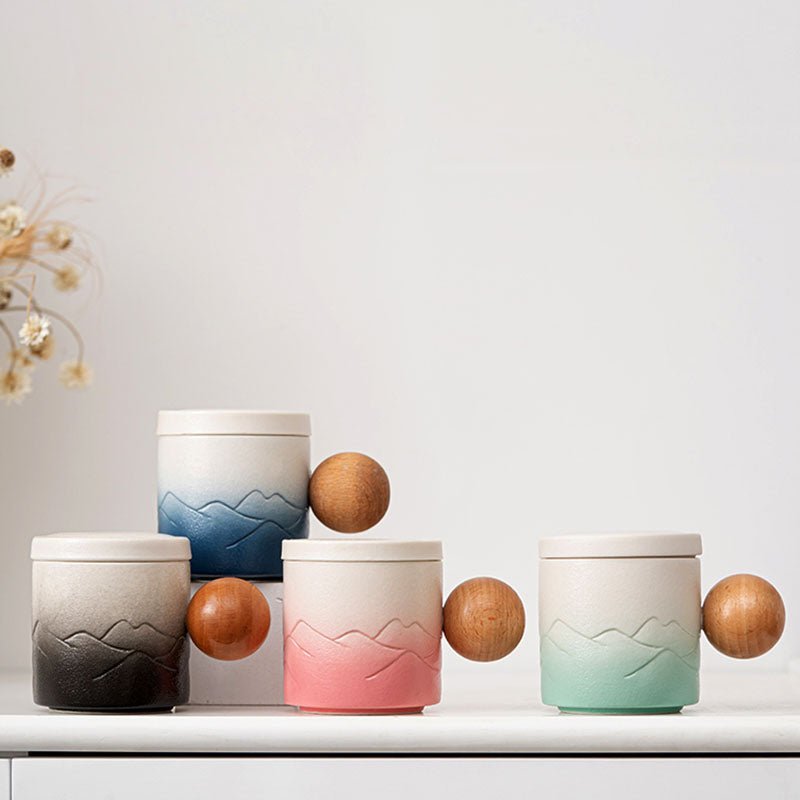
Macchiato Cup Comparison: 170 ml, 200 ml, or 250 ml?
Compare CoffeifyMug's 170 ml Retro, 200 ml Pleated, and 250 ml Ball Handle cups by headroom, drink style, desk use, care needs, and gift fit. Find the compact size that matches the way you actually...
Read more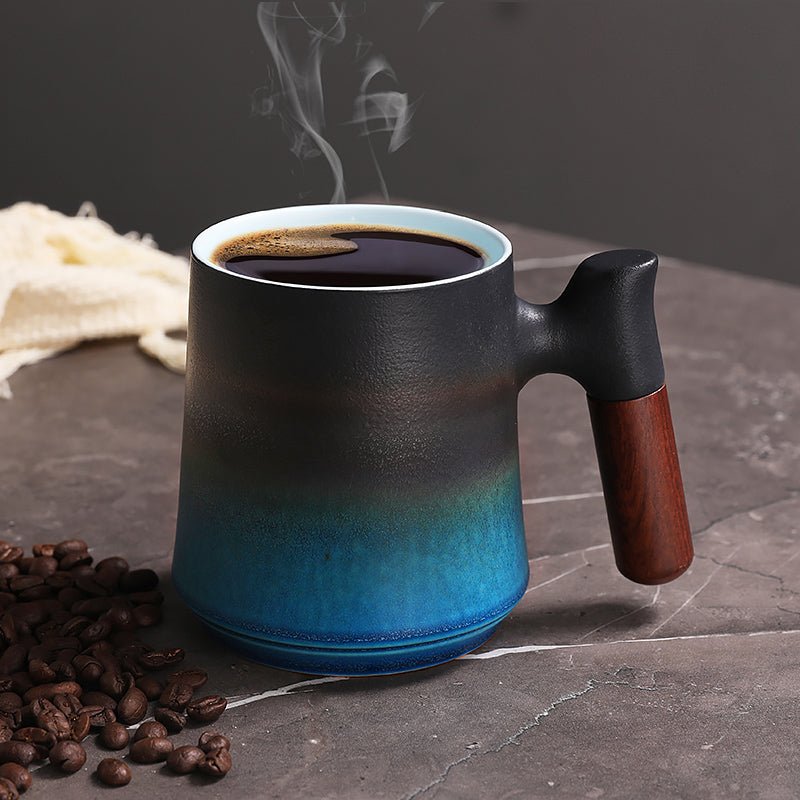
Hot Toddy Mug Comparison: Current 400 ml and 480 ml Options
Compare the current CoffeifyMug ceramic options for a warm toddy, tea, or coffee routine. See where 400 ml and 480 ml capacities differ, how to judge handle fit, and which trade-offs matter before ...
Read more
Los kommentaar
This site is protected by hCaptcha and the hCaptcha Privacy Policy and Terms of Service apply.