
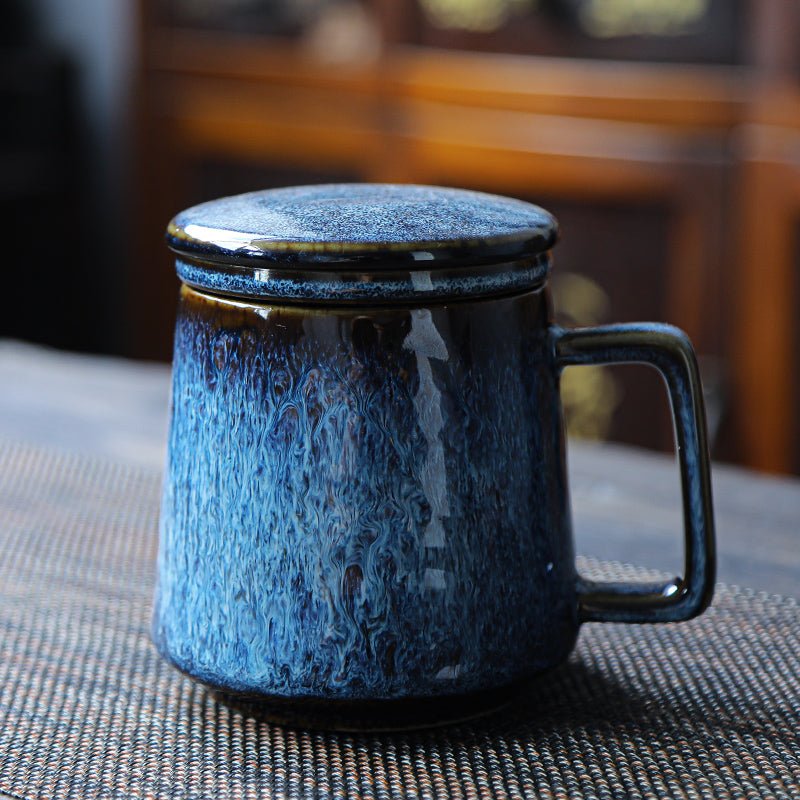
How Many Ounces Is a Normal Coffee Mug? A Buyer Guide
Reading time: about 9 minutes
A mug can look normal on the shelf and still hold 8 ounces, 12 ounces, or 16 ounces once you actually pour coffee into it. That difference changes how much room you have for milk, how hot the drink stays, and whether the mug feels right on a desk or in the hand.
In our store, we hear this question from shoppers who are comparing everyday drinkware, choosing a gift, or trying to match a mug to their morning routine. If you are asking how many ounces is a normal coffee mug, the practical answer is usually 8 to 12 ounces, with 10 to 11 ounces sitting in the middle for many standard mugs.
If you want to compare styles while you read, you can also browse our full mug collection or look at a few ceramic gift-ready examples like the Elk and Moon Coffee Tea Mug, the Koi Fish Coffee Tea Mug, and the The Crane Coffee Tea Mug.
So how many ounces is a normal coffee mug?
A normal coffee mug is usually 8 to 12 ounces. That range covers the mugs most people use for drip coffee, instant coffee, tea, hot chocolate, and smaller milk-based drinks. If you see a mug described as “standard,” it is often somewhere around 11 ounces, though brands do not all use the same number.
Here is the simplest way we explain it to shoppers:
- 8 ounces: smaller, closer to a true serving cup; good for straight coffee without much milk.
- 10 to 12 ounces: the most common everyday size; enough room for coffee plus a splash of milk or cream.
- 14 to 16 ounces: large mugs; better for long desk sessions, soup, or people who want a bigger pour.
The part that trips people up is that the quoted ounce number usually refers to the mug’s full capacity, not the amount you should fill it with. A mug labeled 12 ounces is rarely meant to be filled to the rim. You still need space for a comfortable sip and, if you use cream or foam, a little buffer at the top.
What size do most people actually use every day?
For daily coffee at home, most people are happy with a 10- or 11-ounce mug. That size fits a standard drip coffee pour without feeling oversized, and it still leaves enough room if you add milk. It also sits well on an office desk because it is less likely to dominate the space next to a keyboard or notebook.
We see a different pattern for gift buying. Shoppers often want a mug that feels substantial in the hand, so they lean toward the 11- to 12-ounce range. That size feels familiar and practical, especially for ceramic mugs with a comfortable handle and enough wall thickness to hold heat without feeling fragile.
If you want more size comparisons, our related guides Coffee Mug Is How Many Ounces? Typical Sizes and Buying Tips and How Many Ounces Is a Coffee Mug? Real Sizes and Buyer Tips go deeper into the common categories shoppers compare before buying.
What does mug size change in real use?
Mug capacity affects more than volume. It changes how the mug behaves in a kitchen, at a desk, and in the dishwasher. In our experience, these are the main trade-offs shoppers notice after the first few uses:
- Heat retention: a smaller mug usually cools a bit faster because there is less liquid and often less mass; a thicker ceramic wall can help, but only to a point.
- Milk and foam room: if you drink coffee with cream, frothed milk, or sugar, a 12-ounce mug is easier to live with than an 8-ounce mug.
- Hand feel: larger mugs can feel stable but bulky, especially if the handle opening is tight or the mug has a wide body.
- Desk fit: a big mug can crowd a laptop, notebook, or car cup holder, while a smaller mug stays out of the way.
There is also a practical cleaning angle. Tall, narrow mugs can be awkward to reach with a sponge, and very wide mugs can hold onto tea or coffee staining along the inner curve. A simple glazed ceramic interior is easier to wipe clean than a heavily textured or matte-finished interior, especially if you leave coffee sitting in it for a while.
How do ounce labels compare with real cup measurements?
Kitchen measurements and mug labels are not always the same thing. A liquid measuring cup measures accurate pour volume. A coffee mug label usually reflects the mug’s maximum capacity, which assumes the liquid reaches close to the top. That is why a mug marked 12 ounces may feel like a comfortable 10-ounce cup in real life.
| Mug size | Typical use | What it feels like |
|---|---|---|
| 8 oz | Small coffee or tea serving | Compact, lightweight, limited room for add-ins |
| 10 oz | Most everyday coffee | Balanced size for home and office |
| 12 oz | Standard mug for mixed drinks | Roomy without feeling oversized |
| 14-16 oz | Large coffee, cocoa, or soup | Best for bigger pours, less ideal for small servings |
If you are comparing mugs for a gift or a kitchen refresh, our article How Many Ounces Is a Regular Coffee Mug? Buyer Guide covers the same decision from a shopper-first angle, including how to tell a regular mug from a large one without guessing from photos alone.
Which mug size works best for different drinks?
The best size depends on what you actually pour into it. A mug that is perfect for black coffee may feel cramped for cappuccino or hot chocolate.
- Black coffee: 8 to 10 ounces keeps the drink focused and hot enough to finish before it drops too much in temperature.
- Coffee with milk or cream: 10 to 12 ounces gives enough headroom for additives.
- Tea: 10 to 12 ounces is a comfortable middle ground for most tea drinkers.
- Hot chocolate: 12 ounces or larger is usually easier, especially with whipped cream or marshmallows.
- Espresso-based drinks at home: if you are making larger milk drinks, a bigger cup often makes more sense than a classic small mug.
A mug is not the best choice if you want a small, precise serving with no extra room at the top. In that case, a cup or demitasse style is better. A very large mug is also not ideal if you only drink half a cup at a time, because it can make the portion feel visually smaller than it is.
What mug details should you check besides ounces?
Ounces matter, but they are not the only detail that affects how a mug feels in daily use. We look at a few concrete things before recommending one:
- Material: ceramic is the most common for everyday coffee mugs because it feels sturdy and holds heat reasonably well.
- Wall thickness: thicker walls usually feel more substantial and can keep a drink warm a bit longer, but they also make the mug heavier.
- Handle clearance: if the opening is too tight, larger hands or gloved hands can feel cramped.
- Glaze and finish: a smooth interior glaze is easier to clean, while very matte finishes can show marks sooner.
- Care instructions: dishwasher-safe and microwave-safe mugs are simpler for daily use, especially in a busy kitchen or office pantry.
We also think about common failure points. Thin ceramic around the rim chips more easily. Oversized handles can snag in a dishwasher rack. And mugs with decorative elements should be checked for care limits before you put them through repeated heat cycles. Those are the small details that matter after the first week, not just on the first unboxing.
Which mug size should you choose if you are buying one as a gift?
If you are buying a mug as a gift, the safest choice is usually 11 or 12 ounces. That size works for coffee drinkers, tea drinkers, and people who want something useful at a desk. It also tends to look balanced in product photos and in the hand.
For a gift, we usually advise shoppers to avoid extremes unless they know the recipient well. An 8-ounce mug can feel too small for someone who likes a full morning pour. A 16-ounce mug can be too bulky for someone who wants a neat, easy-to-store mug cabinet.
That is one reason decorative ceramic mugs tend to do well as gifts. They offer personality without asking the recipient to learn a new routine. If you want more ideas after reading this, the best next stop is our collection page, where you can compare shapes and designs in one place.
How do you judge mug size from product photos alone?
Photos can be misleading. A mug can look small next to a saucer or oversized next to a coffee bag. To judge size more accurately, we suggest looking for three clues in the listing:
- Capacity in ounces: this is the clearest number, but remember it usually reflects the full fill line, not a normal pour.
- Relative scale: compare the mug to the handle, saucer, or hand in the photo if one is shown.
- Shape: a wider mug may seem smaller than a taller mug at the same capacity because the volume is spread out differently.
If a listing does not show these details clearly, that is a signal to slow down. A mug that looks right in a staged photo may still be too large for your shelf or too small for your usual drink.
Frequently asked questions
How many ounces is a normal coffee mug?
A normal coffee mug is usually 8 to 12 ounces. Most everyday mugs land around 10 to 11 ounces because that size works for standard coffee, tea, and a splash of milk without feeling oversized.
Is a 12 oz mug a regular coffee mug?
Yes, 12 ounces is a very common regular mug size. It is often the best choice if you want flexibility for black coffee, milk-based drinks, or tea. It also gives you a little more room than an 8-ounce mug without becoming bulky.
What size mug is best for morning coffee?
For most people, 10 or 12 ounces is the sweet spot for morning coffee. Ten ounces feels compact and focused, while 12 ounces gives extra room for cream or foam. If you drink large pours, a bigger mug can make sense, but it is not the best choice for everyone.
Are bigger mugs better for coffee?
Not always. Bigger mugs are useful if you add a lot of milk, want a long drink session, or also use the mug for soup or cocoa. They are less useful if you prefer a smaller serving, want faster drinking, or need the mug to fit neatly on a crowded desk.
What should I check before buying a coffee mug online?
Check the ounce capacity, material, care instructions, and the mug’s shape. A smooth ceramic interior, microwave-safe label, and comfortable handle matter just as much as the size number. If the product photos are vague, compare it with another listing from the same store before you buy.
If you want to narrow it down quickly, start with this checklist: choose 8 to 10 ounces for a smaller daily pour, 10 to 12 ounces for the most versatile everyday mug, and 14 ounces or more only if you know you like a larger cup. From there, compare style and shape in our full collection, or use our mug guides if you want a second opinion before choosing a gift or replacing an old favorite.
Read more
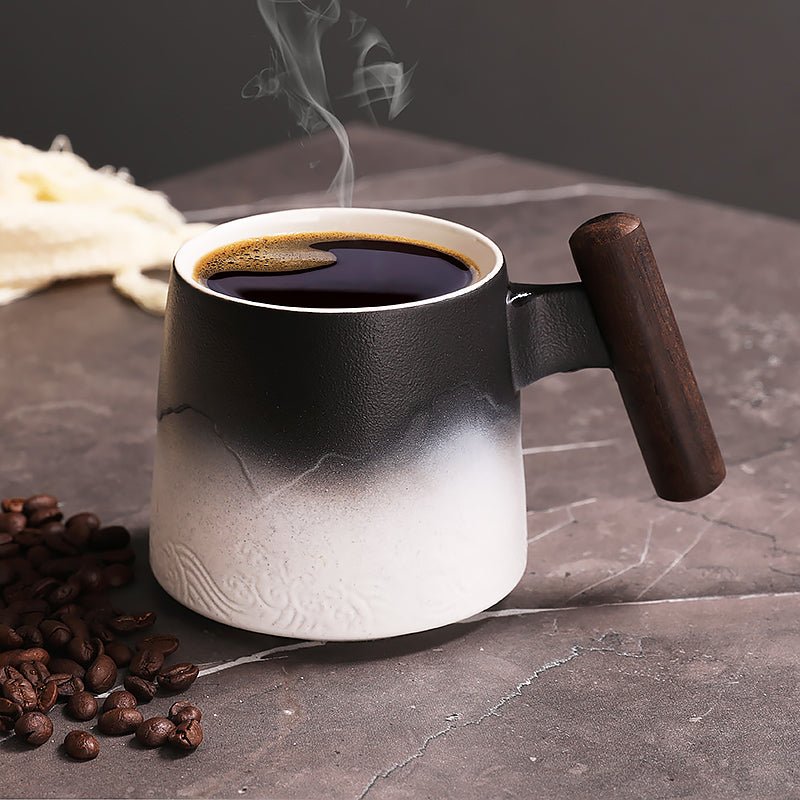
Camp Coffee Mugs: How to Pick One That Works Outdoors
Camp coffee mugs need to do more than look rustic. The right one should feel stable on a wobbly table, stay comfortable in the hand, and fit the way you actually drink coffee at camp, at the office...
Read more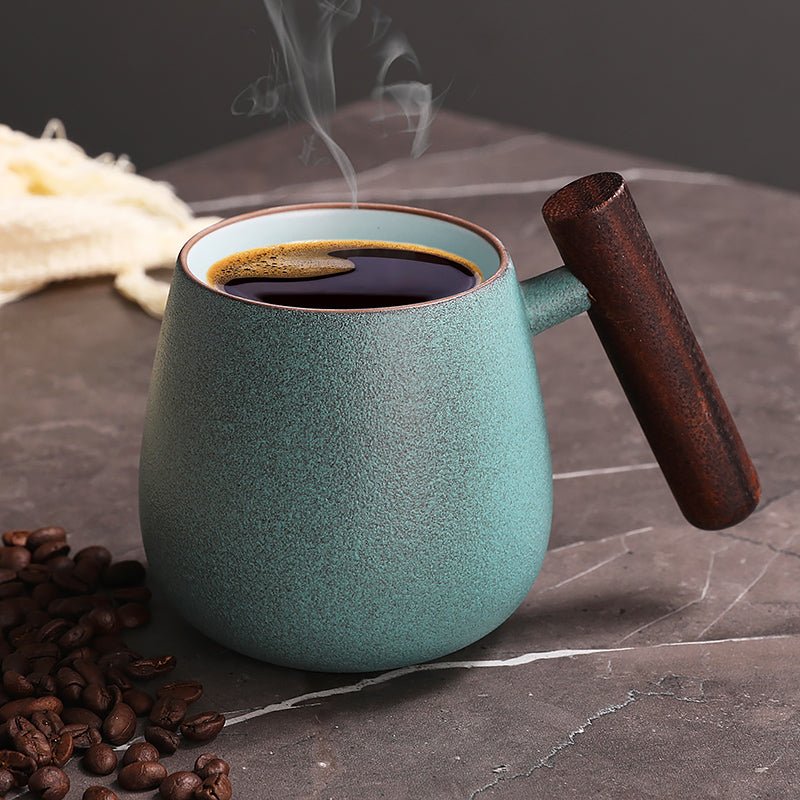
Raiders Coffee Mug Buying Guide: Size, Style, and Best Use Cases
A Raiders coffee mug should do more than show team pride. This guide breaks down the sizes, shapes, and care checks we use so you can pick one that fits your desk, gift list, or daily brew.
Read more
Los kommentaar
This site is protected by hCaptcha and the hCaptcha Privacy Policy and Terms of Service apply.