
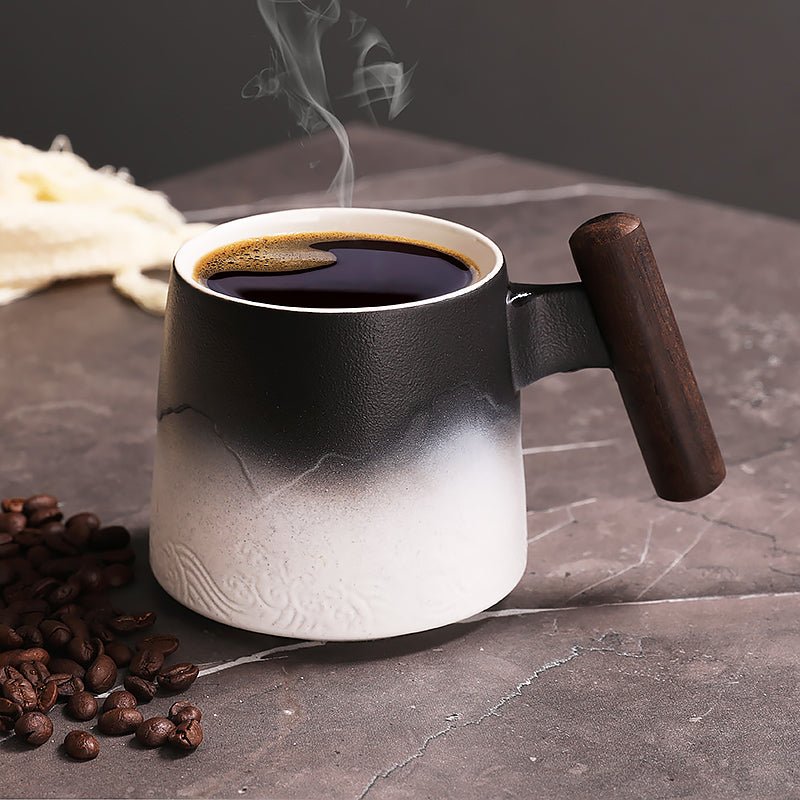
Camp Coffee Mugs: How to Pick One That Works Outdoors
Reading time: about 9 minutes
The wrong camp mug is easy to spot by the second cup. It tips on a narrow table, feels awkward in the hand with gloves on, or gets too hot to hold when the coffee is fresh. The right one disappears into the routine and just works.
That is the standard we use in our store when we look at camp coffee mugs. We care about grip, lip feel, stability, and how the mug behaves after real use on a kitchen counter, in a packing bin, and through dishwasher cycles. If a mug only looks outdoorsy but does not hold up to daily life, it is not doing its job.
What should camp coffee mugs do better than a regular mug?
Camp coffee mugs need to be easier to handle in imperfect conditions. That means a handle with enough clearance for fingers, a base that sits securely on uneven surfaces, and a shape that is not so tall that it becomes tippy in a truck cup holder or on a picnic bench.
In practice, the best camp mugs are the ones that feel simple. A wider body is easier to steady with cold hands. A rounded rim is more comfortable for drinking than a sharp edge. And a mug that does not force you to overfill it is less likely to slosh when you are walking from the stove to the table.
They are not the best choice for every situation, though. If you need maximum insulation for long sits outside, a sealed travel tumbler will do better. If you want a mug for delicate espresso shots, a camp-style mug is usually too open and too large.
Which mug shape works best for camp use?
Shape matters more than people expect. The same ounce count can feel very different depending on the mug profile, handle size, and wall angle. We see this all the time when shoppers compare a round mug to a taller, narrower one.
For camp use, the main trade-offs are straightforward:
- Round mugs feel stable and are usually easier to clean by hand because the interior is more open.
- Taller mugs can feel better on a desk or shelf, but they may be less forgiving on uneven outdoor surfaces.
- Wide mugs are comfortable for sipping and cooling coffee faster, but they can lose heat faster than a narrower shape.
If you want a mug that feels familiar in daily use and still works in a camping bin, our Round Coffee Tea Mug is a strong place to start. If you prefer a taller profile, the Landscape Tall Coffee Tea Mug gives you a slimmer silhouette that some buyers like for an office desk or a neat kitchen shelf.
We also like to remind shoppers that shape affects cleanup. A mug with a slightly wider opening is easier to rinse after cocoa, tea, or a second cup of coffee that sat too long. That matters more at camp than people expect, because nobody wants to dig around for a bottle brush before breakfast.
How do you choose the right size for camp coffee mugs?
Size is where buyers usually overcorrect. A mug that is too small becomes annoying fast. A mug that is too large invites overpouring, heavy weight, and coffee that cools before you finish it. For most shoppers, the right choice comes down to how much they actually drink in one sitting.
If you want more help dialing in capacity, our related guides on 10 oz Coffee Mugs: How to Choose the Right One for Daily Use and 12 Ounce Coffee Mugs: Fit, Shape, and Buying Tips break down how size changes the feel in real use. For people who want a larger everyday mug, the 14 Ounce Coffee Mugs: Fit, Materials, and Buying Tips article is also useful.
| Use case | Best fit | Why it works |
|---|---|---|
| Short morning coffee | 10 to 12 oz | Less weight, faster finish, easier to pack |
| One long mug at camp or at a desk | 12 to 14 oz | Good balance of volume and handling |
| Heavy coffee drinker or tea drinker | 14 to 16 oz | Room for a larger pour without refilling often |
Our advice is not to buy the largest mug just because it sounds more useful. If the mug sits mostly half full, it is often heavier than you need and more likely to cool off before the last sip. For a lot of buyers, the sweet spot is in the middle.
What materials and finishes are practical for real use?
Material affects more than appearance. It changes weight, heat feel, cleanup, and how forgiving the mug is when it gets bumped against a sink or packed into a cabinet. Most shoppers looking at camp coffee mugs end up choosing based on durability and ease of care, not just the look.
Here is how we think about the common trade-offs:
- Ceramic feels familiar, tastes neutral, and works well for daily coffee or tea. The trade-off is that it can chip if dropped on a hard surface.
- Stoneware tends to feel substantial and stable. It is still not drop-proof, but it often gives a sturdier hand feel than lighter mugs.
- Enamel-style mugs are popular for outdoor aesthetics, but they are not always the best for people who dislike a more metallic drinking feel.
We do not recommend choosing a camp mug only because it looks rugged. A mug with a rough exterior finish may feel great in photos, but if the handle is too narrow or the rim feels sharp, the real-world experience drops fast. That is especially true for people who use the mug every morning at home and only occasionally take it outdoors.
For shoppers who want a cleaner, more versatile look, the Emerald Coffee Tea Mug is worth a close look. It reads like a mug you can use on a weekday desk, then toss into a weekend bag without feeling overly decorative. If you want to compare more options in one place, our all collection is the easiest way to scan the range.
What details should you check before buying?
Small details decide whether a mug feels good after ten uses or after a year. We see the same issues come up again and again when customers compare mugs online and then start using them at home.
- Handle clearance: Make sure your fingers fit comfortably without pressing against the mug wall.
- Rim comfort: A smooth rim makes a bigger difference than most buyers expect, especially for hot coffee.
- Base stability: A flatter base usually feels safer on patio tables, counters, and office desks.
- Cleaning access: A wider opening is easier to rinse and dry, especially for coffee oils and tea residue.
- Storage fit: Check whether the mug stacks, nests, or simply takes up its own space in the cabinet.
In our experience, common defect modes in this category are not dramatic. They are small annoyances: a handle that is too tight, a glaze that shows wear sooner than expected, or a body shape that makes the mug harder to balance when full. Those issues matter because mugs are handled every day, not once in a while.
If you are trying to compare size and shape in more detail, our 12 oz Coffee Mugs: What to Check Before You Buy guide is a useful companion read.
Which camp coffee mugs fit best in a real buying scenario?
Different buyers need different mugs, and that is where a lot of generic advice falls apart. A mug for a gift box should not be chosen the same way as a mug for a daily coffee setup.
| Buyer type | Better fit | Reason |
|---|---|---|
| Gift shopper | Styled ceramic mug with a clean silhouette | Looks intentional when unboxed and is easy to pair with coffee beans or tea |
| Daily home user | Balanced mid-size mug | Comfortable to hold, easy to wash, and not overly heavy |
| Desk coffee drinker | Taller mug with a stable base | Works well beside a laptop and takes up less horizontal space |
| Weekend camper | Simple round mug | Easier to pack, rinse, and use with minimal gear |
A lot of shoppers end up wanting one mug for all of these jobs. That can work, but only if you accept the trade-off that the mug will be a compromise. It will not be the most insulated option, and it will not be the most compact. It will simply be the most practical middle ground.
That is why we usually recommend browsing the full range in our collection after you narrow down shape and size. It is easier to choose well when you compare a few profiles side by side.
How should you care for camp coffee mugs so they last longer?
The better your routine, the longer the mug stays clean-looking and comfortable to use. Coffee and tea leave residue over time, especially if the mug has a darker finish or a narrow interior that is hard to reach with a sponge.
Our practical care advice is simple:
- Rinse the mug soon after use so coffee oils do not set.
- Use a soft sponge for daily washing when possible.
- Avoid sudden temperature swings, especially if the mug has been sitting cold and you pour in very hot liquid.
- Do not stack mugs in a way that chips the rim or handle.
We also tell customers to watch for early wear around the handle base and rim. Those are the high-contact zones. If a mug is going to show signs of daily use, it usually starts there first.
For shoppers comparing larger everyday sizes, our guide to 15 oz Coffee Mugs: Size, Fit, and Buyer Checklist can help you decide if a bigger mug makes sense or if it is just extra bulk.
Frequently asked questions
What size are camp coffee mugs usually?
Most camp coffee mugs fall in the 10 to 16 oz range, with 12 to 14 oz being a common middle ground for everyday use. Smaller sizes feel lighter and are easier to pack. Larger sizes are better if you like a long pour or do not want to refill often.
Are camp coffee mugs good for both coffee and tea?
Yes. A well-shaped camp mug works for coffee, tea, cocoa, and even broth. We usually recommend a mug with a comfortable rim and a stable base if you plan to use it for more than one drink type.
Do camp coffee mugs need a handle?
Most buyers prefer one because it keeps hot drinks easier to manage. That said, handle shape matters more than having one at all. If the handle is too small for your fingers, the mug will feel worse than a handle-free cup that is easier to grip.
Are camp coffee mugs dishwasher safe?
Many are, but you should check the product listing for the exact care guidance. Even when a mug is dishwasher safe, hand washing can help preserve the finish and reduce wear at the rim and handle over time.
What is the best camp coffee mug for everyday use?
The best option is usually a mid-size mug with a stable base, a comfortable handle, and a shape that is easy to rinse. If you are unsure, start by comparing a round mug and a taller mug side by side, then choose the one that feels better in your hand and fits your cabinet space.
If you want the shortest path to a good choice, compare shape first, then size, then finish. Start with the Round Coffee Tea Mug, the Landscape Tall Coffee Tea Mug, and the Emerald Coffee Tea Mug, then use our all collection to compare the rest side by side before you buy.
Read more
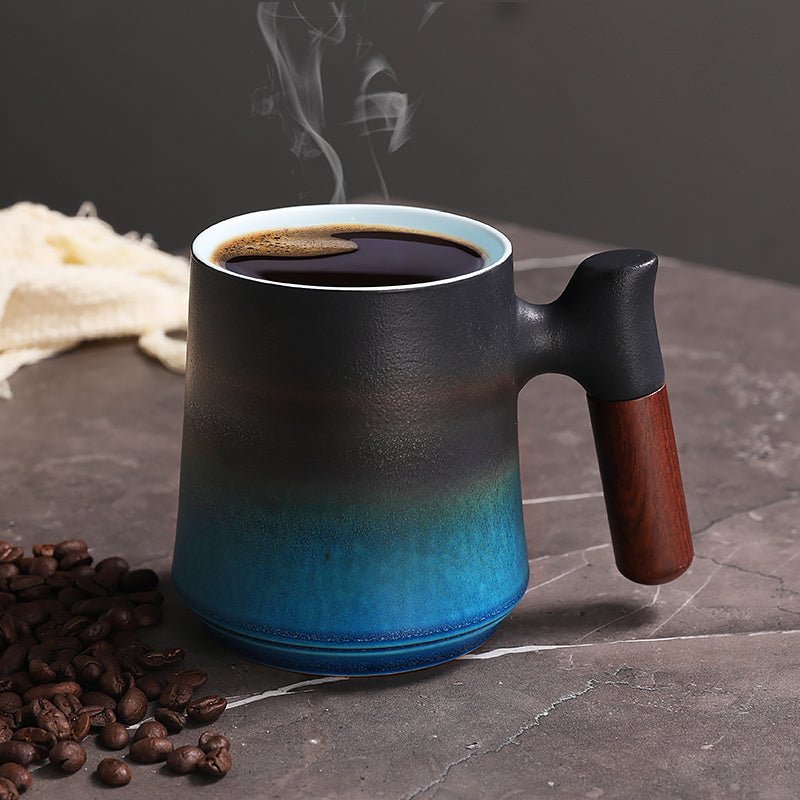
Coffee Mugs and Stand: How to Choose a Practical Set
Coffee mugs and stand setups only work well when the mugs sit securely, feel good in hand, and fit your counter space. We break down real trade-offs, care needs, and the best picks for daily use.
Read more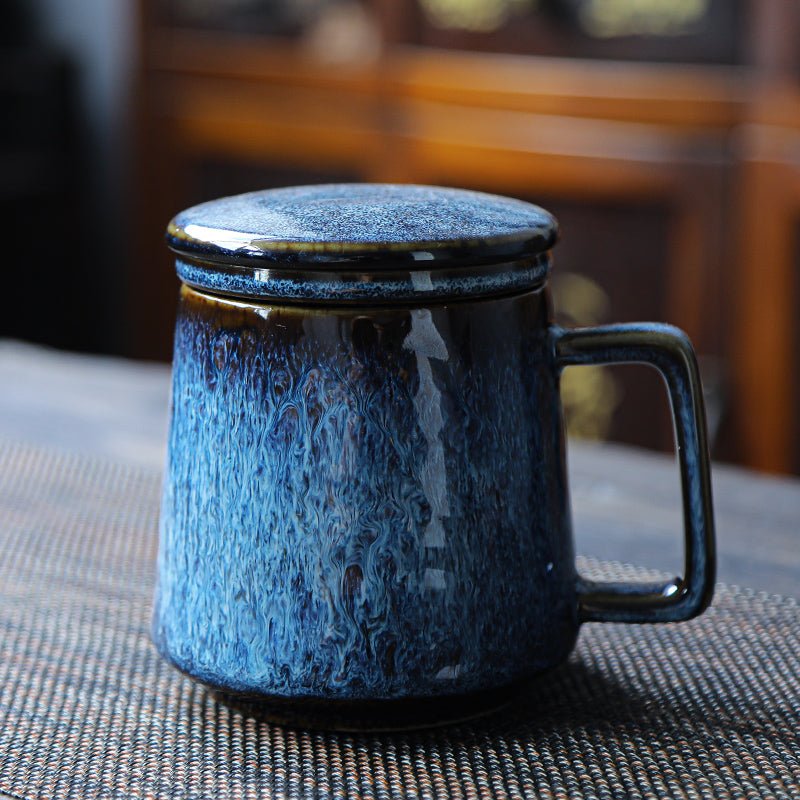
How Many Ounces Is a Normal Coffee Mug? A Buyer Guide
A normal coffee mug is usually 8 to 12 ounces, but the right size depends on how you pour, how much milk you add, and where you use it. This guide explains the real-size differences shoppers run in...
Read more
Los kommentaar
This site is protected by hCaptcha and the hCaptcha Privacy Policy and Terms of Service apply.