
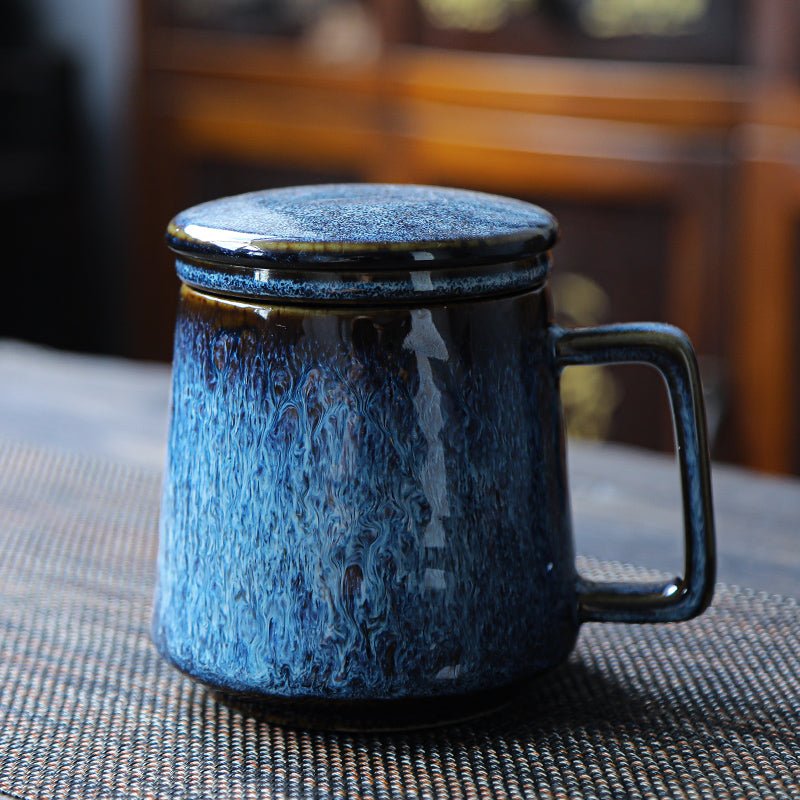
How Many Ounces in a Mug of Coffee? Practical Buyer Guide
Reading time: about 9 minutes
A coffee mug on the counter can be labeled 8 oz, 10 oz, 12 oz, or 15 oz, and none of those numbers tells the full story until you pour the coffee. The real question is not just how many ounces in a mug of coffee, but how much drinkable coffee fits once you leave room for cream, foam, and a handhold that does not burn your fingers.
We see this mismatch all the time in our store. A shopper wants a mug that feels generous on a desk, but not so large that a simple drip coffee looks lost in the cup. Another person wants a gift mug that fits a morning latte without spill risk. The right size depends on the drink, the pour style, and the mug shape.
How many ounces does a coffee mug usually hold?
Most everyday coffee mugs fall somewhere between 8 and 15 ounces. That range covers the common cups people actually use at home, in offices, and in gift sets. A smaller mug can be ideal for a straight espresso-based drink or a modest drip coffee. A larger mug is better when someone likes extra milk, flavored creamer, or a little room to stir without sloshing.
One detail people miss is that a mug’s stated capacity is often a fill-to-the-rim number, not the amount you should use in normal drinking. In practice, many buyers pour to about 80 to 90 percent full so the coffee stays easier to carry and less likely to slosh on the way from kitchen counter to desk.
| Mug size | Typical use | What it feels like in real life |
|---|---|---|
| 8 oz | Espresso drinks, small drip coffee | Compact, controlled, less room for add-ins |
| 10 to 12 oz | Standard home coffee | Balanced size for most drip pours |
| 14 to 15 oz | Large coffee, lattes, tea | More headroom, better for milk and foam |
| 16 oz and up | Big pours, long desk sessions | Heavy when full, not ideal for small hands |
What changes the amount of coffee that actually fits?
The printed capacity is only part of the answer. Shape changes the usable volume, and we pay attention to that when we choose mugs for the store. A tall, narrow mug can feel fuller sooner than a wide bowl-shaped mug. A thick-walled ceramic mug may reduce internal space slightly, while a flared rim can make a mug easier to sip from without feeling oversized.
Three practical details matter most:
- Headspace: Leave extra room if you add milk, sugar, cold foam, or flavored syrup.
- Handle clearance: A mug that looks large on paper can still feel small if the handle crowds the grip.
- Wall thickness: Heavier ceramic and stoneware often hold heat well, but they can also make a mug feel more substantial in the hand.
That is why two mugs both labeled 12 oz can drink very differently. One may be best for black coffee, while the other feels right for a cappuccino or tea. If you want a broader comparison of standard sizes, our guides How Many Ounces Is a Coffee Mug? Real Sizes and Buyer Tips and How Many Ounces in a Coffee Mug? Real Sizes and Buying Tips cover the same topic from slightly different buying angles.
What mug size works best for drip coffee, lattes, and tea?
The best mug size depends on what you drink most often. A lot of buyers start with appearance and end up regretting the fit. We recommend choosing from the drink outward, not the shelf outward.
- Drip coffee: A 10 to 12 oz mug is usually the easiest daily size. It gives enough room for a standard brew without making the cup feel oversized.
- Latte or cappuccino: A 12 to 15 oz mug is usually more comfortable because foam and milk take up room quickly.
- Tea: Many tea drinkers like 12 oz or larger, especially if they want the mug to stay warm longer and avoid frequent refills.
- Office coffee: A 14 oz mug can be useful if you get interrupted a lot and do not want to return for a refill every few minutes.
If you want a simple rule, think in terms of how much liquid you pour, not how much the mug advertises. A mug that is perfect for black coffee may feel cramped once you add oat milk or cream. A big mug can also work against you if you do not actually finish large drinks before they cool.
How do we choose a mug size in our store?
In our experience, the best mug is the one that matches the drinking habit, the hand size, and the countertop reality. A mug that looks great in a photo can still be awkward if the base is too wide for a crowded office desk or if the handle is too tight for larger fingers. That is the practical side of buying mugs, and it matters more than the label on the bottom.
When we look at mugs like the Golden Waves Kio Coffee Tea Mug, the The Flow Coffee Tea Mug, and the Mountain Sea Coffee Tea Mug, we are not just thinking about design. We are looking at the everyday stuff: whether the mug feels steady on a kitchen counter, whether the handle is easy to grip with one hand, and whether it suits a quick rinse or a dishwasher cycle after the morning rush.
For shoppers who want to browse more styles and compare shapes side by side, the full collection is the best place to start. It is easier to compare a few real options than to guess from a size number alone.
What are the trade-offs between a smaller and larger mug?
There is no perfect size for every person. Smaller mugs feel neat and controlled, but they leave less room for add-ins. Larger mugs are flexible, but they can be overkill if you prefer a straightforward 8 oz pour. We tell buyers to think about what they are giving up as well as what they are getting.
- Smaller mugs: Better for lighter servings and shorter coffee breaks, but not ideal if you like extra milk or a second pour.
- Larger mugs: Better for leisurely mornings and creamy drinks, but they can cool slowly and feel bulky in the hand.
- Thicker ceramic mugs: Usually feel sturdier and retain heat longer, but they can be heavier for some users.
- Thinner mugs: Often feel lighter and more refined, but they may not hold heat as long.
There is also a real limitation to mention: a big mug is not automatically better for every coffee drinker. If you mainly use a single-serve machine or make smaller brews, a large mug can make the drink seem diluted or incomplete. On the other hand, if you top off with milk and like a full-looking cup, a small mug will frustrate you fast.
How should you read mug measurements before buying?
Always check whether the listed capacity refers to a comfortable fill or a full brim measurement. That distinction changes the experience a lot. Some mugs are sold by the decorative outside size, which can hide a narrower interior. Others measure generously but have a shape that makes pouring to the top impractical.
Here is the quick checklist we use before we recommend a mug:
- Check the stated ounce capacity and compare it to your usual pour.
- Look for photos that show the mug in a hand or next to a standard object.
- Consider whether you want a cup for black coffee, milk drinks, or tea.
- Think about cleaning. A simple glazed ceramic finish is usually easier to wipe clean than a highly textured surface.
- Pay attention to the handle shape if you use the mug every day.
If you have ever bought a mug that looked right online but felt wrong on the first morning, this is usually why. The number was not false. It just did not match the way you actually drink coffee.
What mug size should you buy if this is a gift?
For gifting, we usually steer people toward a middle size. A 10 to 12 oz mug is the safest default because it suits most drip coffee drinkers and still works for tea. It is also a better everyday choice for a desk or bedside table than an oversized mug that may feel awkward when full.
Gift buyers should also consider the mug’s finish and care. A simple ceramic mug with a smooth glaze is easier for most people to live with than something overly delicate or heavily textured. If the recipient plans to use it at work, a mug that is easy to rinse and put through dishwasher cycles is usually the more practical pick. If you are buying for someone who mostly makes lattes or drinks long teas, a larger size can make sense, but only if they actually finish full cups.
For shoppers comparing formats, our other guides How Many Ounces Is a Standard Coffee Mug? Buyer Guide and How Many Ounces Is a Regular Coffee Mug? Buyer Guide are useful if you want the same question answered from a standard-size perspective.
Frequently asked questions
How many ounces is a normal coffee mug?
A normal coffee mug is usually 8 to 12 ounces, with 10 to 12 ounces being the most common everyday range. Many mugs can hold a bit more than that if filled to the brim, but most people do not drink them that way.
Is a 12 oz mug enough for coffee with milk?
Yes, for many people it is. A 12 oz mug usually leaves enough room for a moderate amount of milk or creamer, but if you like a lot of foam or a large latte-style drink, a 14 to 15 oz mug is more comfortable.
Does the mug size mean the amount it can safely hold?
Not always. The printed capacity often reflects the mug filled to the rim, not the amount you should actually pour for normal use. Leaving headspace is the safer and more practical approach.
What mug size is best for iced coffee?
Iced coffee usually works better in a larger mug or tumbler-style cup because ice takes up space fast. If you use a standard ceramic mug, choose one on the larger side so the drink does not feel cramped.
Why does one 12 oz mug feel smaller than another?
Shape, wall thickness, and handle design all affect how a mug feels. A wide mug with a shallow bowl can seem larger than a tall narrow one, even if both are labeled the same capacity.
If you want the simplest next step, compare your usual pour with a 10 to 12 oz mug first, then move up only if you regularly add milk or want a larger serving. After that, browse the full CoffeifyMug collection and pick the mug shape that fits how you actually drink, not just how it looks on a shelf.
Read more
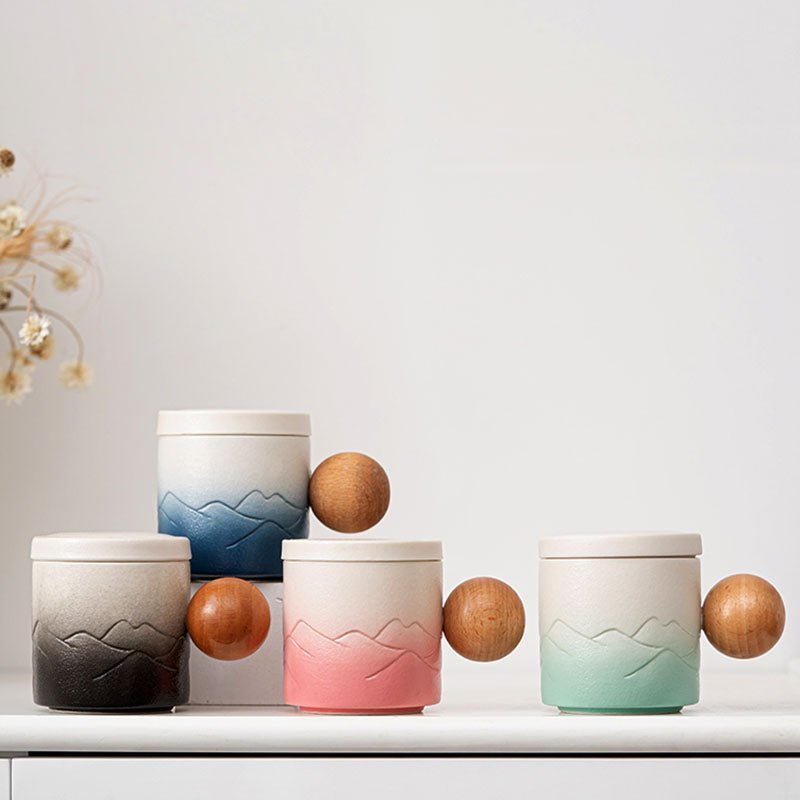
Colorful Coffee Mugs: How to Choose the Right One for Daily Use
Colorful coffee mugs can brighten a desk or kitchen, but the best pick depends on shape, capacity, glaze, and care. We compare everyday trade-offs, highlight gift-friendly options, and show which m...
Read more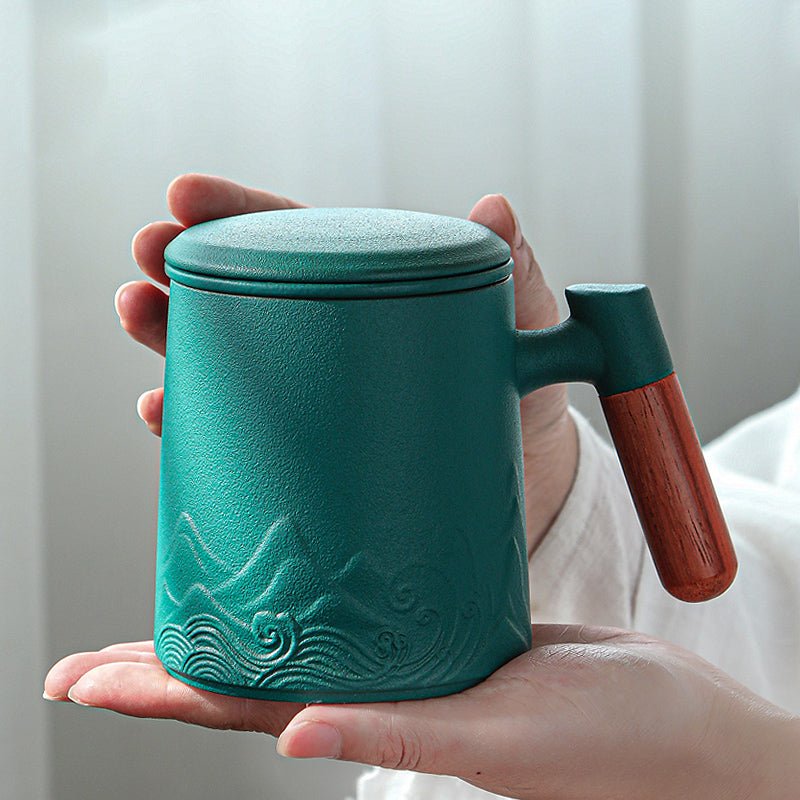
Green Coffee Mug Buying Guide for Size, Care, and Daily Use
A green coffee mug should look good on the shelf and still work on a busy counter. We cover size, care, trade-offs, and what to check before you buy.
Read more
Los kommentaar
This site is protected by hCaptcha and the hCaptcha Privacy Policy and Terms of Service apply.