
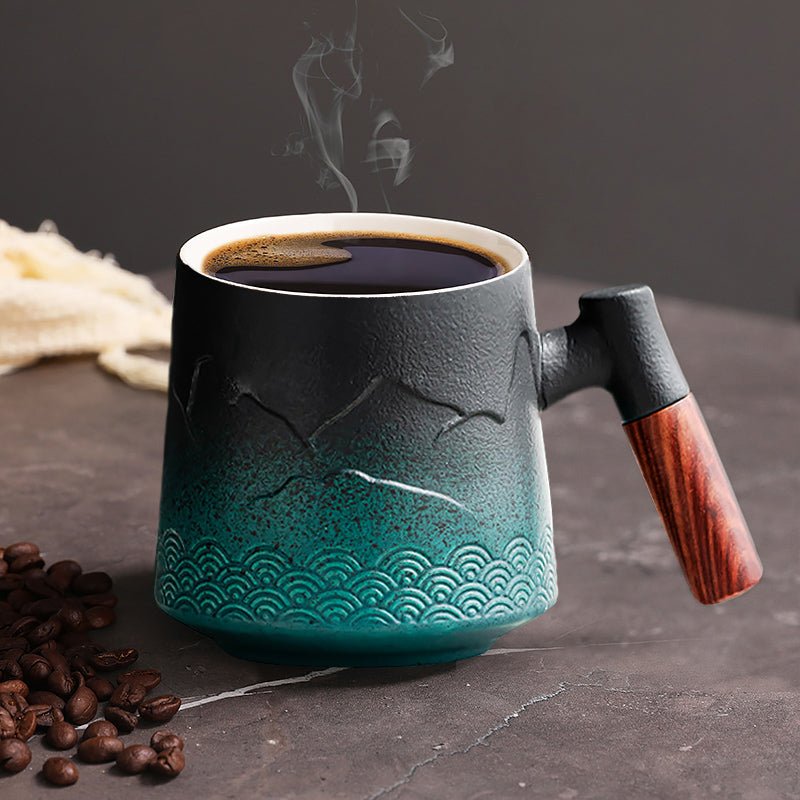
Wooden Coffee Mug Buying Guide: What to Check Before You Buy
Reading time: about 9 minutes
A wooden coffee mug looks simple on a product page. On a kitchen counter, it is a different test. The finish needs to feel smooth in the hand, the base needs to sit flat on a desk, and the interior needs to handle daily coffee without turning rough, cloudy, or smelly after a few washes.
In our store, the questions we hear most are not about style. They are about whether a wooden coffee mug can really work for everyday use, how much care it needs, and what trade-offs buyers should expect before they order.
What makes a wooden coffee mug feel right in daily use?
The best wooden mug is not the one that looks the most rustic. It is the one that feels balanced, stays comfortable to hold, and does not demand constant babying. A good cup should sit naturally in the hand, with a handle or grip area that does not dig into your fingers when the mug is full.
We look for three practical signs first: a smooth rim, an even seal on the drinking surface, and a stable base. If the rim feels sharp, if the coating looks uneven, or if the mug rocks on a flat table, those are real usability problems, not cosmetic quirks.
Wood also behaves differently from ceramic or steel. It can feel warmer to the touch, but it can also show wear sooner if it is exposed to standing water or harsh scrubbing. That is why the finish matters as much as the shape.
- Smooth rim: no rough fibers or splinters near the drinking edge.
- Sealed interior: a finish that is meant for repeated contact with hot beverages.
- Flat base: stable on a desk, side table, or kitchen counter.
- Comfortable grip: enough room for your hand without forcing an awkward hold.
What should you check before buying one?
A wooden coffee mug can be a great buy, but only if you inspect the product details closely. We advise shoppers to look past the lifestyle photo and read the construction notes carefully. That is where the real difference between a useful mug and a decorative one shows up.
Start with the material description. Some mugs are carved from a single piece, while others use joined sections or mixed materials. A one-piece build can reduce obvious seams, but a well-made joined mug can still be durable if the joins are tight and the finish is sealed evenly. What matters is the quality of the finished surface, not just the story behind it.
Then check the care notes. A wooden mug that requires hand washing is normal. A wooden mug that claims to be dishwasher-friendly should still be treated carefully, because repeated heat, detergent, and long soaking can shorten the life of the finish. If you want the easiest cleanup possible, ceramic is usually the safer choice.
Watch for common defect modes too. We have seen buyers disappointed by mugs that looked fine in photos but arrived with a slightly off-center handle, a dull patch in the finish, or a faint odor from storage materials. Those are the kinds of details that matter after the first week, not just on delivery day.
- Check the finish: look for a consistent, food-safe seal on the inside and rim.
- Check the size: compare the listed capacity against what you actually drink at home or at work.
- Check the care instructions: hand-wash, dry fully, and avoid soaking unless the maker says otherwise.
- Check the shape: make sure the base is stable and the handle or grip area feels natural.
- Check the photos closely: uneven grain, gaps, or a cloudy coating can be warning signs.
If you are comparing capacities, our size guides are a useful starting point. A compact daily cup may feel closer to a 10 oz Coffee Mug: Size, Fit, and What to Check Before You Buy, while a fuller desk mug may be closer to the range covered in 16 Ounce Coffee Mug Buyer’s Guide: Size, Material, and Fit. If you usually drink larger pours, the 24 Ounce Coffee Mug Buyer’s Guide: Size, Fit, and What to Check is worth a look before you commit.
How does size affect a wooden coffee mug?
Size changes how a wooden mug feels more than many shoppers expect. A smaller cup can be lighter and easier to hold, but it may cool faster and require refills. A larger mug can be better for long work sessions, but it may feel bulky if the walls are thick or the handle is small.
For many buyers, capacity is the deciding factor once the mug is in the hand. A wooden mug with thick walls can hold less liquid than the outside size suggests. That is why the same exterior shape can feel very different from one product to another.
If you are used to a ceramic mug around 11 oz or 12 oz, a wooden version in the same nominal size may drink differently because the interior profile is often shaped by the wall thickness. That is also why we suggest comparing your usual mug against the size guides for 11 oz Coffee Mug: Size, Fit, and What to Check Before You Buy and 12 oz Coffee Mug: Size, Fit, and What to Check Before Buying if you want a realistic feel for daily use.
There is also a difference between a mug you keep at a desk and one you use for slow weekend coffee. At a desk, stability matters more. On a weekend table, comfort and visual appeal may matter more. For people who regularly pour a larger morning cup, the buying logic often shifts toward sizes covered in 15 oz Coffee Mug: Size, Fit, and What Buyers Should Check or the larger options in 20 oz Coffee Mug: What to Check Before You Buy.
How does wood compare with ceramic, glass, and steel?
Each material solves a different problem. Wooden drinkware is appealing because it feels quiet, warm, and distinct. It also comes with limits that shoppers should understand before buying.
| Material | What it does well | Where it falls short | Best use case |
|---|---|---|---|
| Wood | Warm hand feel, distinctive look, lighter than many ceramics | Needs careful drying, usually not ideal for dishwasher or microwave use | Desk coffee, gifting, slow sipping at home |
| Ceramic | Easy to clean, familiar feel, usually more forgiving for daily use | Can chip or crack if dropped | Most everyday coffee routines |
| Glass | Clean look, easy to inspect inside, good for showing layered drinks | Can feel fragile and transfer heat quickly | Light use, presentation, tea and specialty drinks |
| Steel | Durable, often better for travel, can hold temperature well with the right build | Can feel industrial and may change the drinking experience | Commutes, offices, and longer heat retention |
The practical takeaway is simple. If you want the easiest mug to wash and forget about, wood is not the best category. If you want a mug that feels different on the table and you are willing to respect the care routine, wood has a clear place.
For shoppers comparing multiple mug styles, our broader range in our full collection is the fastest way to compare shapes and capacities side by side. If you want to see what is currently available right now, browse our product listings and compare the sizes against the way you actually drink coffee.
How do you care for a wooden coffee mug?
Care is where wooden mugs succeed or fail. The material itself is only part of the story. Water management is the rest.
We recommend a simple routine that protects the finish and keeps the mug looking presentable on a counter or office shelf:
- Wash by hand soon after use. Use mild soap and warm water. Do not leave coffee sitting in the mug for hours.
- Dry it fully. Set it upright, wipe the rim, and let air move through the inside before putting it away.
- Avoid soaking. Long contact with water is one of the fastest ways to weaken a wood finish.
- Skip the microwave unless the maker explicitly says otherwise. Most wooden mugs are not built for that kind of heat exposure.
- Watch for finish wear. If the surface starts to feel dry, rough, or dull, the mug may need more careful handling or a replacement depending on the construction.
A wooden coffee mug is not the right choice for someone who wants to toss every cup into the dishwasher and move on. It is also not ideal if you regularly reheat drinks in the microwave. Those jobs are better left to ceramic or microwave-safe glass.
That said, if your routine is straightforward, wood can hold up well enough for daily home use. We see the best results when people treat it like a finished kitchen tool, not a disposable cup.
Which buyer is a wooden coffee mug best for?
A wooden mug makes sense for a specific kind of buyer. It is a strong choice for someone who values feel, presentation, and a quieter tabletop presence over maximum convenience.
It is a good fit if you:
- Drink coffee at a desk or kitchen table rather than on the move.
- Like natural materials and do not mind hand washing.
- Want a gift that feels more personal than a standard ceramic mug.
- Prefer a mug that looks distinctive in an open shelf or office setup.
It is not a great fit if you:
- Need the easiest possible cleanup.
- Reheat coffee in the microwave often.
- Want the most durable option for rough daily handling.
- Prefer a mug with exact capacity and consistent thermal behavior from one unit to the next.
For gifting, wood has an advantage because it feels less generic than the average coffee cup. For heavy everyday use, ceramic still wins on practicality. That is the honest trade-off, and it is worth saying clearly before a buyer clicks add to cart.
Frequently asked questions
Are wooden coffee mugs safe for hot coffee?
Yes, if the mug is made and finished for hot beverage use. The important detail is the seal on the drinking surface and interior. We would avoid any mug that leaves a raw, porous, or unfinished feel inside.
Can I put a wooden coffee mug in the dishwasher?
Usually, no. Most wooden mugs last longer with hand washing and immediate drying. Even if a product claims dishwasher-safe use, repeated heat and detergent exposure can wear the finish faster than gentle hand care.
Do wooden coffee mugs keep coffee hot?
They can help a little because wood is less conductive than metal, but they are not insulation mugs. If temperature retention is your main goal, insulated steel is usually the better pick. A wooden mug is more about feel and presentation than heat locking.
What size wooden coffee mug should I buy?
Start with the size you already use most often. If you usually finish a small cup quickly, a compact size may work better; if you sip slowly at a desk, a larger capacity may be more practical. Comparing your habits against our size guides for 10 oz, 16 oz, and 24 oz mugs can help you avoid buying a mug that looks right but drinks wrong.
What signs suggest a wooden mug is low quality?
Look for rough edges, uneven finish, a crooked base, visible gaps in the construction, or a strong odor that does not fade. We also treat sticky surfaces and cloudy coatings as warnings. Those details usually matter more than the product photo.
If you are deciding now, the fastest check is simple: match the capacity to your usual pour, confirm the care routine, and decide whether you want the warmth of wood more than the convenience of ceramic. From there, compare the options in our full collection or review current product listings before you choose.
Read more
Jade Mutton Fat Buying Guide: Color, Texture, and Value
A practical buyer’s guide to jade mutton fat, with the texture cues, color trade-offs, and care details we actually look for before recommending a piece. Includes what to avoid, what to inspect, an...
Подробнее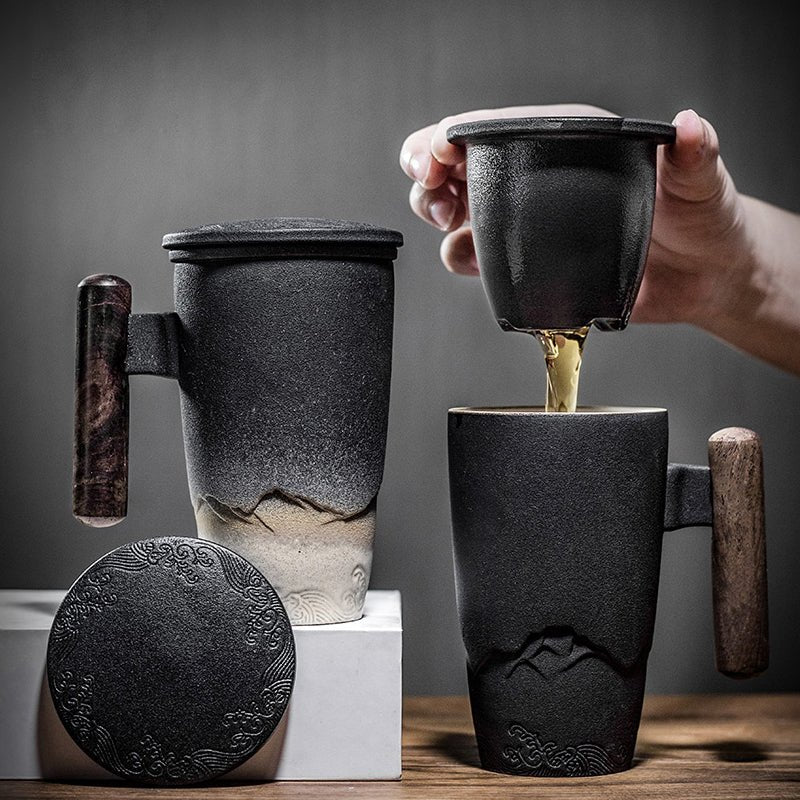
Coffee Cup Tall: How to Choose the Right Tall Mug for Daily Use
A tall coffee cup changes more than appearance: it affects balance, heat retention, desk clearance, and how the drink feels in hand. This guide breaks down what to check before buying so you can ch...
Подробнее
Оставить комментарий
Этот веб-сайт защищается hCaptcha. Применяются Политика конфиденциальности и Условия использования hCaptcha.