
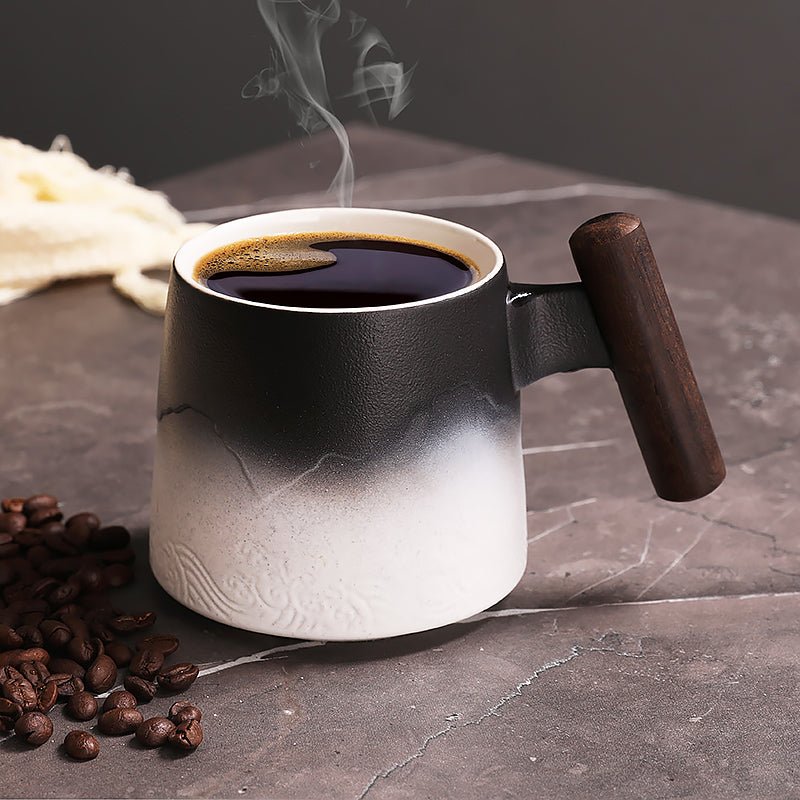
Wall Mounted Coffee Mug Rack: How to Choose the Right Fit
Reading time: about 9 minutes
A crowded mug cabinet usually gives itself away the same way every morning: one cup is stuck behind three others, a handle catches, and the mug you actually want is at the back. A wall mounted coffee mug rack solves that by moving storage out of the cabinet and onto the wall, but only if the rack fits your mugs, your wall, and your daily routine.
We handle storage products for real homes and small breakrooms, so we look at these racks the practical way. Not just how they look on a listing photo, but how they behave near a coffee maker, how much clearance a mug needs, and what happens after a few weeks of use. If you are comparing options, our collection of coffee mug storage pieces is the best place to start, and our broader product page is where you can compare the current range in one place.
What should a wall mounted coffee mug rack do well?
A good rack does more than hold mugs. It should keep cups easy to grab, keep handles from tangling, and stay secure when loaded. In our experience, the best wall mounted coffee mug rack is the one that matches the size and weight of the mugs you actually use, not just the prettiest one in the photo.
For most buyers, the basics come down to three things:
- Clearance: enough space so mugs hang without knocking into the wall, backsplash, or each other.
- Support: solid mounting that suits the wall type, especially if you are using heavier ceramic or stoneware mugs.
- Access: a layout that lets you lift a mug off the hook with one hand while making coffee.
If you want a wider overview of shapes, finishes, and storage styles, our Coffee Mug Rack Guide: Materials, Fit, and Storage Choices covers the category side by side. That guide pairs well with this one if you are narrowing down the final choice.
Which material works best in real kitchens and offices?
Material matters more than many shoppers expect. The finish changes the look, but the structure changes how the rack ages. We usually see buyers choose between metal and wood, sometimes with a mixed-material design.
| Material | Best for | Watch for |
|---|---|---|
| Metal | Heavier mugs, frequent daily use, modern kitchens | Check weld quality, hook spacing, and finish durability |
| Wood | Warm look, farmhouse or natural decor, lighter visual footprint | Look for smooth edges and a finish that tolerates occasional splashes |
| Mixed material | Balancing style and function | Make sure the mounting points feel sturdy, not decorative only |
In our store, we pay attention to the small things that affect long-term use. For example, a painted metal rack can show wear sooner around hook edges if mugs are removed roughly. Wood can be excellent for style, but it should not be treated like a damp sink-side shelf. If the rack sits near a coffee machine, espresso setup, or under a cabinet that sees steam, choose a material and finish that can handle occasional moisture and routine wiping with a soft cloth.
One trade-off worth stating clearly: a decorative rack is not the best choice if you regularly hang oversized, very thick mugs. If your mugs are the 20 oz to 24 oz range, or they have broad handles, check the actual clearance against your mug size before buying. Our mug-size guides, including the 20 oz Coffee Mug: What to Check Before You Buy and 24 Ounce Coffee Mug Buyer’s Guide: Size, Fit, and What to Check, are useful if you are matching storage to bigger drinkware.
How do you check fit before buying?
Fit is the part most people skip, then regret. A rack can look compact in a photo and still be awkward once your mugs are hanging from it. We recommend measuring your mugs first, then measuring the wall space second.
- Measure mug height and handle width. The handle is often what creates the problem, not the cup body.
- Check the hook depth and spacing. Too tight and mugs touch; too wide and the rack wastes wall space.
- Confirm wall clearance. If the rack sits near a backsplash, cabinet lip, or open shelf, make sure the mug can hang and lift off without scraping.
- Think about daily use. If this is for morning coffee, the most convenient rack is the one you can reach without stretching or opening a cabinet.
Small mugs and large mugs do not need the same storage plan. A compact 8 oz cup usually fits more easily on a tighter rack, while a deeper 16 oz or 24 oz mug often needs more breathing room. If you are comparing mug sizes first, these pages may help: 8 oz Coffee Mug: What to Check Before You Buy, 16 Ounce Coffee Mug Buyer’s Guide: Size, Material, and Fit, and 10 oz Coffee Mug: Size, Fit, and What to Check Before You Buy.
Our rule of thumb: if you have to force mugs onto the hooks in the store or in your head while shopping online, the rack is probably too tight for daily use.
How should you mount it so it stays secure?
Mounting is where a wall mounted coffee mug rack succeeds or fails. A rack that looks fine in a listing can become annoying if it wiggles, sags, or is installed into the wrong wall surface. We always think about the wall first: drywall with studs, masonry, tile, or a sturdy backsplash all change the hardware and installation approach.
Here is the practical version:
- Stud-mounted on drywall: usually the most secure option for heavier racks or frequent use.
- Anchored drywall installation: workable for lighter racks, but only if the anchors match the load and the wall condition.
- Tile or masonry: needs careful drilling and the right hardware, which is not ideal for every buyer.
We do not recommend treating a mug rack like a temporary decor piece if it will hold your daily cups. A rack that sags over time can throw off hook spacing and make mugs bump the wall. That is especially true in busy kitchens, office kitchenette areas, and breakrooms where the rack gets used several times a day. If you are shopping for a home office or shared coffee station, check the mounting plan before you check the finish.
Also consider location. Near the coffee maker is convenient, but too close to a steam-heavy kettle or a sink splash zone can shorten the life of finishes and make cups feel damp. A wall mounted coffee mug rack works best where it is easy to reach and easy to keep dry.
Is a wall mounted coffee mug rack better than shelf or counter storage?
It depends on the space you are working with. Wall racks save counter space and make mugs visible, which is great in small kitchens or coffee corners. They are not always the best choice for every setup.
Choose a wall-mounted option if:
- Your counter is crowded with appliances.
- You want mugs within reach of the coffee maker.
- You like seeing your mugs displayed instead of tucked away.
Choose a shelf or cabinet solution if:
- You rent and cannot easily drill into walls.
- Your mugs are very heavy or oversized and you prefer enclosed storage.
- You want cups protected from dust in a low-traffic room.
In our experience, wall racks are strongest in kitchens, coffee bars, and breakrooms where speed matters. They are less ideal if you are storing delicate collectible mugs, if you clean by soaking everything near the sink, or if you need hidden storage for a minimalist look. A cabinet organizer or shelf may suit you better in those cases.
What problems show up after a few weeks of use?
This is where real-world experience helps. On a product page, many racks look similar. After a few weeks, the weak ones start showing their flaws.
- Hook spacing is too tight: handles collide, and cups feel crowded.
- Finish wear appears near contact points: especially on painted metal with frequent removal.
- Mounting loosens slightly: a sign the rack was not anchored well for the load.
- Wood shows splash marks: if it is placed too close to the sink or not wiped dry.
That is why we like shoppers to think beyond the first day. A good rack should still feel stable after repeated morning use, not just look nice in the unboxing photo. If you are storing mugs you use daily, choose durability over novelty. If you are buying for display only, style can take priority, but you should know that display-focused racks may not be as forgiving in a high-use kitchen.
What should you compare before you click buy?
Before you choose a wall mounted coffee mug rack, compare the parts that affect daily use, not just the style. This simple checklist usually makes the decision clearer:
- Mug size: Are your mugs mostly 8 oz, 10 oz, 16 oz, 20 oz, or 24 oz?
- Material: Metal for strength, wood for warmth, or a mixed design for balance.
- Mounting: Can you install into studs, or do you need a lighter setup?
- Wall space: Measure width, height, and the clearance around cabinets and backsplashes.
- Use case: Daily kitchen, office coffee station, or occasional display.
If you are still comparing pieces, our main products page is the fastest way to review what is available right now. For shoppers who want a broader look at storage types before choosing one, the collection page is usually the better starting point.
Frequently asked questions
How many mugs can a wall mounted coffee mug rack hold?
That depends on the rack’s length, hook spacing, and the size of your mugs. A compact rack may suit a few everyday cups, while a longer design works better for family kitchens or office stations. We recommend checking the actual hook count and spacing rather than guessing from the product photo.
Can I install a wall mounted coffee mug rack without drilling?
Some light storage solutions may use adhesive or temporary mounting, but we do not treat those as ideal for regular mug storage. Mugs have real weight, especially ceramic ones, so drilled mounting is usually the more dependable choice. If you cannot drill, a countertop or cabinet organizer may be a better fit.
What type of mugs should I avoid hanging on a wall rack?
Avoid very heavy mugs, unusually wide mugs, or fragile pieces you do not want bumped during daily use. Oversized handles can also be a problem if the hooks are too close together. If your mugs are in the 20 oz to 24 oz range, check fit carefully before buying.
Will a wall mounted coffee mug rack damage my mugs?
Not if the rack has smooth hooks and enough spacing. Problems usually come from overcrowding, rough edges, or removing mugs at an angle that catches the handle. We always suggest checking the hook finish and making sure the mugs hang freely.
Is wood or metal better for a mug rack near a coffee station?
Metal is usually the easier choice for frequent daily use and heavier mugs. Wood can look warmer and more decorative, but it needs a bit more care around moisture and steam. If the rack sits close to a sink or kettle, metal is usually the safer practical pick.
If you are ready to compare options, start with the current selection on our coffee mug storage collection, then check your mug measurements against the rack space before you buy. That quick comparison prevents most fit problems and helps you choose a wall mounted coffee mug rack that works on day one and day ninety.
More from our blog
Read more
The Cracked Mug Coffee House: What Buyers Should Know
A practical look at the cracked mug coffee house concept, from what the style says to how it holds up in daily use. We cover the buying trade-offs, the everyday details shoppers should check, and w...
Подробнее
Yeti 14 oz Coffee Mug: Size, Fit, and What Buyers Should Check
A Yeti 14 oz coffee mug is a practical middle size for desk coffee, smaller pours, and buyers who want insulation without a bulky tumbler. We break down real-world fit, trade-offs, care, and how it...
Подробнее
Оставить комментарий
Этот веб-сайт защищается hCaptcha. Применяются Политика конфиденциальности и Условия использования hCaptcha.