
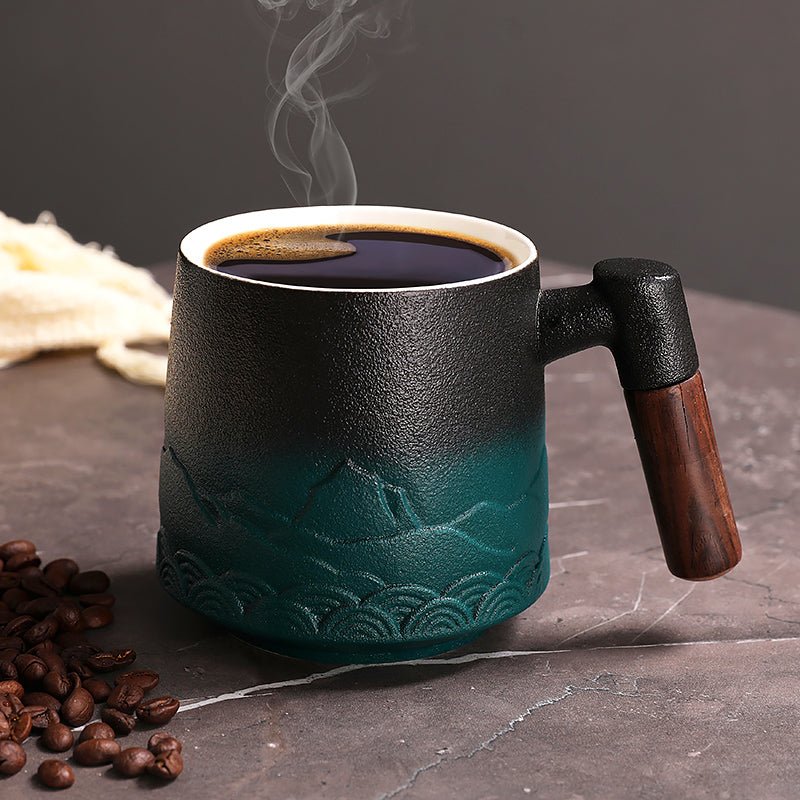
Travel Mug Coffee Mug: How to Choose the Right One for Daily Use
Reading time: about 9 minutes
The fastest way to tell a travel mug coffee mug is wrong for you is the first commute: one lid drips into a tote bag, another splashes on a brake tap, and a third barely fits the cup holder. We see that trade-off constantly in our store, so we judge these mugs by the boring details that matter on a real morning.
A good one should seal tightly, hold temperature for the time you actually need, and feel easy to clean after a desk day or a car ride. If your routine is mostly at home, you may be better off with a larger ceramic option; our coffee mug buying guide and big mug coffee guide cover that split in more detail.
What should a travel mug coffee mug actually do every day?
We look at travel mugs as daily tools, not display pieces. The right one disappears into the routine: it opens with one hand, rides in a car without tipping, and still tastes clean by the time you finish the last sip. That sounds basic, but a lot of mugs miss one of those points.
In practical terms, a travel mug coffee mug should give you:
- Leak resistance that is good enough for a bag, desk, or seat pocket.
- Temperature retention that matches your real drinking window, not an ideal lab scenario.
- A lid you can live with, meaning easy to open, close, and clean.
- Size that fits your cup holder, cabinet shelf, and hand.
That last point gets ignored. A mug can look perfect online and still be awkward because the base is too wide for a car holder or the body is too tall to clear a cabinet. We advise checking the dimensions before you buy, especially if you switch between home, office, and commute use.
If you are comparing options across styles, start with our full collection to see the range first, then narrow down the shape that matches your day.
Which material fits your routine best?
The material decides a lot more than people expect. It affects taste, weight, durability, and whether the mug is a good desk companion or a better car cup. In our experience, the most common category choice is stainless steel, but it is not the only one worth considering.
| Material | What it does well | Trade-offs | Best use case |
|---|---|---|---|
| 18/8 stainless steel | Durable, handles daily transport, usually paired with double-wall vacuum insulation | Not microwave-safe; some people notice a slight metal note if the interior finish is poor | Commutes, office bags, long mornings |
| Ceramic | Clean coffee flavor, familiar mug feel, easier to reheat in some cases | Heavier and more breakable; not ideal for tossing into a bag | Desk use, home use, people who drink slowly |
| Plastic-bodied travel mug | Lightweight and often inexpensive | Less premium feel and can retain odors if care is sloppy | Occasional backup mug or light carry |
For shoppers who mainly want the everyday mug feel without commuting stress, our ceramic coffee mug buying guide is the better reference. Ceramic makes sense if the mug lives on a desk and you are not worried about bumps, drops, or bag spills.
A stainless steel travel mug coffee mug is usually the most practical pick for a car, but it is not the best choice if you want to microwave leftovers or warm coffee in the same vessel. That trade-off is real, and it is one reason some buyers keep a ceramic mug at home and a travel mug for the road.
How much do lid and seal details matter?
More than the body material, honestly. A bad lid ruins a good mug. The common failure modes are predictable: a gasket that is not seated correctly, a flip-top that does not close evenly, a slider that traps old coffee oils, or a screw lid that cross-threads because the seal starts crooked.
We prefer buyers think about the lid style first, then the look of the mug second. A few practical points matter here:
- Gasket quality: silicone seals should sit evenly and not twist when you wash the lid.
- Opening style: slide, flip, or screw-on lids each change how easily you can sip with one hand.
- Cleaning access: if the lid has tiny channels and hidden vents, it will take more effort to keep fresh.
- Travel tolerance: a desk mug can be forgiving; a bagged mug should be stricter about sealing.
If you want a deeper breakdown of leakproof lids, insulation, and fit, our travel coffee mug buying guide walks through those details from the standpoint of everyday use.
The main trade-off is convenience versus security. A lid that opens fast is great at a desk. A lid that locks more firmly is better for a backpack or train ride. The wrong choice is not a bad product; it is usually a mismatch between your routine and the mug design.
What size and shape are easiest to live with?
Size sounds straightforward until you try to use the mug in real life. A 12 oz model may be compact and easy to carry, but it may not last long enough through a busy morning. A 16 oz size is often the middle ground. A 20 oz mug gives you more volume, but it can be taller, heavier, and harder to store under a cabinet or inside some cup holders.
Before you buy, check these three measurements:
- Base diameter: make sure it fits your car cup holder without wobble.
- Overall height: make sure it clears your cabinet shelf, shelf lip, or bag compartment.
- Grip width: make sure your hand can hold it comfortably even when the mug is warm.
Shape matters too. A slimmer profile usually travels better, while a broader base can feel more stable on a desk. A wide mug can be excellent for slow sipping at home, but it is often less convenient in a vehicle. That is where a classic large mug makes sense instead. For that use case, our big mug coffee article is a better fit than a travel-first option.
We also advise thinking about your drink habits. If you pour one serving and finish it quickly, a smaller travel mug is easier to clean and carry. If you refill once or twice through the morning, go up a size rather than forcing a small mug to do a big-mug job.
How should you clean it without ruining the seal?
Cleaning is where many travel mugs go from new to annoying. The mug itself is usually fine. The lid is where odor, staining, and residue build up. In our experience, the best maintenance routine is simple and repeatable, not elaborate.
Use this basic process after regular coffee use:
- Rinse the mug soon after emptying it, before coffee dries on the walls or in the lid channel.
- Wash the body with mild dish soap and a bottle brush if the opening allows it.
- Take the lid apart if the gasket lifts out easily, then clean the seal channel separately.
- Dry the lid pieces fully before reassembling so moisture does not sit under the gasket.
If you need a more detailed routine for keeping a mug in good shape, our coffee mug care tips article covers the habits that prevent stale odor and trapped residue.
A few limitations are worth saying plainly. Stainless steel mugs are generally not microwave-safe. Some lids are top-rack dishwasher friendly, but not all finishes, seals, or printed details should be treated that way. If you hate hand washing small parts, choose a simpler lid design. That preference matters more than marketing copy.
Also, if you leave sweetened coffee or milk drinks inside a closed lid overnight, smell buildup is more likely. That is not a defect. It is just what happens when dairy, sugar, and a tight seal sit together too long.
Which travel mug coffee mug should you buy from our store?
If your routine is a car commute and a desk day, we would point you toward a stainless steel option with a dependable lid and a size that fits the holder first. If your routine is mostly home or office and you value taste over portability, a ceramic mug may be the better choice. If you need one mug to do both, expect a compromise and choose the feature you care about most.
That is the practical filter we use in our store: choose by use, not by appearance. A beautiful mug that leaks is a bad buy. A plain mug that seals, fits, and cleans easily is the one people keep using.
If you want to compare the current assortment without guessing, browse our products page for individual options or use the full collection to compare styles side by side. That is the quickest way to match a travel mug coffee mug to a real routine instead of a product photo.
Frequently asked questions
Is a travel mug coffee mug good for both hot and iced coffee?
Yes, most insulated models handle both. Hot coffee benefits from vacuum insulation, while iced coffee stays colder longer and is less likely to get diluted quickly. If you switch between both often, choose a lid that is easy to wash because flavor carryover can happen.
What size travel mug fits a car cup holder?
There is no universal size, so the base diameter matters more than the listed ounce capacity. A slimmer 12 oz or 16 oz mug usually fits more vehicles than a wide 20 oz body. If your car has narrow holders, measure before buying.
Can I put a travel mug coffee mug in the dishwasher?
Sometimes, but only if the product instructions say so. Even then, lids and silicone gaskets often need more careful washing than the body. When in doubt, hand wash the lid parts to avoid warping seals or trapping residue in the moving pieces.
What is better, stainless steel or ceramic for a travel mug coffee mug?
Stainless steel is usually better for commuting, bags, and temperature retention. Ceramic is better if the mug mostly stays on a desk or in the kitchen and you care more about flavor and the familiar coffee-mug feel. The better choice depends on where you actually use it.
Why does my travel mug smell like old coffee?
Usually the lid is holding onto residue, not the mug body. The gasket, vent, and lid channel can trap oils if they are not cleaned separately. Remove the seal if possible, wash it with mild soap, and let every part dry fully before reassembly.
Next step: compare base diameter, lid style, and cleaning effort before you buy, then use our full collection to narrow the travel mug coffee mug that matches your daily routine.
More from our blog
Read more
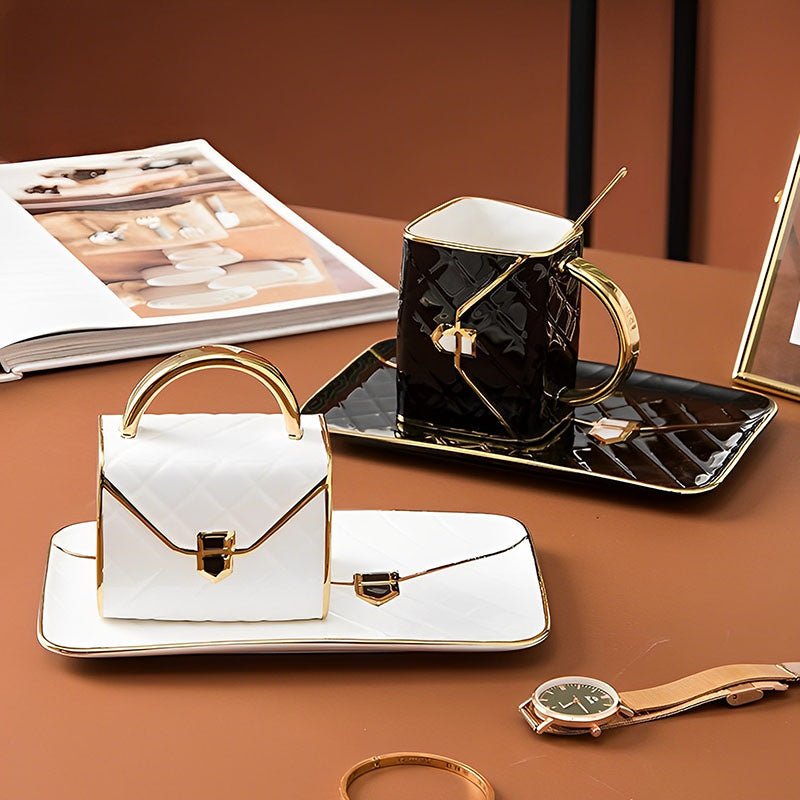
Best Coffee Mugs for Daily Use, Gifts, and Office Desks
Our practical take on the best coffee mugs, based on the details that affect real use: size, material, handle comfort, rim feel, and care. Use this guide to narrow down the mug that fits your kitch...
Подробнее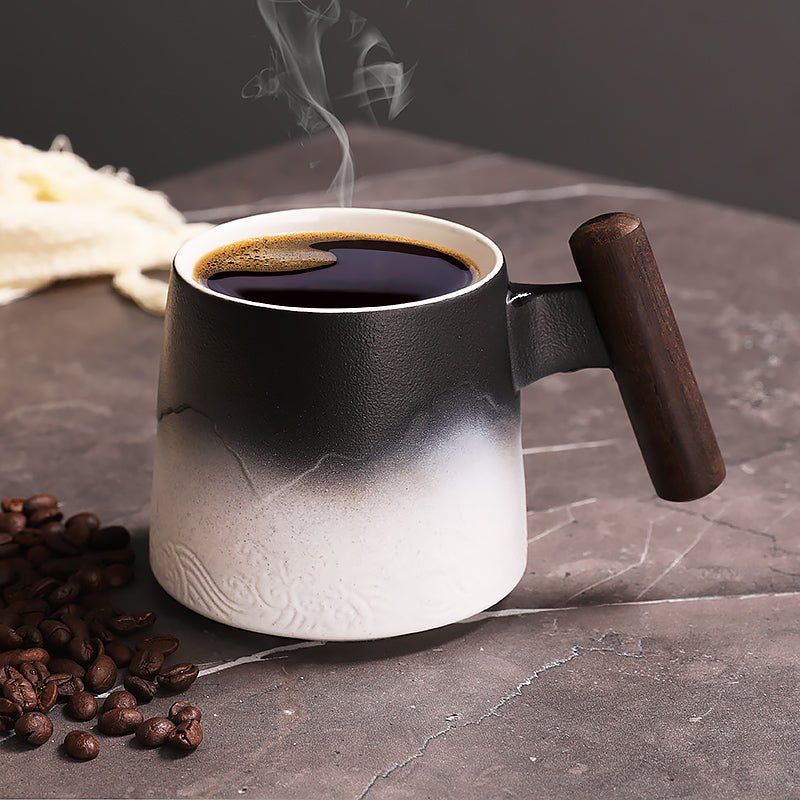
Best Travel Coffee Mug: What to Check Before You Buy
A good travel mug needs more than a vacuum wall. We break down the lid, size, insulation, and cleaning details that matter on a commute, at a desk, and in the car.
Подробнее
Оставить комментарий
Этот веб-сайт защищается hCaptcha. Применяются Политика конфиденциальности и Условия использования hCaptcha.